The cat emergency you have hours, not days, for
A blocked male cat dies within a day or two without treatment. The signs, why the litter tray is the warning, and what actually reduces the risk.
252 photos across 45 breeds
🐈 Cats domesticated themselves, more or less. They arrived alongside stored grain in the Near East around ten thousand years ago, and unlike dogs they were never bred for a job — which is why cat breeds differ mostly in coat, colour and build rather than in what they were made to do.
That also means temperament varies less between breeds than it does between individuals, with real exceptions at the edges: a Siamese or a Burmese is genuinely more vocal and more people-dependent than a British shorthair, and a bengal is genuinely more active than almost anything.
🐾 Several of the entries on this page are not breeds at all. Tabby and tortoiseshell are coat patterns that turn up in dozens of breeds and in none. Domestic shorthair, longhair and mixed-breed are simply cats — and they are the overwhelming majority of cats kept anywhere in the world, healthier on average than the pedigrees precisely because nobody selected them for a look. They are listed because they are what people photograph.
🧶 The decision that shapes daily life more than breed does is coat length. A Persian is a daily commitment with a comb and no negotiating; a British shorthair is twice a week; an oriental shorthair is essentially nothing. Long-haired cats that are not combed do not stay scruffy, they mat to the skin, and the mats have to be shaved off under sedation.
🏠 The other one is indoors, outdoors or a secure garden, and it is worth settling before the cat arrives rather than after. An indoor cat needs height, scratching posts, window views and things to hunt, or it will find its own entertainment in your furniture. Some breeds — ragdolls especially — are too trusting to be safe outside at all.
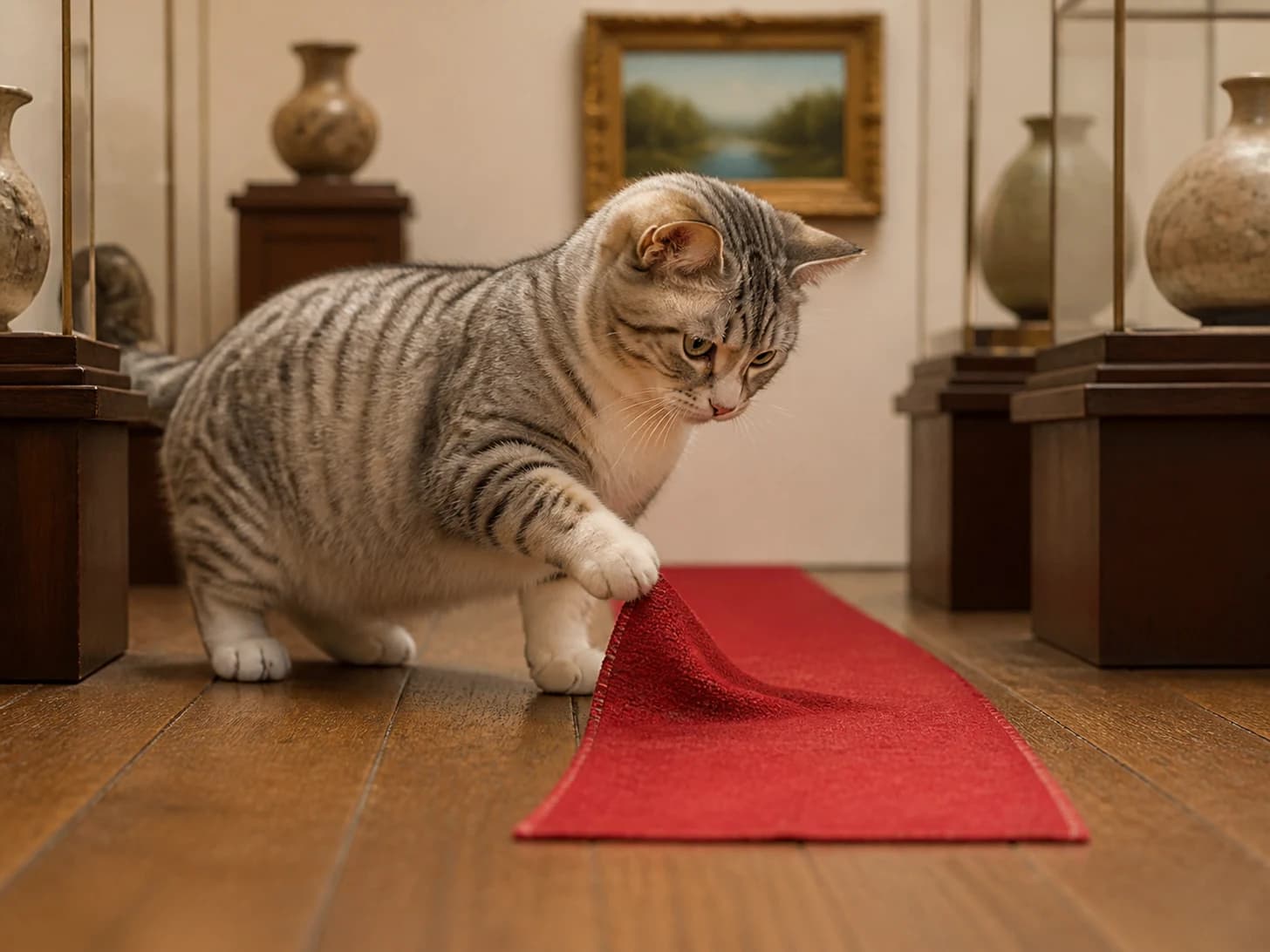
Rhubarb was promoted to meticulous museum curator; unfortunately, a tiny red carpet refuses to lie flat.
FrostyOtter · 1 week ago
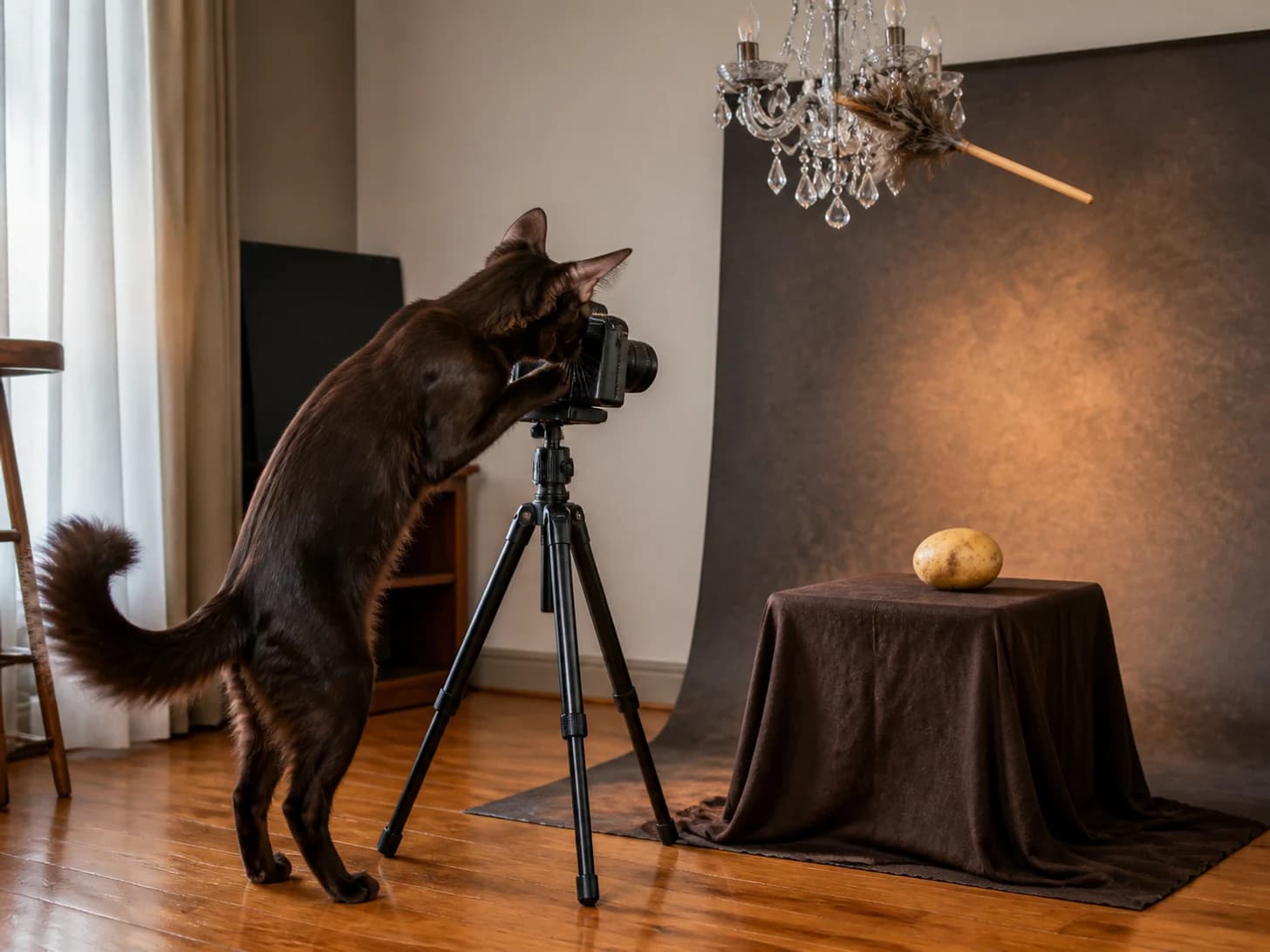
Radish III was promoted to photographer arranging a portrait of one potato; unfortunately, a feather duster gets stuck in a tiny chandelier.
FrostyOtter · 1 week ago
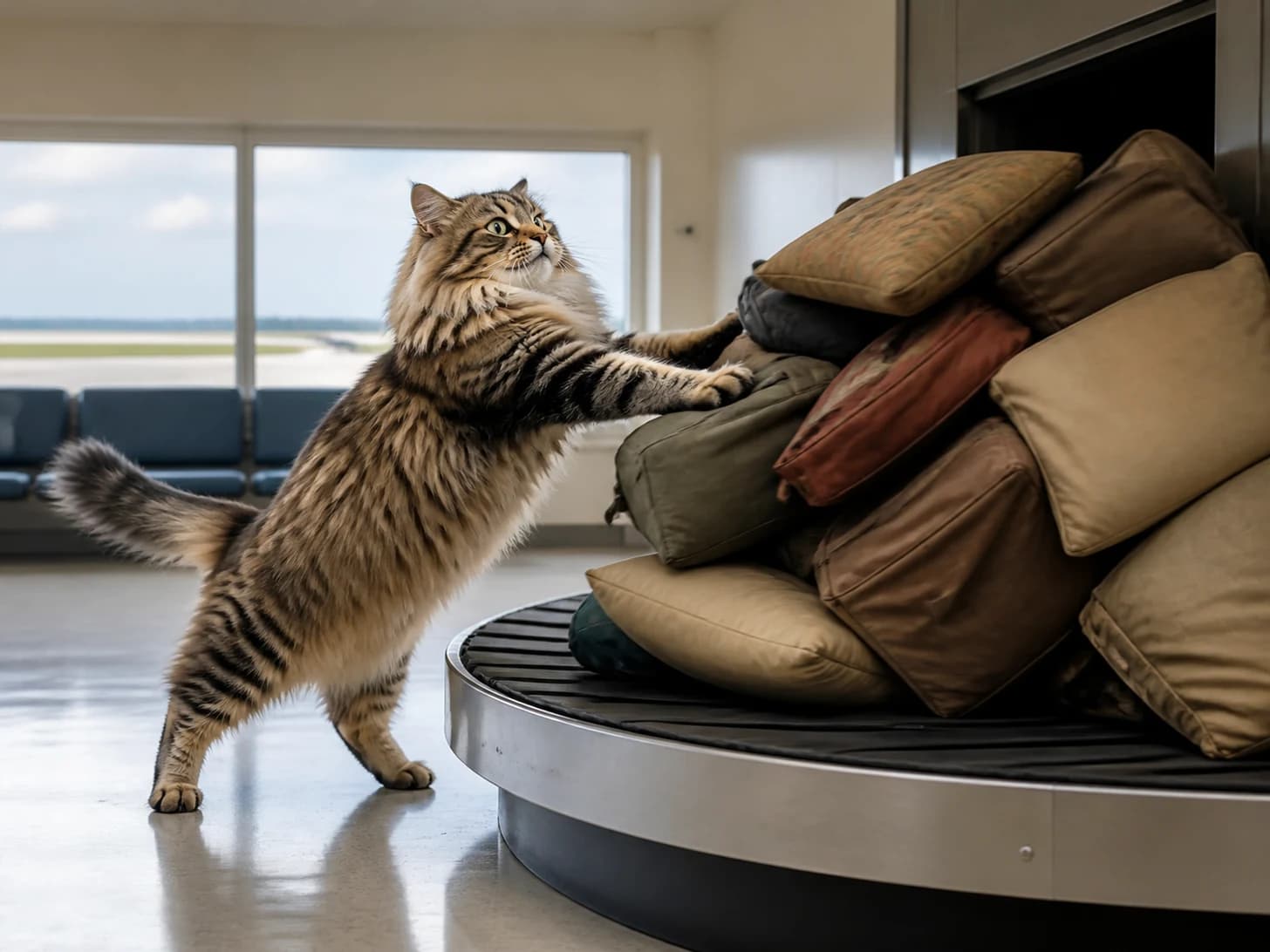
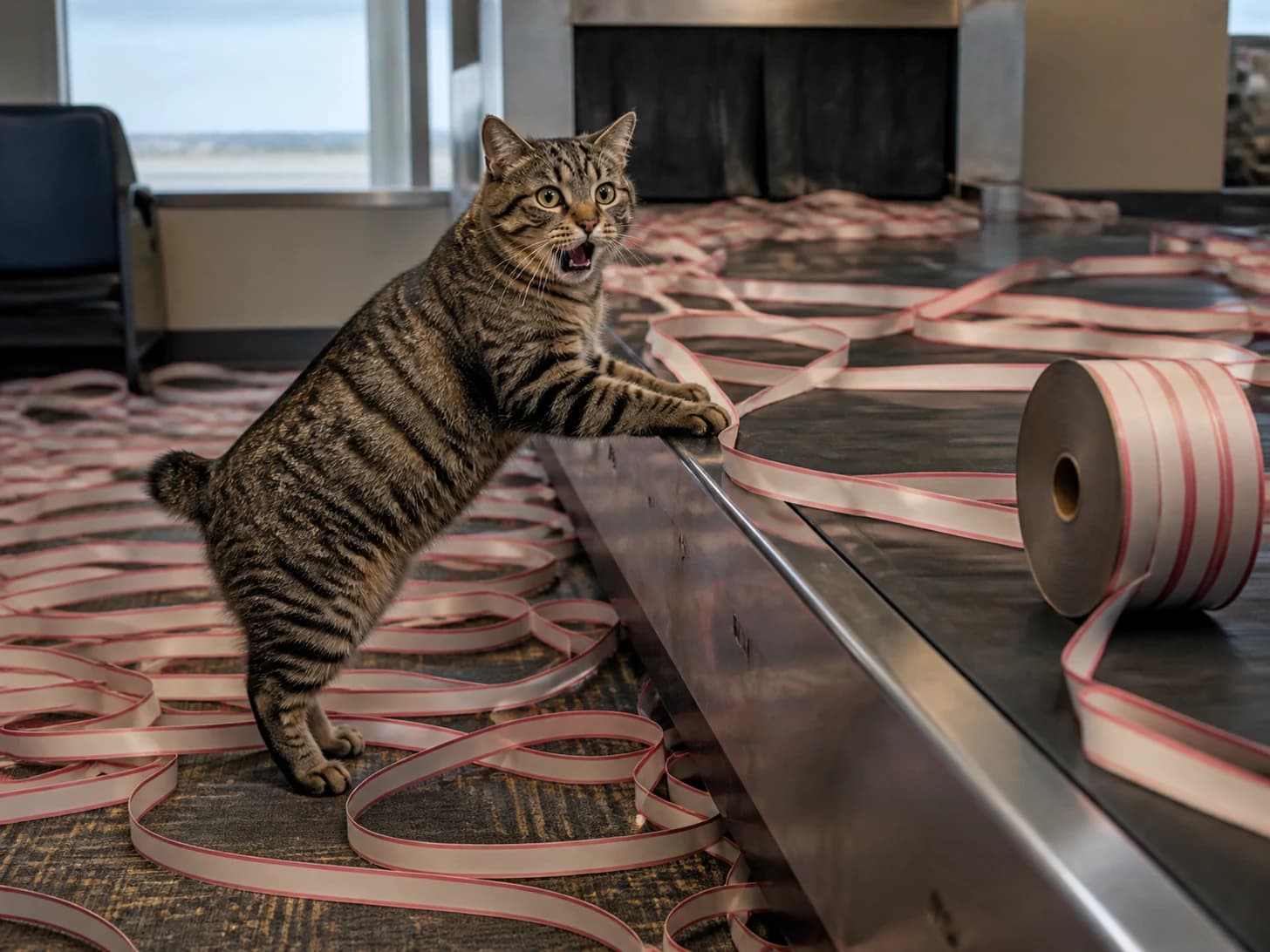
Truffle was promoted to overwhelmed airport baggage manager; unfortunately, a pile of cushions slowly topples.
FrostyOtter · 1 week ago
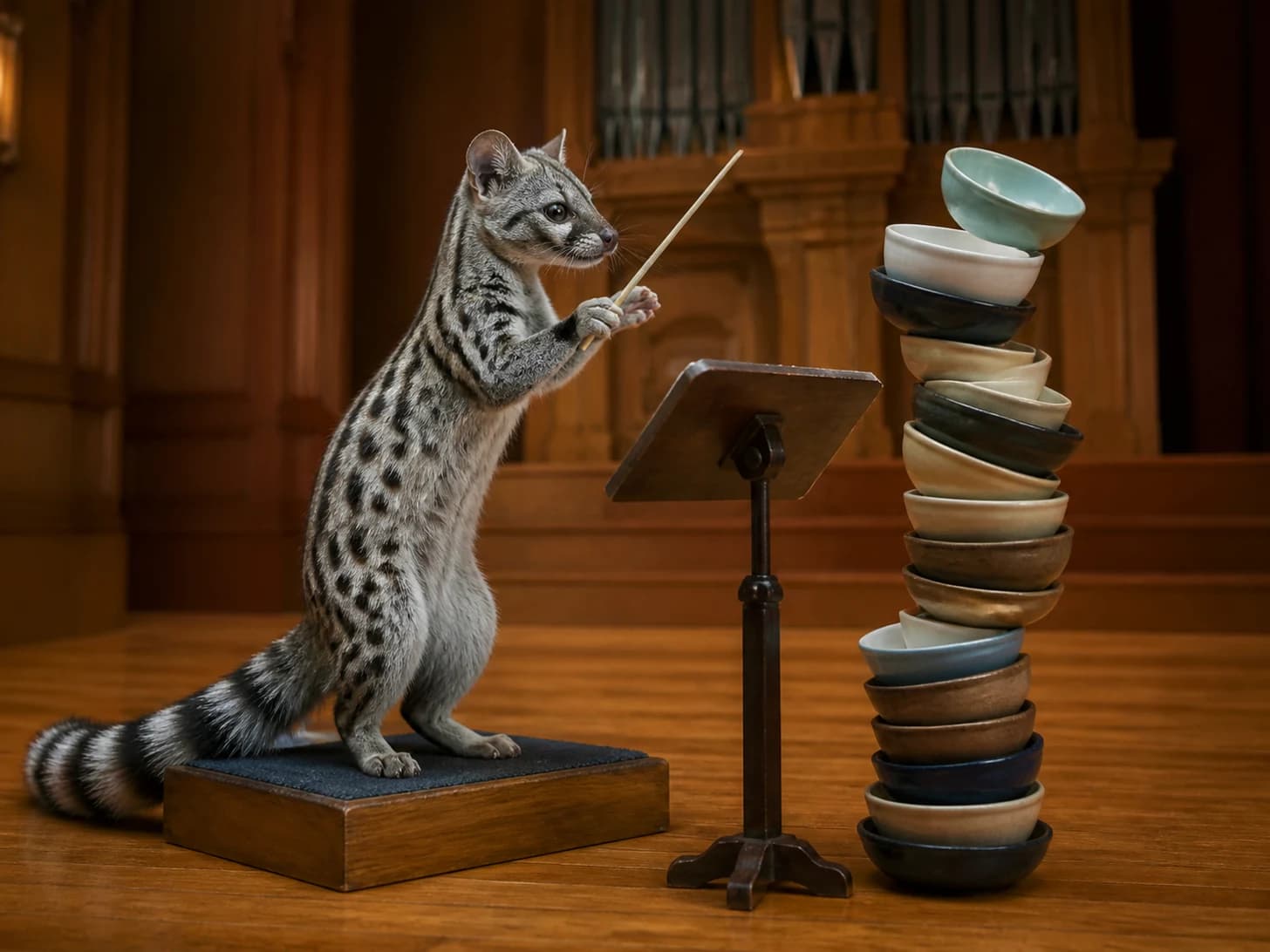
Marigold III was promoted to stern orchestra conductor; unfortunately, a stack of empty bowls wobbles dangerously.
FrostyOtter · 1 week ago
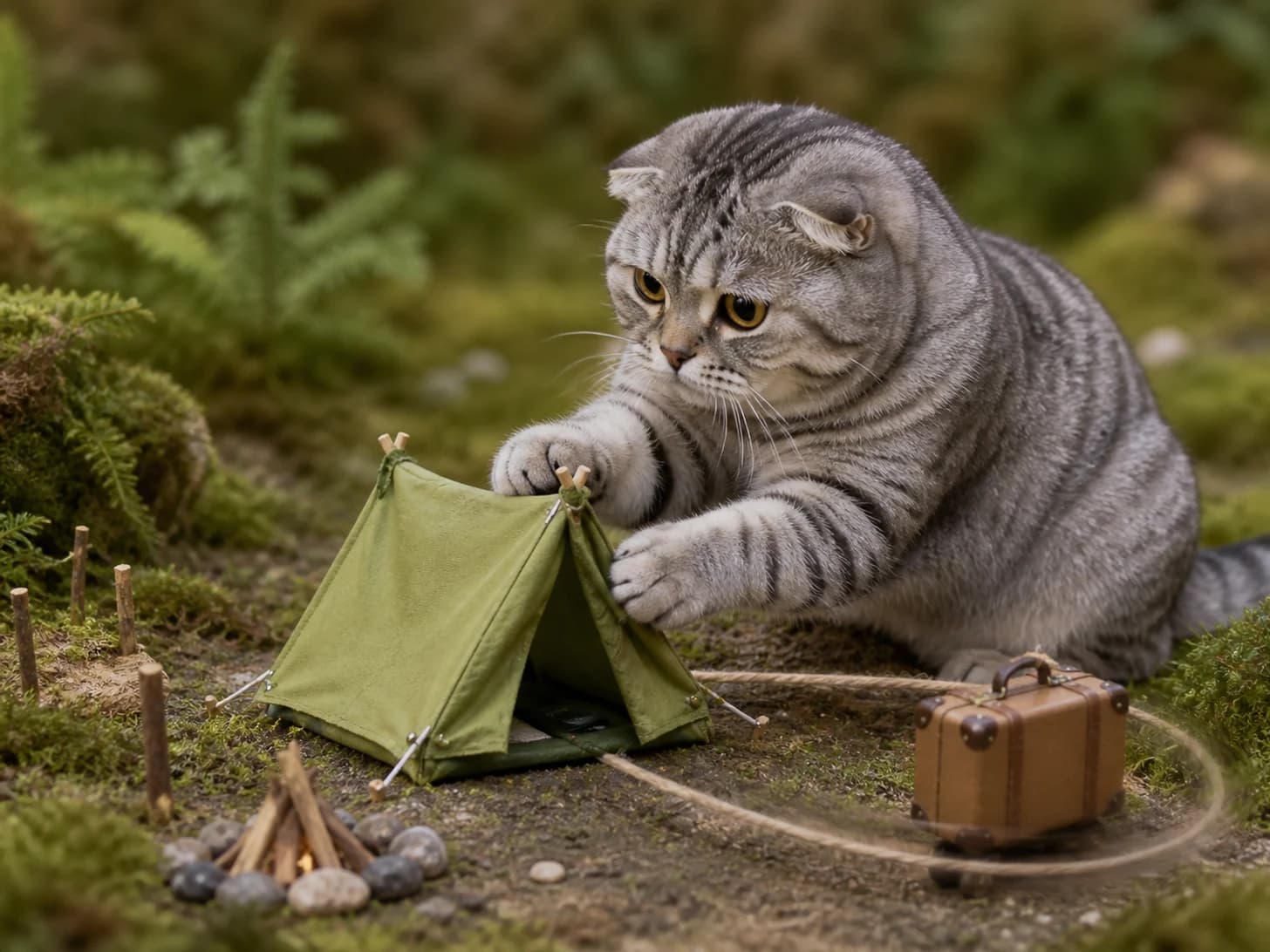
Noodle was promoted to camping guide assembling a tent much too small; unfortunately, one toy suitcase circles endlessly.
FrostyOtter · 1 week ago
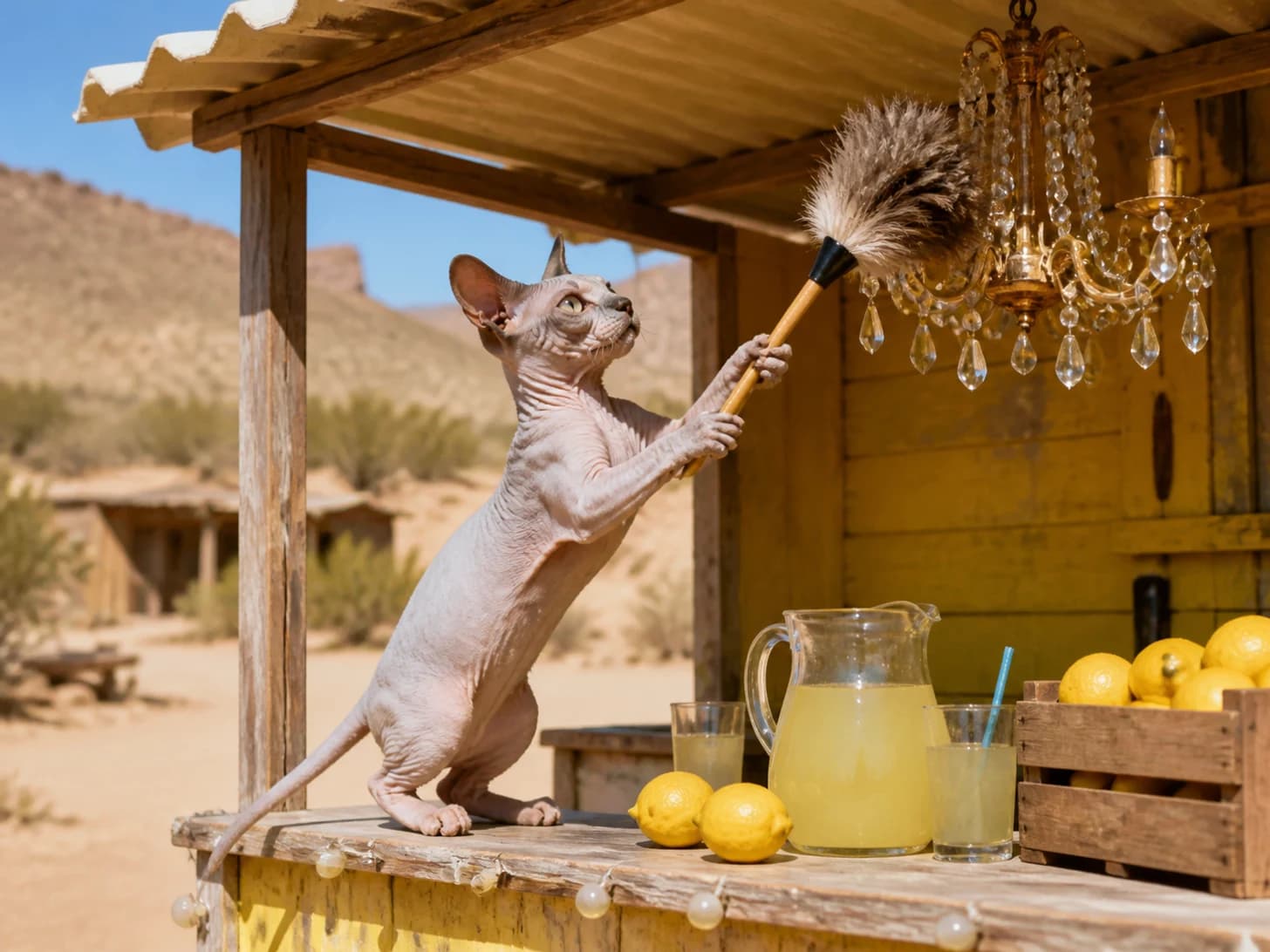
Cinder was promoted to ambitious roadside lemonade vendor; unfortunately, a feather duster gets stuck in a tiny chandelier.
FrostyOtter · 1 week ago
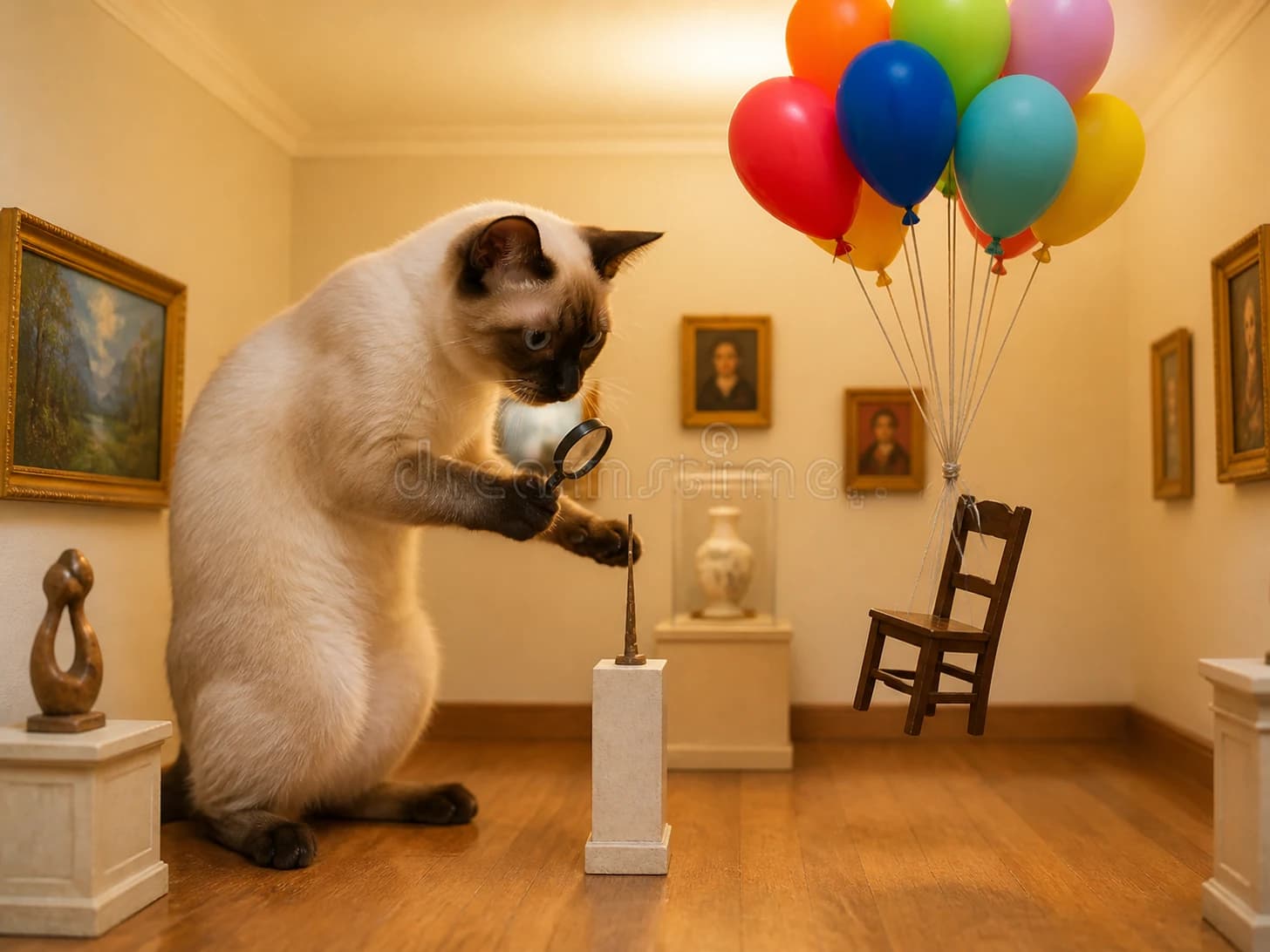
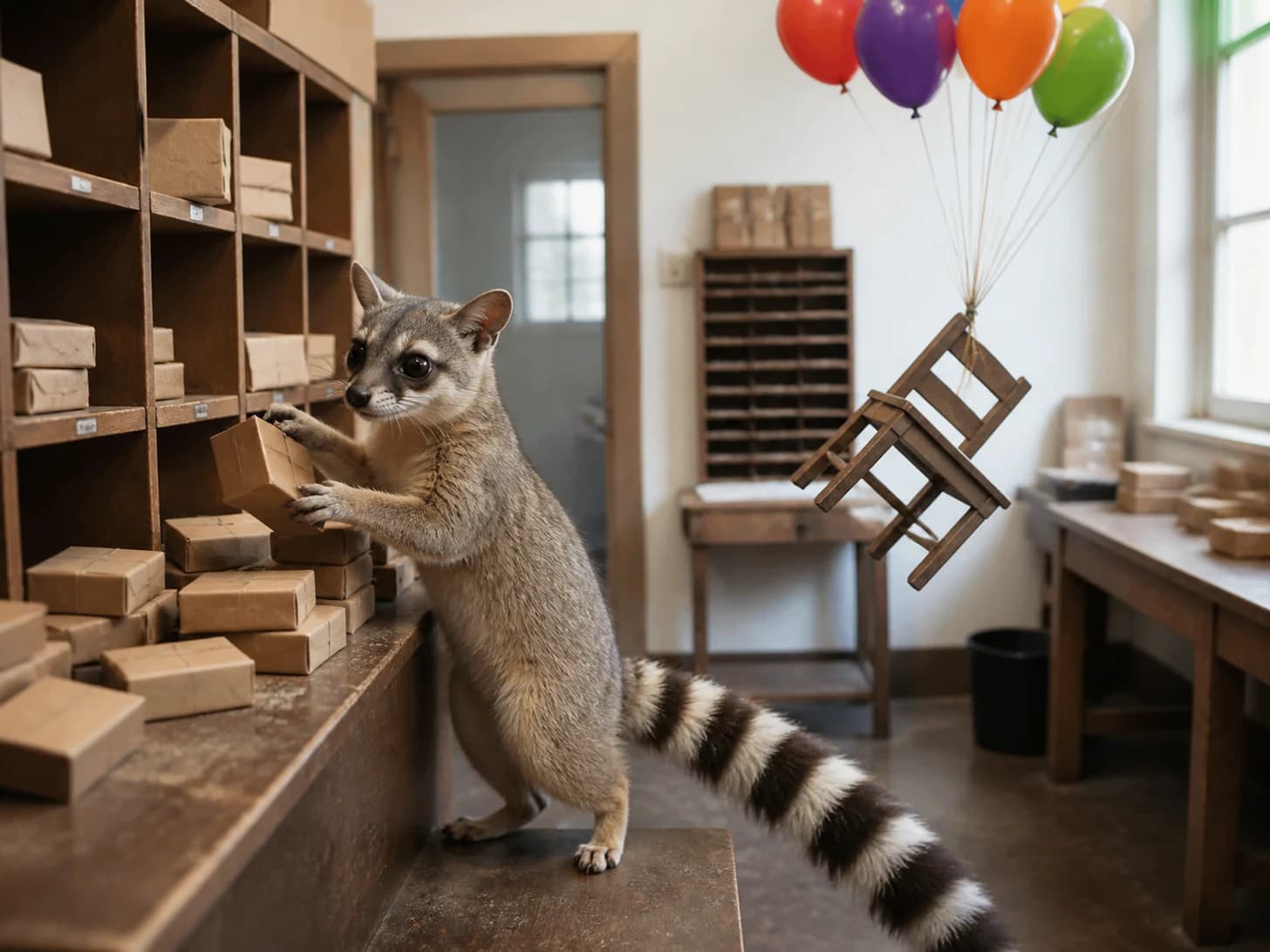
Biscuit II was promoted to meticulous museum curator; unfortunately, a balloon bouquet pulls a tiny chair upward.
FrostyOtter · 1 week ago
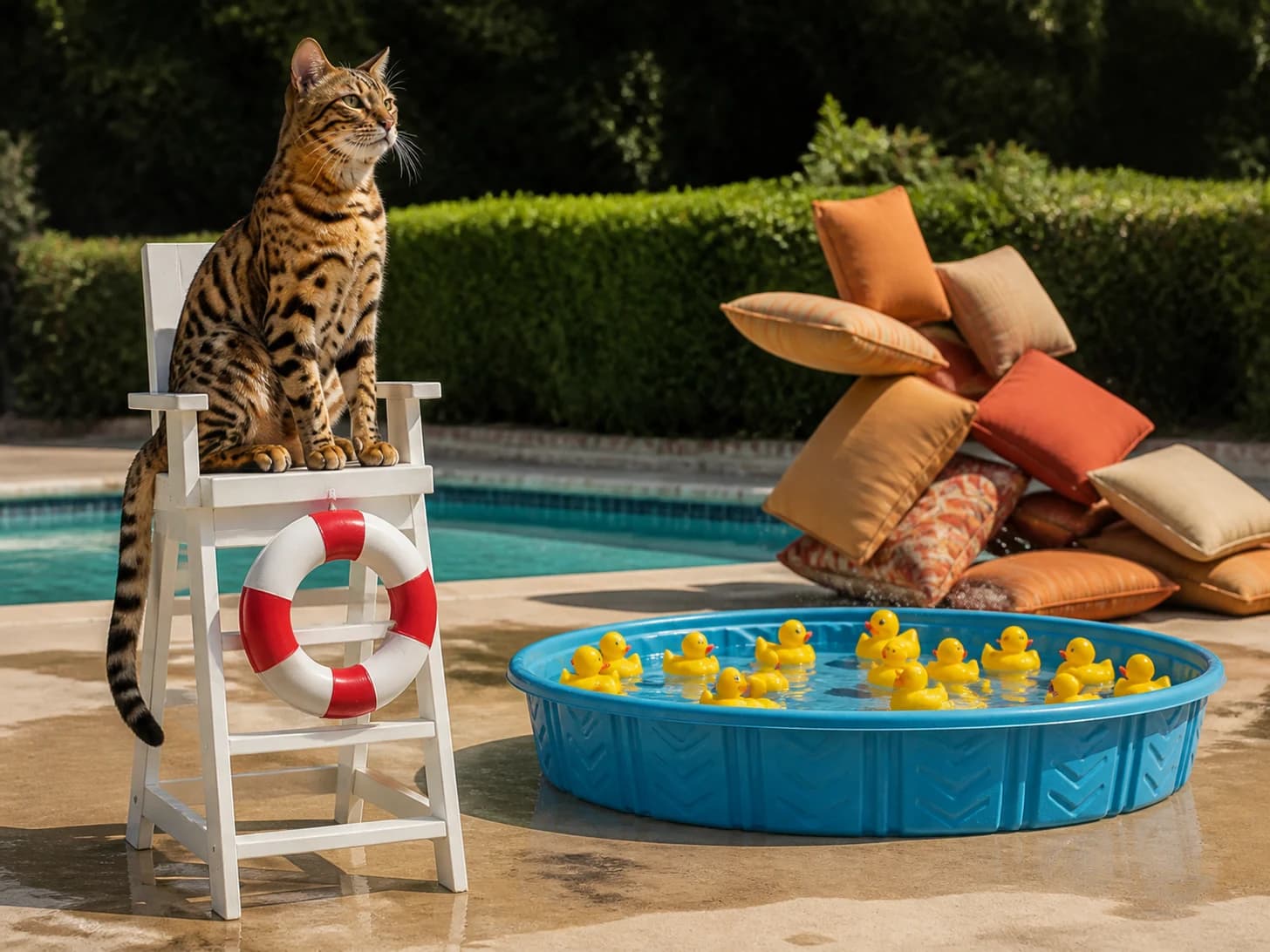
Rosemary IV takes lifeguard duty seriously. Eleven ducks, one pool, and a cushion pile that is going over.
FrostyOtter · 1 week ago
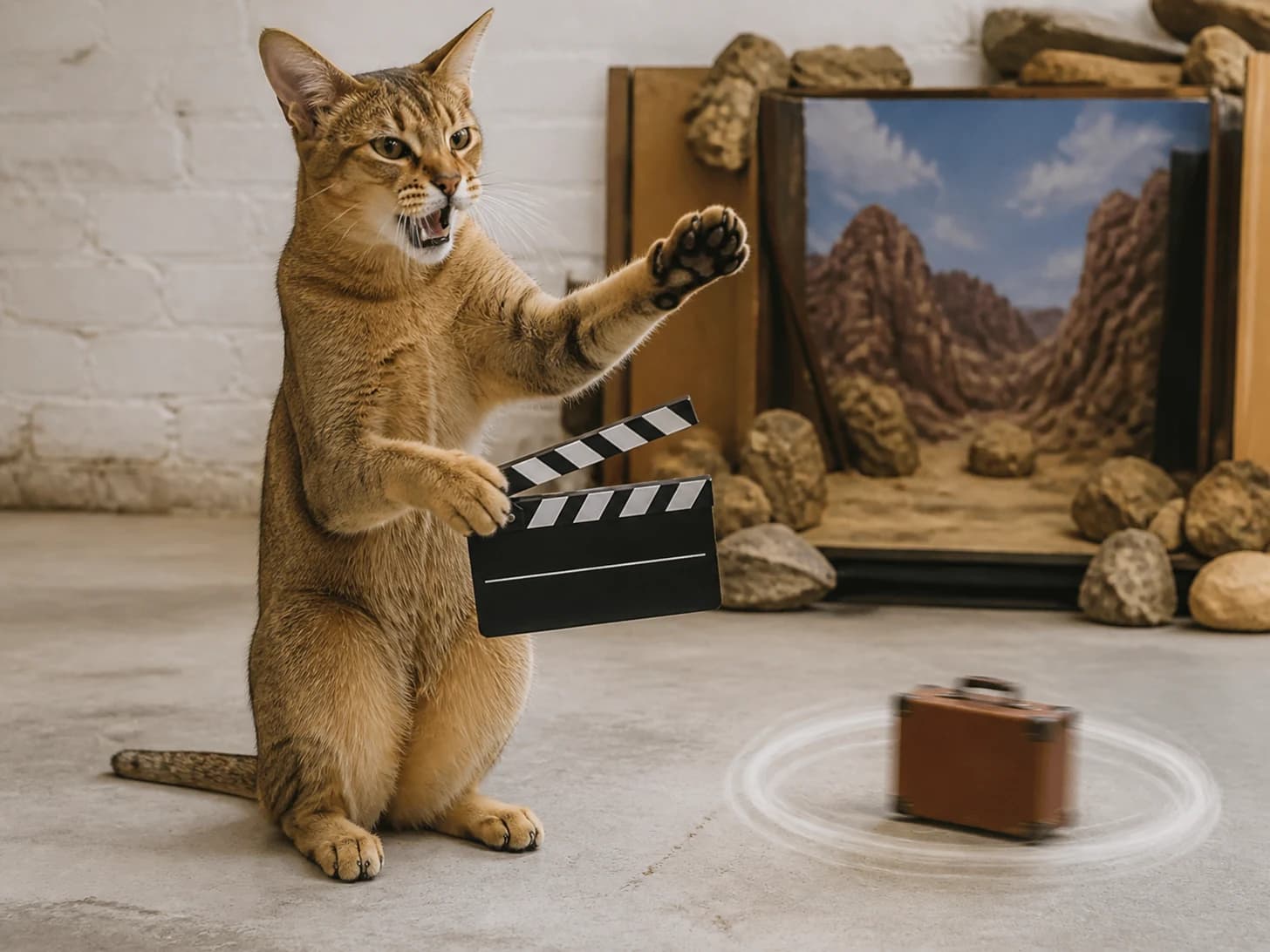
Clemence V has called action, and the one suitcase on set is going round in circles again.
FrostyOtter · 1 week ago
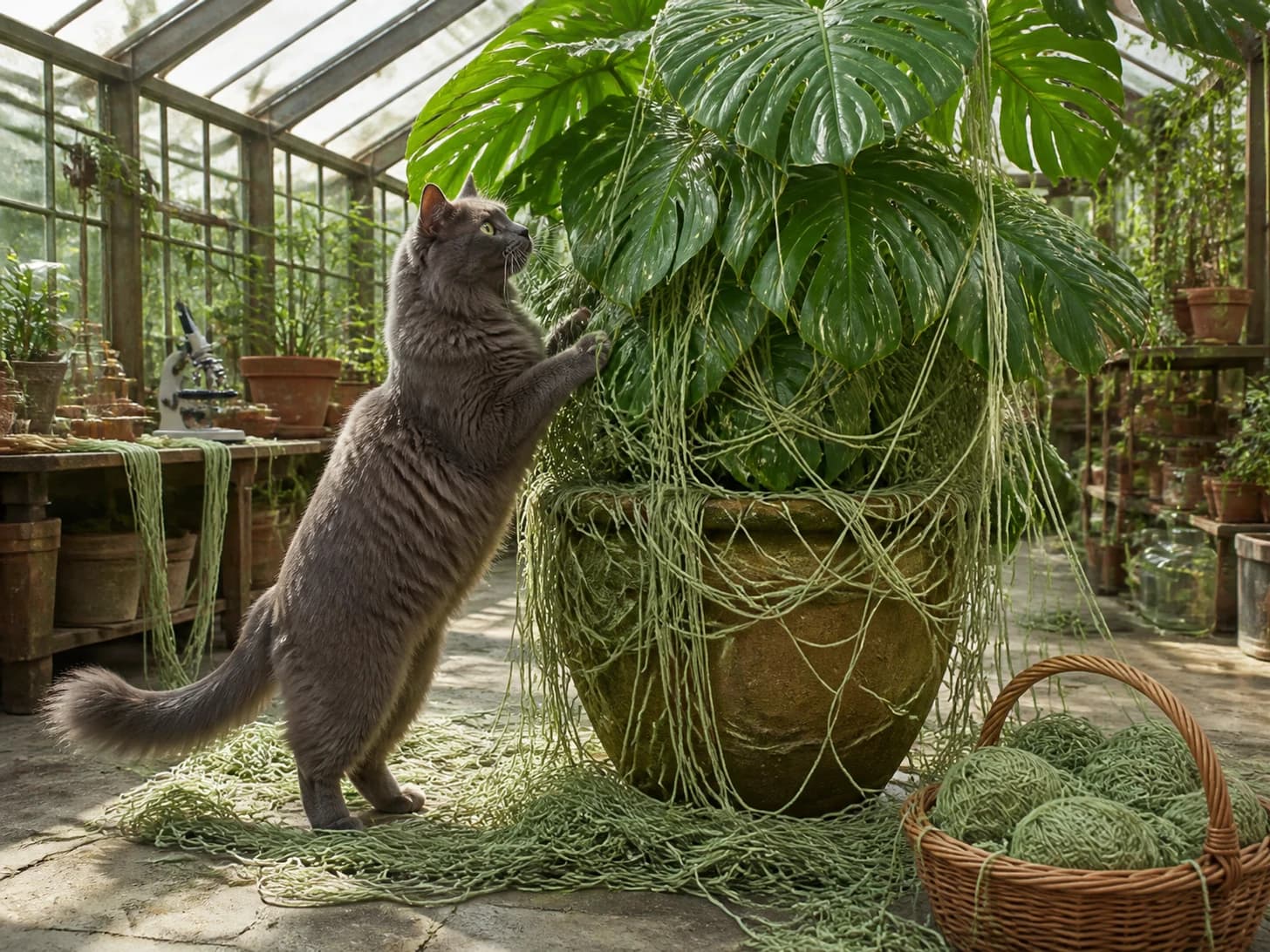
Tansy is up on her back legs inspecting the monstera, and the green wool has got everywhere in the process.
FrostyOtter · 1 week ago
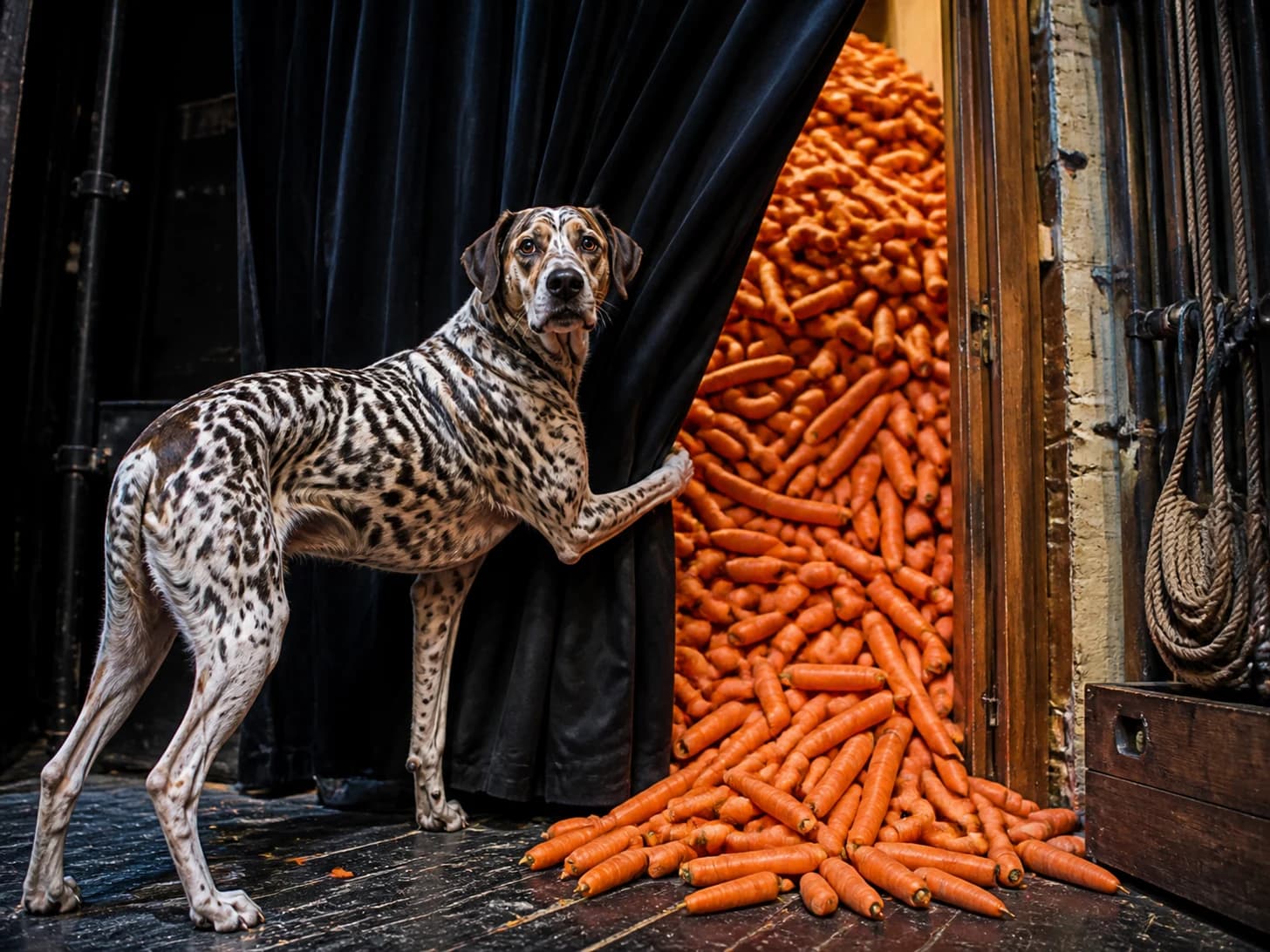
Primrose III was promoted to stage manager during a curtain emergency; unfortunately, a mountain of carrots blocks the doorway.
FrostyOtter · 1 week ago
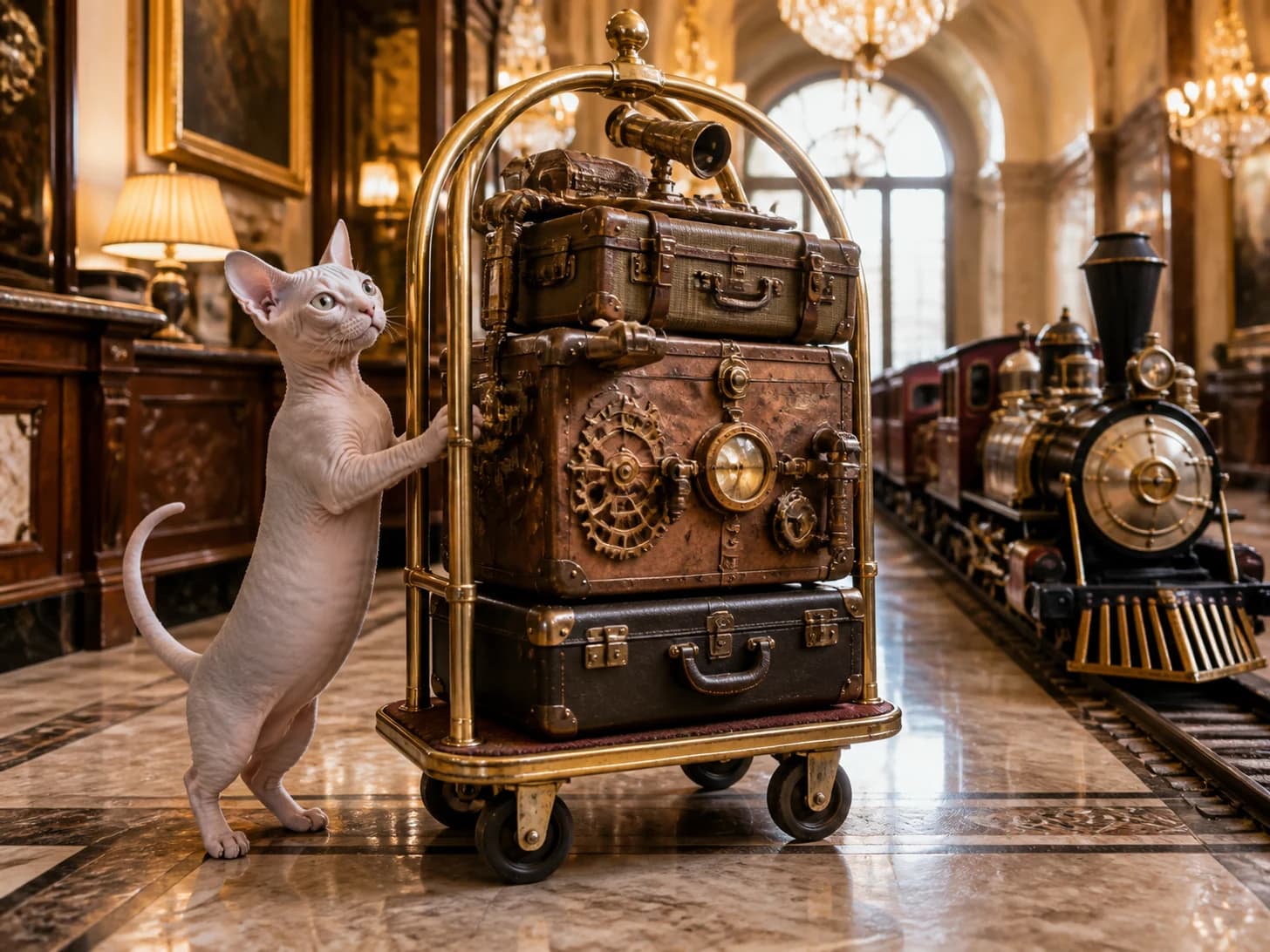
Olive V is moving the entire luggage trolley herself, and the train waiting on the platform is not helping.
FrostyOtter · 1 week ago
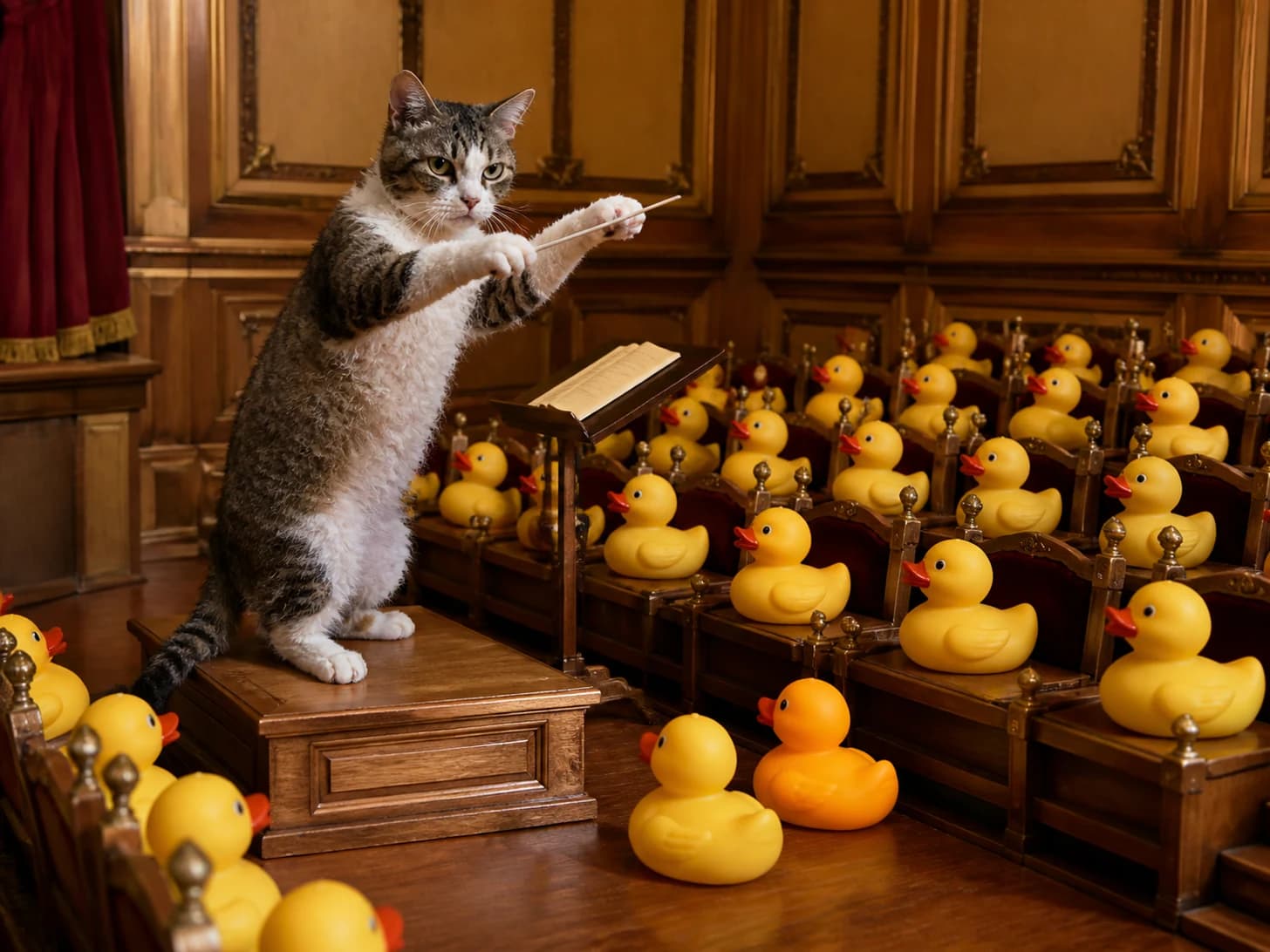
Mistral IX conducts, and tonight the orchestra is rubber ducks, seated properly, all the way to the back.
FrostyOtter · 1 week ago
General guidance, not veterinary advice. Anything about a specific animal is a question for a vet who has seen it.
A place to start rather than the whole list. Every name is a page.
Not a breed — just a cat, and the commonest and generally healthiest one there is. If you have no particular requirement, this is the sensible answer and there are thousands in rescue.
The largest domestic breed, semi-longhaired and unusually dog-like in temperament. Screen for hypertrophic cardiomyopathy and hip dysplasia — big cats get the latter too.
Dense, plush and famously undemonstrative — a cat that likes you nearby rather than on you. Combing twice a week, and a strong tendency to put on weight.
Loud, clever and genuinely people-dependent. A Siamese left alone all day is not a quiet cat that misses you; it is a cat that tells the street about it.
The most high-maintenance coat in the species: daily combing, without exception. The flattened face of the modern show type brings tear-duct and breathing problems, so the older doll-faced type is worth seeking out.
Large, placid and inclined to go limp when picked up, which is where the name comes from. Also too trusting to be safe outdoors, and a breed with a well-known HCM mutation that can be DNA-tested.
The most active cat most people will meet — a wild-hybrid-descended breed that climbs, swims, opens things and does not settle for a quiet flat. Early generations are legally restricted in some places.
Hairless, which means more maintenance rather than less: weekly bathing because the skin oils have nowhere to go, and a cat that actively seeks out heat and laps.
The subjects that come up on breed page after breed page, written out properly.
A blocked male cat dies within a day or two without treatment. The signs, why the litter tray is the warning, and what actually reduces the risk.
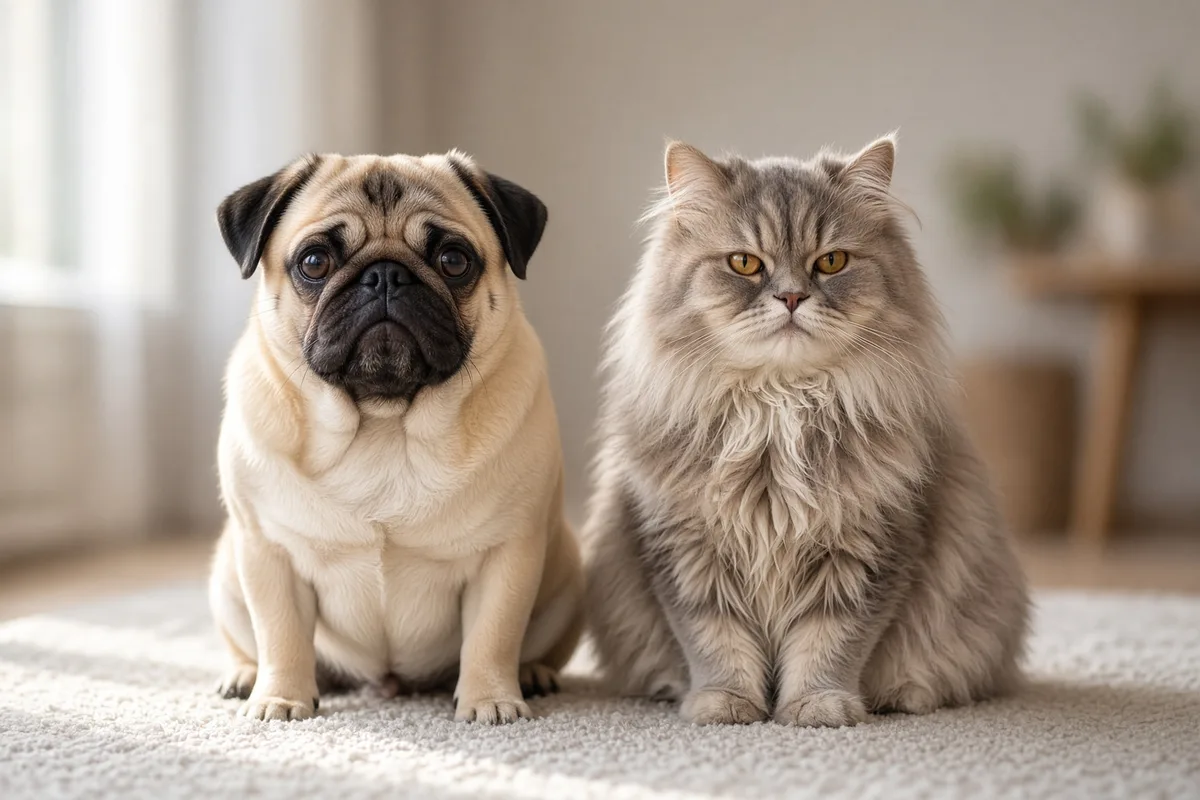
Brachycephalic dogs and cats have the same soft tissue in a shorter skull. What that does to breathing, eyes, teeth and heat, and how to choose better.

A carrier of a recessive disease looks healthy. Which tests exist for dogs, cats and horses, how to read the results, and the answers that should worry you.
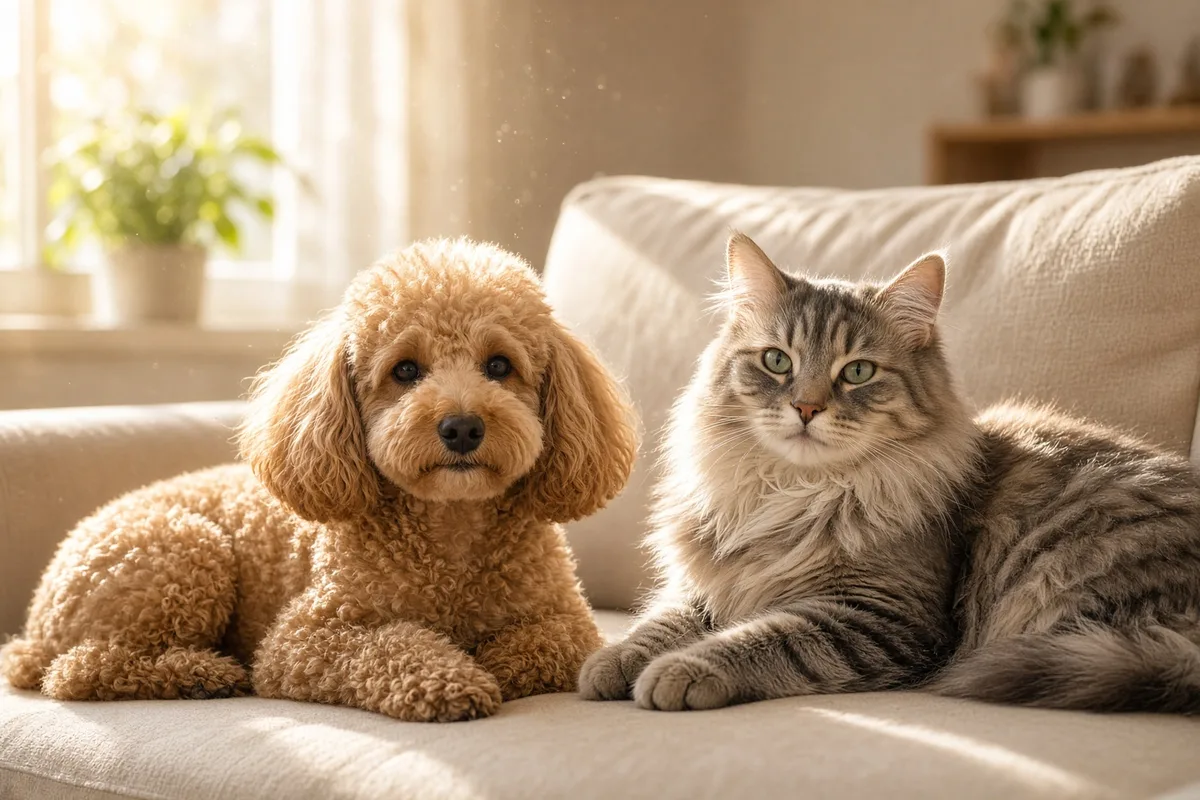
Low-shedding is not low-allergen. What actually causes pet allergy, why the claim keeps being made, and what genuinely reduces symptoms if you are allergic.

Light, height, focus and patience — what separates a good pet photo from a blurred one, and how to handle black cats, white dogs and animals that never sit still.
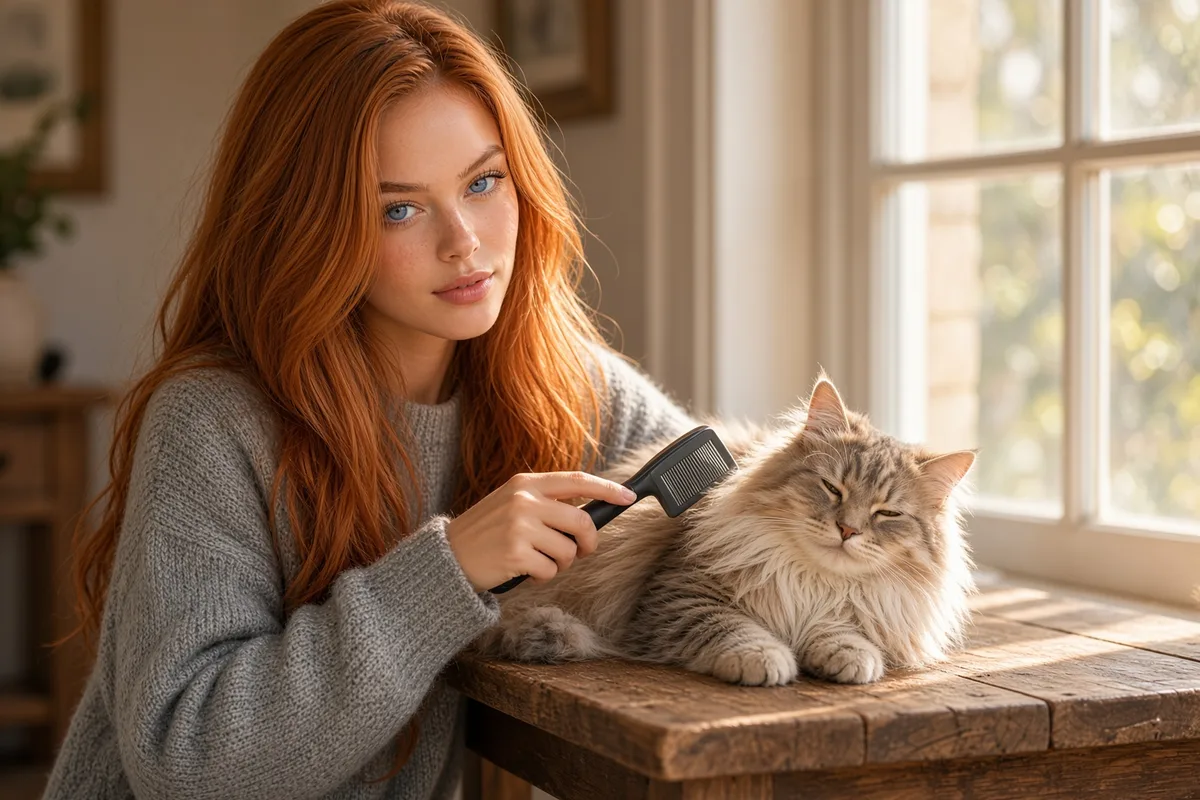
Single, double, wire, curly and hairless coats need completely different things. Why you never shave a double coat, and why a mat has to be cut out.
Every breed somebody has posted, A to Z.