Peterbald
The Peterbald was created in St Petersburg in 1994 by crossing a Donskoy with an Oriental Shorthair, combining the Donskoy's dominant hairlessness with the long, fine, wedge-headed elegance of the oriental breeds.
It weighs 3 to 5 kilograms, is slender and long-legged with very large ears and almond eyes, and comes in a spectrum of coat types from completely bald through a suede-like flock and a brush coat to a normal short coat — littermates often differ, and an individual's coat can change over its life. Temperament is oriental: vocal, extremely social, intelligent and demanding of involvement in everything the household does.
- Origin
- St Petersburg, Russia, 1994, from Donskoy and Oriental Shorthair
- Size
- 3–5 kg
- Lifespan
- 12–15 years
- Coat
- Bald to flock to brush to normal short — varies and can change
- Genetics
- Dominant hairlessness from the Donskoy
- Health
- Ectodermal dysplasia concerns; skin and dental care needed
Related: Donskoy · Oriental shorthair
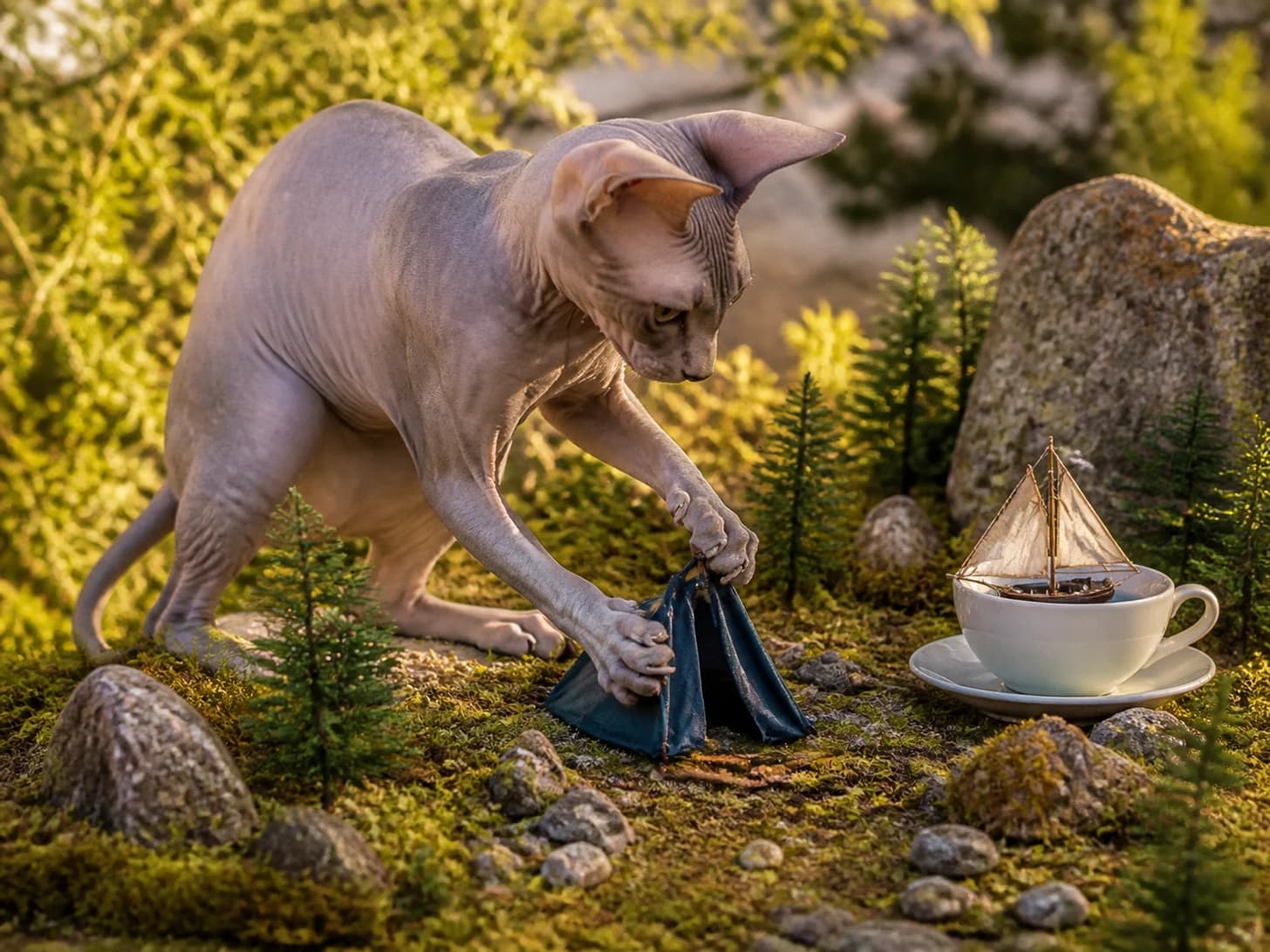
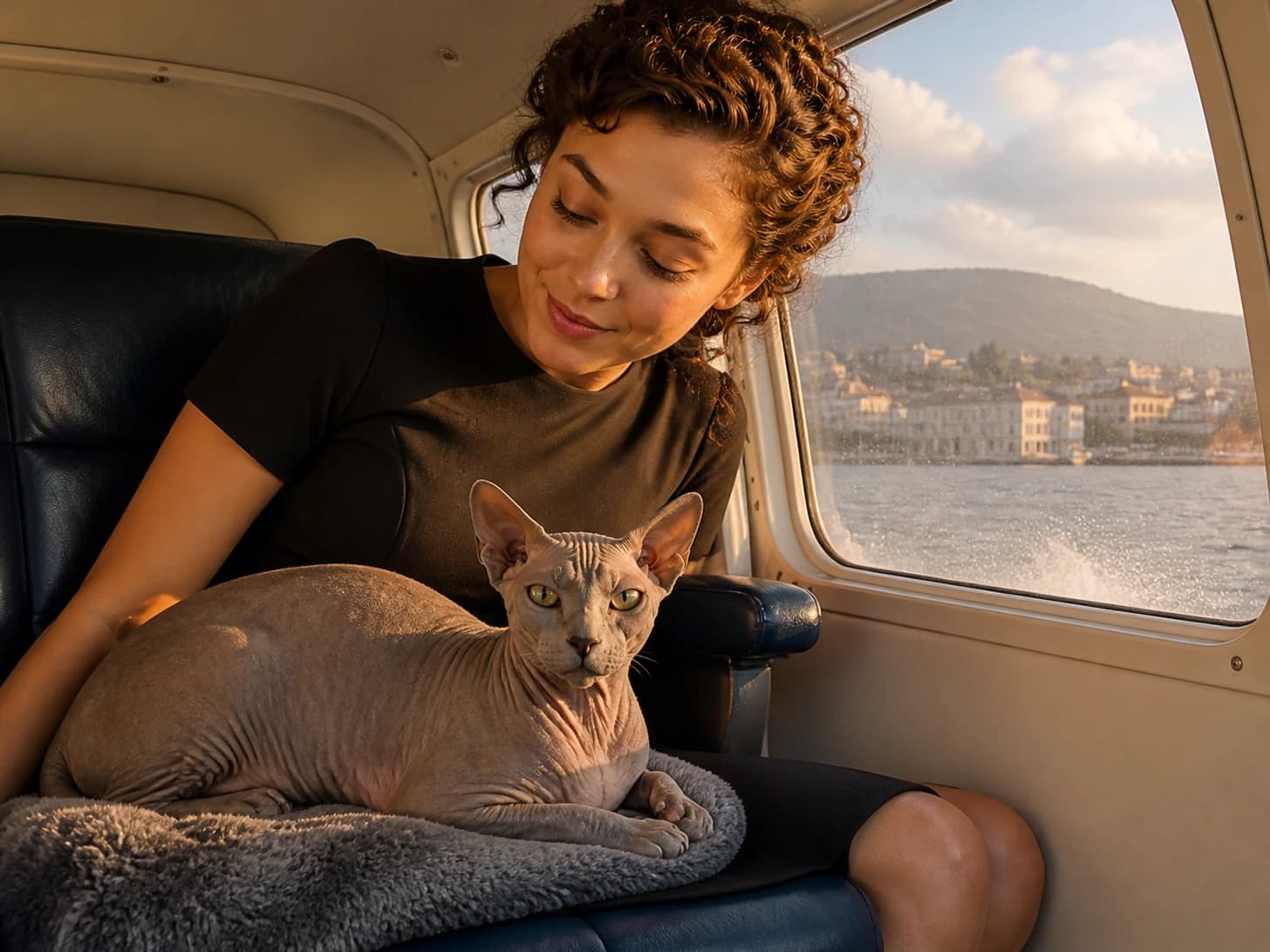
2 peterbald photos, newest first
Living with a peterbald
Bathe weekly or thereabouts, depending on how bald the individual is. Skin oil accumulates without a coat and leaves the cat greasy and prone to blocked pores and infections.
Dental problems are reported in the breed through the Donskoy hairless gene's link with ectodermal dysplasia. Start dental care early and check teeth at every vet visit.
They are thin-skinned and lean, and they lose heat fast. Warmth, covered beds and no cold outdoors — and no unshaded sun either, because the skin burns.
The oriental temperament means constant vocal company and real intelligence. They need play, puzzle feeders and preferably another cat.
Ears are large and open and want regular cleaning.
General guidance, not veterinary advice. Individual cats vary, and anything about a specific animal is a question for a vet who has seen it.
Worth reading alongside this
More cats by breed
Every cat breed somebody has posted a photo of.