Colorpoint shorthair
The Colorpoint Shorthair is a Siamese in point colours outside the traditional four.
Where the Siamese standard recognises seal, chocolate, blue and lilac, the Colorpoint Shorthair covers red, cream, tortie and lynx points, achieved originally by crossing Siamese with American Shorthairs and breeding back.
It weighs 2.5 to 5 kilograms, with the identical long, fine, wedge-headed oriental type of the Siamese and the same short close coat. Whether it is a separate breed is a registry question: the CFA recognises it separately, most others simply call it a Siamese. Temperament is unambiguous — this is a Siamese, with all the volume, intelligence and need for company that implies.
- Origin
- United States; Siamese crossed to widen the point colours
- Size
- 2.5–5 kg
- Lifespan
- 12–20 years
- Coat
- Short, fine and close-lying
- Colours
- Red, cream, tortie and lynx points
- Health
- Progressive retinal atrophy, amyloidosis, asthma, dental disease
Related: Siamese
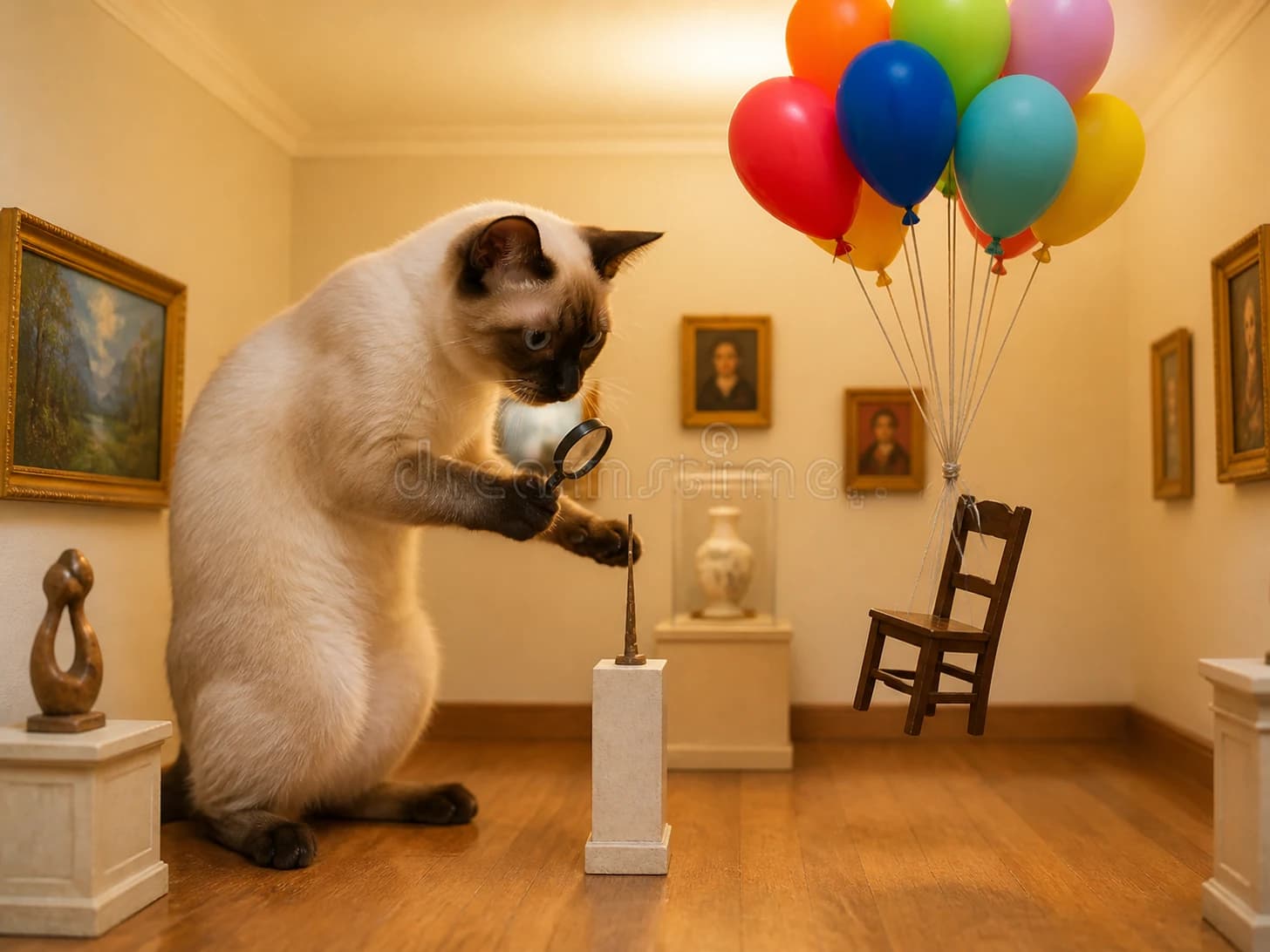
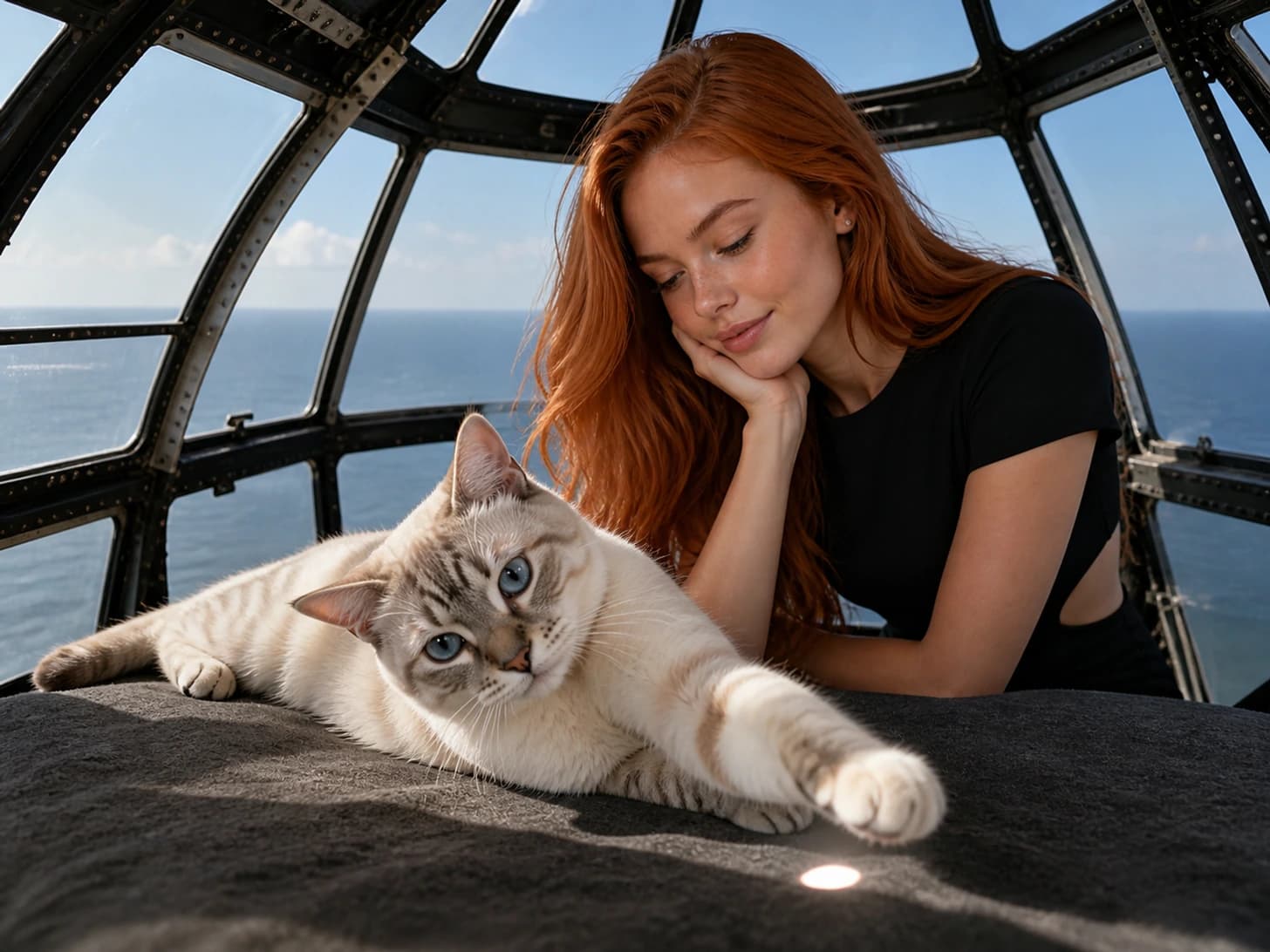
2 colorpoint shorthair photos, newest first
Living with a colorpoint shorthair
Expect a Siamese. The volume, the insistence, the following from room to room and the objection to being left alone are all part of the package, and buyers who chose the cat for its colour are sometimes surprised by the rest.
Ask about PRA testing and about amyloidosis in the lines.
Oriental-type cats have narrow jaws and are prone to early periodontal disease. Start toothbrushing young and expect dental cleanings to be part of life.
Asthma is more common in this type than in cats generally; coughing needs a vet.
The coat needs almost nothing — a weekly stroke with a rubber brush. Point colour darkens with age and in cold rooms, which is normal, since the pigment is temperature-dependent.
General guidance, not veterinary advice. Individual cats vary, and anything about a specific animal is a question for a vet who has seen it.
Worth reading alongside this
More cats by breed
Every cat breed somebody has posted a photo of.