Burmilla
The Burmilla came from the same accident as the Asian group: in 1981, a chinchilla Persian and a lilac Burmese in a British household were unintentionally mated, and the resulting kittens were so striking that a breed was built from them.
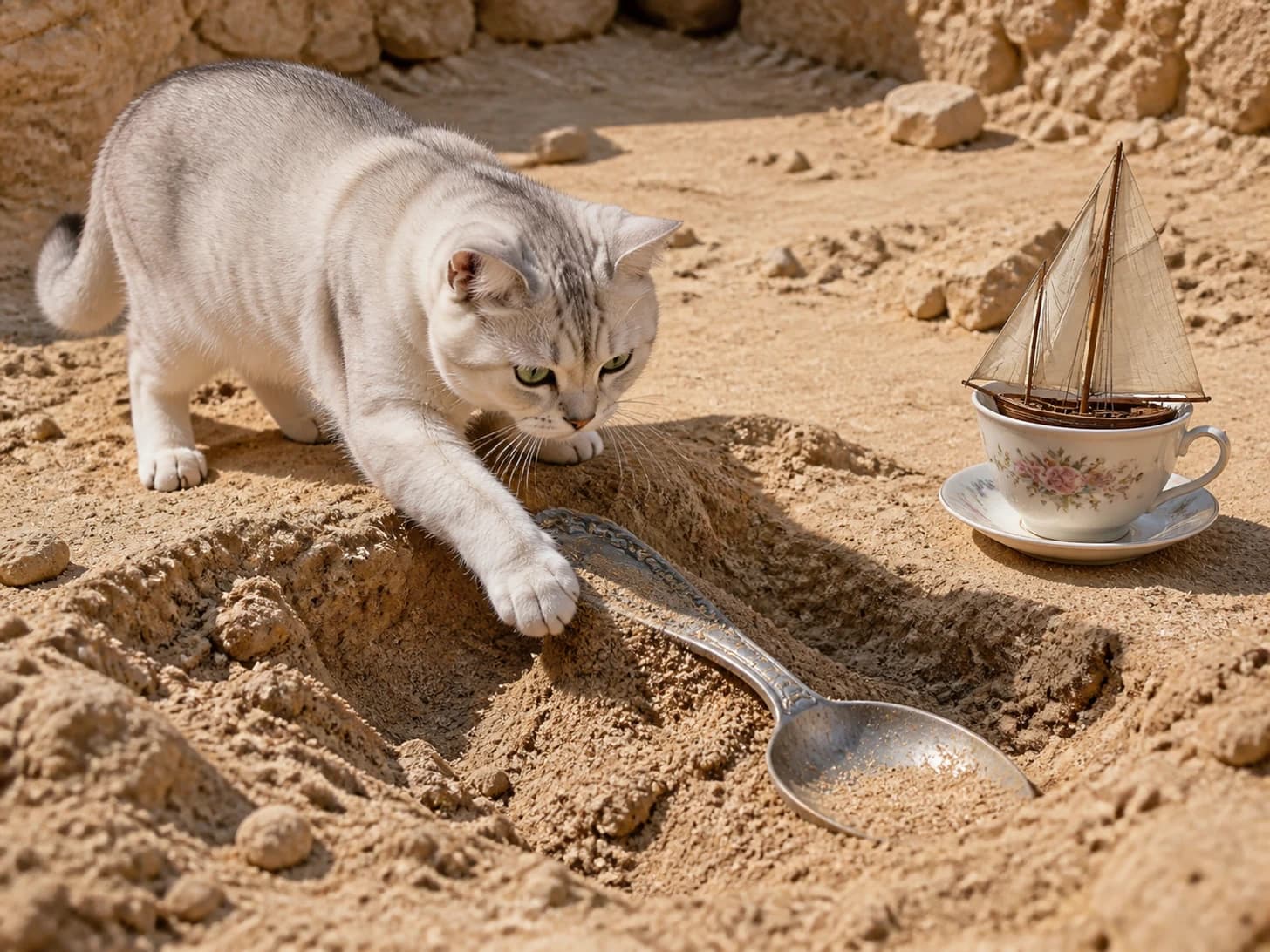
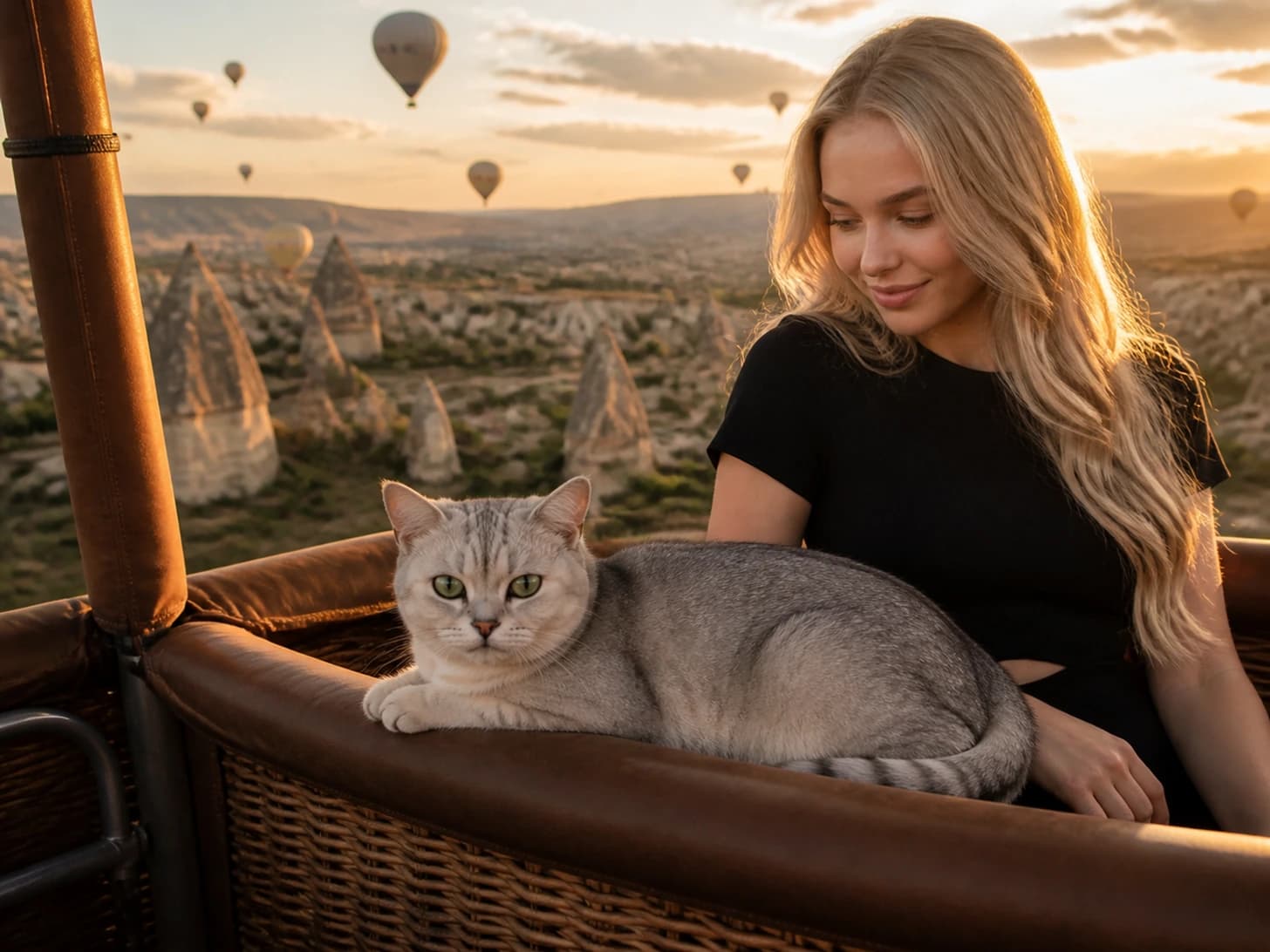
It weighs 3.5 to 6 kilograms, with a Burmese body type and the shaded or tipped silver coat of the chinchilla — a pale coat with darker tipping, and dark pencilled lines around the eyes, nose and lips that look like applied make-up. Temperament sits between the parents: more sociable and playful than a Persian, less relentlessly demanding than a Burmese, which is a combination many owners consider the breed's real achievement.
2 burmilla photos, newest first

Living with a burmilla
Ask for the PKD DNA test. Polycystic kidney disease entered the breed with its Persian founder, causes kidney failure in middle age, and is entirely avoidable in breeding because the test is definitive. Any breeder should provide results without being asked twice.
Burmese-line hypokalaemia is also worth asking about.
The silver coat is short and easy — a weekly brush — but it shows grease, and some individuals want an occasional bath.
They are affectionate and enjoy company but are less needy than a Burmese, which makes them a reasonable choice for a household that is out during the day, though a companion cat still helps.
Annual checks with attention to kidney values, moving to twice yearly past ten.
General guidance, not veterinary advice. Individual cats vary, and anything about a specific animal is a question for a vet who has seen it.
Worth reading alongside this
More cats by breed
Every cat breed somebody has posted a photo of.