Kanaani
The Kanaani was developed in Germany from 1999 by Somali-born artist Hadschi Bakhtiari, crossing the African wildcat, Felis lybica, with domestic shorthairs, Bengals and Oriental Shorthairs.
The name comes from Canaan, and the aim was a domestic cat resembling the wild ancestor of all domestic cats.
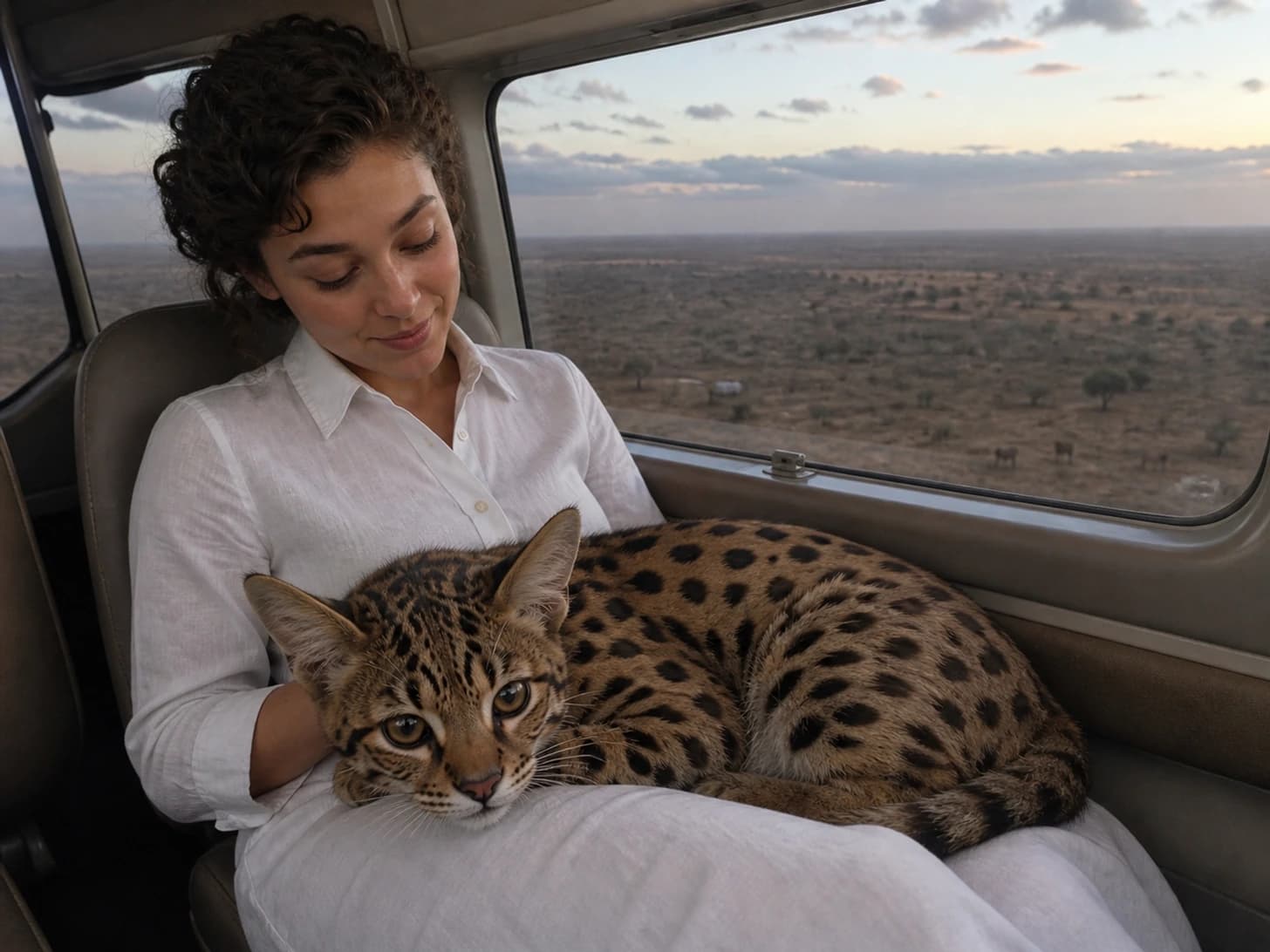
It weighs 4 to 6.5 kilograms, is long-legged and lean with a spotted coat and large ears. It is recognised by the World Cat Federation, and the standard now requires several generations of distance from the wildcat. It is very rare outside Germany. Temperament is active and independent rather than lap-oriented, which follows from both the wild ancestry and the oriental breeds behind it.
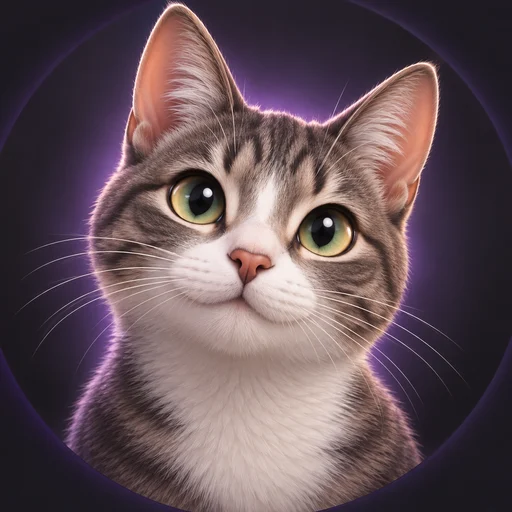
2 kanaani photos, newest first

Living with a kanaani
Check import and ownership rules. Wildcat-derived breeds sit in a grey area in many countries' hybrid legislation, and rules vary by generation. Confirm the position where you live before committing.
They are active, athletic and territorial, and they want height, secure outdoor access and real play. This is not a cat for a small flat and a quiet life.
Ask about Bengal-line testing — progressive retinal atrophy and pyruvate kinase deficiency both have DNA tests and both appear in Bengal ancestry.
The short coat needs a weekly brush and no more.
The breed is very rare outside Germany, so verify registration with the WCF rather than accepting a seller's description.
General guidance, not veterinary advice. Individual cats vary, and anything about a specific animal is a question for a vet who has seen it.
Worth reading alongside this
More cats by breed
Every cat breed somebody has posted a photo of.