British longhair
The British Longhair is the long-coated version of the British Shorthair, and it exists because of an accident of history: Persians were used to rebuild the British Shorthair after the World Wars, and the recessive longhair gene they introduced never went away.
Kittens with long coats kept appearing, and eventually got a standard of their own.
It weighs 4 to 8 kilograms, is cobby and round with a broad head, full cheeks and large round eyes, under a dense, plush semi-long coat with a substantial undercoat. Temperament is the British Shorthair's — calm, undemanding, dignified and not especially fond of being picked up, which is worth knowing before choosing a cat that looks this much like a teddy bear.
- Origin
- United Kingdom, from Persian outcrossing to British Shorthairs
- Size
- 4–8 kg; males much larger
- Lifespan
- 12–17 years
- Coat
- Dense semi-long with a heavy undercoat
- Temperament
- Calm and dignified; often dislikes being carried
- Health
- Polycystic kidney disease and hypertrophic cardiomyopathy
Related: British shorthair · Persian
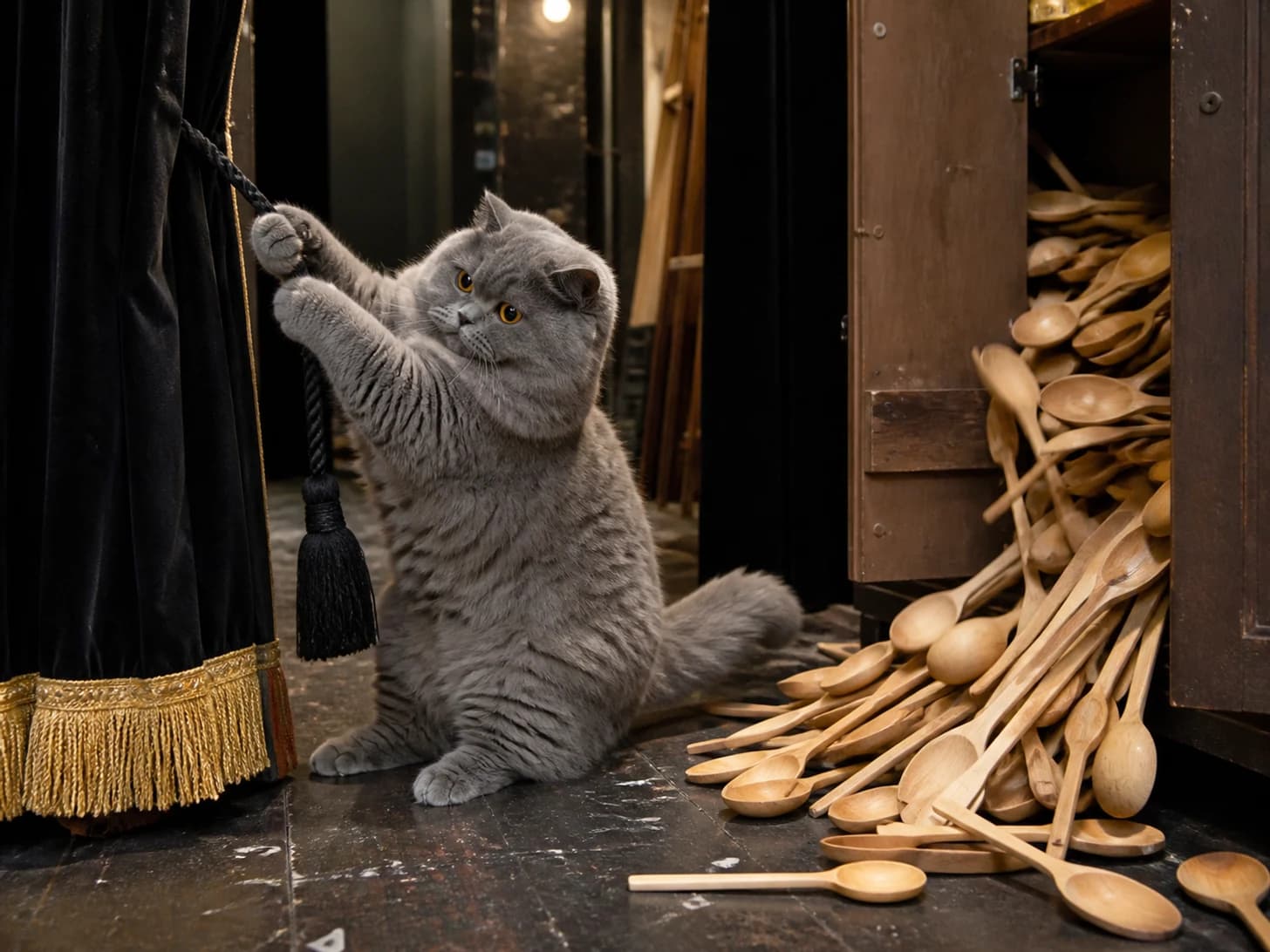
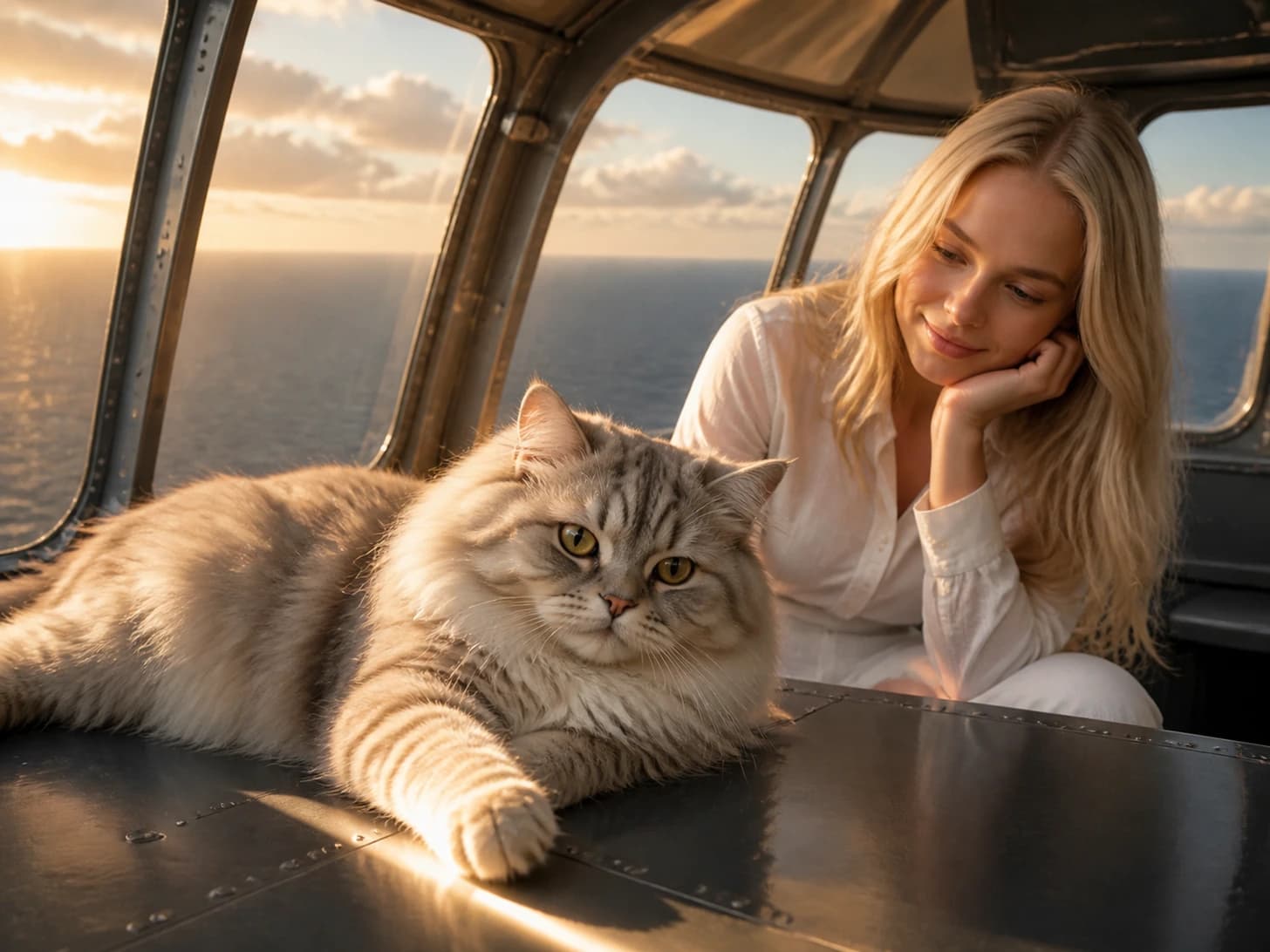
2 british longhair photos, newest first

Living with a british longhair
Ask for the PKD DNA test and for cardiac screening. Polycystic kidney disease came in with the Persian outcrossing and is testable; hypertrophic cardiomyopathy is common in British lines and requires an echocardiogram.
The dense undercoat mats close to the skin, which is easy to miss under all that plush. Brush several times a week and check right down to the skin behind the ears, in the armpits and on the britches.
They are sedentary and gain weight very easily. Obesity is probably the single most common health problem in the breed and it drives diabetes and arthritis.
Most dislike being held. They are affectionate on their own terms, sitting near you rather than on you, and forcing it makes them wary.
Annual checks with kidney values and a heart listen; twice yearly past ten.
General guidance, not veterinary advice. Individual cats vary, and anything about a specific animal is a question for a vet who has seen it.
Worth reading alongside this
More cats by breed
Every cat breed somebody has posted a photo of.