Korat
The Korat is an ancient Thai breed, described in the Tamra Maew treatise and traditionally never sold but given in pairs as a gift of good fortune.
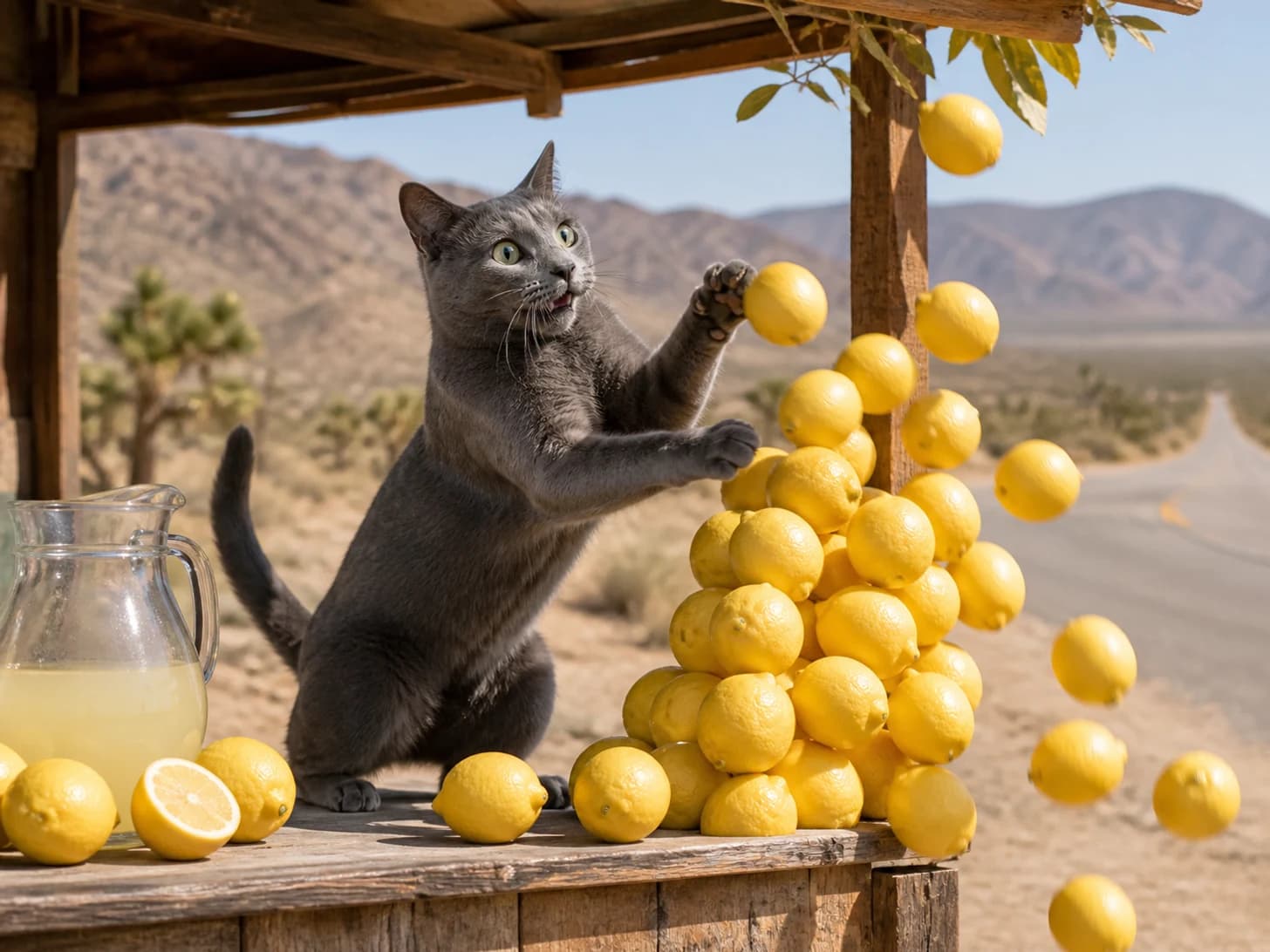
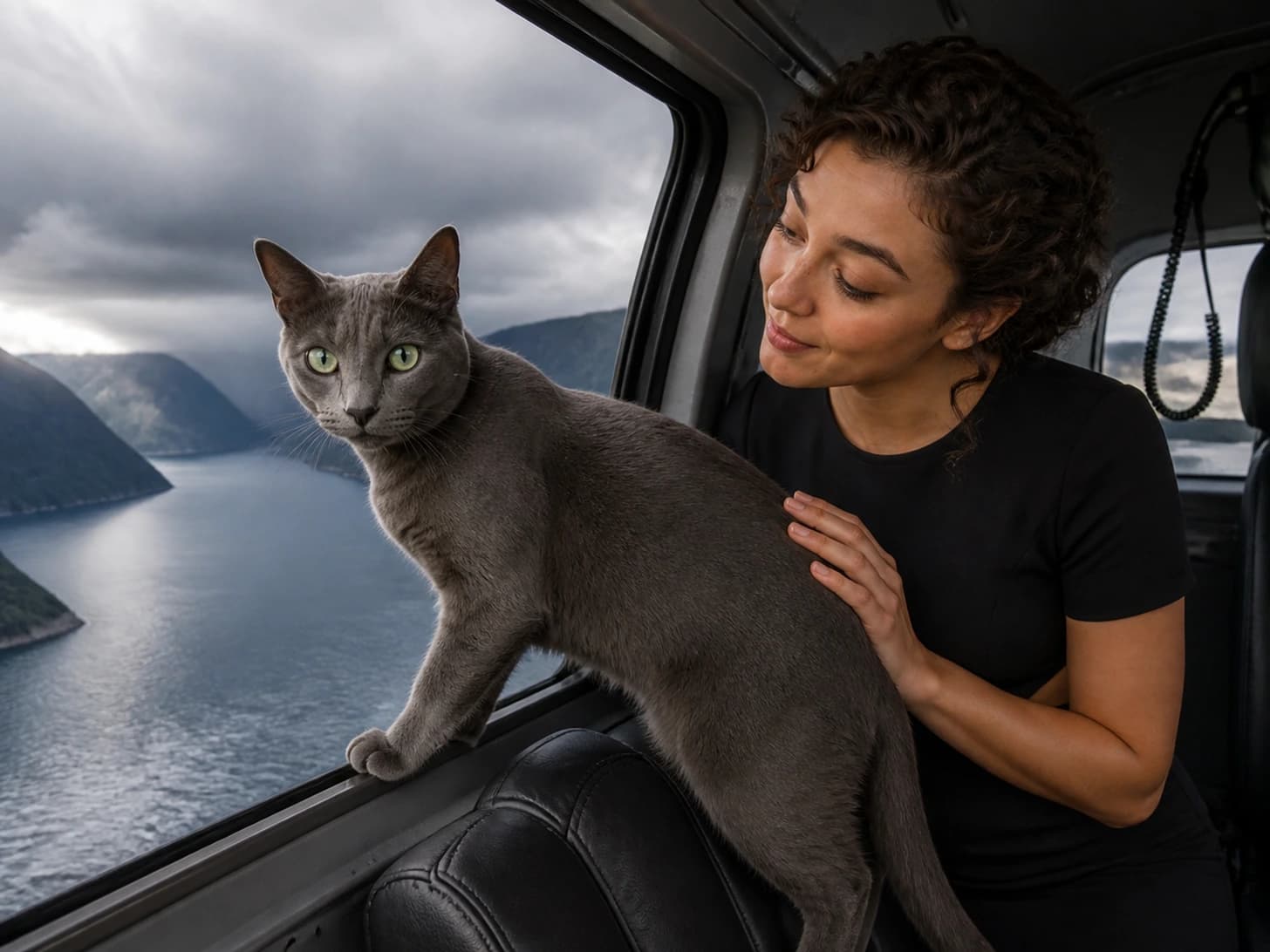
It is always solid silver-blue, each hair tipped with silver, with a heart-shaped face and large luminous green eyes that take up to four years to reach their full colour.
It weighs 2.5 to 4.5 kilograms, is compact and surprisingly heavy, and lives fifteen years or more. Temperament is affectionate and strongly bonded to a small number of people, with a dislike of loud noise and sudden change. Two fatal inherited diseases occur in the breed, and both have definitive DNA tests — which makes them entirely avoidable and makes testing the central question for any buyer.
- Origin
- Thailand; documented for centuries
- Size
- 2.5–4.5 kg
- Lifespan
- 15–19 years
- Coat
- Always solid silver-blue, single-coated with silver tipping
- Eyes
- Luminous green; full colour takes up to four years
- Health
- GM1 and GM2 gangliosidosis — fatal, and both DNA testable
Related: Thai
2 korat photos, newest first
Living with a korat
Ask for the GM1 and GM2 gangliosidosis test results, in writing. These are lysosomal storage diseases: affected kittens develop normally at first, then deteriorate neurologically and die young. Both are recessive, so healthy carriers pass them on unseen, and both have had reliable DNA tests for years. No Korat should be bred untested, and no buyer should accept a verbal assurance.
The coat is single with almost no undercoat and needs only weekly grooming.
They are sensitive to noise and disruption and do best in a calm household. They bond intensely with their people and dislike being left.
They are heavier than they look; keep them lean.
Annual checks, twice yearly past ten, with attention to teeth and kidneys.
General guidance, not veterinary advice. Individual cats vary, and anything about a specific animal is a question for a vet who has seen it.
Worth reading alongside this
More cats by breed
Every cat breed somebody has posted a photo of.