Persian
The Persian reached Europe from Iran in the 1600s and was refined into its modern form largely by British and American breeders across the 19th and 20th centuries.
For most of that time it was the most popular pedigree cat in the world.
It is defined by the coat — long, dense and double, standing away from the body rather than lying flat — and by a broad, round head. Show breeding in the 20th century pushed the face progressively flatter, producing the extreme peke-faced type; many breeders now deliberately keep the older, more moderate doll-faced muzzle. Persians are calm, undemanding cats that prefer quiet, predictable households.
- Origin
- Iran, developed in Britain and America
- Size
- 3–5.5 kg
- Lifespan
- 12–17 years
- Coat
- Long, dense and double, standing off the body
- Temperament
- Placid, quiet, undemanding, indoor-inclined
- Grooming
- Daily, without exception
3 persian photos, newest first
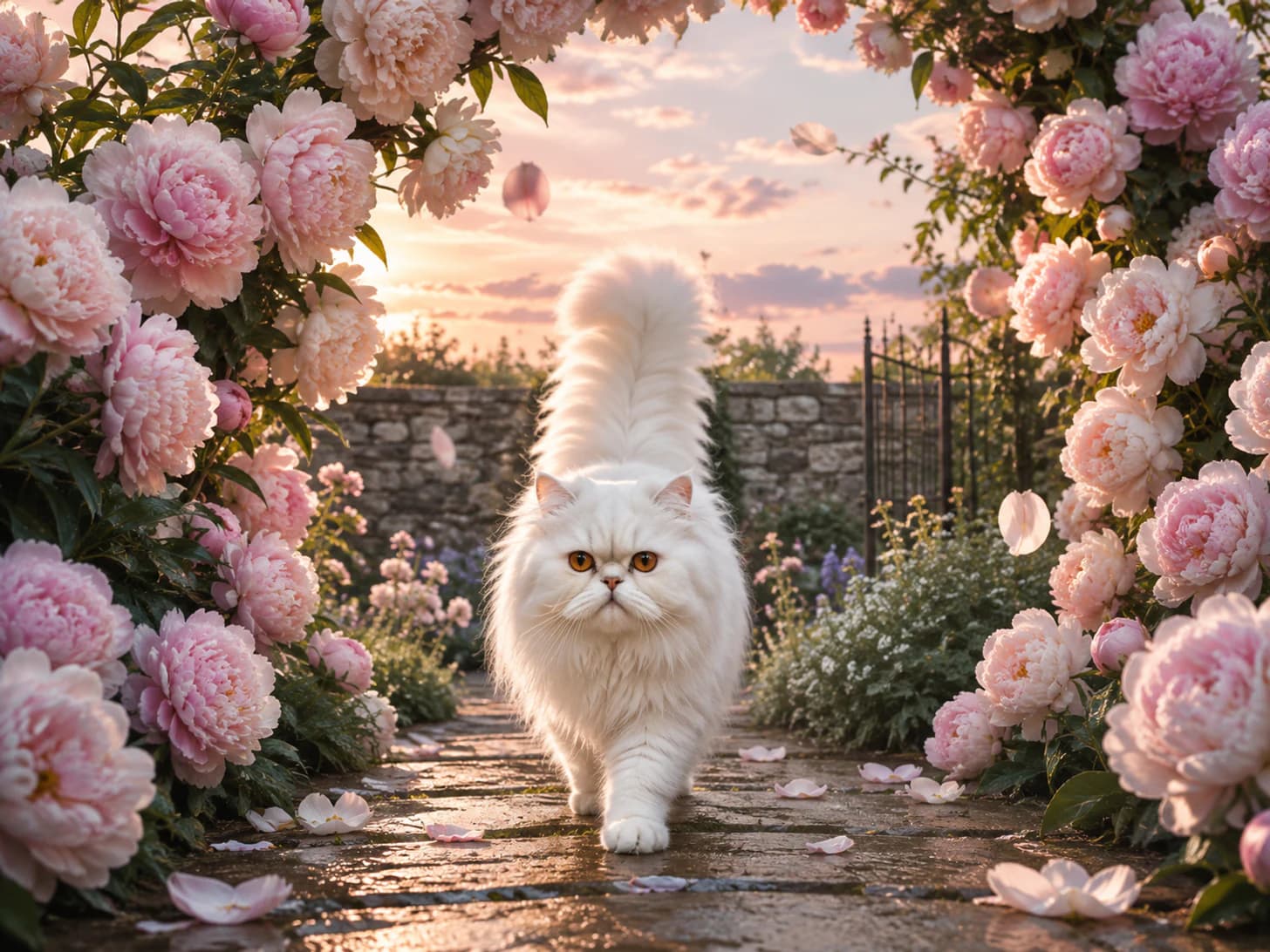
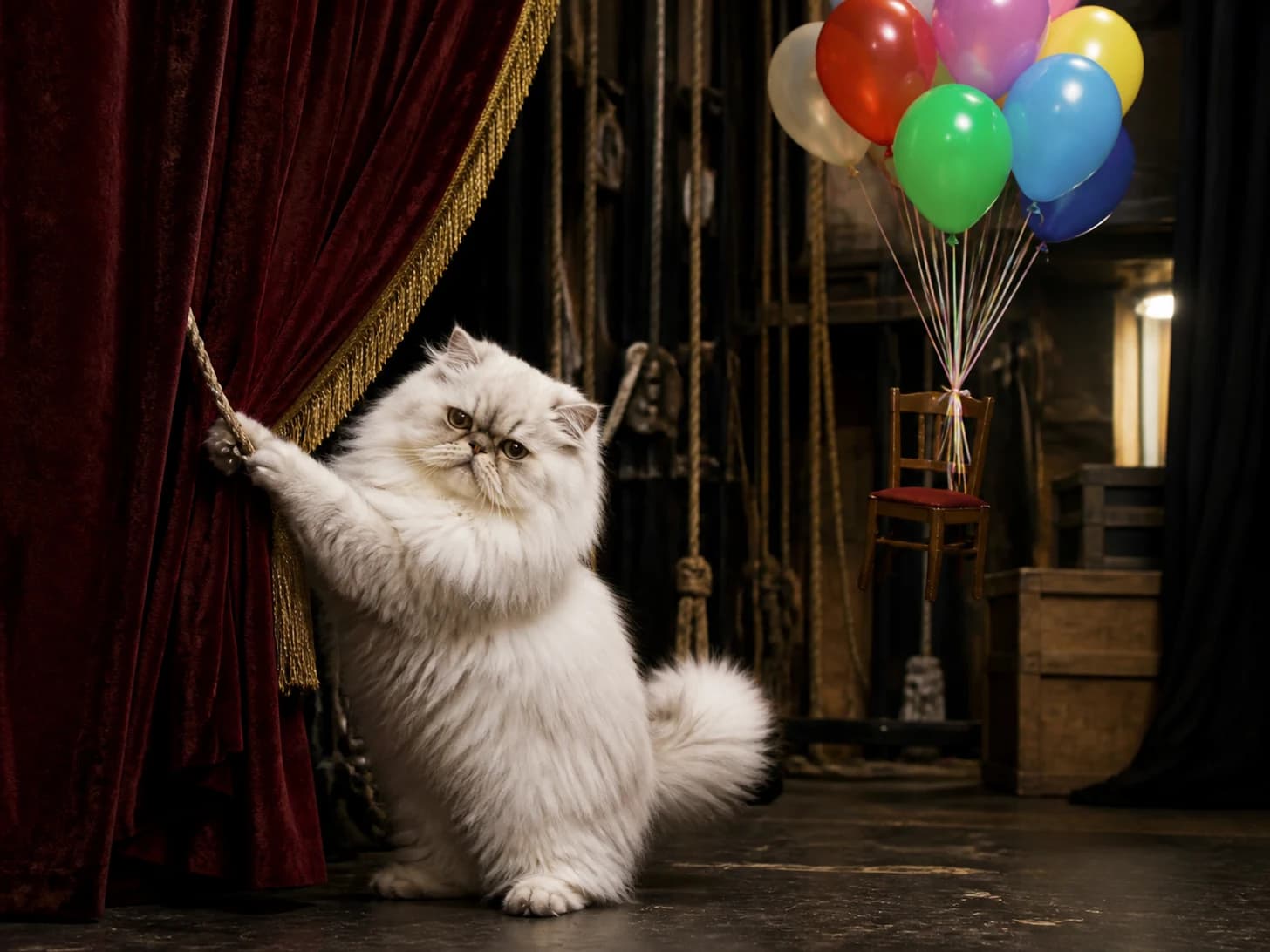

Living with a persian
The coat mats if it is not combed daily, and a matted Persian ends up sedated at a vet for clipping. This is the single largest commitment the breed asks for, and it is not negotiable.
Flat-faced lines need their eyes wiped most days, because shortened tear ducts overflow and stain, and the flatter the face the more likely the breathing is compromised. A moderate muzzle avoids much of this.
Polycystic kidney disease is the major inherited risk and has a reliable DNA test; ask to see the result rather than a general assurance. Progressive retinal atrophy also appears in some lines.
General guidance, not veterinary advice. Individual cats vary, and anything about a specific animal is a question for a vet who has seen it.
Worth reading alongside this
More cats by breed
Every cat breed somebody has posted a photo of.