Domestic shorthair
The domestic shorthair is not a breed.
It is the ordinary cat — no pedigree, no closed studbook, no breed standard — and it is what the overwhelming majority of cats in the world are. In shelters it is the label given to any short-coated cat of unknown ancestry, which is most of them.
Because there is no standard, there is no type: domestic shorthairs come in every colour and pattern, weigh anywhere from 3 to 6 kilograms, and vary in temperament as much as cats do generally. What they share is a wide, unmanaged gene pool, and that is their great practical advantage — they are, as a population, markedly healthier and longer-lived than the pedigree breeds built from small founding groups.
- Origin
- Everywhere — the ordinary domestic cat
- Size
- 3–6 kg
- Lifespan
- 12–20 years
- Coat
- Short, in any colour or pattern
- Temperament
- Varies entirely by individual, not by type
- Health
- Broad gene pool; no inherited breed conditions
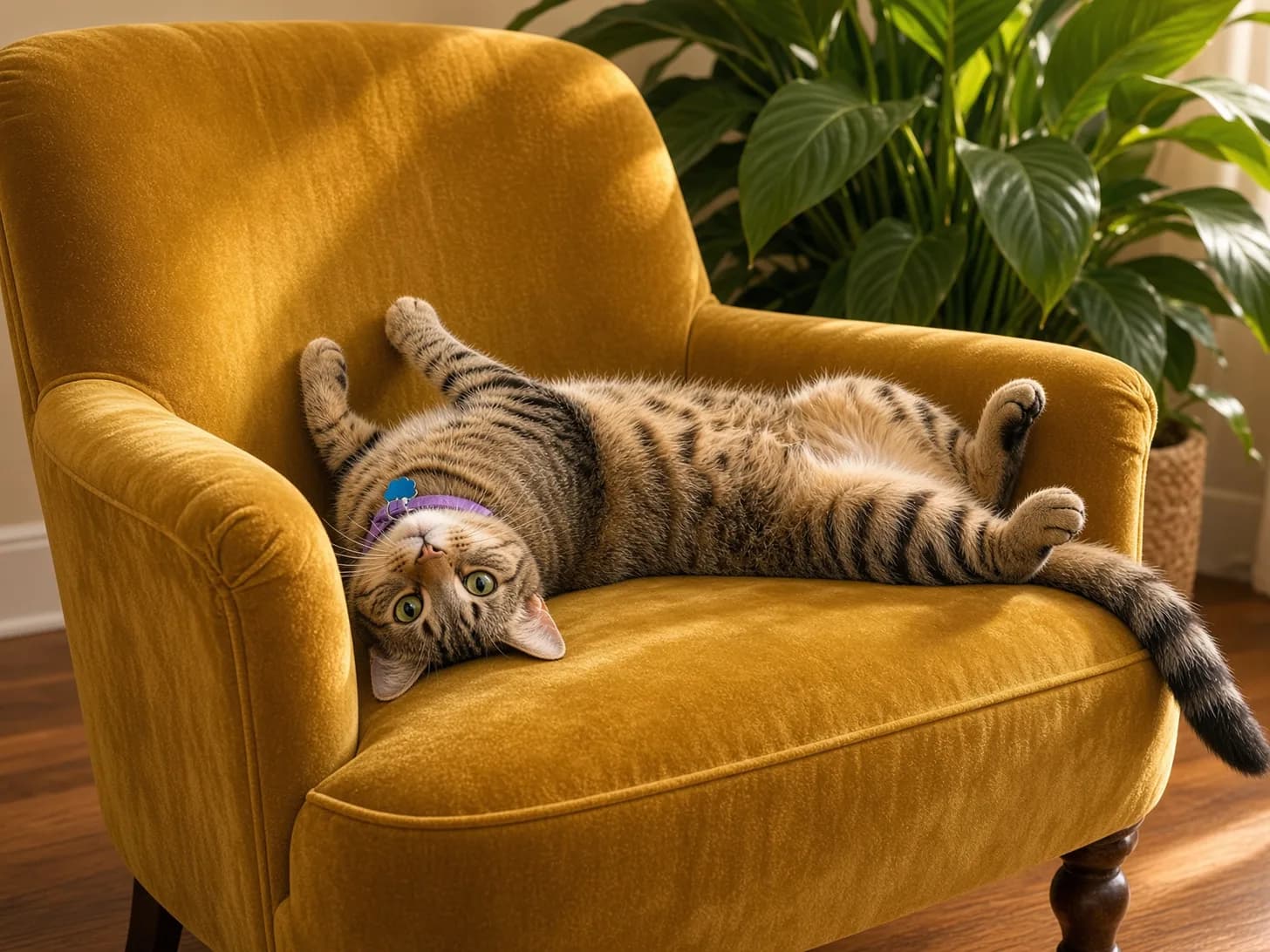
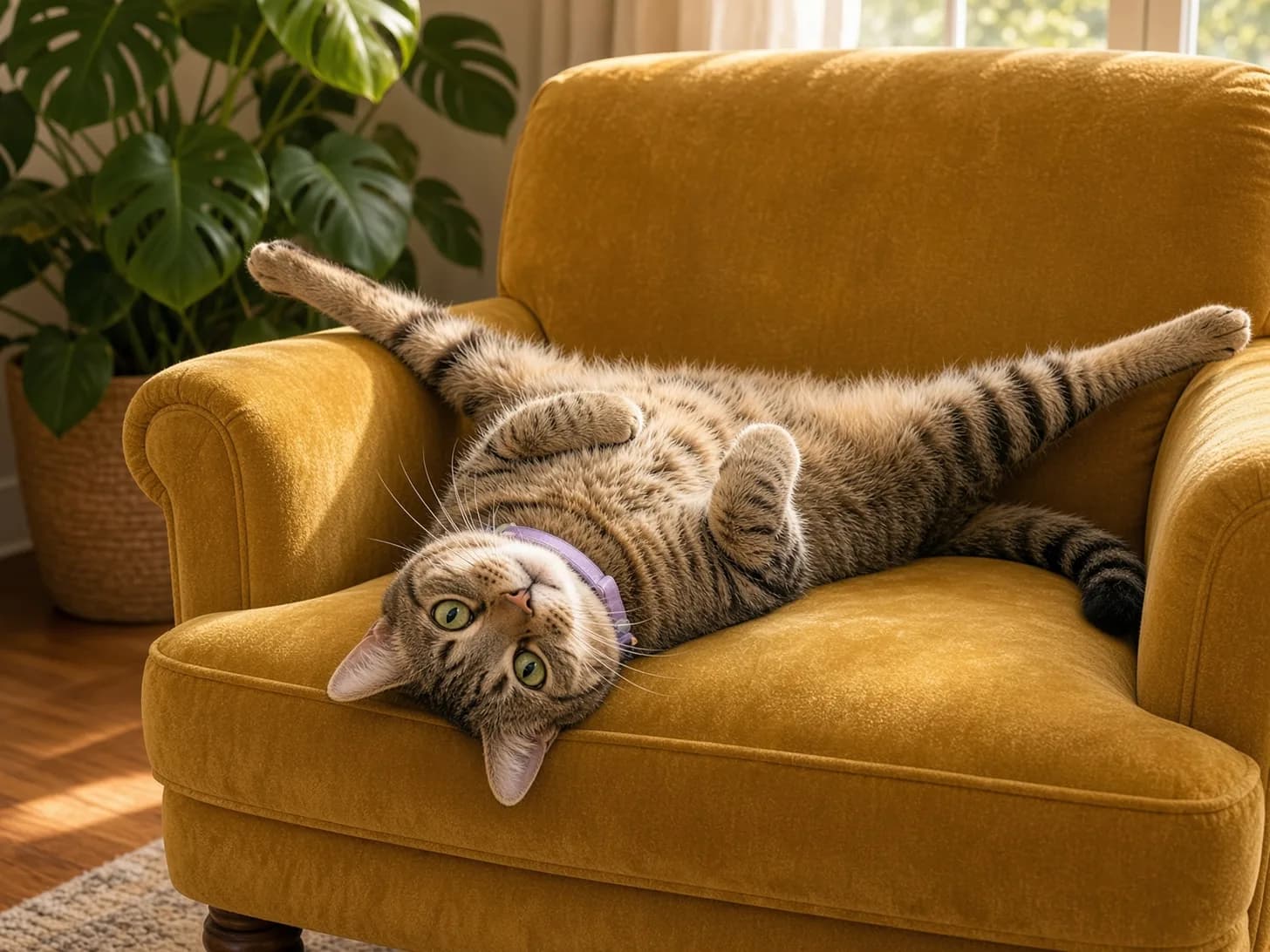
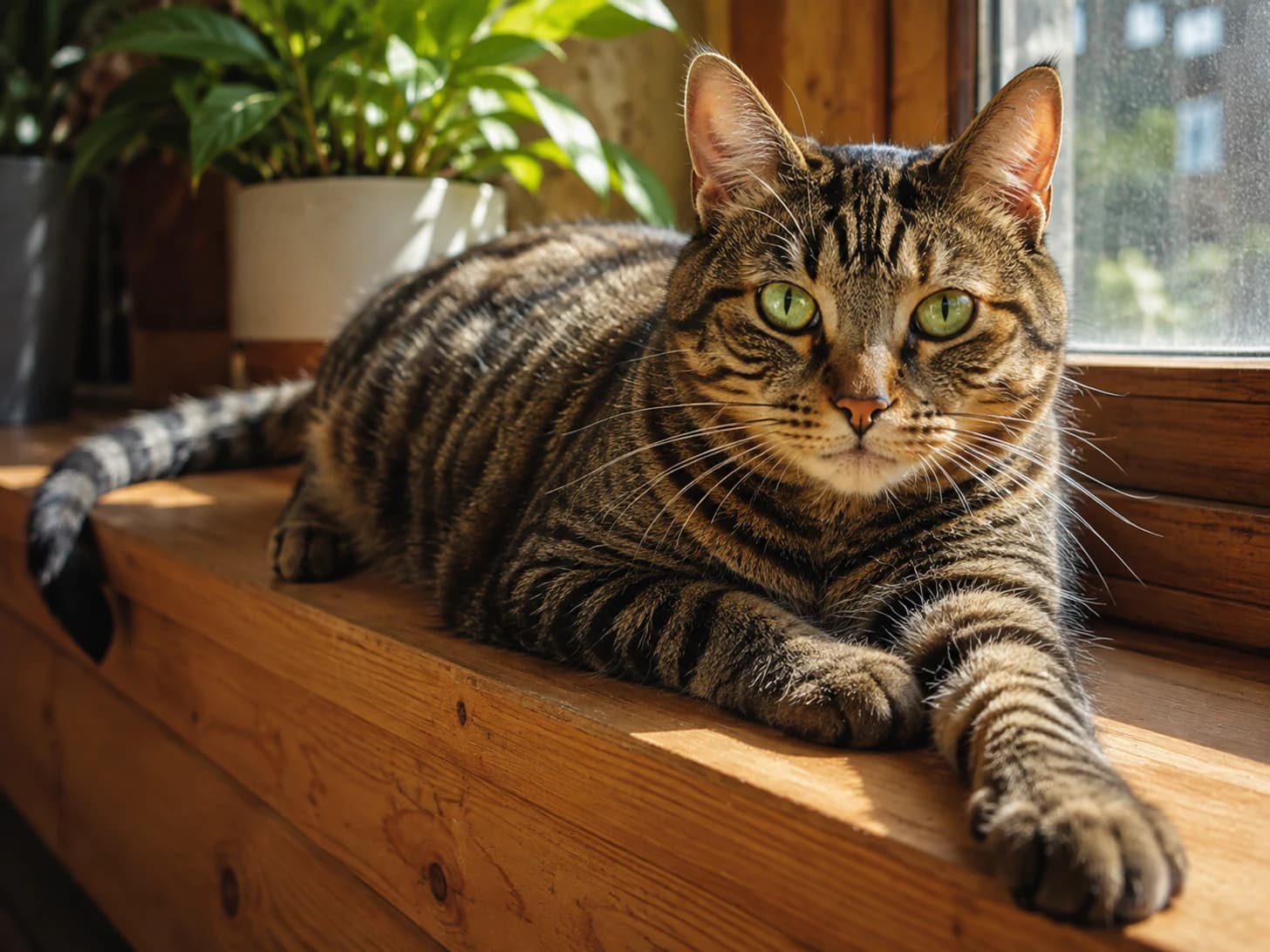
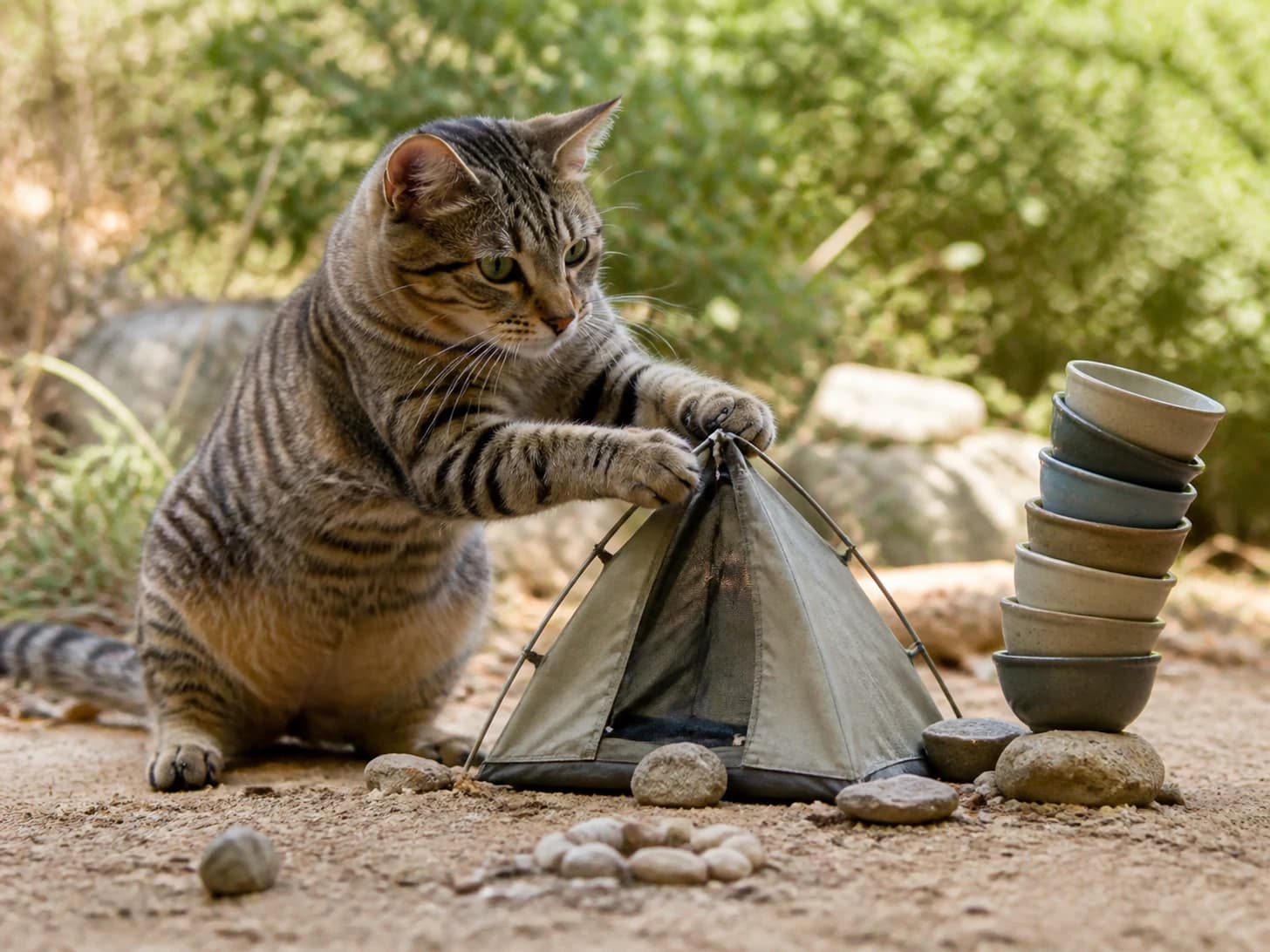
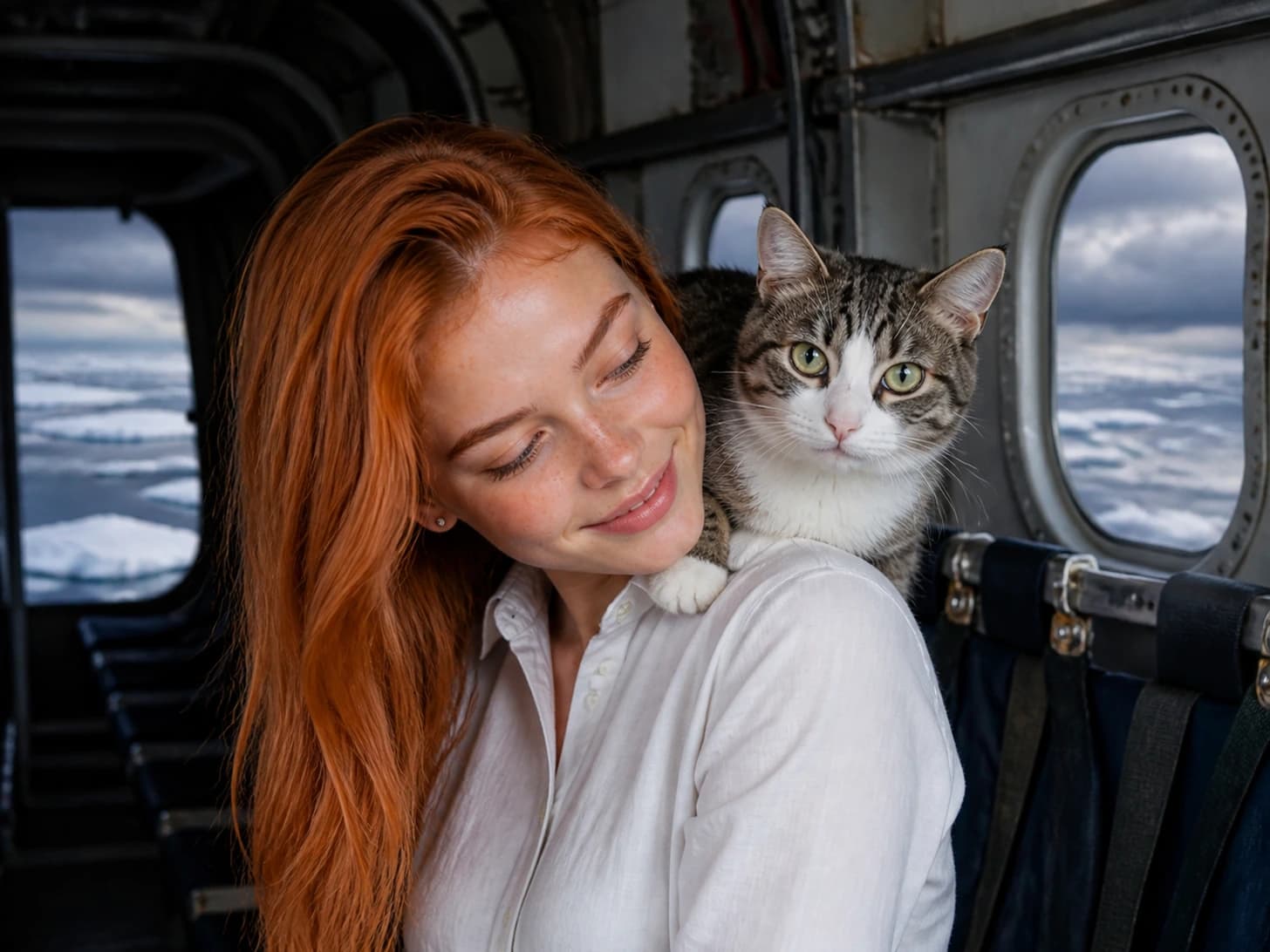
11 domestic shorthair photos of 5 cats, newest first
Living with a domestic shorthair
Judge the individual cat. With no breed standard behind it, nothing about a domestic shorthair's appearance predicts its temperament — meet the cat, and ask the shelter or fosterer what it is actually like with people, children and other animals.
The genetic diversity is a real health advantage, but it is not immunity. Domestic shorthairs still get chronic kidney disease, hyperthyroidism, dental disease and diabetes, and those are the four things that account for most veterinary care in older cats.
Neuter, vaccinate and microchip. Unneutered free-roaming cats are the reason shelters are full.
Indoor, outdoor with a secure catio, or supervised access are all defensible; what matters is that an outdoor cat is a hunter and a road risk, and both should be a deliberate decision.
Annual vet checks, twice yearly past about ten, catch kidney and thyroid disease early enough to manage well.
General guidance, not veterinary advice. Individual cats vary, and anything about a specific animal is a question for a vet who has seen it.
Worth reading alongside this
More cats by breed
Every cat breed somebody has posted a photo of.