Nebelung
The Nebelung is essentially a long-coated Russian Blue, developed in the United States from the 1980s after a blue long-haired kitten named Siegfried was born to a black domestic shorthair and a Russian Blue-type male.
The name comes from the German for creature of the mist, for the way the silver-tipped blue coat catches light.
It weighs 3 to 5 kilograms, is long-bodied and elegant, with a semi-long double coat in solid blue tipped with silver, and vivid green eyes. Temperament is the Russian Blue's and is worth taking seriously before buying: Nebelungs are gentle and devoted to their own people, and genuinely shy with strangers, disruption and noise.
- Origin
- United States, from the 1980s; the longhaired Russian Blue
- Size
- 3–5 kg
- Lifespan
- 13–18 years
- Coat
- Semi-long double coat, blue with silver tipping
- Temperament
- Devoted to its own people; genuinely shy with strangers
- Health
- Robust; no widespread breed-specific conditions
Related: Domestic shorthair · Russian blue
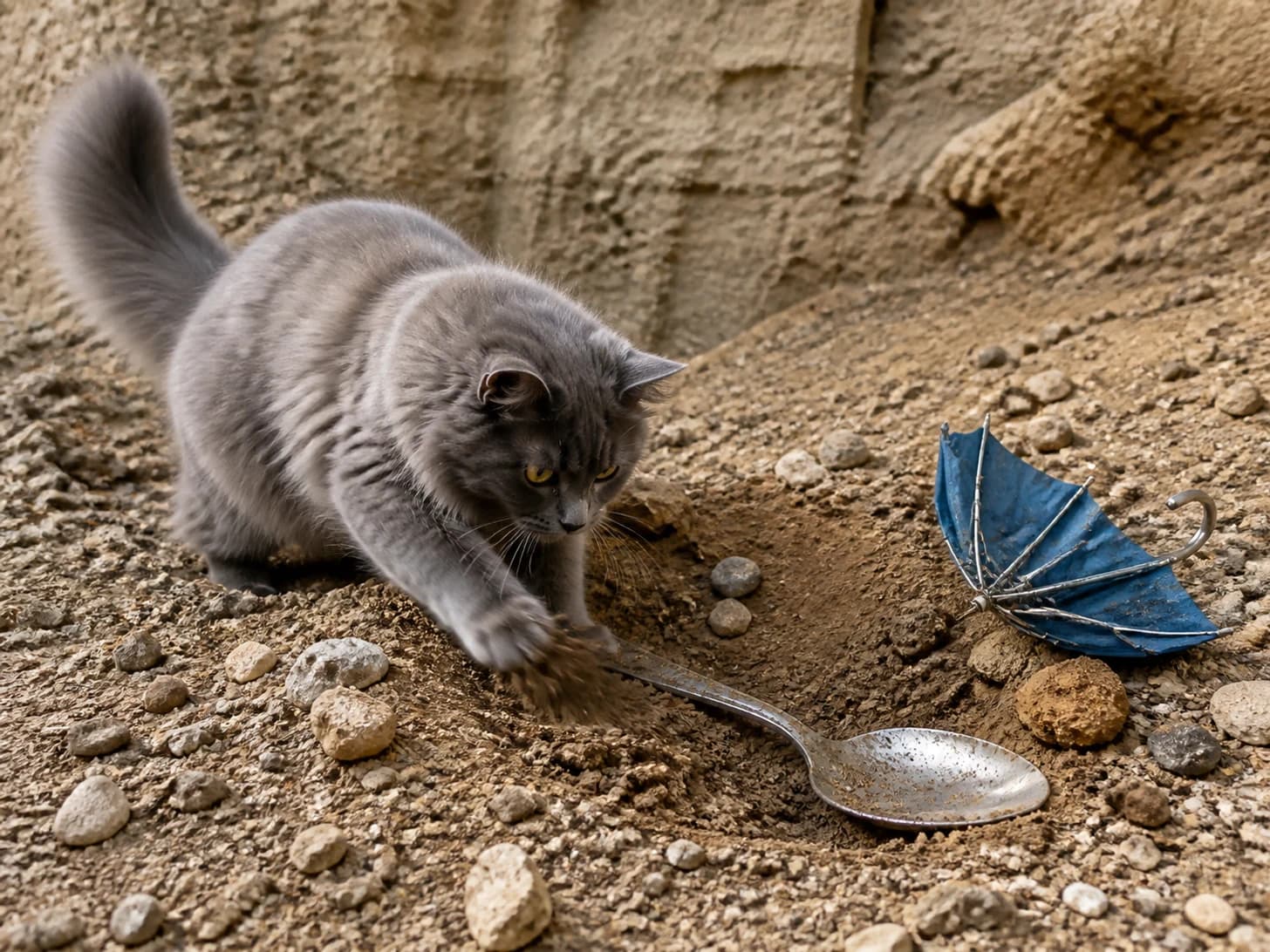
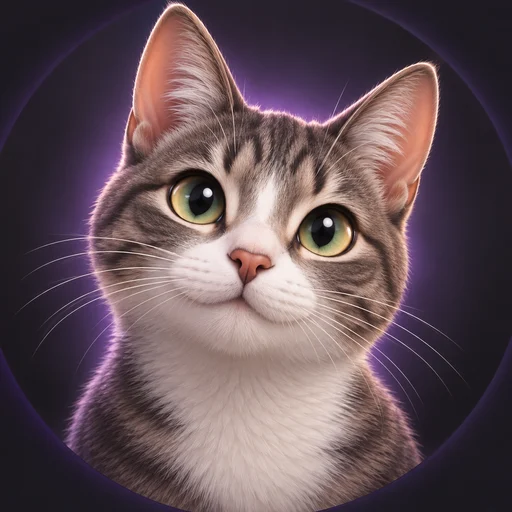
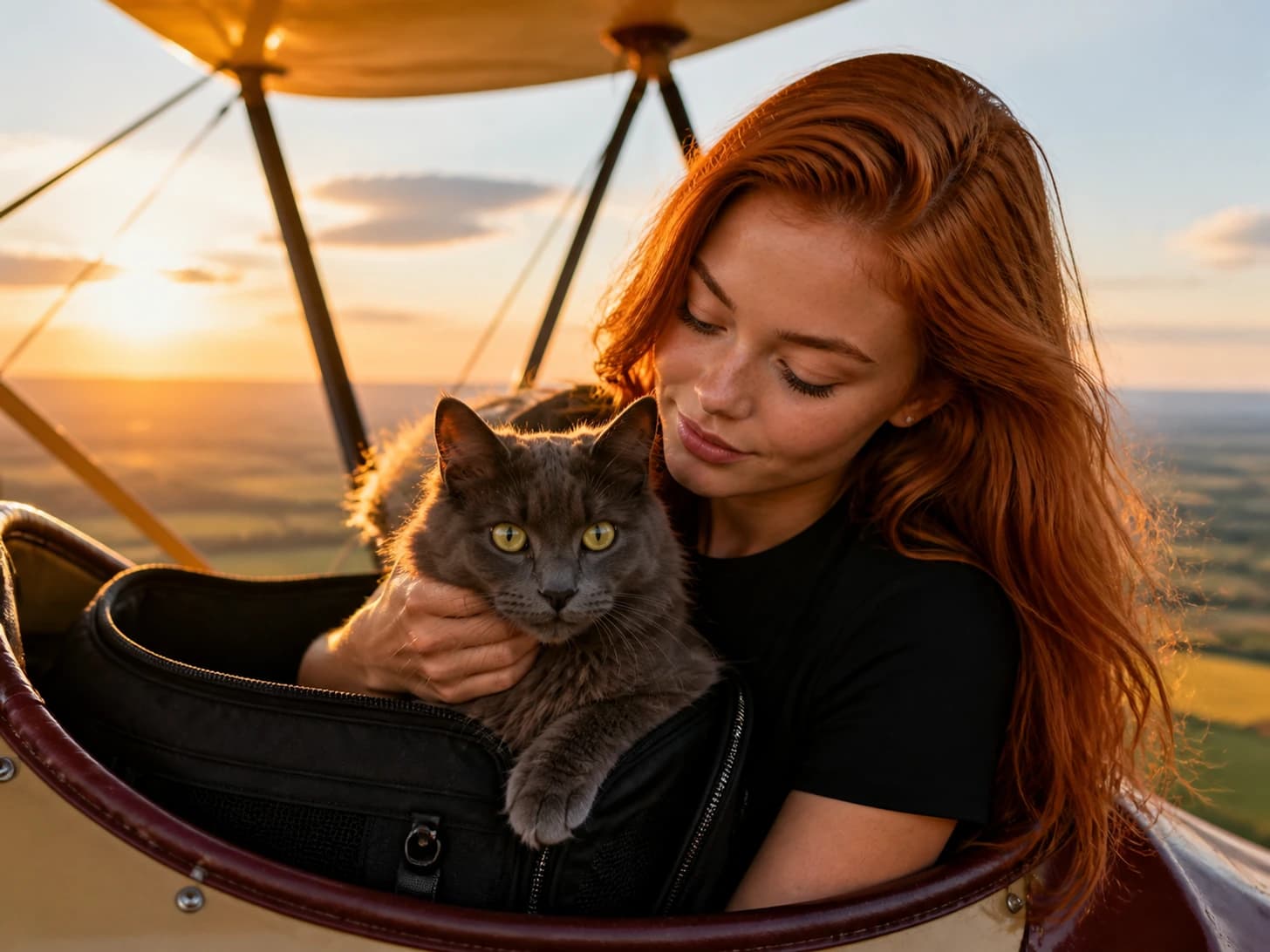
2 nebelung photos, newest first
Living with a nebelung
The shyness is real. Nebelungs hide from visitors, dislike household upheaval and take weeks to settle after a move. A busy, noisy home with a lot of coming and going is a poor match, and no amount of socialising fully changes it.
They bond very closely with one or two people and want routine — feeding at the same times, furniture in the same places.
The double coat needs brushing twice a week and more during the moult.
Health is generally good, with no widespread inherited condition, which is unusual and worth noting.
They are prone to weight gain in a quiet indoor life. Measured feeding and daily play, which they will engage in readily with their own people even while ignoring guests.
General guidance, not veterinary advice. Individual cats vary, and anything about a specific animal is a question for a vet who has seen it.
Worth reading alongside this
More cats by breed
Every cat breed somebody has posted a photo of.