Serengeti
The Serengeti was developed in California from 1994 by conservation biologist Karen Sausman, crossing Bengals with Oriental Shorthairs.
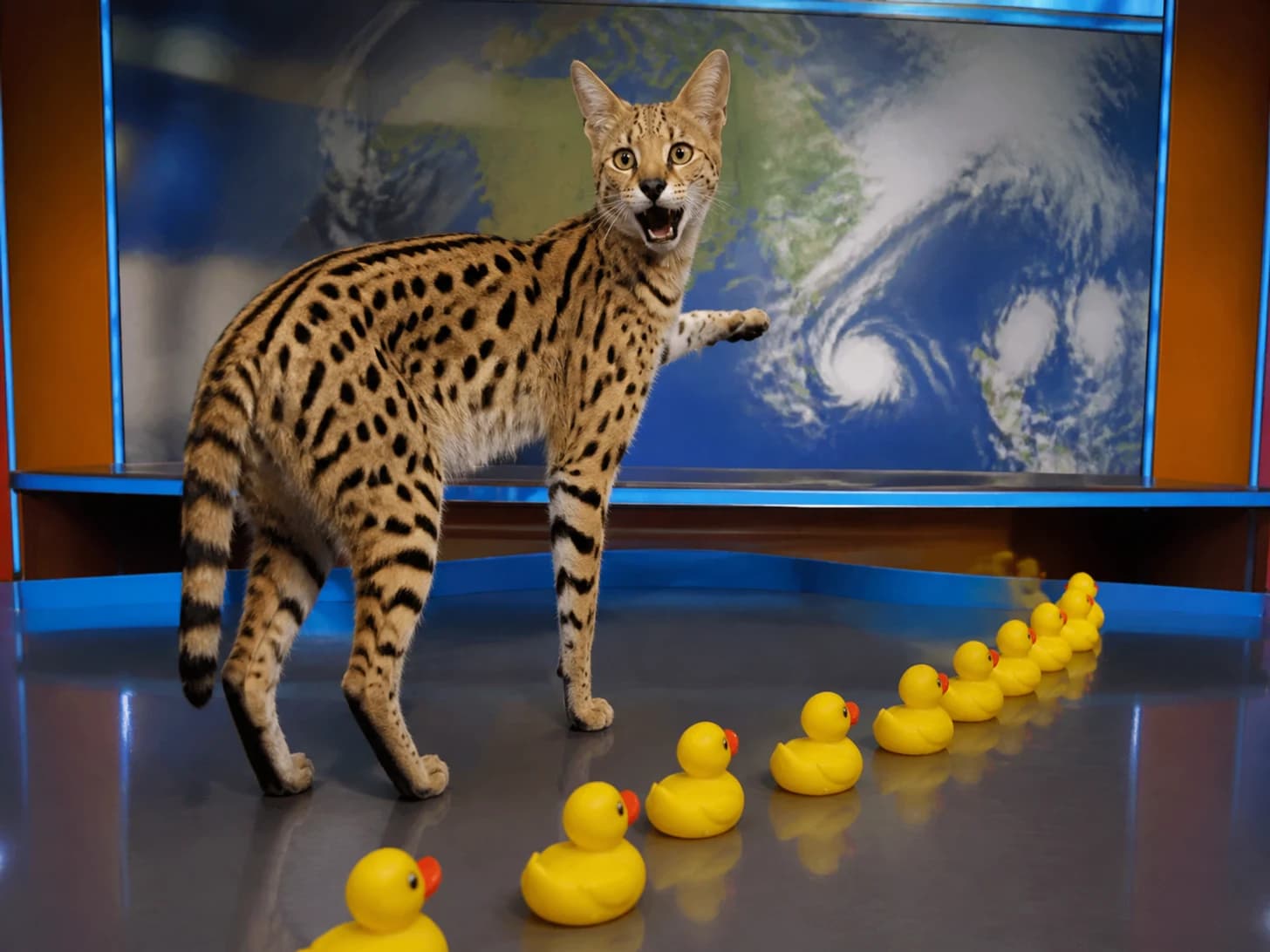
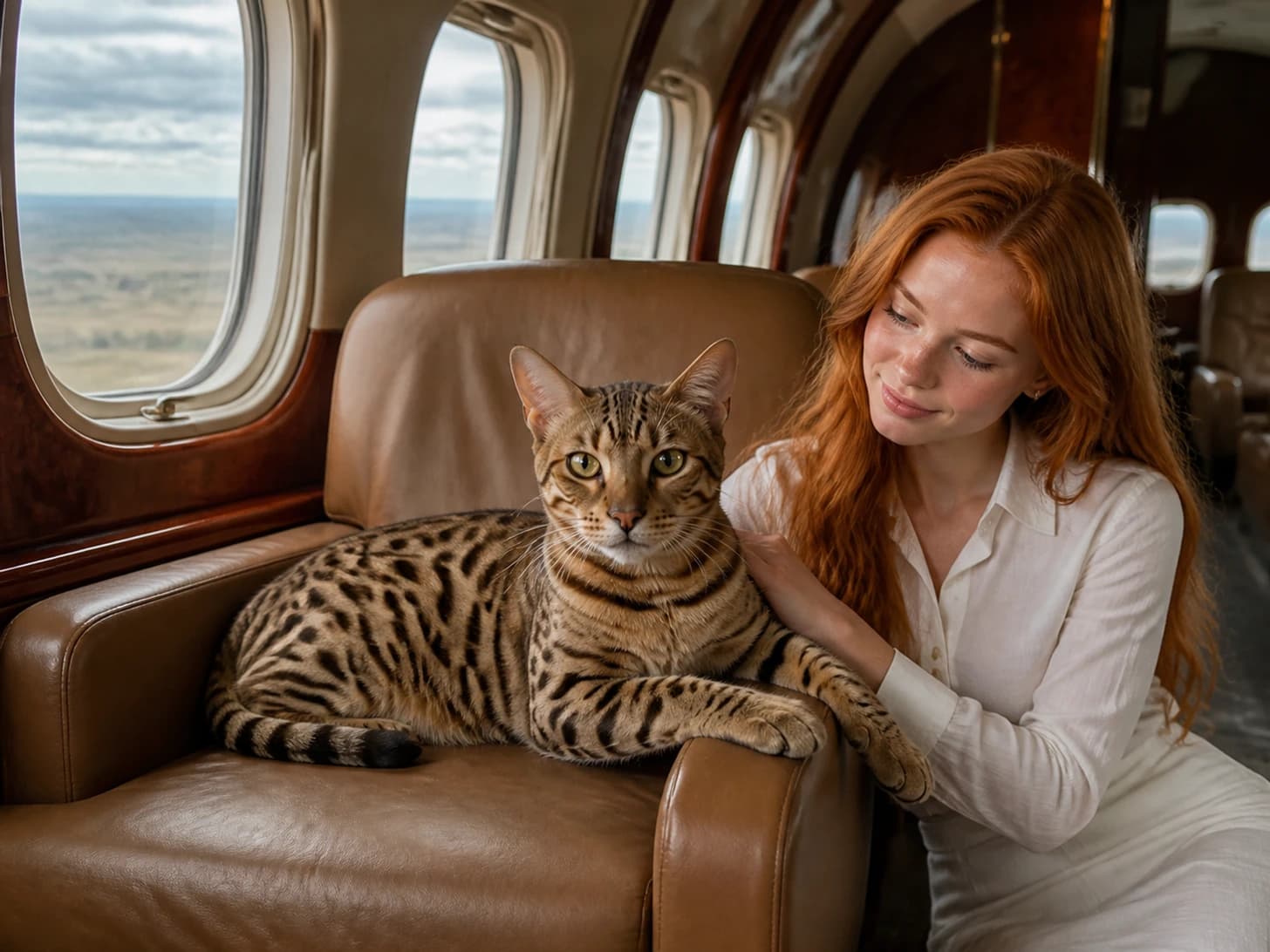
The aim was a domestic cat resembling a serval — long legs, very large upright ears, a spotted coat — without using any serval in the breeding.
It weighs 3.5 to 7 kilograms, is tall and long-limbed with a lean muscular build. There is no wild ancestry beyond what the Bengal already carries several generations back, so it is a domestic cat and is legal everywhere. It is rare. Temperament is active, vocal and confident, drawing on the oriental side — this is a busy, talkative cat rather than a quiet ornamental one.
- Origin
- California, United States, from 1994
- Size
- 3.5–7 kg
- Lifespan
- 10–15 years
- Build
- Long legs and very large upright ears
- Ancestry
- Domestic — Bengal and Oriental Shorthair; no serval
- Health
- Bengal-line PRA-b and PK deficiency; HCM
Related: Bengal
2 serengeti photos, newest first
Living with a serengeti
No serval, no special legal status, no exotic diet. It is a domestic cat bred for a look.
Ask for the Bengal DNA panel — progressive retinal atrophy and pyruvate kinase deficiency — and about cardiac screening for hypertrophic cardiomyopathy.
They are athletic and jump exceptionally well. Give height, sturdy shelving and secure windows, and expect to find the cat on top of things.
The oriental temperament means vocal and social. They want company and conversation, and they do poorly alone all day.
Weekly brushing for the short coat. Large ears collect wax and want checking.
General guidance, not veterinary advice. Individual cats vary, and anything about a specific animal is a question for a vet who has seen it.
Worth reading alongside this
More cats by breed
Every cat breed somebody has posted a photo of.