Donskoy
The Donskoy, or Don Sphynx, was found in Rostov-on-Don, Russia, in 1987, when a kitten rescued from being tormented by children lost her coat as she matured.
It is a hairless breed, but genetically unrelated to the Canadian Sphynx: its hairlessness comes from a dominant gene, where the Sphynx's is recessive.
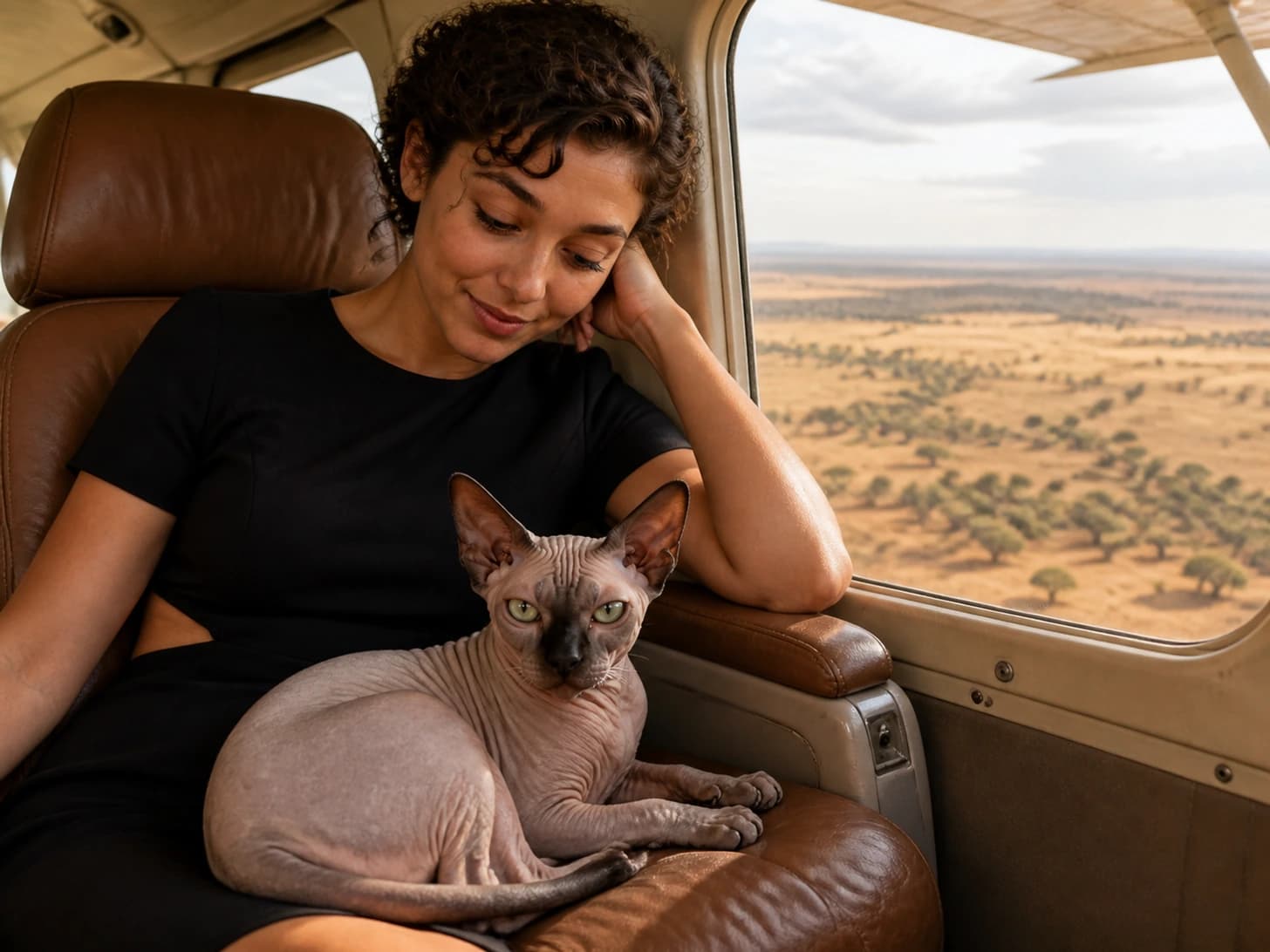
It weighs 3.5 to 5.5 kilograms, muscular with prominent cheekbones, large ears and heavily wrinkled skin, particularly around the head. Coat expression varies — some are born bald, some are born coated and lose it, and some keep a partial coat. The dominant inheritance means a Donskoy needs only one hairless parent, and it also means the breed is closely watched for the health implications of that gene.
- Origin
- Rostov-on-Don, Russia, 1987
- Size
- 3.5–5.5 kg
- Lifespan
- 12–15 years
- Coat
- Hairless or partially coated; heavily wrinkled skin
- Genetics
- Dominant — unlike the Sphynx's recessive gene
- Health
- Ectodermal dysplasia concerns, including dental problems
Related: Sphynx
2 donskoy photos, newest first

Living with a donskoy
The hairless gene here is associated with ectodermal dysplasia, which affects structures that develop from the same embryonic tissue as hair — notably teeth. Missing, malformed or early-lost teeth are reported in the breed, so dental checks from a young age matter more than usual, and a breeder should discuss it.
The skin needs weekly bathing. Without a coat, sebum accumulates in the wrinkles and around the nail beds, and skin infections follow if it is left.
They lose heat continually and eat more for it. A warm house, covered beds and no cold outdoors.
They sunburn easily. No unshaded sun.
Ears produce a great deal of wax without hair to hold it back, and want cleaning weekly.
General guidance, not veterinary advice. Individual cats vary, and anything about a specific animal is a question for a vet who has seen it.
Worth reading alongside this
More cats by breed
Every cat breed somebody has posted a photo of.