Pixiebob
The Pixiebob was developed in Washington State from 1985 by Carol Ann Brewer, who believed her foundation cats were bobcat hybrids.
Genetic testing has since found no bobcat DNA whatsoever — the Pixiebob is an entirely domestic cat, and the origin story is folklore rather than pedigree.
It weighs 4 to 8 kilograms, is heavily built with a short tail, a heavy brow and a wild appearance. It is the only breed whose standard permits polydactyly: extra toes, up to seven per foot, are accepted rather than faulted, which is unique in the cat fancy. Temperament is famously dog-like — Pixiebobs follow their owners, take to leads, and are notably tolerant.
- Origin
- Washington State, United States, from 1985
- Size
- 4–8 kg
- Lifespan
- 13–16 years
- Tail
- Short — typically 5–15 cm
- Feet
- Polydactyly permitted by the standard, up to seven toes
- Ancestry
- Entirely domestic; DNA testing found no bobcat
Related: Manx
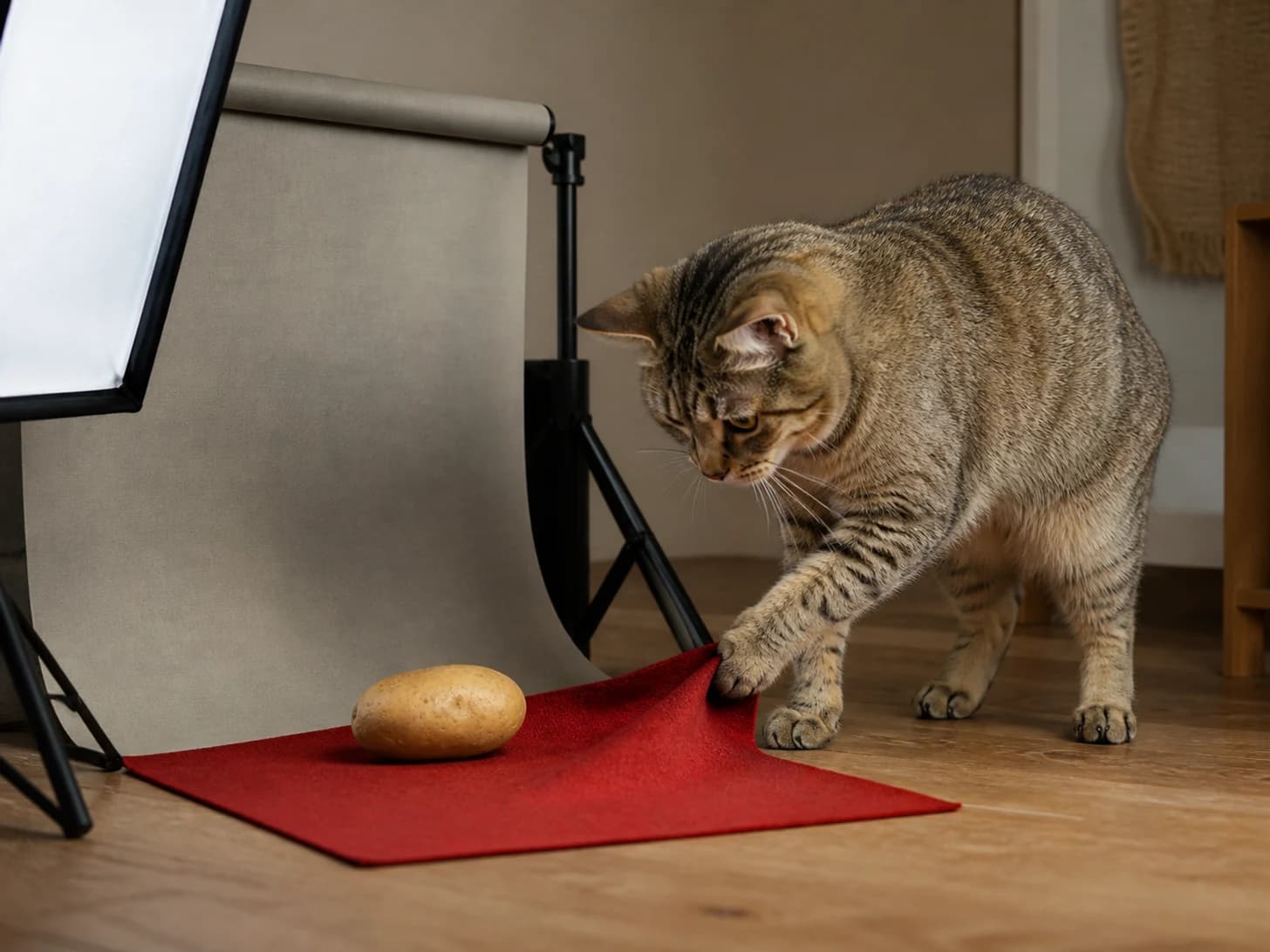
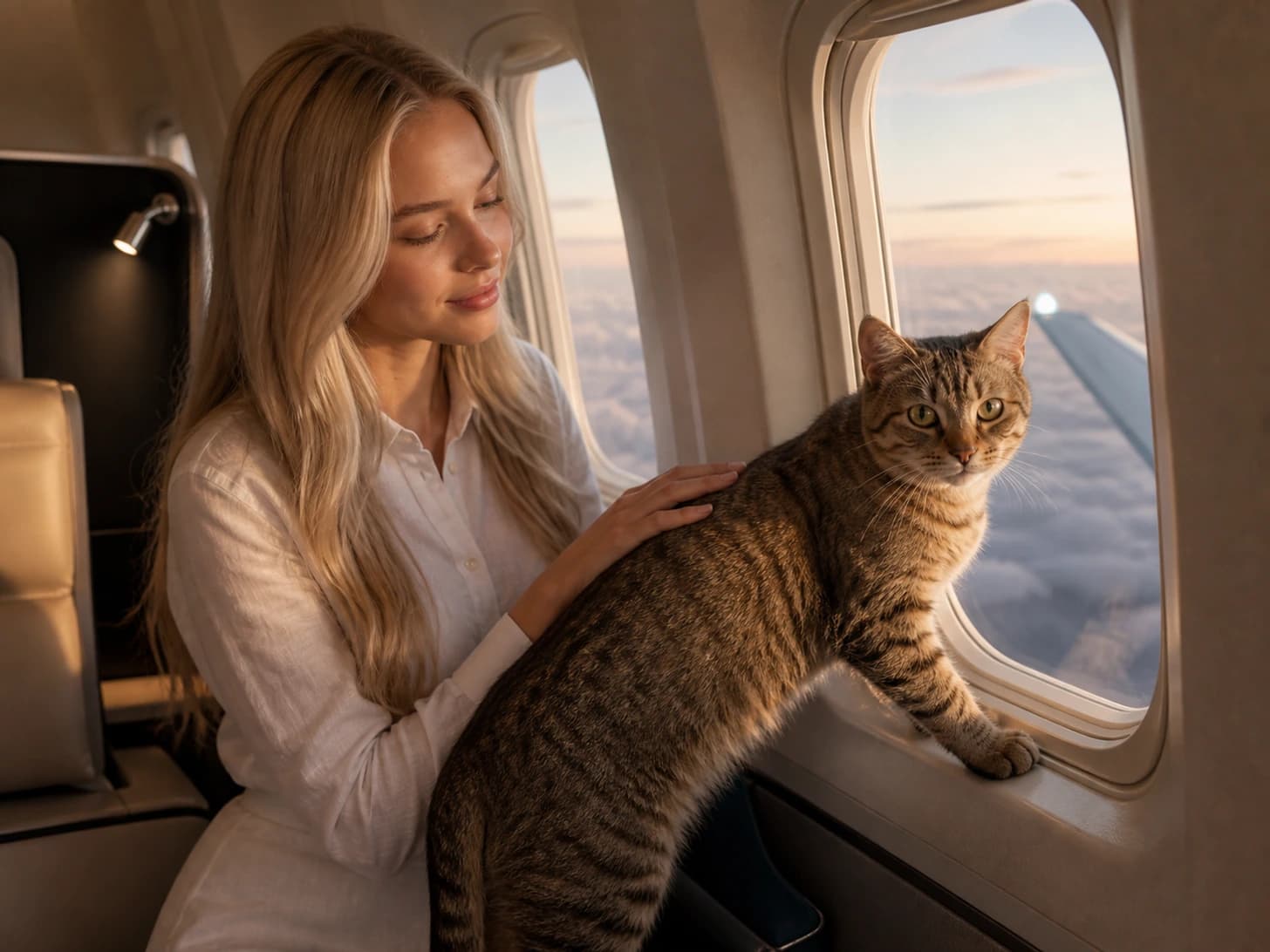
2 pixiebob photos, newest first
Living with a pixiebob
There is no bobcat in it. That matters practically: no exotic licensing applies, no special diet is needed, and any seller pricing one as a wild hybrid is selling a story.
Polydactyl feet need attention. Extra claws, particularly on the inner toes, often do not wear down and can grow into the pad. Check and clip every few weeks.
The short tail comes from a different mechanism than the Manx gene and is not associated with spinal disease, but ask the breeder about tail and spine health in their lines all the same.
They are sociable and lead-trainable, and they want involvement rather than solitude.
Brush weekly, more for the longhaired variety, and keep an eye on weight — they are heavy cats that gain easily.
General guidance, not veterinary advice. Individual cats vary, and anything about a specific animal is a question for a vet who has seen it.
Worth reading alongside this
More cats by breed
Every cat breed somebody has posted a photo of.