Manx
The Manx comes from the Isle of Man, where a spontaneous tailless mutation spread through an isolated island cat population.
Tail length varies from entirely absent — the rumpy — through a rise or stump to nearly full length, and all can occur in one litter.
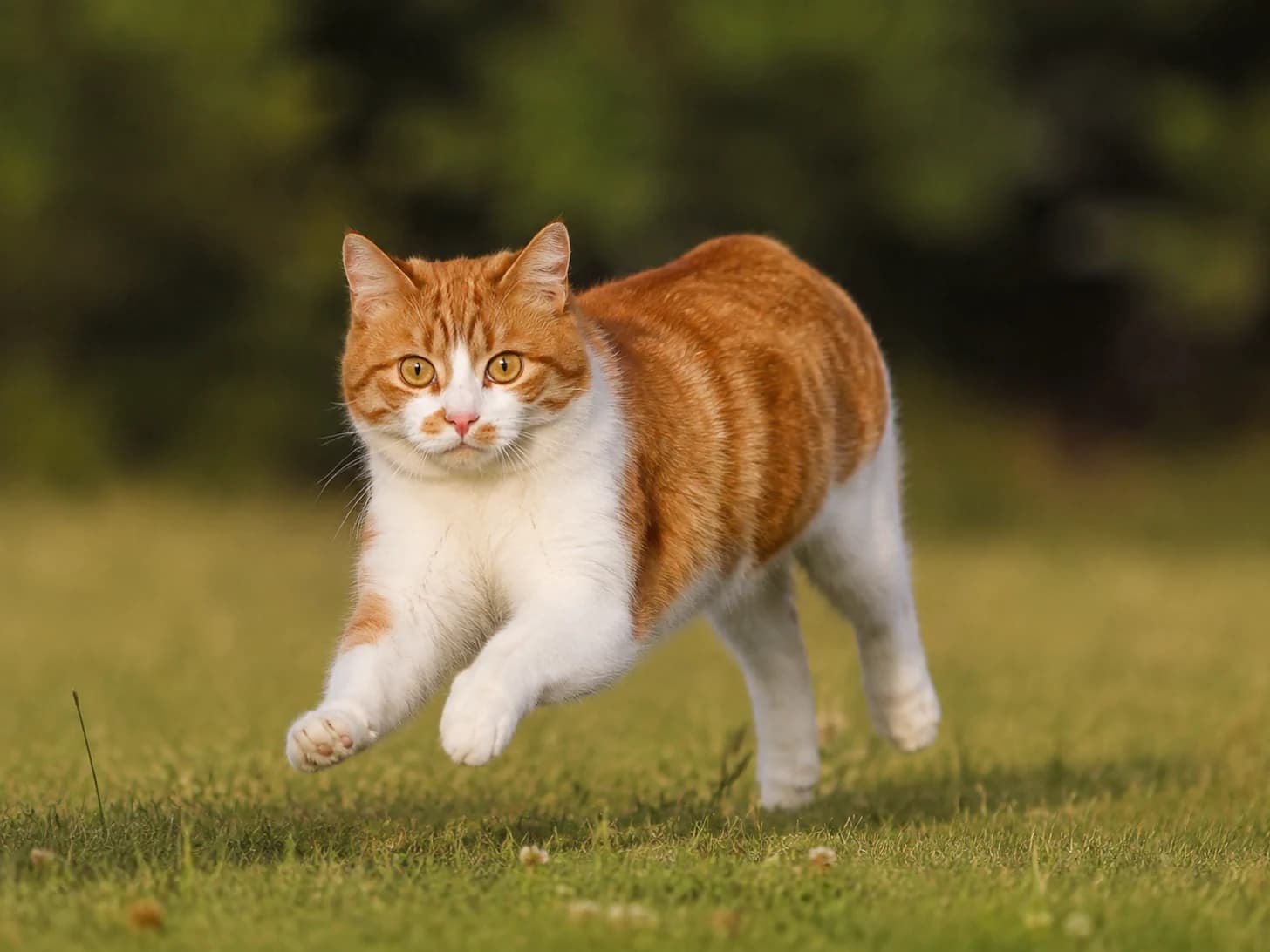
It is a round, solid cat with a broad chest, a deep flank and hind legs noticeably longer than the front, which gives a rabbity hopping gait. Manx are sociable, playful and often dog-like — many fetch, and many attach firmly to one person. The long-haired variety is called the Cymric.
- Origin
- Isle of Man
- Size
- 3.5–5.5 kg
- Lifespan
- 9–13 years
- Coat
- Short, dense double coat
- Temperament
- Sociable, playful, dog-like, strongly bonded
- Grooming
- Twice weekly
Related: Cymric
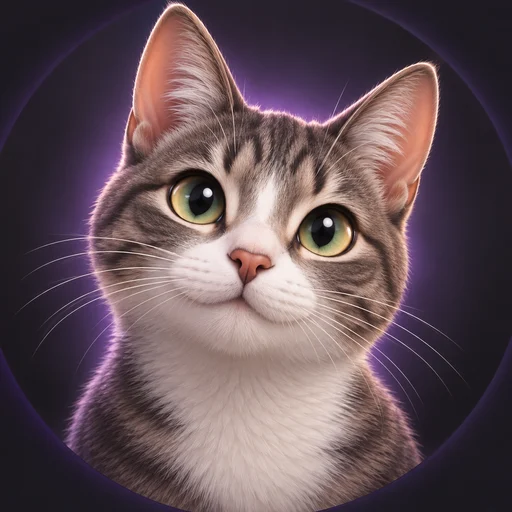
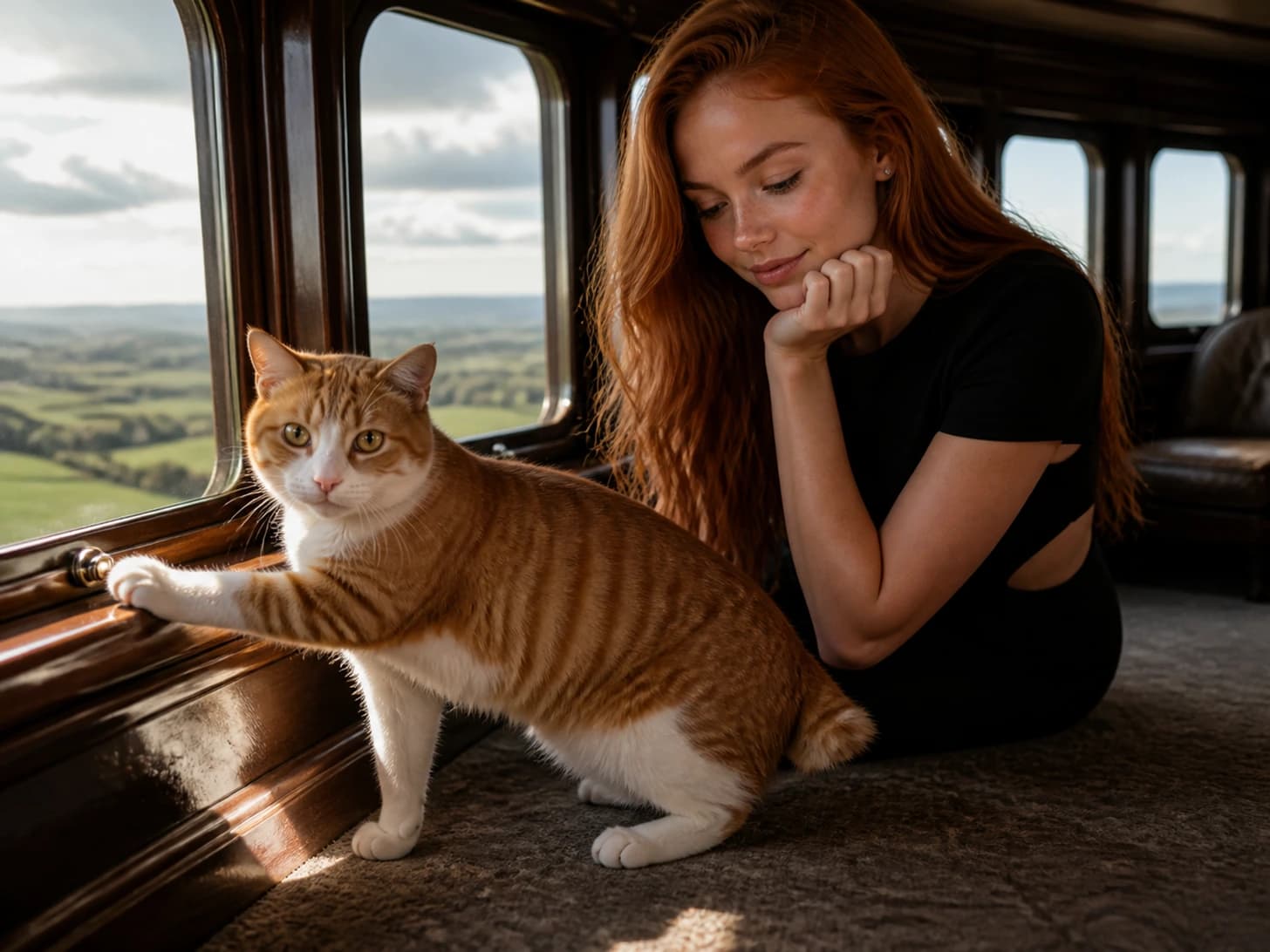
3 manx photos, newest first

Living with a manx
The double coat needs combing twice a week and more when it moults.
The tailless gene is the thing to understand. The same mutation that shortens the tail can affect the whole spine, producing Manx syndrome — spina bifida, and problems with bladder, bowel and hind-leg function — which usually shows in the first months of life. Two tailless cats are never bred together, because the combination is lethal in the womb.
A healthy Manx past kittenhood is generally sound. Check the rump area on rumpies, which can be sensitive, and watch for arthritis later in life.
General guidance, not veterinary advice. Individual cats vary, and anything about a specific animal is a question for a vet who has seen it.
Worth reading alongside this
More cats by breed
Every cat breed somebody has posted a photo of.