Ocicat
The Ocicat came from an accident.
In 1964 Virginia Daly was breeding Abyssinian to Siamese to produce an Abyssinian-pointed Siamese, and a spotted kitten appeared in the second generation. Her daughter said it looked like an ocelot, and the name stuck.
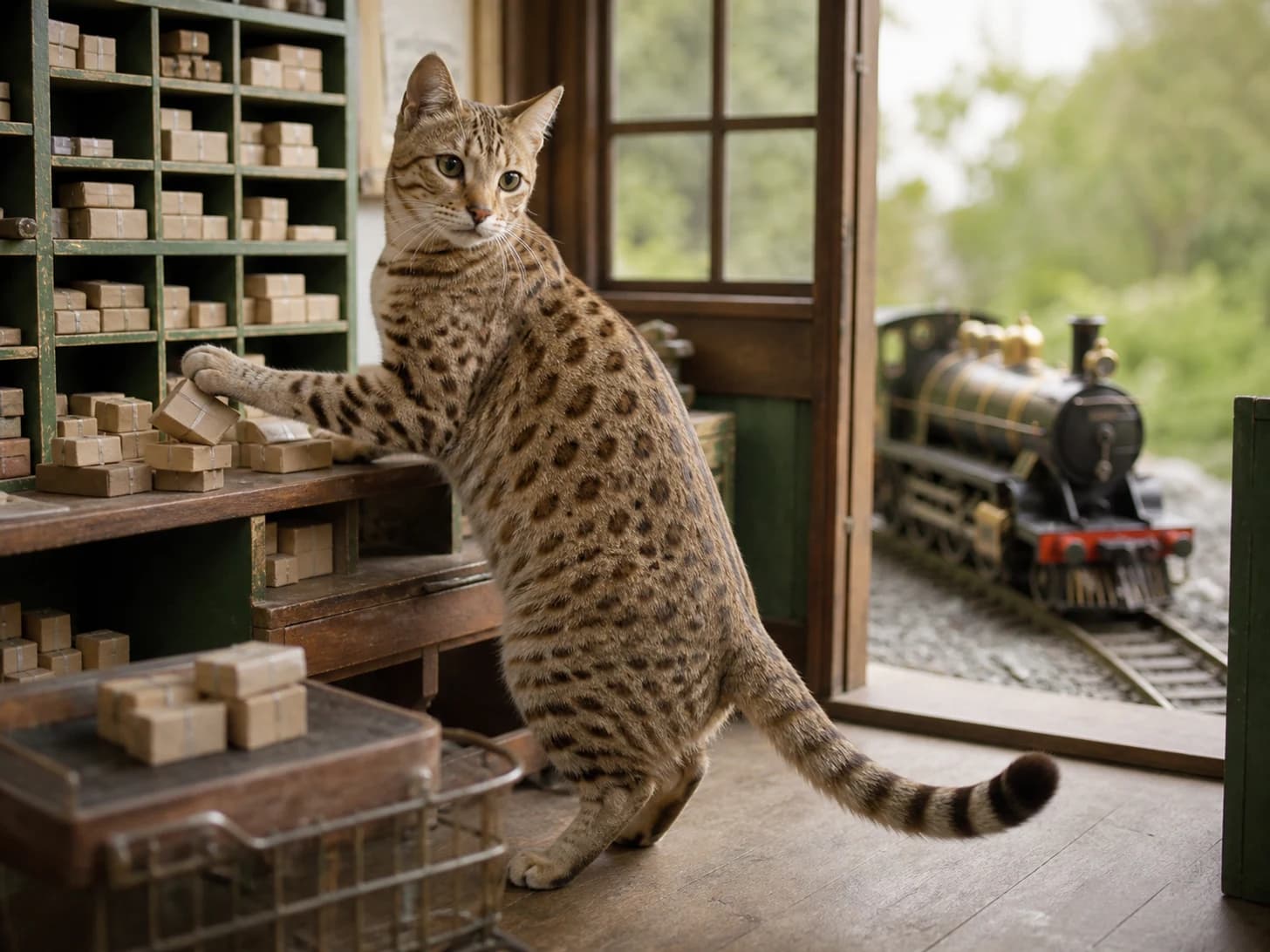
It weighs 2.5 to 6.5 kilograms, is solid and athletic, with a coat of thumbprint-shaped spots in a classic agouti pattern. Despite the ocelot resemblance there is no wild blood in it whatsoever — the foundation was Abyssinian, Siamese and American Shorthair. Temperament is emphatically domestic and very social: Ocicats are dog-like, greet visitors, learn tricks and dislike being alone.
- Origin
- United States, 1964, from an accidental Abyssinian × Siamese cross
- Size
- 2.5–6.5 kg
- Lifespan
- 12–18 years
- Coat
- Thumbprint spots on an agouti ground
- Ancestry
- Entirely domestic — Abyssinian, Siamese, American Shorthair
- Health
- Pyruvate kinase deficiency, PRA and renal amyloidosis
Related: Abyssinian · American shorthair · Siamese
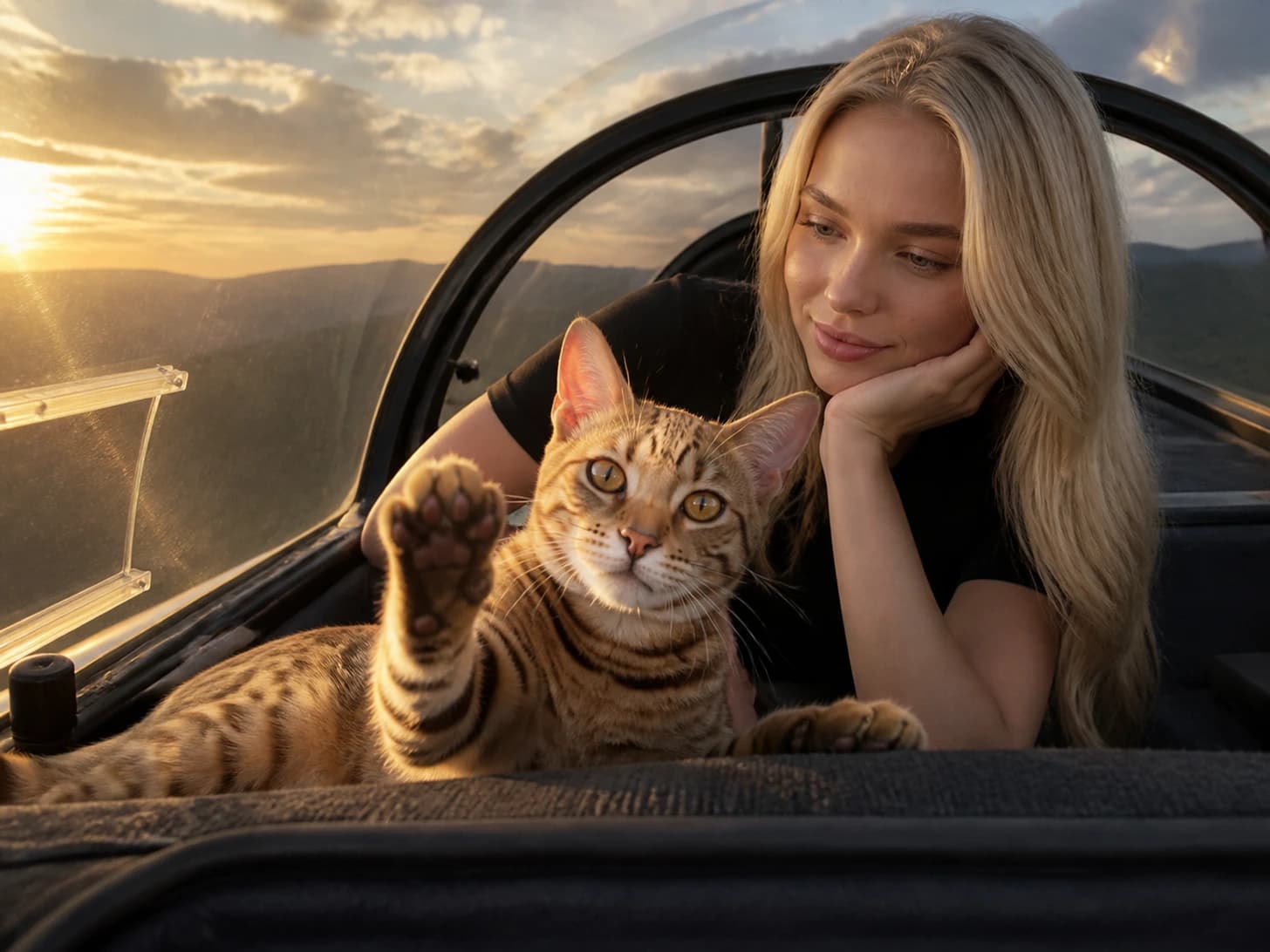
2 ocicat photos, newest first
Living with a ocicat
Ask for the Abyssinian-line DNA tests: pyruvate kinase deficiency and progressive retinal atrophy. Both are common enough in that ancestry that a breeder should have results ready.
Renal amyloidosis appears through the Abyssinian side and hypertrophic cardiomyopathy through the Siamese; ask about both.
They are very social and genuinely dislike solitude. A single Ocicat in a house empty all day is a bad match — keep two, or choose differently.
They are trainable to an unusual degree: leads, recall, fetch and tricks all work, and the mental exercise matters as much as the physical.
The short coat needs a weekly rub-down and nothing more.
General guidance, not veterinary advice. Individual cats vary, and anything about a specific animal is a question for a vet who has seen it.
Worth reading alongside this
More cats by breed
Every cat breed somebody has posted a photo of.