Russian blue
The Russian blue is thought to have come from the port of Arkhangelsk in northern Russia, carried to Britain by sailors in the 1860s.
The breed nearly disappeared during the Second World War and was rebuilt using Siamese and British blue outcrosses, which is why type varied for decades afterwards.
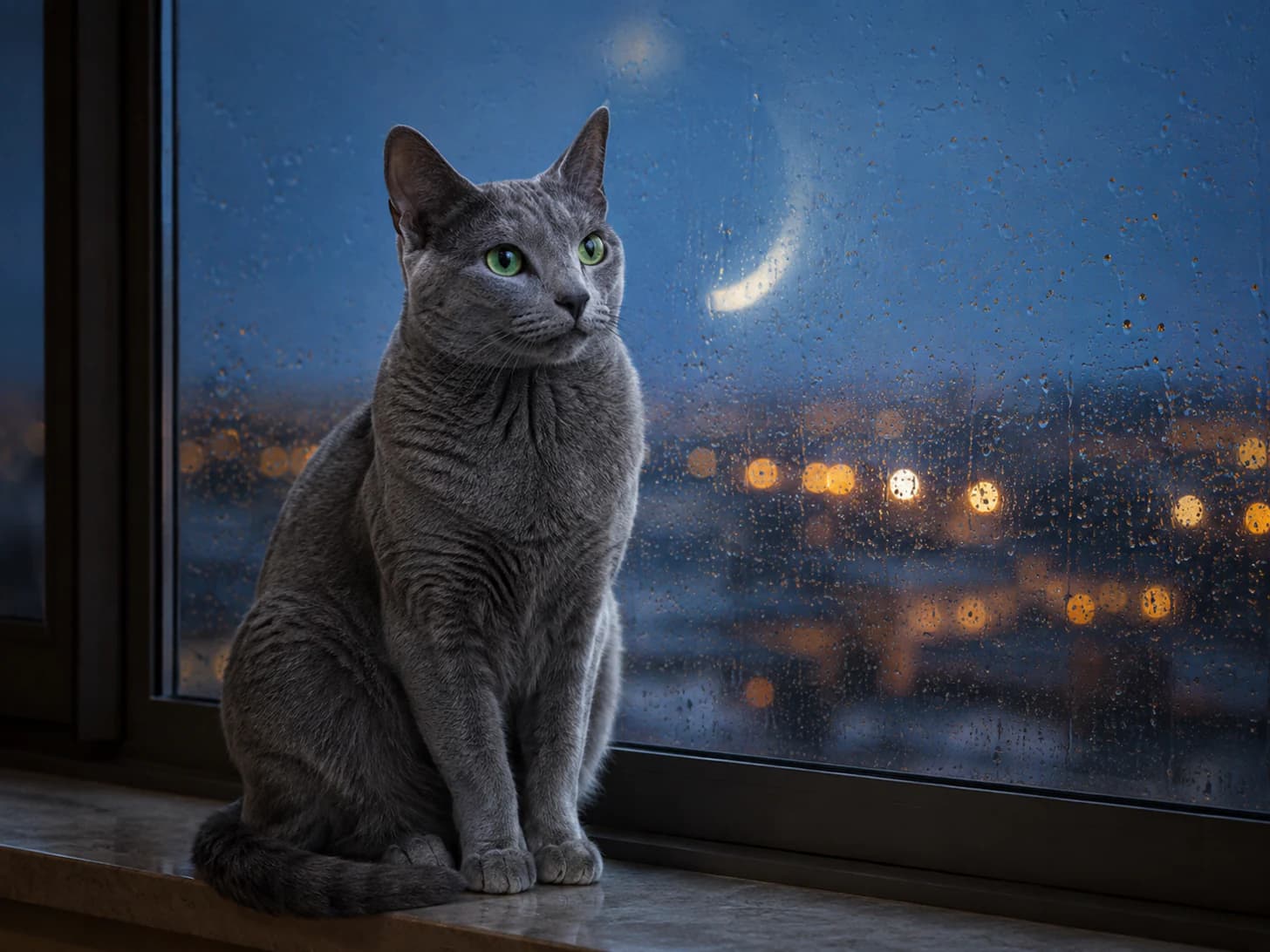
It is a fine-boned, elegant cat with a distinctive double coat — dense and plush enough to stand out from the body, with silver-tipped guard hairs that give the blue a shimmer — and vivid green eyes. Russian blues are quiet, gentle and famously reserved with strangers, often disappearing entirely when visitors arrive.
- Origin
- Northern Russia
- Size
- 3–5.5 kg
- Lifespan
- 15–20 years
- Coat
- Dense plush double coat, blue with silver tipping
- Temperament
- Quiet, gentle, shy with strangers, devoted at home
- Grooming
- Weekly
Related: Siamese
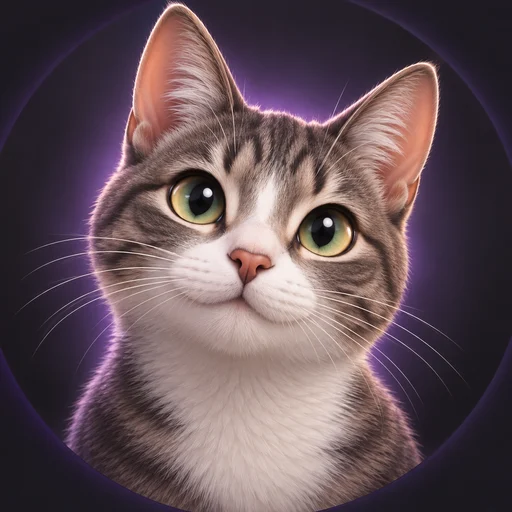
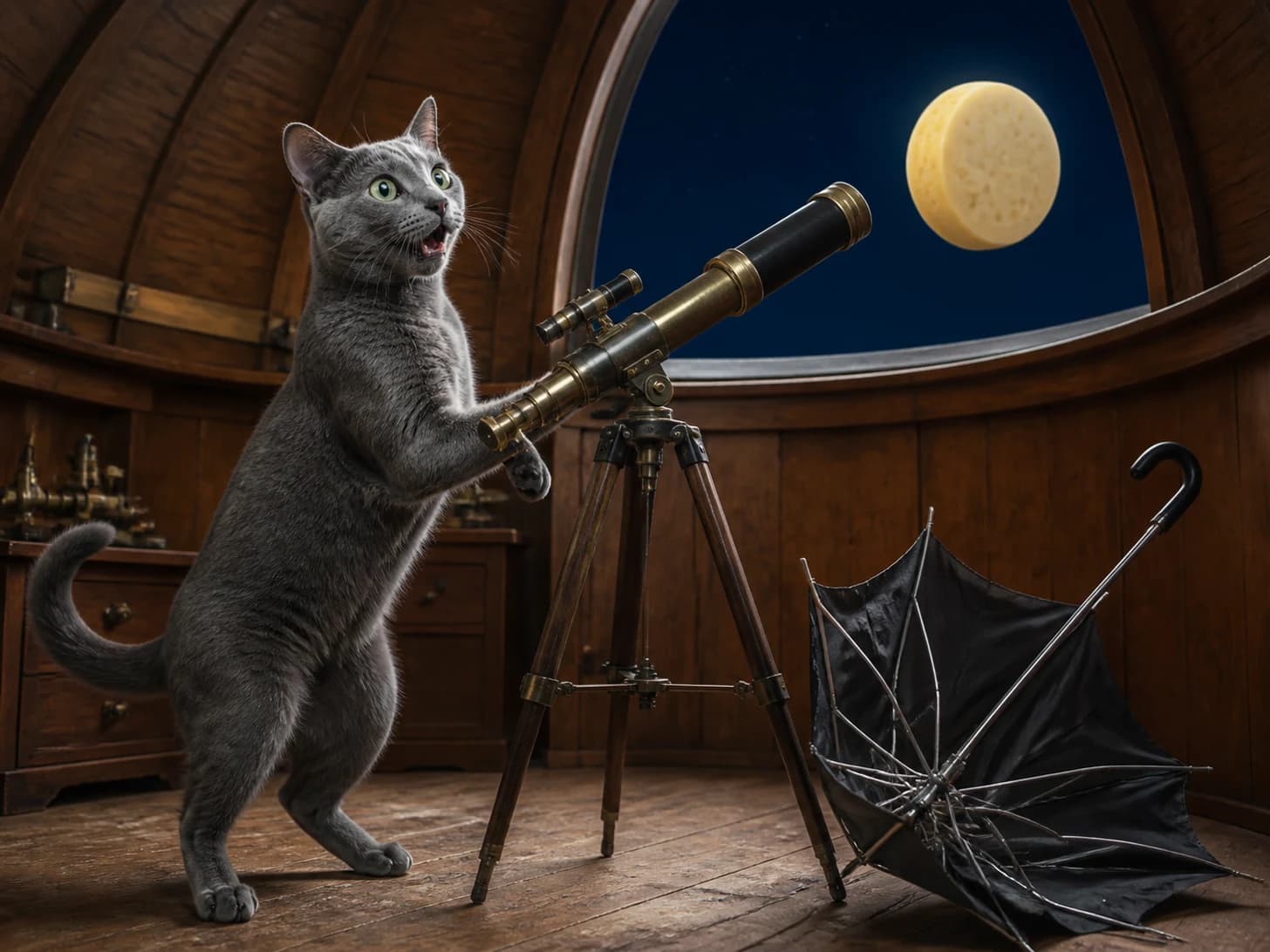
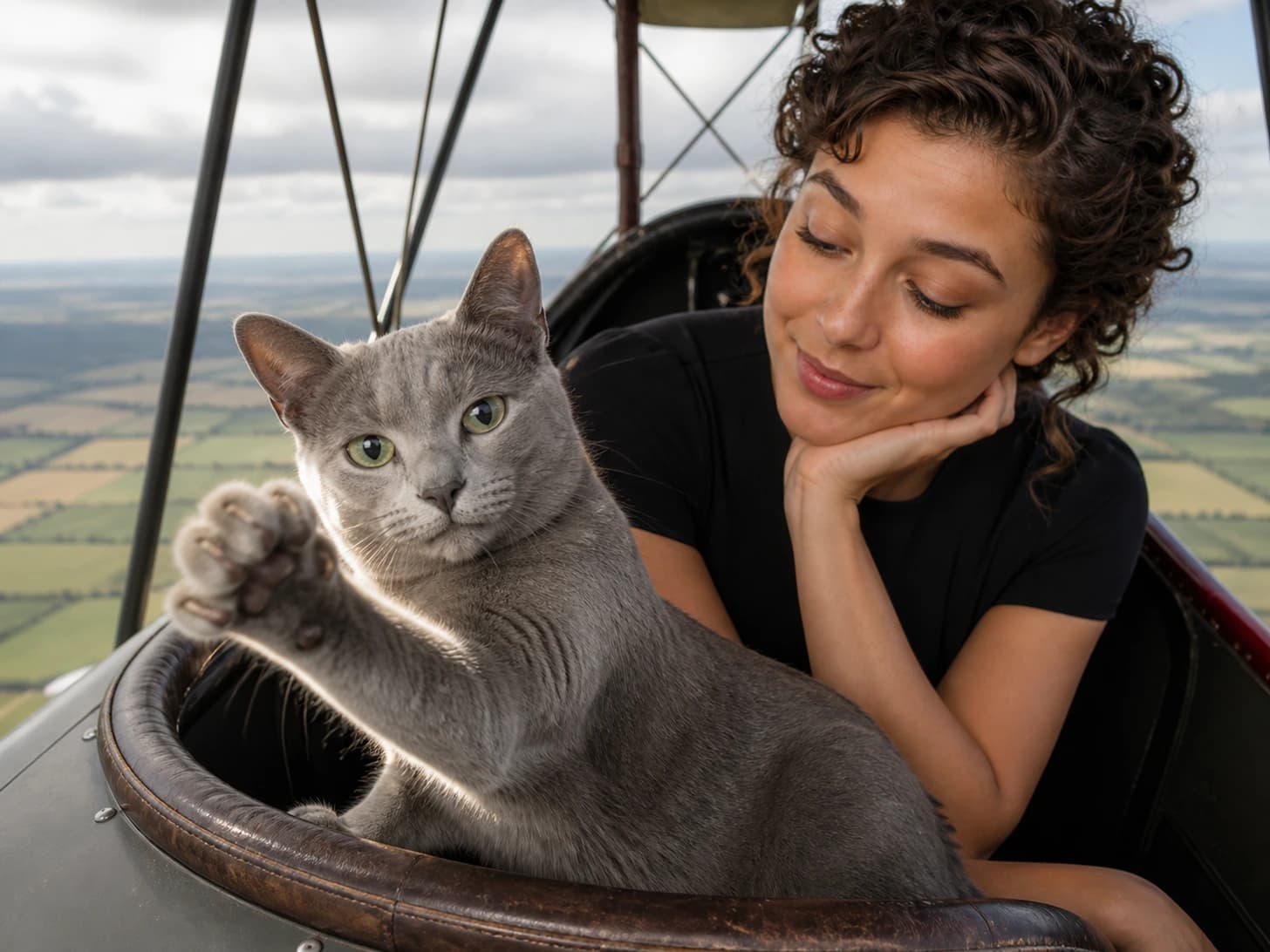
3 russian blue photos, newest first
Living with a russian blue
A weekly comb keeps the double coat right; it sheds less than its density suggests.
The temperament needs a calm household. Russian blues dislike disruption, noise and change of routine, and will hide from visitors for the duration. With their own people they are affectionate and quietly playful.
They are enthusiastic eaters and gain weight easily, so measure food.
The breed is unusually healthy with no major inherited condition specific to it — bladder stones and the general risks of any pedigree cat are the main things to watch. Many live close to twenty years.
General guidance, not veterinary advice. Individual cats vary, and anything about a specific animal is a question for a vet who has seen it.
Worth reading alongside this
More cats by breed
Every cat breed somebody has posted a photo of.