Japanese bobtail
The Japanese Bobtail has been in Japan for at least a thousand years and is the cat of the maneki-neko, the beckoning figure in shop windows.
Its short tail comes from a recessive gene entirely separate from the Manx mutation, and — this is the important part — it carries none of the spinal problems the Manx gene causes.
It weighs 2.5 to 4.5 kilograms, is slender and long-legged, and the tail is a pom-pom of 5 to 8 centimetres, kinked and curled in a pattern unique to each cat. The tri-colour mi-ke pattern is the most celebrated. Temperament is active, intelligent and highly vocal, with a wide range of soft chirping sounds rather than a Siamese yowl.
- Origin
- Japan; documented for over a thousand years
- Size
- 2.5–4.5 kg
- Lifespan
- 15–18 years
- Tail
- A 5–8 cm pom-pom; recessive gene, unrelated to the Manx
- Temperament
- Active, intelligent, softly and constantly vocal
- Health
- Robust; no condition linked to the tail
Related: Manx · Siamese · American bobtail · Kurilian bobtail · Mekong bobtail
3 japanese bobtail photos, newest first
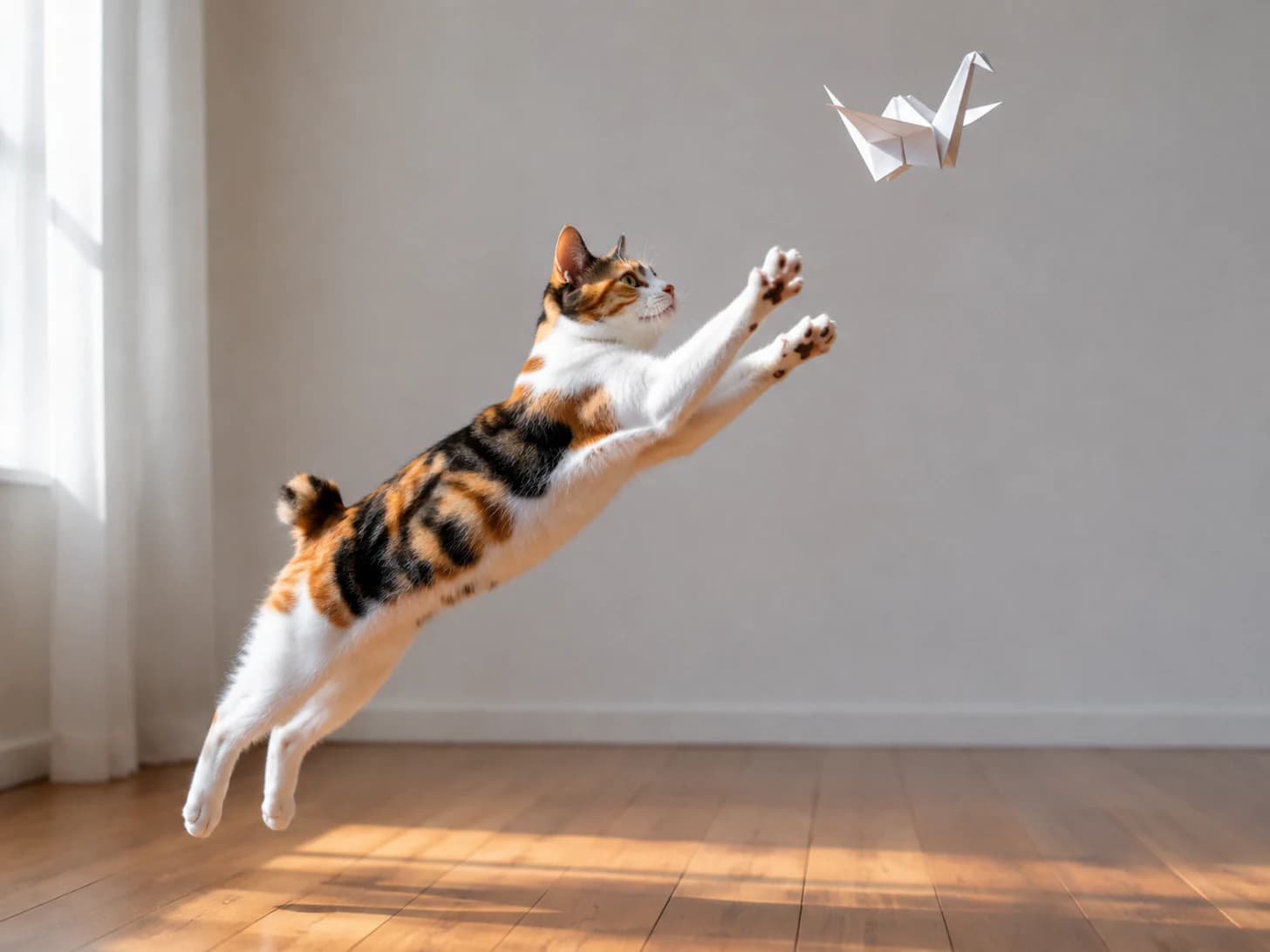

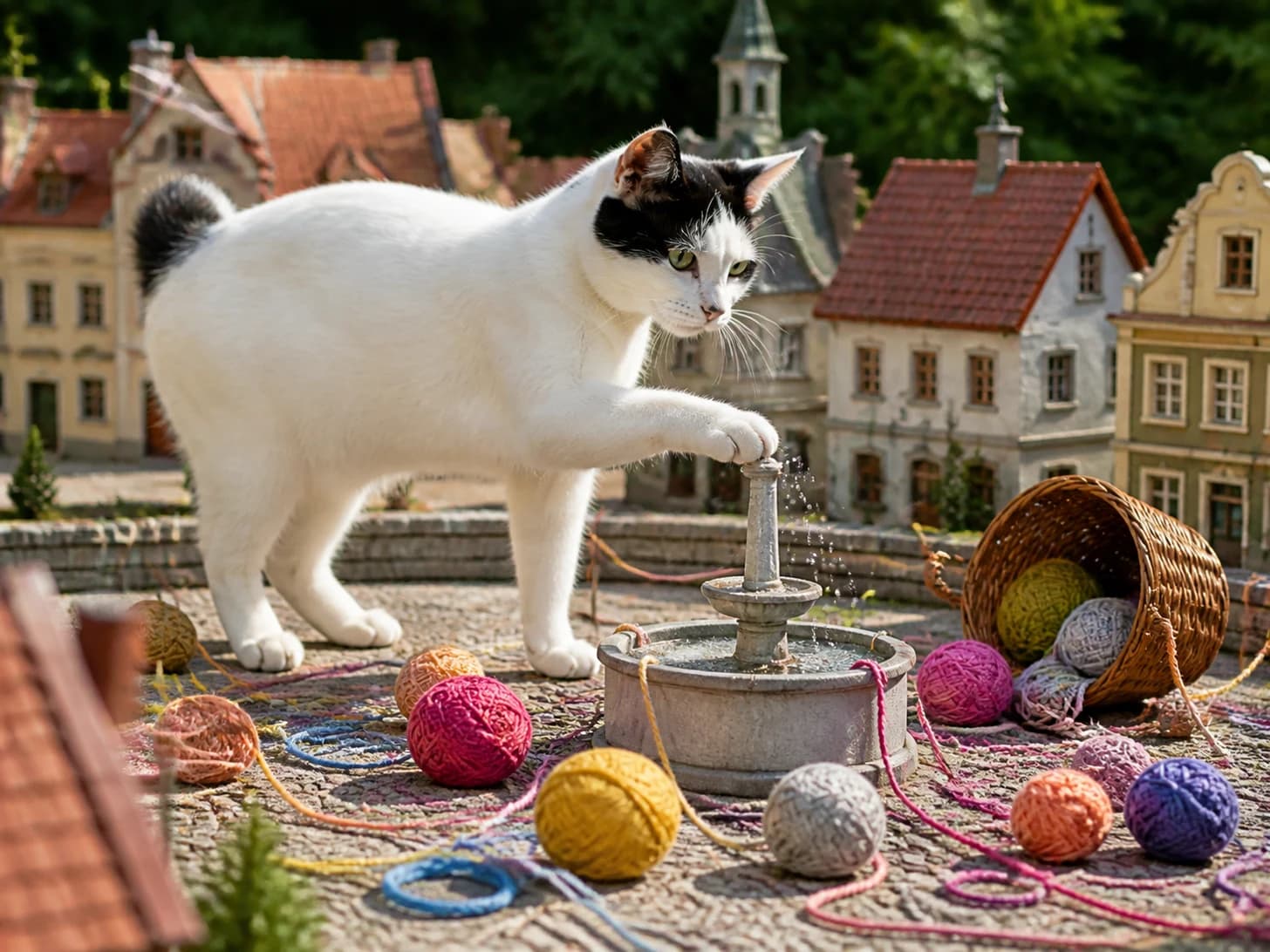
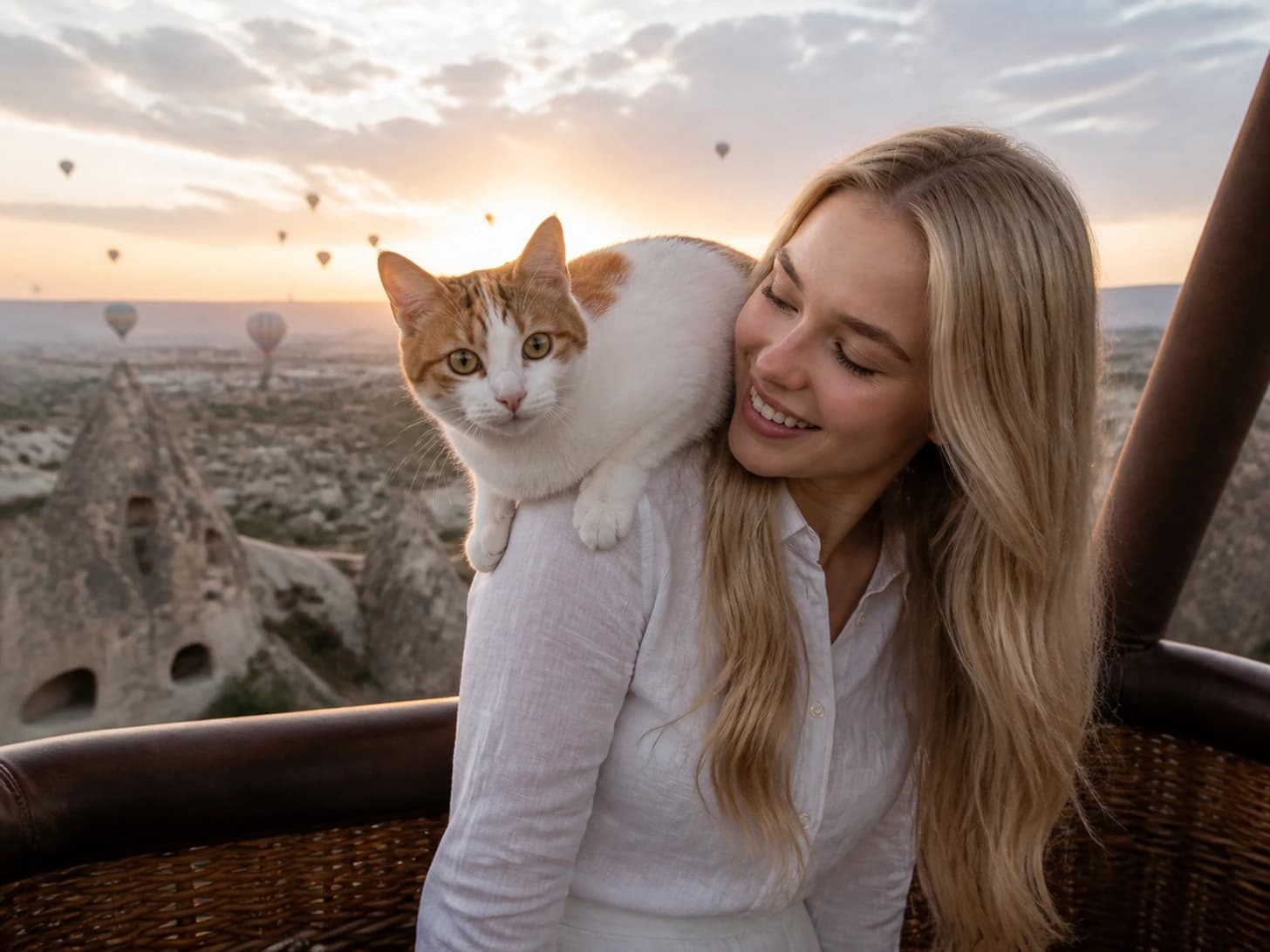
Living with a japanese bobtail
The short tail is safe. Unlike the Manx mutation, the Japanese Bobtail gene causes no spinal or bowel problems, two bobtails can be bred together without loss, and the breed is genuinely healthy.
Do not handle the tail roughly all the same — it is a real tail with vertebrae, and it is sensitive.
They are athletic, high-jumping and busy, and they need vertical space and real play. A Japanese Bobtail without stimulation invents its own.
They are very vocal but softly so, with a repertoire of chirps and trills, and they respond conversationally.
If the cat is a white-heavy mi-ke or predominantly white with blue eyes, ask about deafness, which relates to the white gene rather than to the breed.
Weekly grooming for shorthairs; twice weekly for the longhaired variety.
General guidance, not veterinary advice. Individual cats vary, and anything about a specific animal is a question for a vet who has seen it.
Worth reading alongside this
More cats by breed
Every cat breed somebody has posted a photo of.