Lambkin
The Lambkin, or Nanus Rex, crosses the Munchkin with the Selkirk Rex, giving a short-legged cat with a soft curly coat.
It was developed in the United States in the 1990s and is extremely rare — one of the least numerous cat breeds in existence.
It weighs 2 to 4 kilograms. The coat is the Selkirk contribution: loose, woolly curls including curled whiskers, produced by a dominant gene, and often at its curliest in kittens before relaxing and returning with maturity. The legs are the Munchkin contribution and bring the same considerations as in any dwarf breed. Temperament is generally reported as gentle and patient, which both parent breeds are known for.
- Origin
- United States, 1990s, from Munchkin and Selkirk Rex
- Size
- 2–4 kg
- Lifespan
- 12–15 years
- Coat
- Soft woolly curls, including curled whiskers
- Build
- Short legs from the munchkin gene
- Health
- Munchkin skeletal concerns; Selkirk PKD and HCM risk
Related: British shorthair · Munchkin · Persian · Selkirk rex
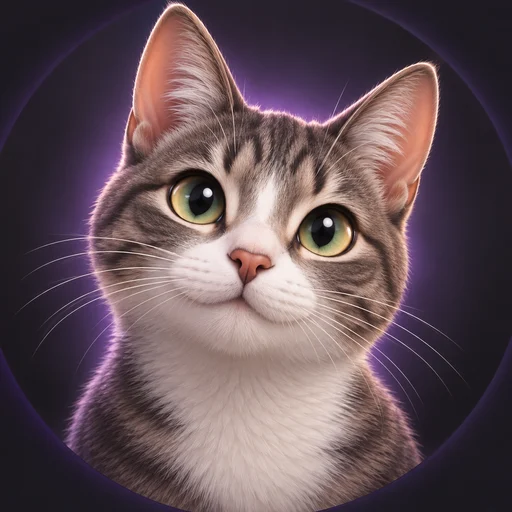
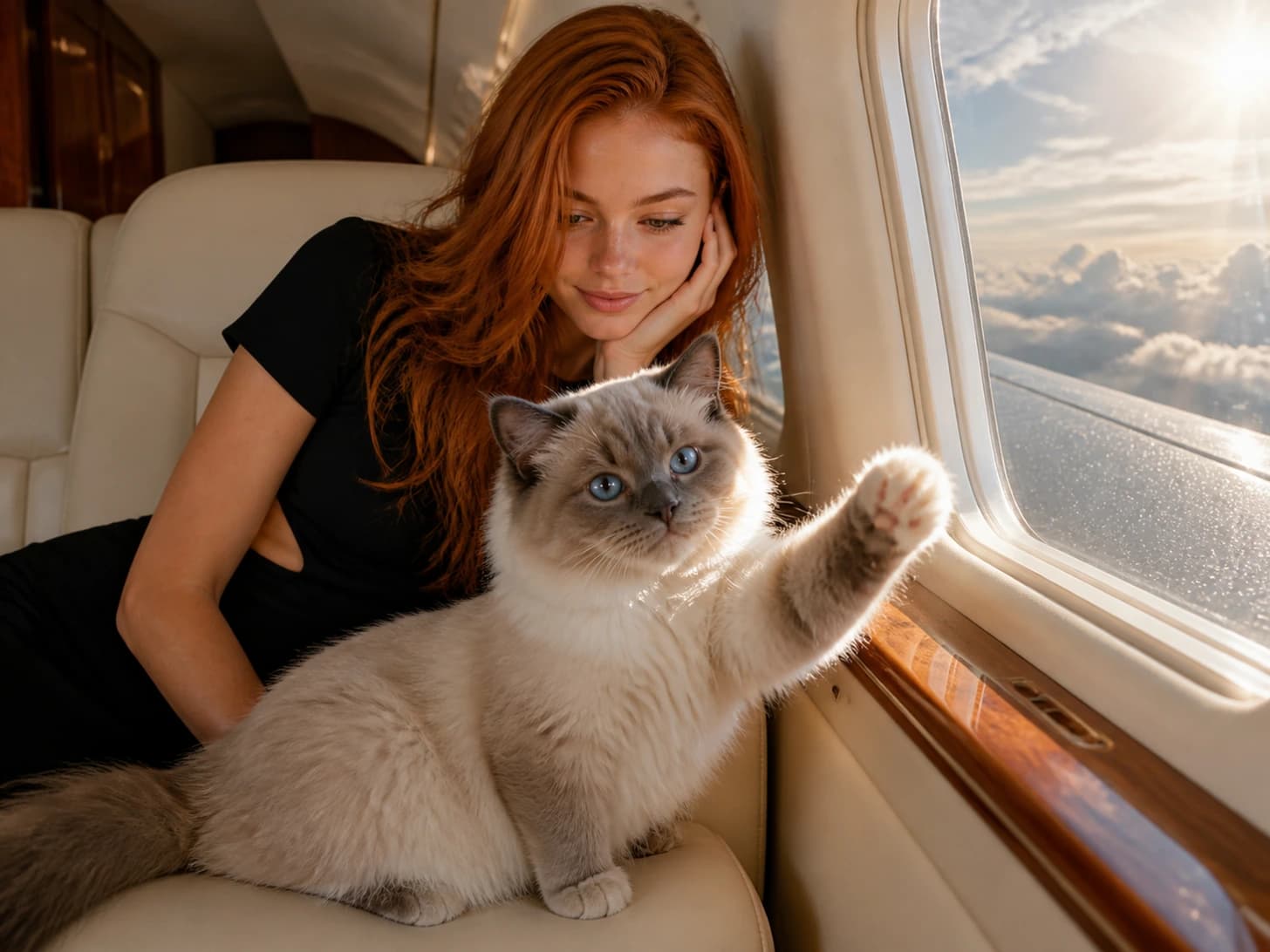
2 lambkin photos, newest first
Living with a lambkin
Brush the curly coat gently and not too often. Over-brushing pulls the curl out and leaves the coat frizzy; a weekly comb-through with a wide-toothed comb keeps it in order without wrecking the texture.
The coat holds oil, and some Lambkins need occasional bathing where a normal cat would not.
Short legs mean low-sided litter trays, steps to perches, and food and water within reach without a jump.
Selkirk Rex lines carry polycystic kidney disease and hypertrophic cardiomyopathy from Persian and British Shorthair outcrossing. PKD has a DNA test; HCM needs cardiac scanning. Ask for both.
With so few cats in the breed, buy only from a breeder willing to discuss health testing specifically.
General guidance, not veterinary advice. Individual cats vary, and anything about a specific animal is a question for a vet who has seen it.
Worth reading alongside this
More cats by breed
Every cat breed somebody has posted a photo of.