Turkish Van
The Turkish Van comes from the Lake Van region of eastern Turkey and is a natural breed shaped by a harsh continental climate.
It is known internationally as the swimming cat, and the reputation is earned — Vans genuinely enter water, and their coat is water-resistant.
It weighs 4.5 to 9 kilograms, is large, long and powerfully built, and matures slowly over three to five years. The van pattern that bears its name is a white body with colour restricted to the head and tail. The coat is semi-long, single and cashmere-textured, with no undercoat, and it thickens dramatically in winter and is shed down almost to a shorthair in summer.
- Origin
- Lake Van region, eastern Turkey — a natural breed
- Size
- 4.5–9 kg; males much larger
- Lifespan
- 12–17 years
- Coat
- Semi-long, single and water-resistant; seasonal extremes
- Known for
- Genuinely enjoying and entering water
- Health
- Deafness in blue-eyed whites; HCM reported
Related: Turkish angora
3 turkish van photos, newest first
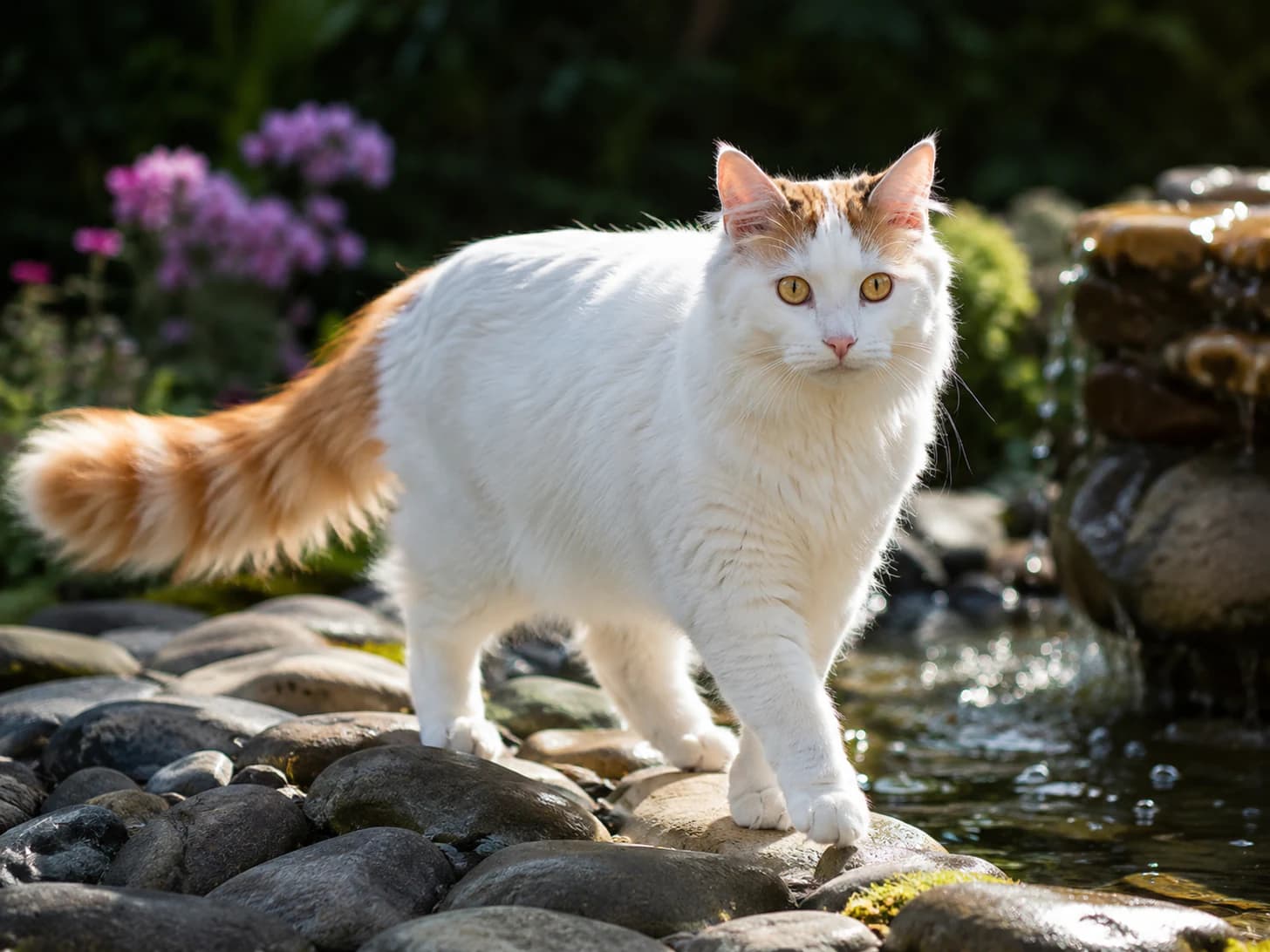
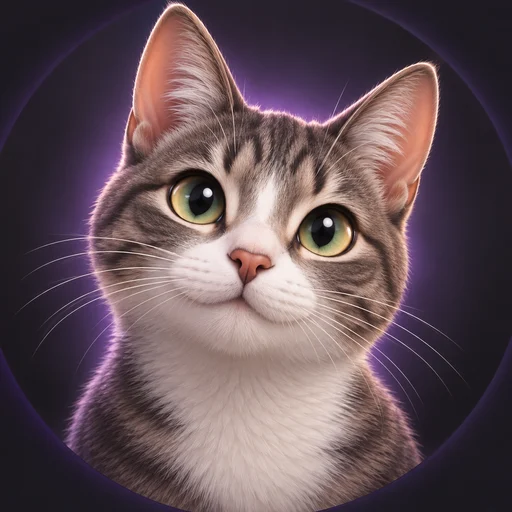
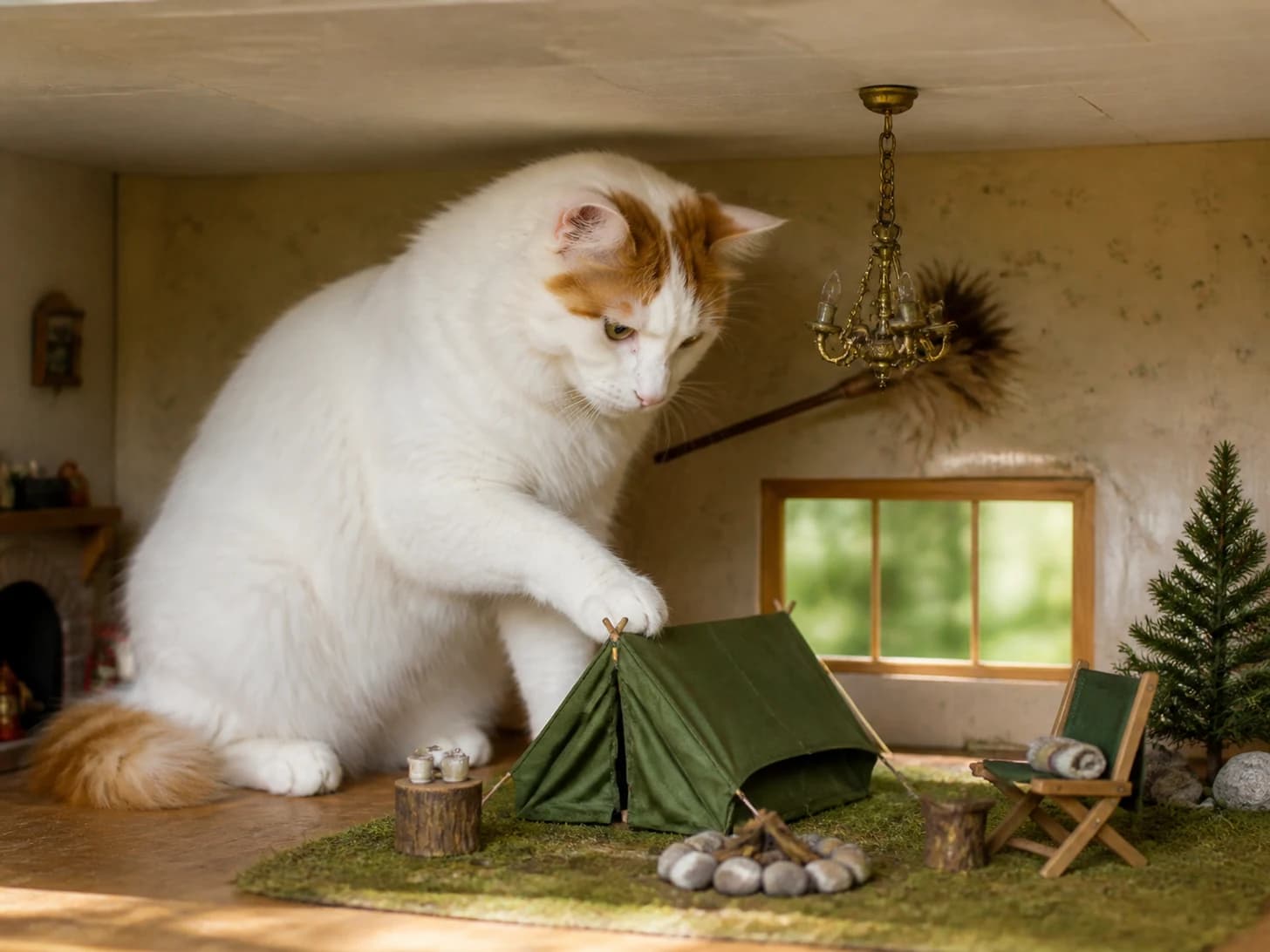
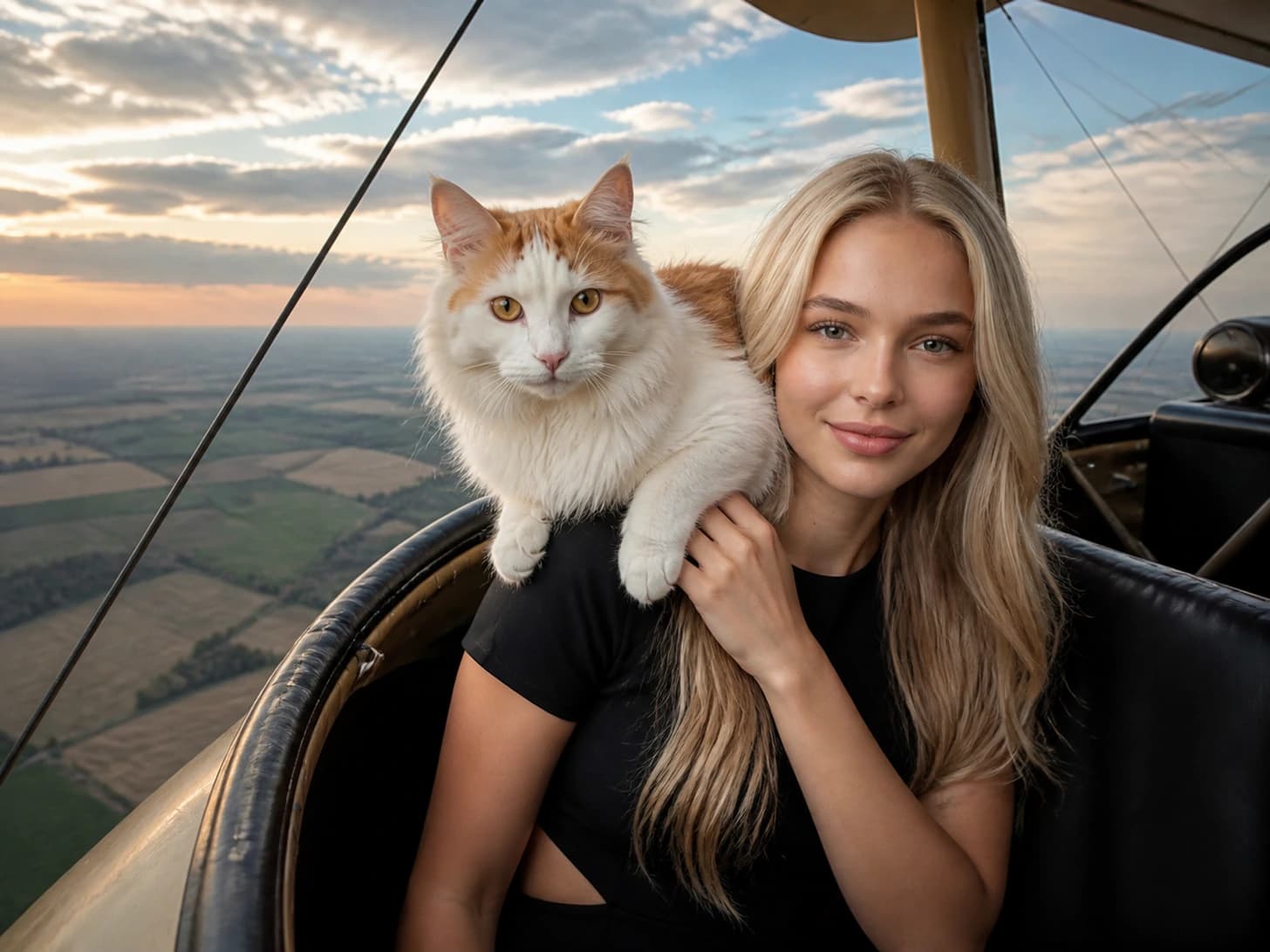
Living with a turkish van
The water interest is not a novelty to indulge casually — a Van will get into a bath, a pond or an unattended sink. Keep lids down and be aware around garden water.
Blue-eyed white-headed cats carry deafness risk; a BAER test is definitive, and a deaf cat should be indoors.
The single coat mats little and needs combing twice a week, daily during the dramatic seasonal moult.
They are large, strong and slow to mature — feed as a growing cat for three years or more, and provide furniture that takes the weight.
They are energetic and want climbing and play, and they tend to be assertive about it. Hypertrophic cardiomyopathy has been reported; ask about screening.
General guidance, not veterinary advice. Individual cats vary, and anything about a specific animal is a question for a vet who has seen it.
Worth reading alongside this
More cats by breed
Every cat breed somebody has posted a photo of.