Longer pieces about the things that decide what living with an animal is actually like — the emergency that kills a healthy dog in an afternoon, the four weeks a fish tank needs before any fish go in, why a rabbit that stops eating cannot wait until morning, and what to ask a breeder before any money changes hands.
Pick an animal below to see only the posts that apply to it. Many of these cut across several — what a flat face costs is a question for cats as much as dogs — so a post can sit under more than one, and the animals it covers are on the corner of its picture and at the top of the post itself.
Search goes straight to the post. It looks at the headline and at the words the breed pages use to link these, so “GDV” finds the bloat piece and “teflon” finds the one about what a bird breathes.
Subscribe and new posts come to you. The feed below is this blog. Every species and every breed page has one of its own as well, so you can follow just the animal you keep and hear about it whenever somebody adds a photo.
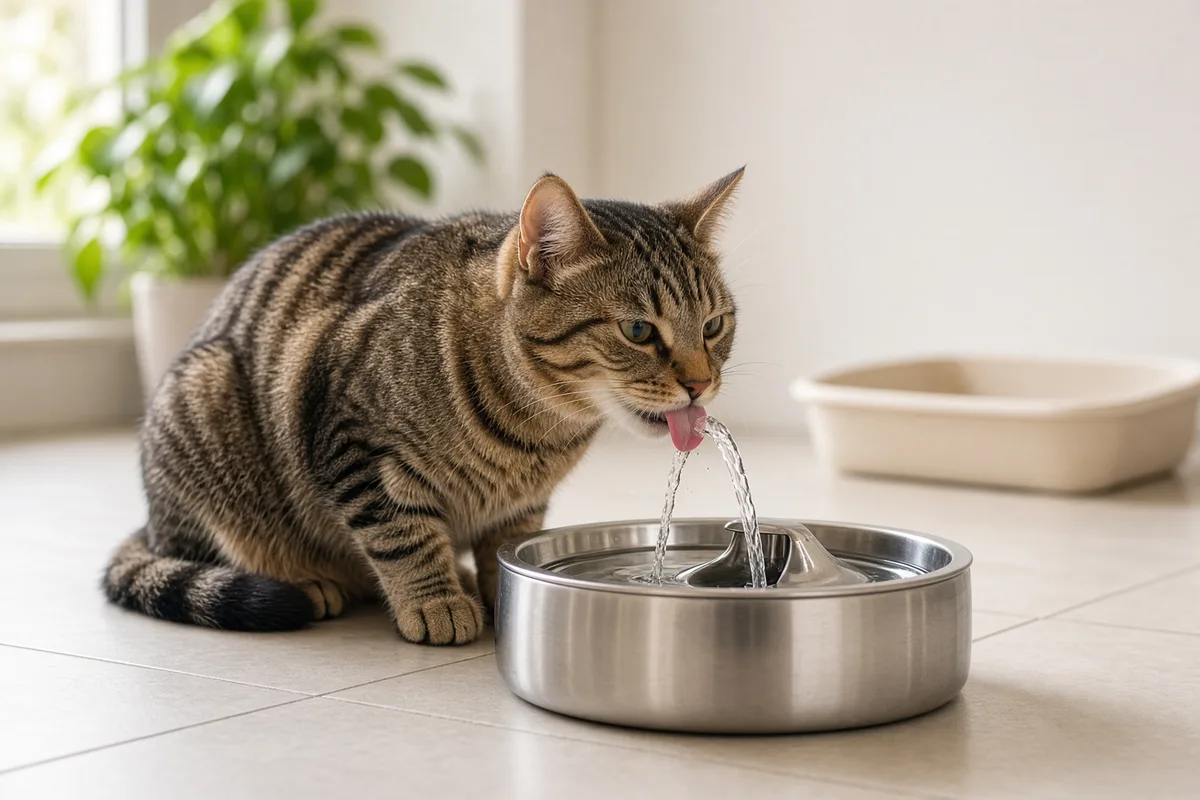
A cat straining in the litter tray and producing nothing is not constipated. In a male cat it is very likely a blocked urethra, and that is one of the few things on this site where the difference between going tonight and going tomorrow morning is the difference between a cat that comes home and one that does not.
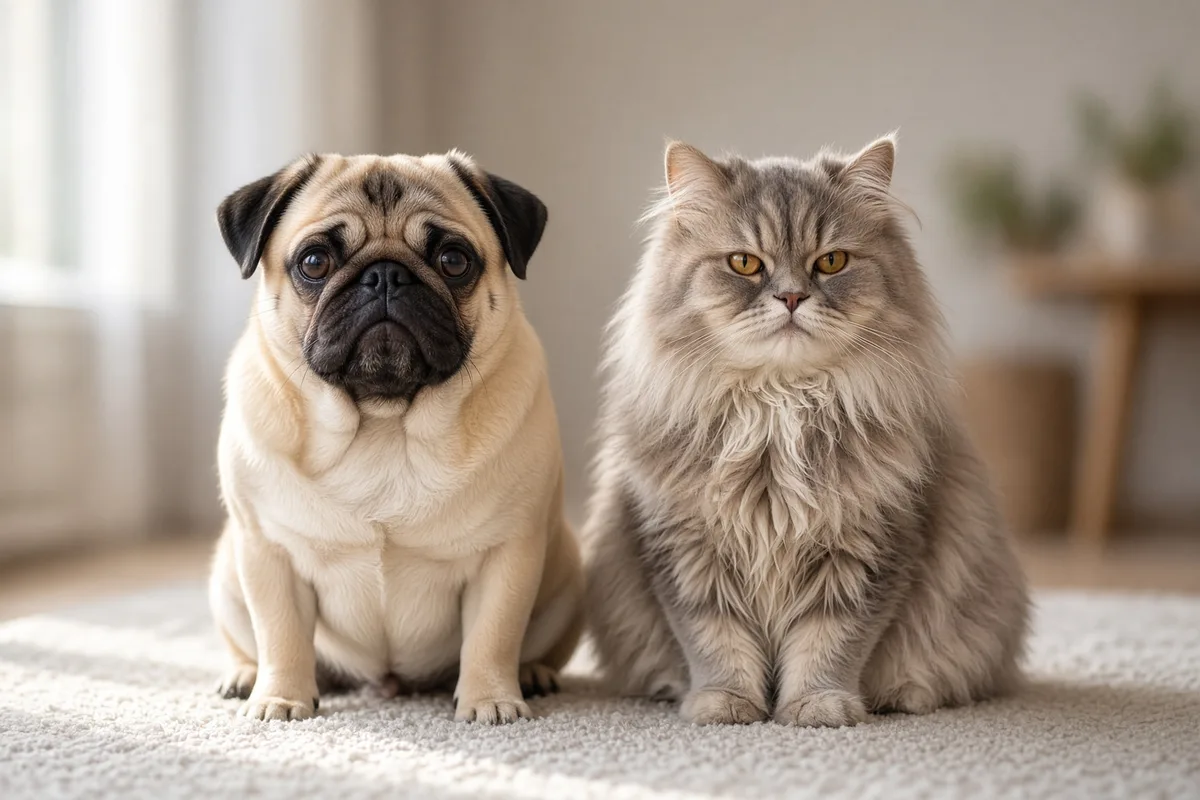
A pug, a French bulldog and a Persian cat all have roughly the same amount of soft tissue in the nose and throat as their longer-faced relatives, packed into a skull that has been bred considerably shorter. Everything on this page follows from that single fact, and none of it is the animal's personality.
The single most useful thing a buyer can do is ask for test results and then actually look at them. This matters because of one piece of genetics: for a recessive disease, a carrier is entirely healthy and indistinguishable from a clear animal. You cannot see it, the breeder cannot see it, and no amount of the puppies are all really healthy substitutes for a test that costs less than a bag of food.
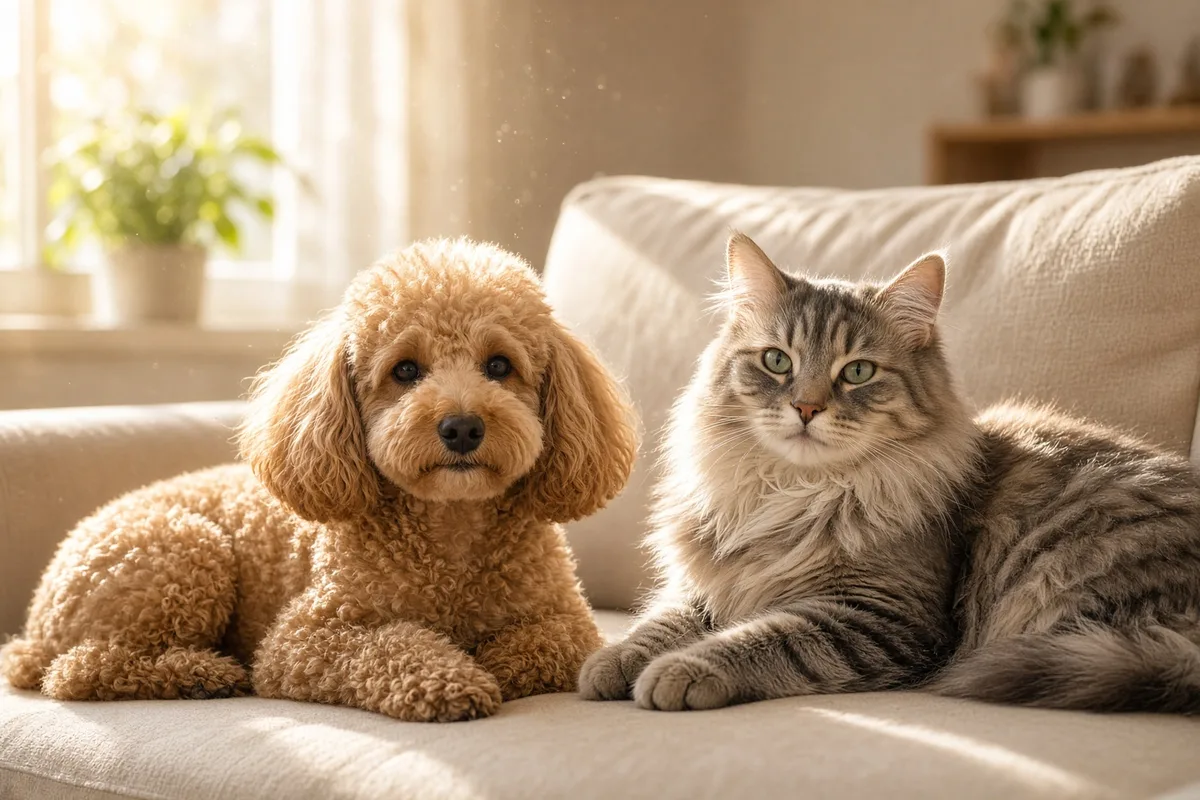
This claim is attached to poodle crosses, to several cat breeds and to almost every curly-coated dog, and it is the most persistent piece of misinformation in pet buying. The short version is that the allergen is not the hair, so a breed that sheds less does not solve the problem — though there are things that genuinely help, and they are worth knowing.
Every photograph on this site was taken by somebody with an animal that would not sit still. Most of what makes a good pet photograph is not equipment: it is where the light comes from, how low you get, what you focus on, and whether you were willing to wait.
Grooming comes up in nearly half the breed profiles on this site, and the advice is different every time because coats are not one thing. A husky, a poodle, a wire fox terrier and a Sphynx need four unrelated routines, and the commonest grooming mistakes come from applying one coat's rules to another.
Dozens of the breed profiles on this site mention teeth, and small breeds and flat-faced breeds get their own warning every time. Periodontal disease is the commonest diagnosed condition in dogs and cats, most animals have it by three, and almost none of them show it — because an animal in pain keeps eating.
A great many of the breed profiles on this site say some version of keep this animal lean, and the reason is not appearance. In the best long-term study anyone has run, Labradors fed to stay lean lived a median of nearly two years longer than their own littermates fed normally — the same genetics, the same home, a different bowl.
Dozens of the breed profiles here end with some version of this animal does not do well left alone all day — most often for the breeds that were created specifically to be companions, which is a design decision people are rarely told about at the point of sale. It is one of the most common welfare problems in pets and one of the most preventable.
· 4 min read
General guidance, not veterinary advice. Anything about a specific animal — a symptom, a diet, a decision — is a question for a vet who has examined it.