Heat, light, and why a heat mat is not a sun
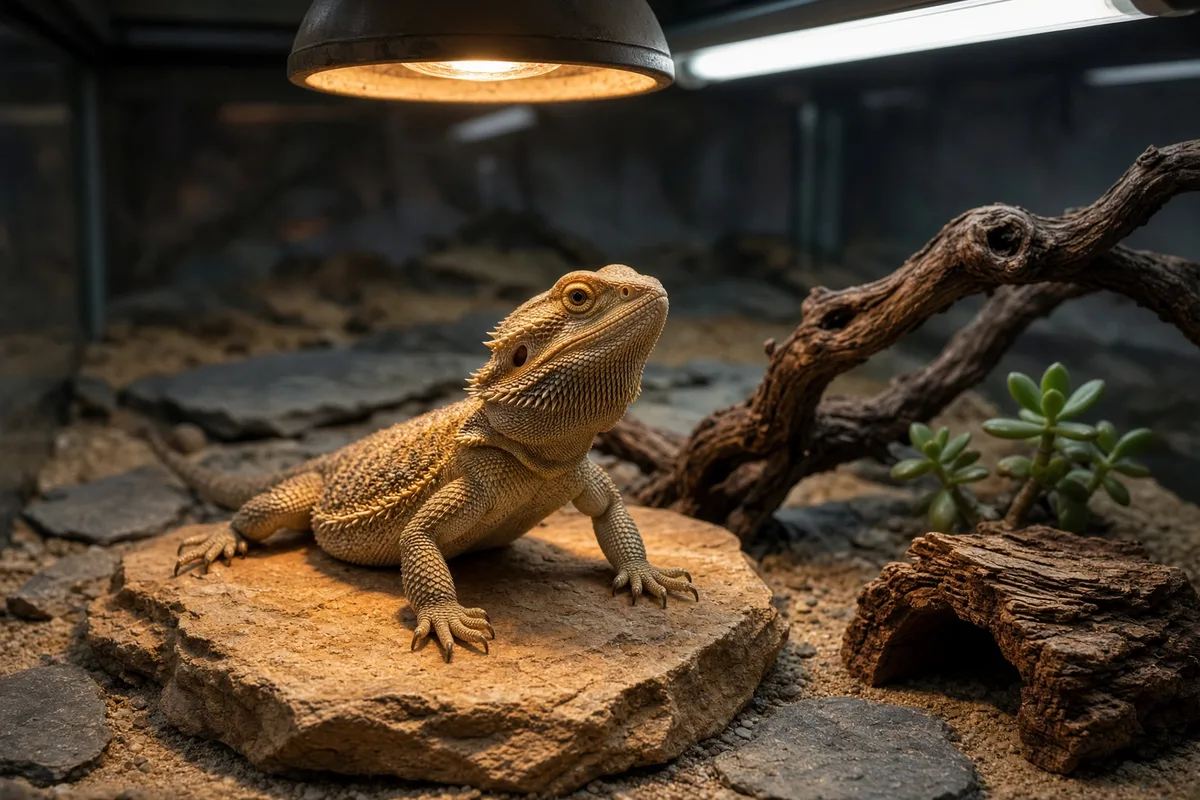
A reptile runs at the temperature you give it. Basking spots, thermal gradients, why UVB burns out before it stops glowing, and the thermostat that is not optional.
52 photos across 19 breeds
🦎 Reptiles are ectotherms: they take their body temperature from their surroundings, and every biological process — digestion, immune response, activity — depends on getting that right. A reptile kept a few degrees too cool is not merely uncomfortable, it cannot digest its food.
This makes the enclosure the whole of the husbandry. Most reptile illness seen by vets traces back to temperature, humidity or lighting rather than to anything the animal did, and most of it is preventable with equipment bought before the animal.
🐁 The second thing to be honest about is the food. A leopard gecko or a bearded dragon eats live insects, which means keeping insects alive in the house and dusting them with supplements at every feed. A ball python eats whole rodents, bought frozen and defrosted, which means a bag of dead mice in the freezer for the next twenty or thirty years. Neither is a problem, and both are the sort of thing better decided in a shop than discovered in a kitchen.
⏳ Longevity is the thing that quietly makes this a serious decision. A bearded dragon is eight to twelve years. A ball python is thirty or more. A box turtle is fifty and documented past a hundred, and an Aldabra tortoise will comfortably outlive you and everyone you plan to leave it to.
🤲 Handling varies more than people expect, and it is not a matter of taming. A bearded dragon genuinely tolerates being held. A brown anole is a display animal that finds handling terrifying. Some species simply do not want contact, and choosing one of those and hoping it comes round is how reptiles end up stressed and ill.
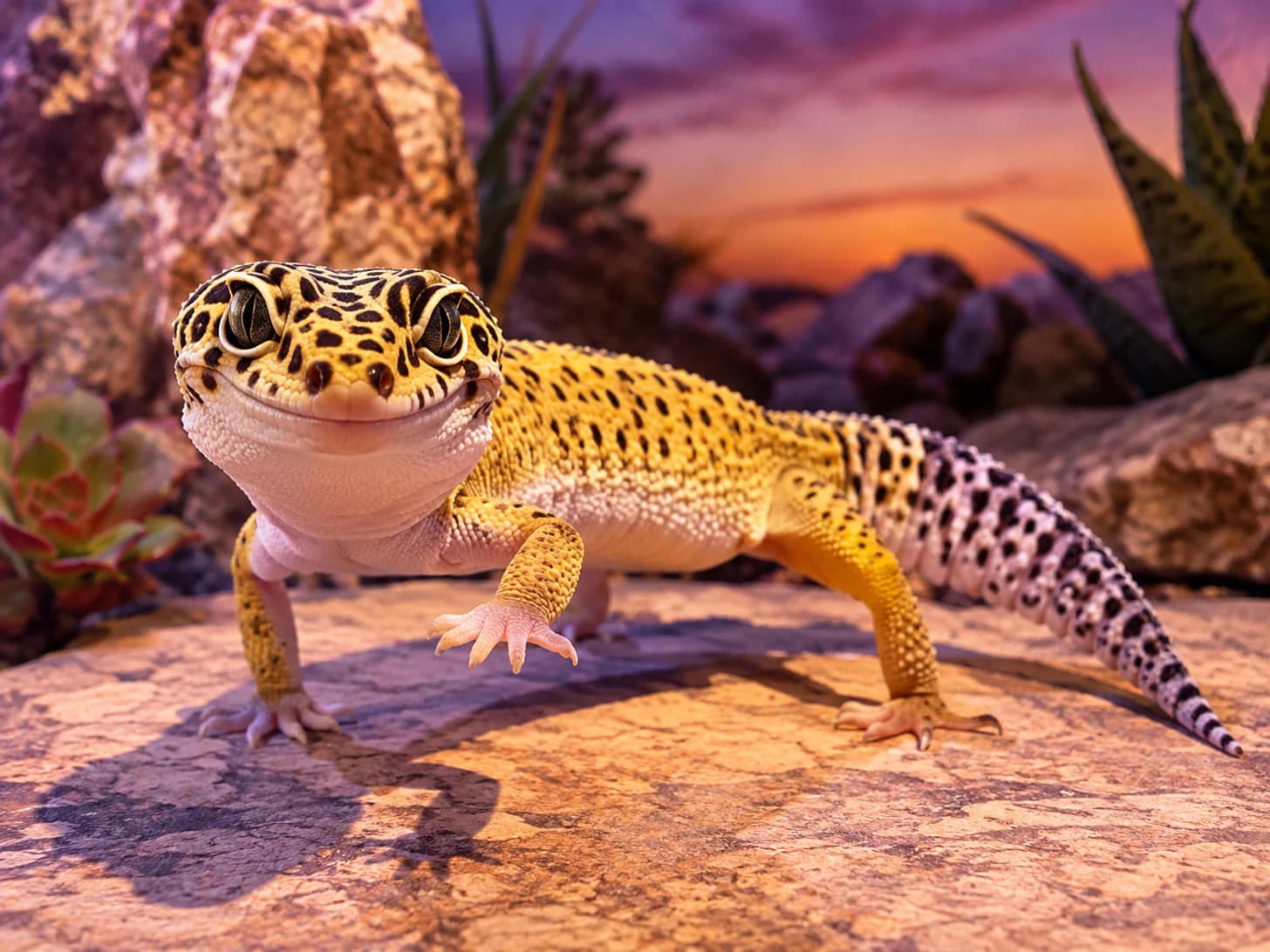

Nacho waves one foot at me from the warm rock and does not otherwise move all evening.
FrostyOtter · 5 days ago
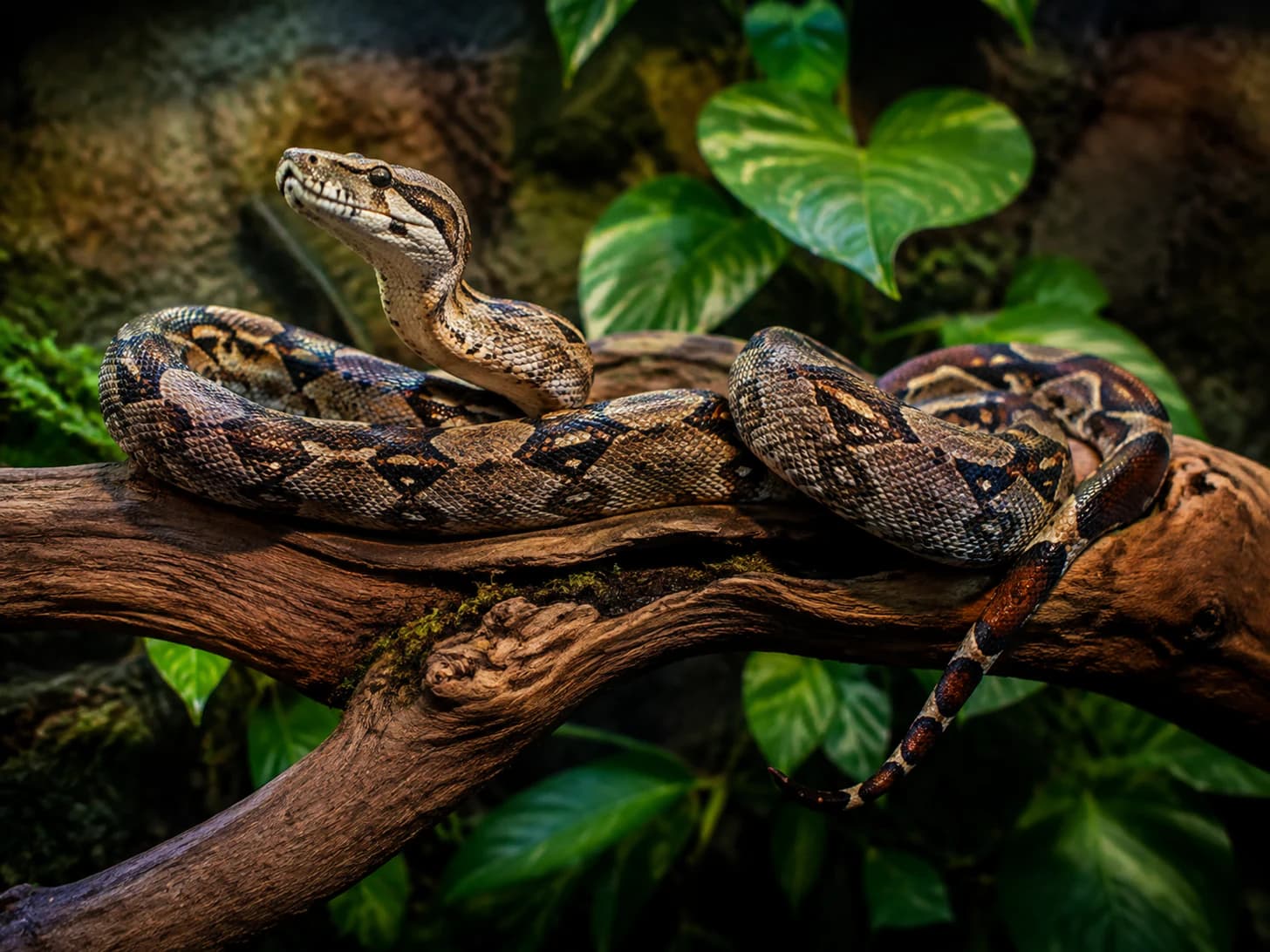
Solomon arranges himself along the branch each morning and considers that the day's work done.
FrostyOtter · 6 days ago
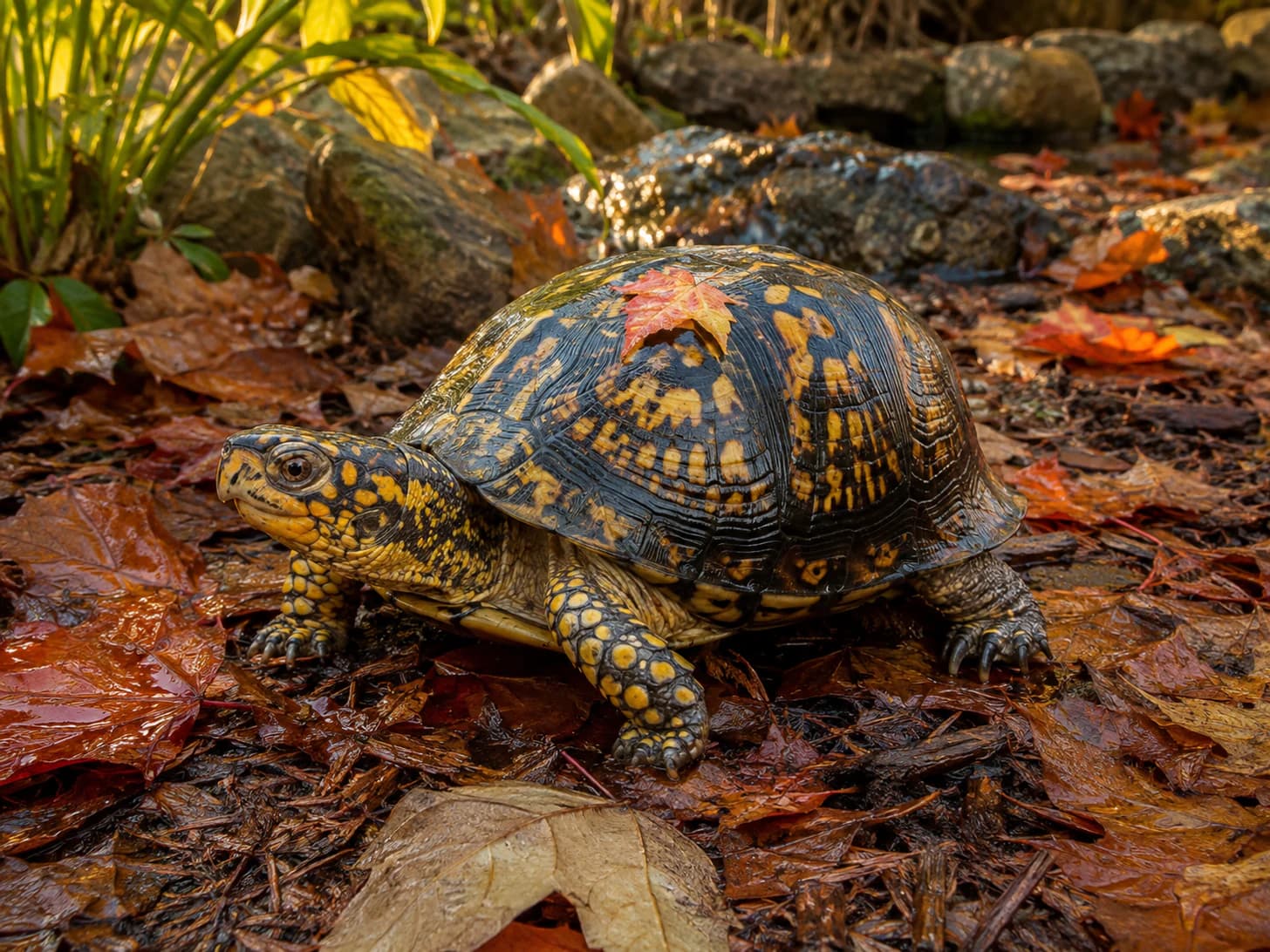
Mossy picked up a leaf on the way past and has decided to keep it.
FrostyOtter · 6 days ago
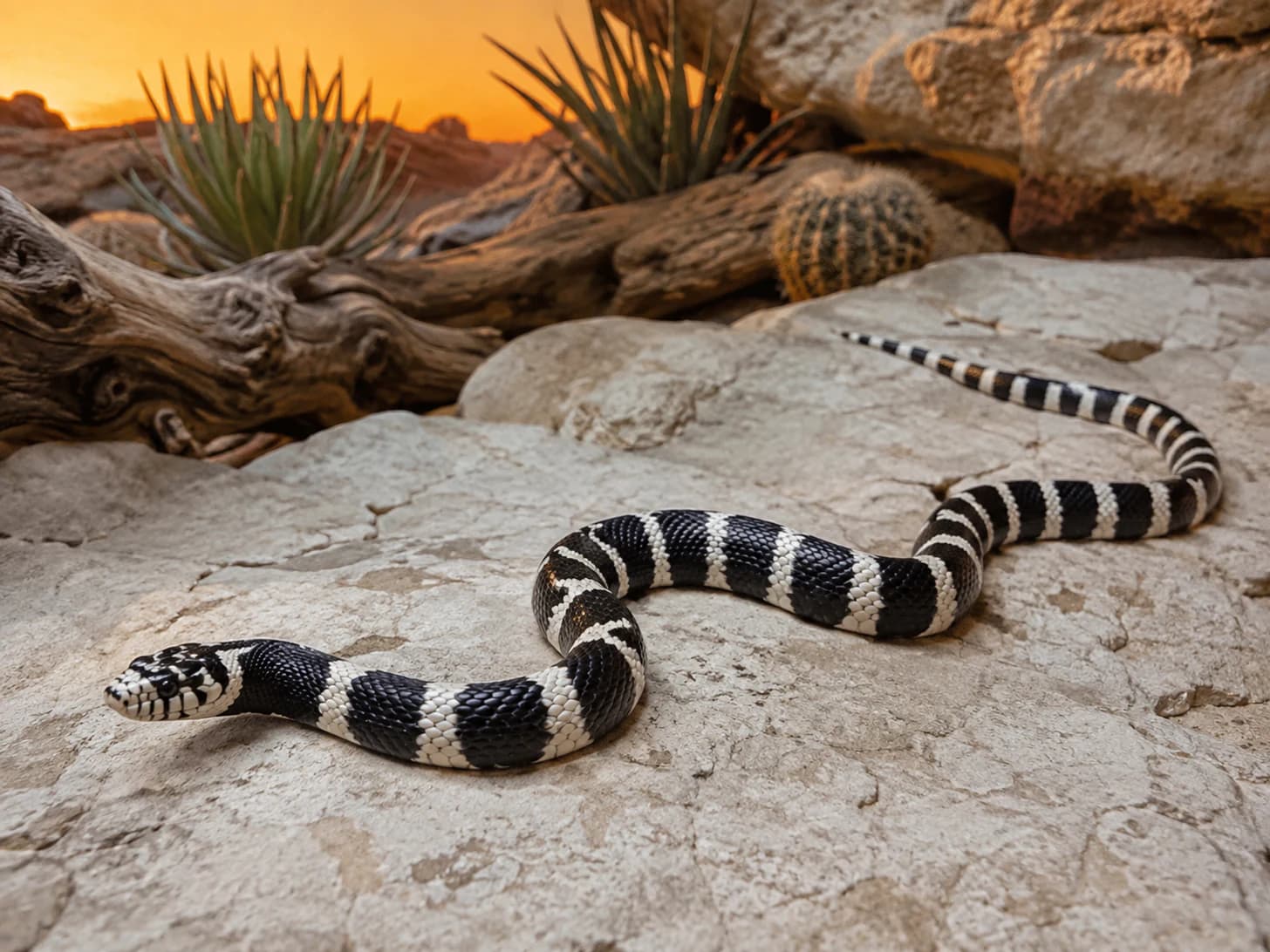
Licorice comes out onto the warm rock at sunset and stays until the colour has gone.
FrostyOtter · 6 days ago
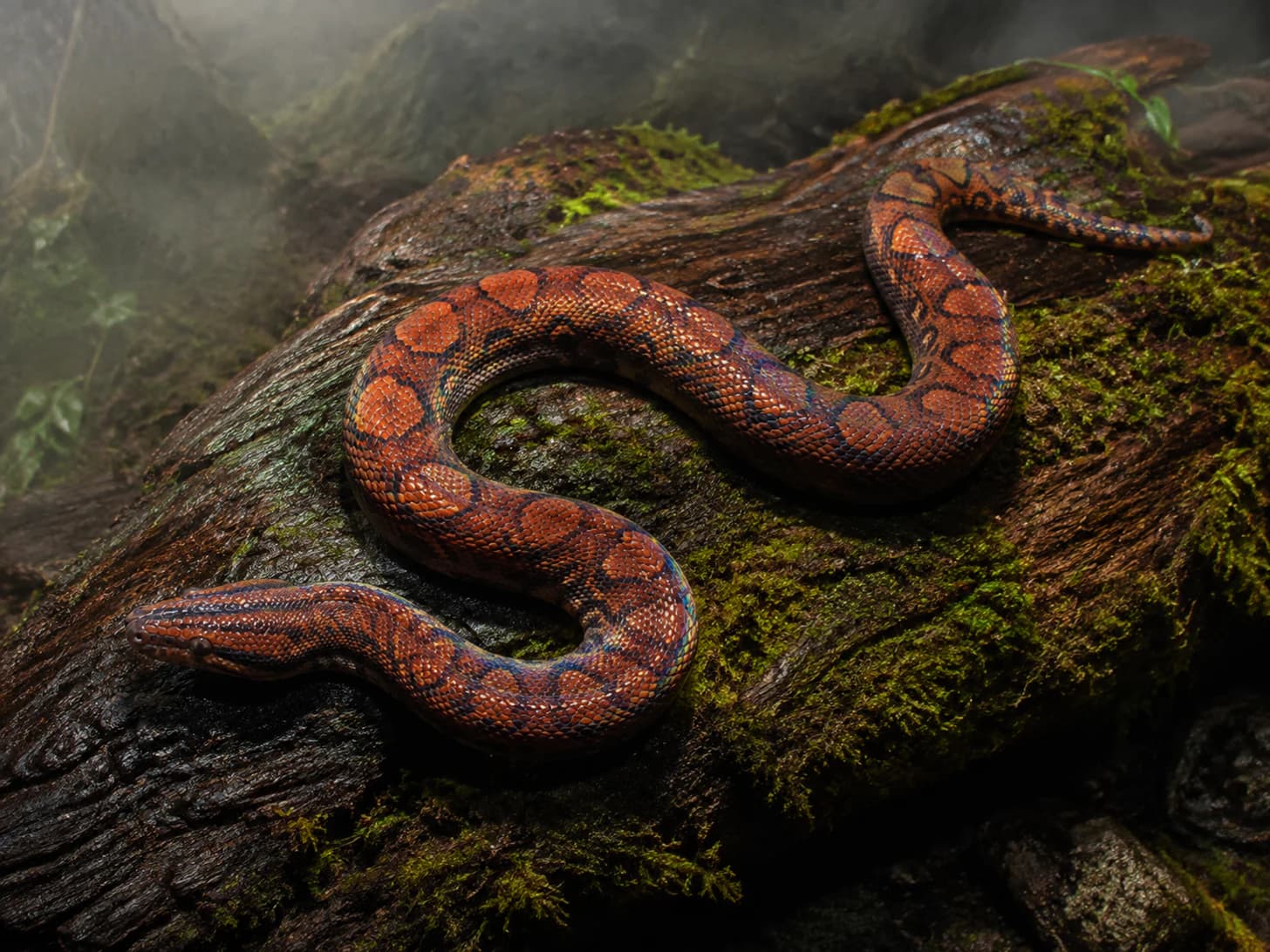
Ember only comes out when it is damp and warm, which is most of the week.
FrostyOtter · 6 days ago
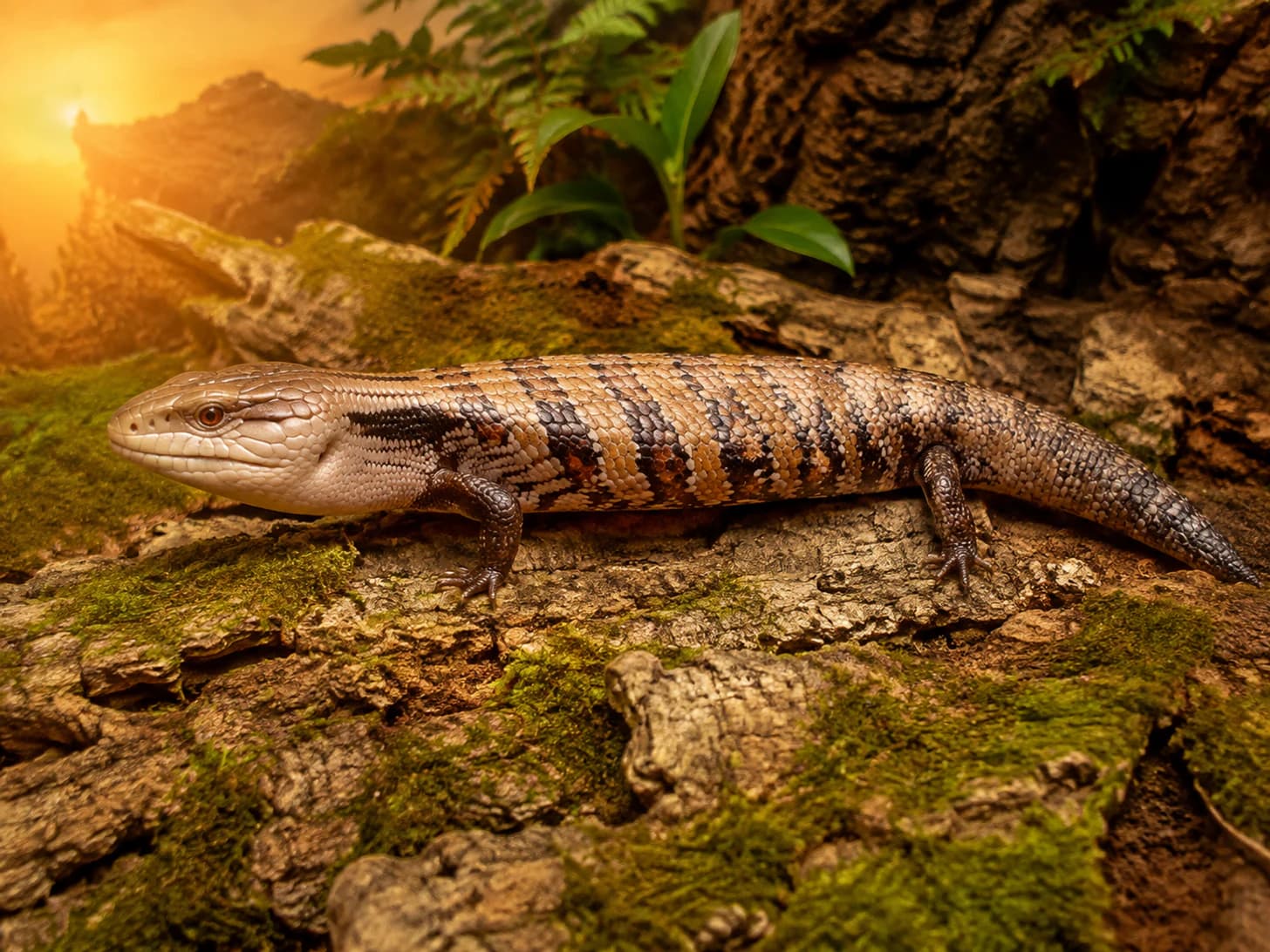
Bruce climbs onto the warm bark for the last of the sun and stays until it has gone.
FrostyOtter · 6 days ago
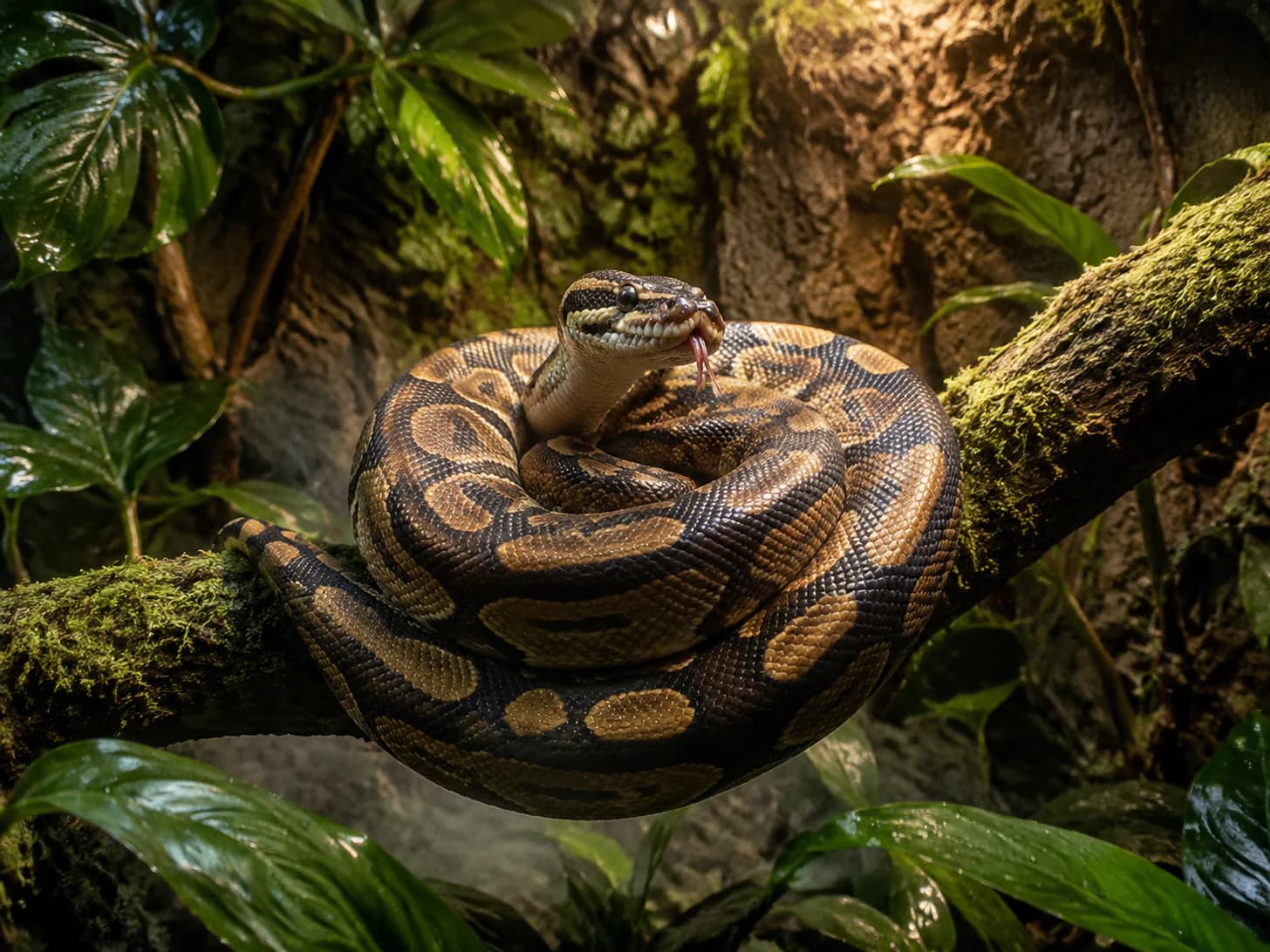
Monty picked the branch with the best view and has not left it in a week.
FrostyOtter · 6 days ago
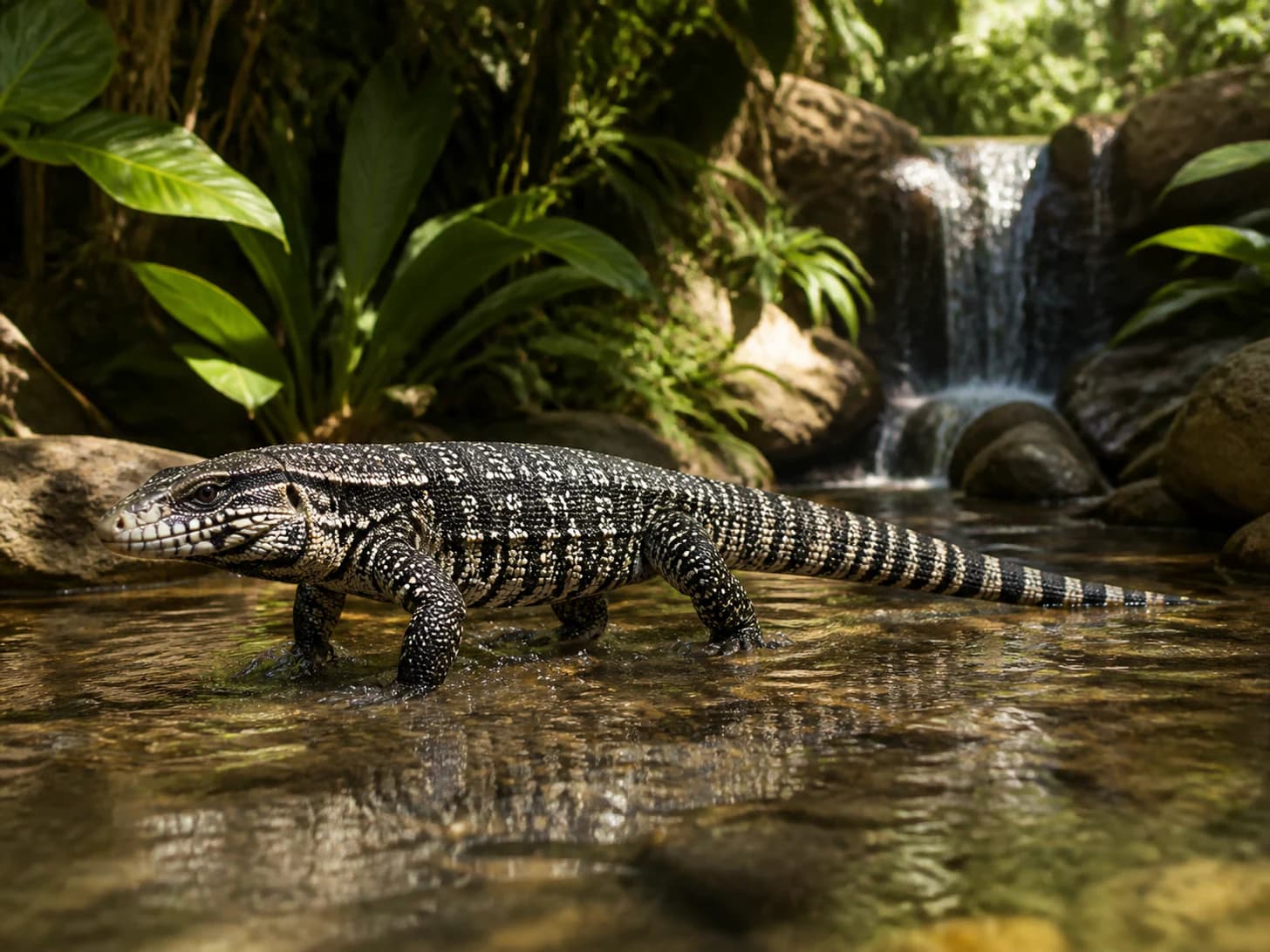
Diego walks the length of the stream every afternoon, entirely for the look of the thing.
FrostyOtter · 6 days ago
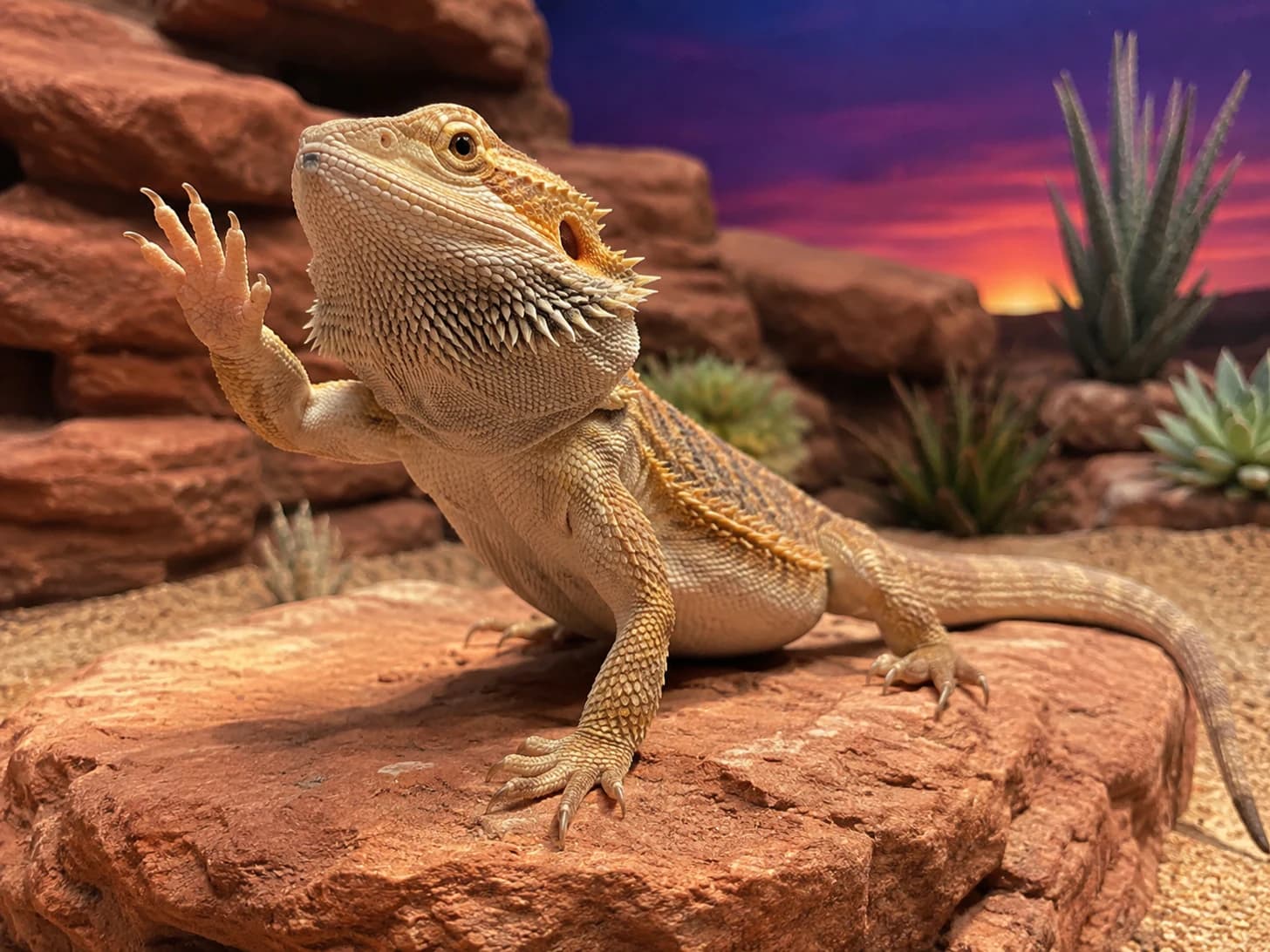
Spike waves at everyone from that rock. We have stopped trying to explain it to visitors.
FrostyOtter · 6 days ago
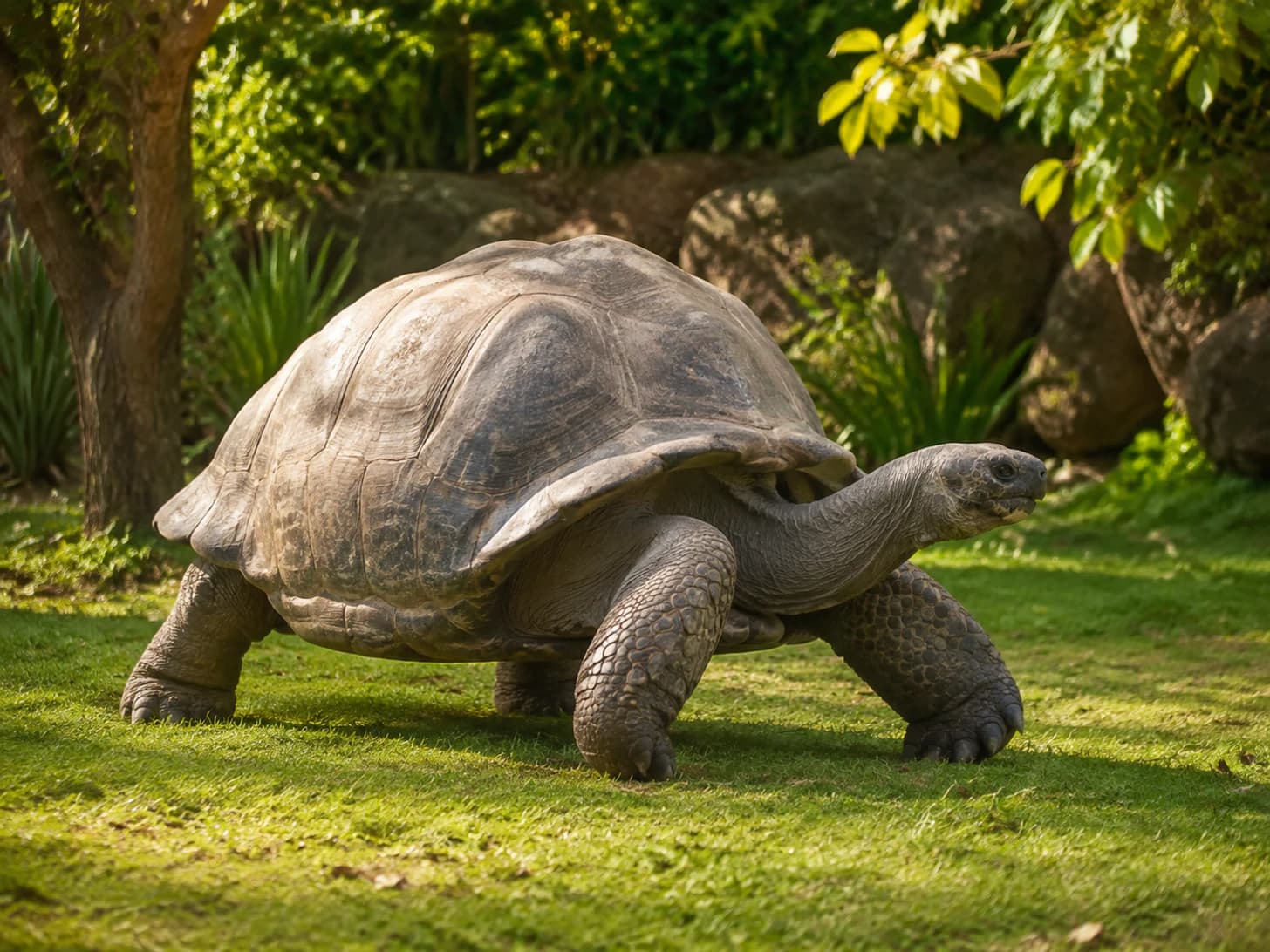
Humphrey set off across the lawn this morning. He should reach the far hedge by Thursday.
FrostyOtter · 6 days ago
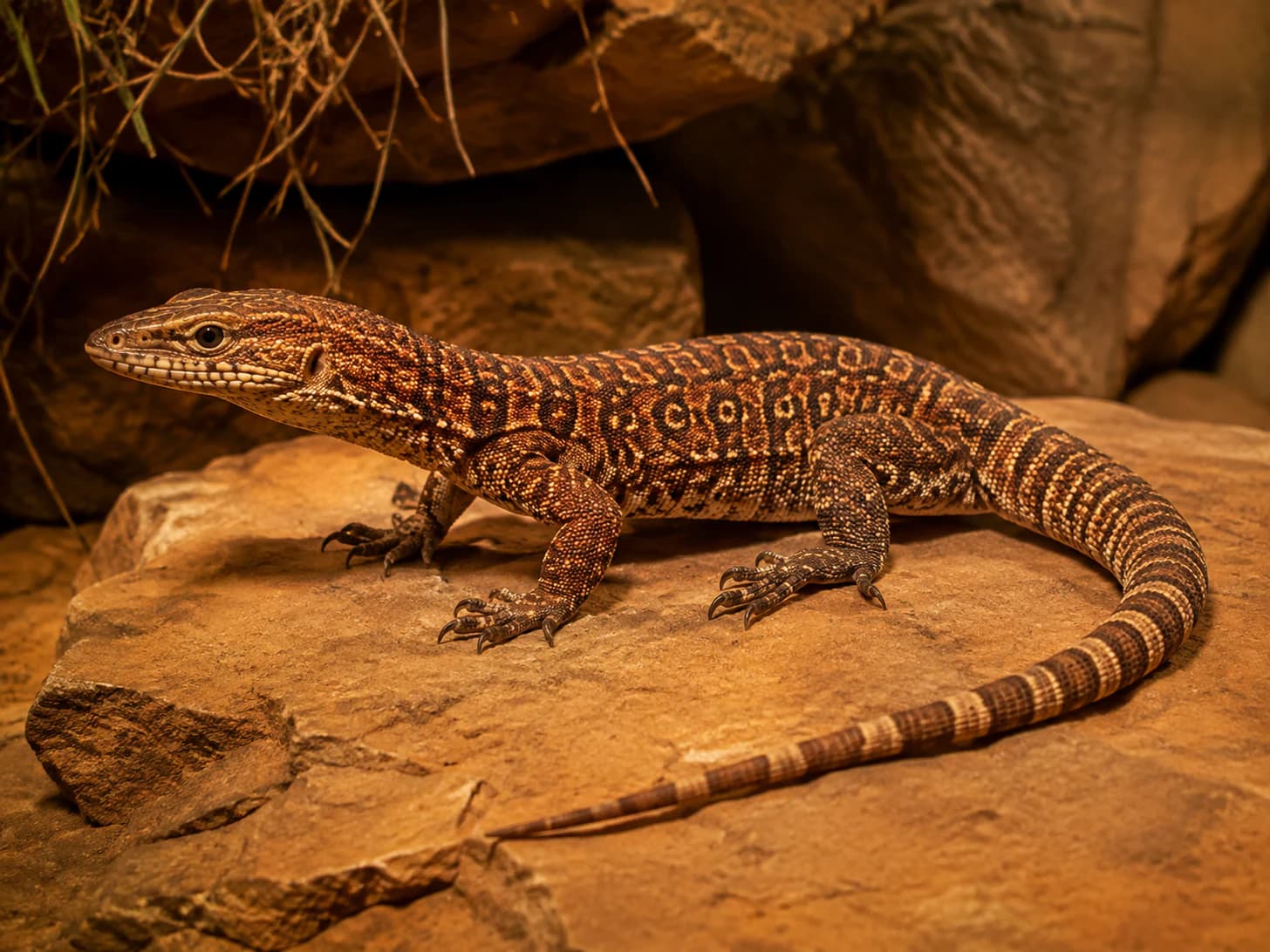
Ziggy has claimed the warm rock by the back wall and is not receiving visitors until the sun moves.
FrostyOtter · 6 days ago
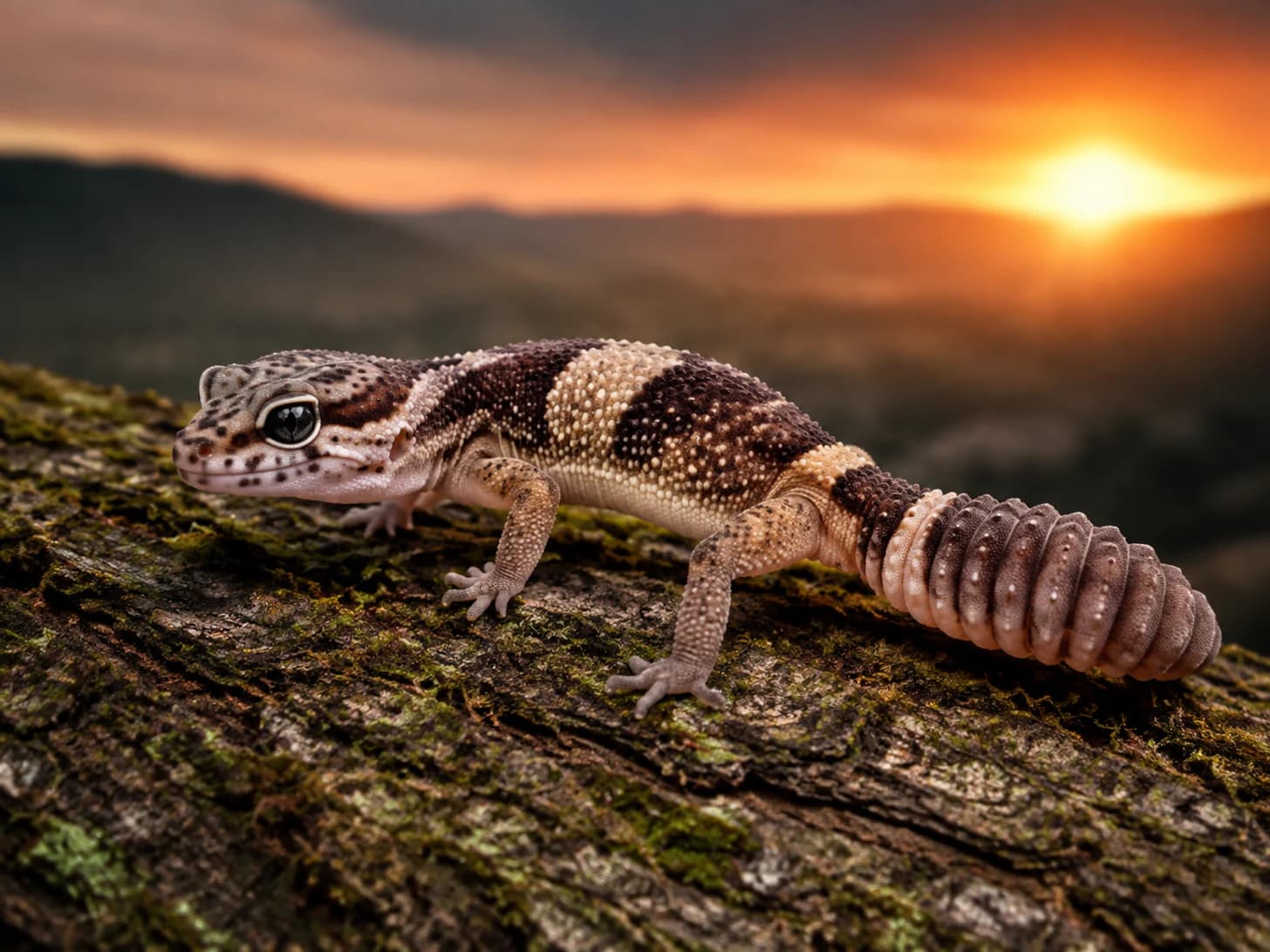
Pebble climbed the mossy log to watch the sun go down, which took him the entire evening.
FrostyOtter · 6 days ago
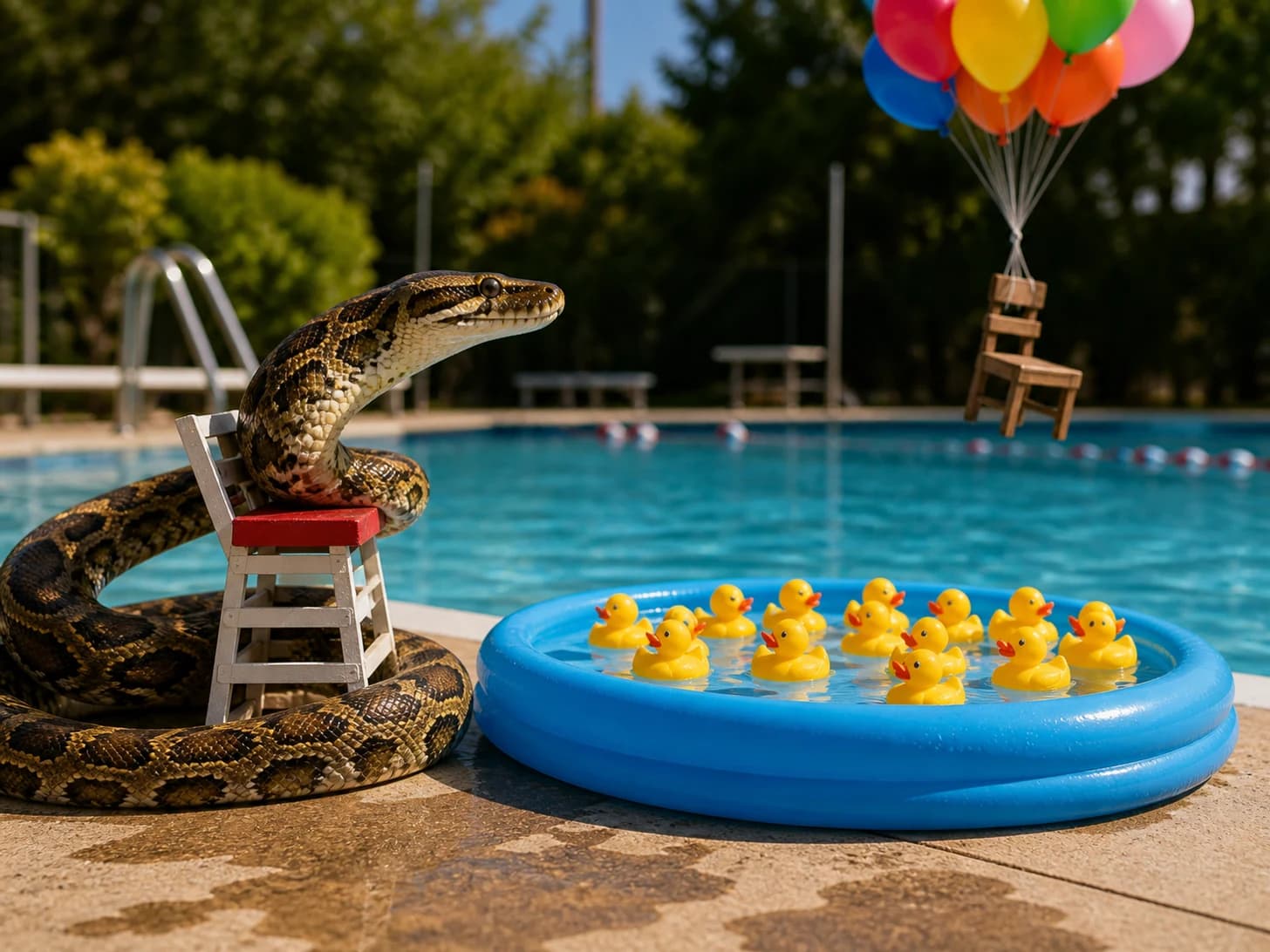
Fig III has appointed herself lifeguard, and the entire duck population has been moved to the shallow pool for safety.
FrostyOtter · 1 week ago
General guidance, not veterinary advice. Anything about a specific animal is a question for a vet who has seen it.
A place to start rather than the whole list. Every name is a page.
The usual first reptile, and deservedly: small, ground-dwelling, tolerant of handling and content with a simple set-up. Still needs a thermostat, a calcium dish and live insects.
The most personable lizard commonly kept, eight to twelve years, and the one most often kept in too small a vivarium with too weak a UVB bulb. Omnivorous — insects when young, greens as an adult.
Docile, manageable and thirty years or more, which is the number to sit with before buying. Famous for refusing food for weeks at a time, which is usually normal and occasionally not.
A heavy-bodied, ground-dwelling omnivore with genuine personality and a taste for being handled once it knows you. Needs floor space rather than height, and a varied diet.
Named for the hinged shell it can close completely. Fifty years is unremarkable and past a hundred is documented, so this is an animal that gets written into a will.
Hardy, active and straightforward to keep — a good first snake, with the caveat that kingsnakes eat other snakes and must be housed strictly alone.
The subjects that come up on breed page after breed page, written out properly.
A reptile runs at the temperature you give it. Basking spots, thermal gradients, why UVB burns out before it stops glowing, and the thermostat that is not optional.

Light, height, focus and patience — what separates a good pet photo from a blurred one, and how to handle black cats, white dogs and animals that never sit still.

Heatstroke kills quickly and is entirely preventable. Which animals are at risk, the signs, and the cooling that current evidence actually supports.

Rescue animals arrive without a history and settle on their own timetable. What decompression means, what the first three months look like, and what helps.
Every breed somebody has posted, A to Z.