Bambino
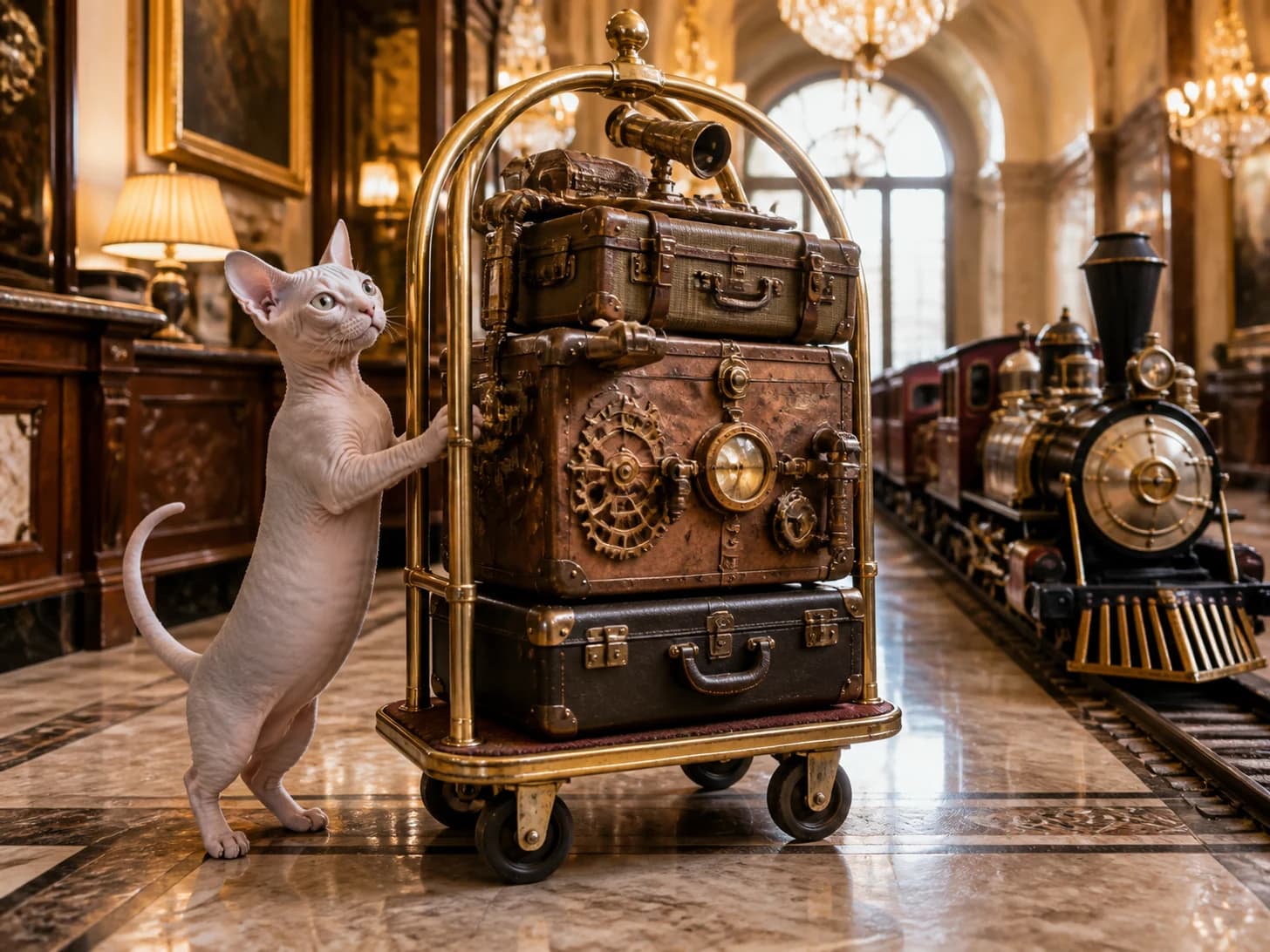
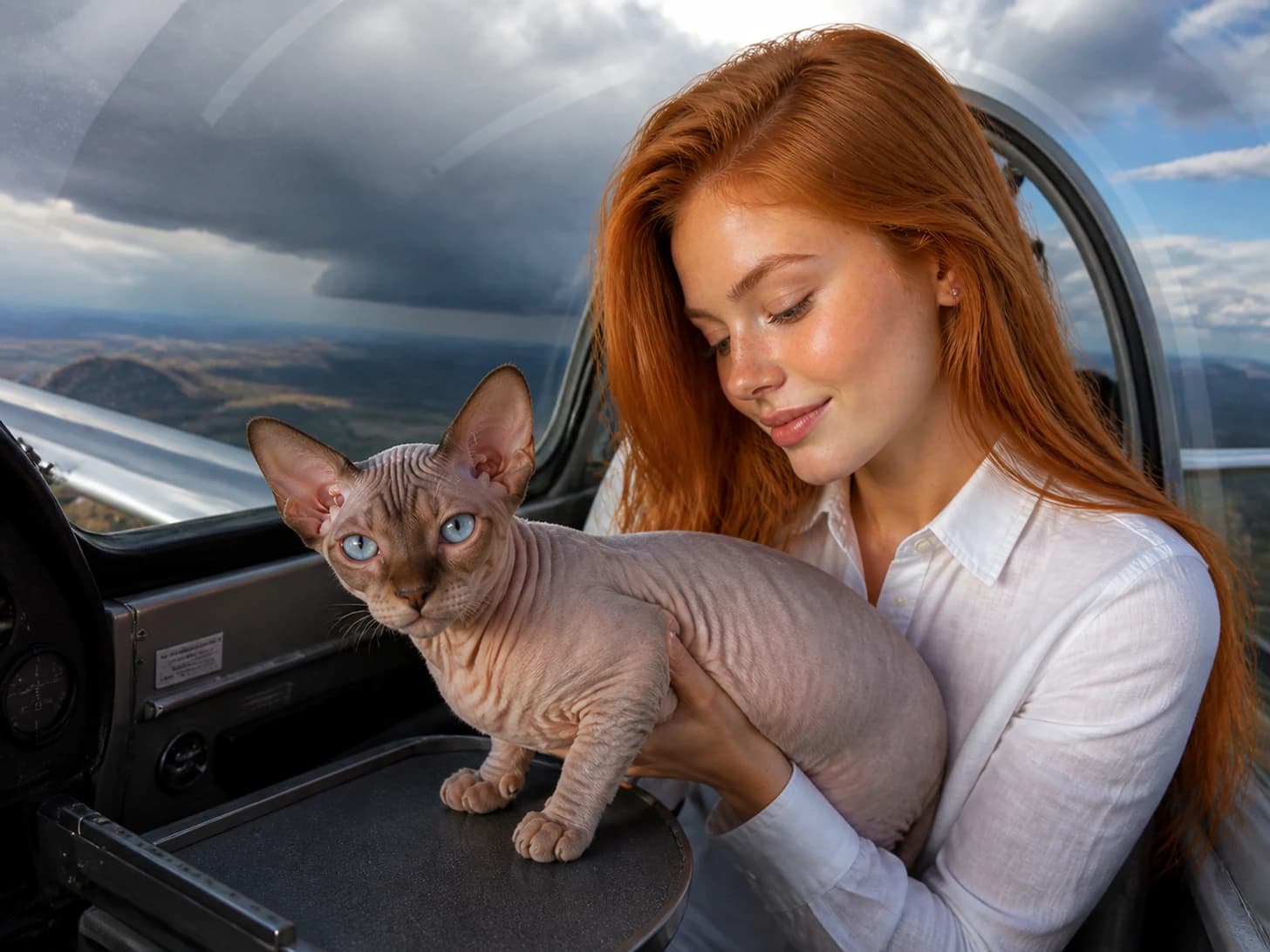
The Bambino is a cross of the Sphynx and the Munchkin: a hairless cat on short legs.
It was developed in the United States in the early 2000s and is recognised by TICA as an experimental breed.
It weighs 2 to 4 kilograms, has the wrinkled, warm, suede-textured skin of a Sphynx and the shortened limbs of a Munchkin, and is generally affectionate, energetic and highly people-oriented. It also combines the management requirements of both parent breeds — the skin care and heat regulation of a hairless cat, and the reach limitations and skeletal risks of a dwarf one — which is a demanding combination and is the main thing to understand before taking one on.
2 bambino photos, newest first
Living with a bambino
The skin needs washing. Without a coat to absorb it, sebum builds up and leaves the skin greasy, and folds and nail beds collect it — most Bambinos need a bath every week or two and their ears cleaned regularly.
They lose heat constantly and eat more because of it. Keep the house warm, provide beds with sides and blankets to burrow under, and never let one out in the cold. They also sunburn, so no unshaded windows.
Short legs mean everything must be reachable. Low-sided litter trays, steps to favourite perches, food and water at floor level.
Hypertrophic cardiomyopathy is common in Sphynx lines and heritable. Ask whether the parents were scanned by a cardiologist, and have the cat echoed periodically.
Ask about lordosis and pectus excavatum too. Both occur in short-legged lines and are checked for in kittens.
General guidance, not veterinary advice. Individual cats vary, and anything about a specific animal is a question for a vet who has seen it.
Worth reading alongside this
More cats by breed
Every cat breed somebody has posted a photo of.