Siberian
The Siberian is Russia's national cat, a natural landrace from the forests of Siberia recorded for centuries and formally standardised only in the late twentieth century.
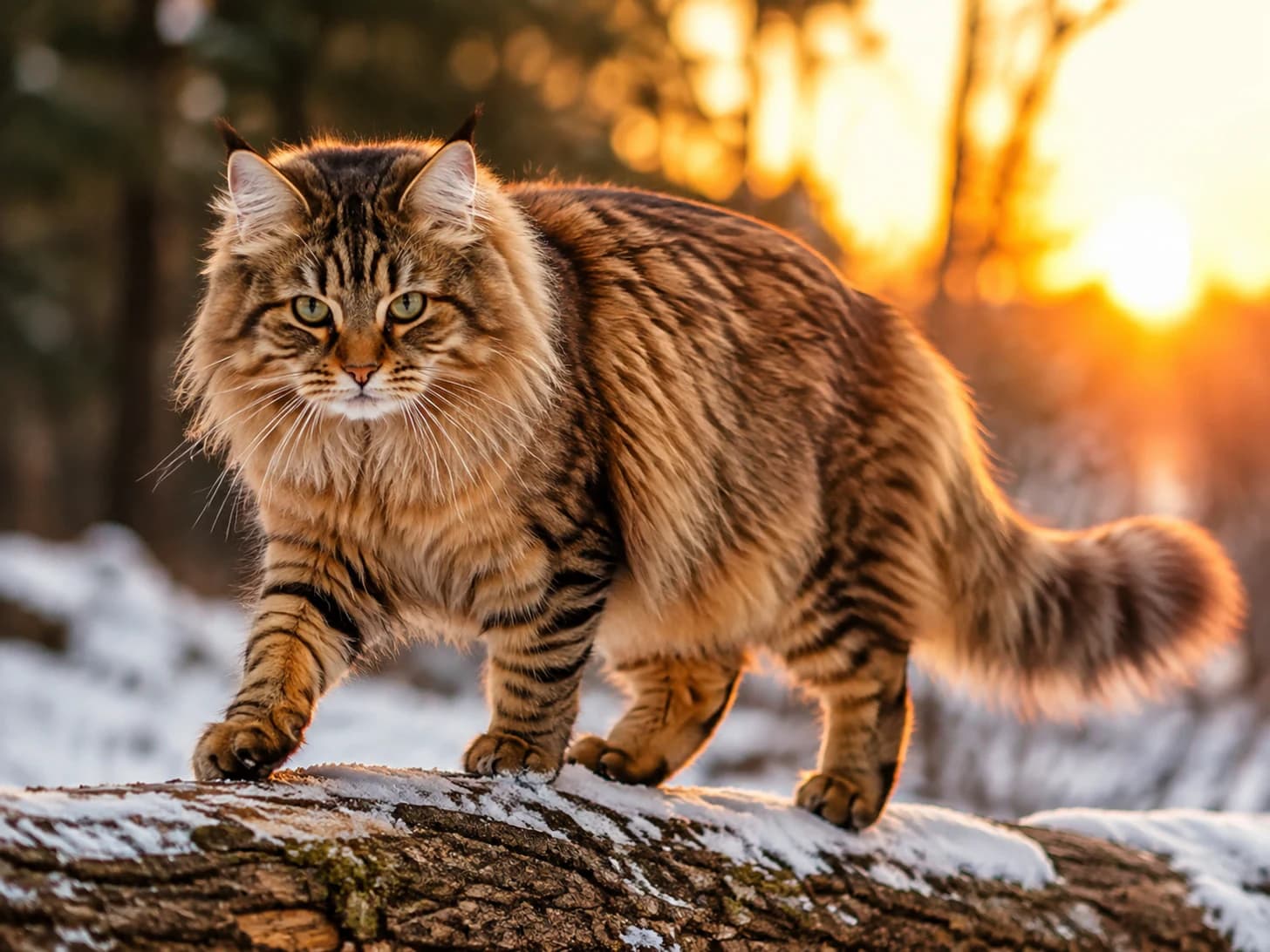
It is built for a hard climate: a dense triple coat with a heavy undercoat, a ruff, tufted ears and feet, and a full brush of a tail.
It weighs 4.5 to 9 kilograms, is powerfully built and slow to mature, taking up to five years to reach full size. It is agile despite its bulk and a notably good jumper. The breed is widely said to produce less of the Fel d 1 allergen than other cats, and there is some measured support for that, though it varies between individuals and is not a guarantee for any allergic person.
- Origin
- Siberia, Russia — a natural landrace
- Size
- 4.5–9 kg; males much larger
- Lifespan
- 12–18 years
- Coat
- Dense triple coat with heavy undercoat, ruff and tufted ears
- Maturity
- Slow — up to five years
- Health
- Hypertrophic cardiomyopathy; screen by echocardiogram
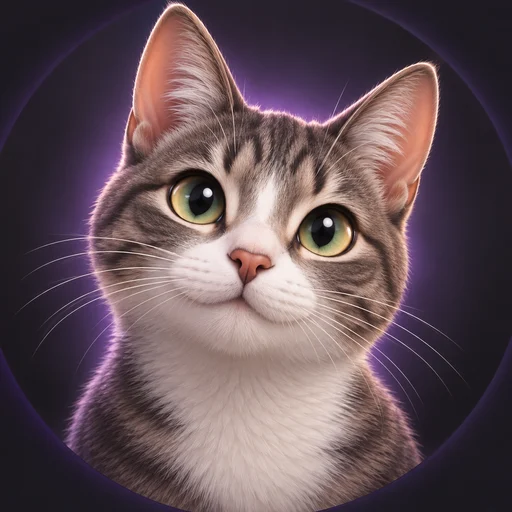
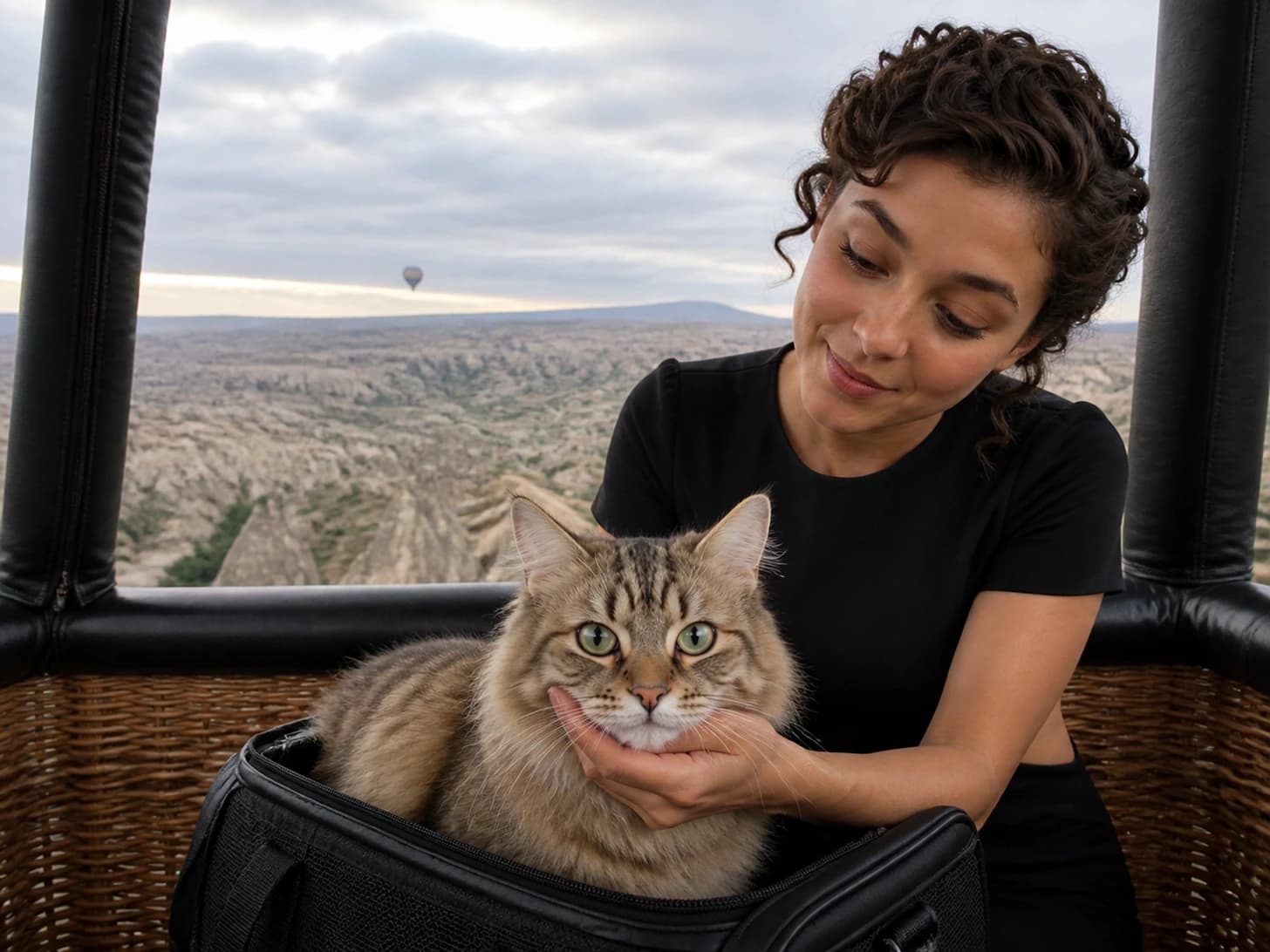
3 siberian photos, newest first

Living with a siberian
Test the allergy claim on the actual cat. Fel d 1 levels vary widely between individual Siberians, and the breed average being lower does not help if the particular cat is a high producer. Spend real time with the cat, ideally in its own home, before committing.
Ask about cardiac screening. Hypertrophic cardiomyopathy occurs in the breed and is detected by echocardiogram rather than DNA test.
The triple coat needs brushing two or three times a week, and daily during the heavy spring moult, when a startling amount of undercoat comes out at once.
Feed as a growing cat for longer than usual given the slow maturity.
They are athletic and playful and want height and activity. Many enjoy water.
General guidance, not veterinary advice. Individual cats vary, and anything about a specific animal is a question for a vet who has seen it.
Worth reading alongside this
More cats by breed
Every cat breed somebody has posted a photo of.