Sokoke
The Sokoke comes from the Arabuko-Sokoke forest on the Kenyan coast, where it lives as a wild-living but genetically domestic landrace known locally as the khadzonzo.
It was noticed by a European resident in 1978 and a few were exported to Denmark, from which the western population descends.
It weighs 3 to 5 kilograms, is lean and long-legged with a short coat carrying a blotched tabby pattern that has a distinctive translucent, wood-grain quality. It is very rare. Genetic studies place it among the domestic cats of the Kenyan coast rather than showing any wild ancestry. Temperament is active, agile and vocal, with a strong attachment to its own people.
- Origin
- Arabuko-Sokoke forest, Kenya — a natural landrace
- Size
- 3–5 kg
- Lifespan
- 12–15 years
- Coat
- Short, with a blotched wood-grain tabby pattern
- Build
- Lean and long-legged, with a light springy gait
- Health
- Broad natural origin, but a very small western population
Related: Tabby
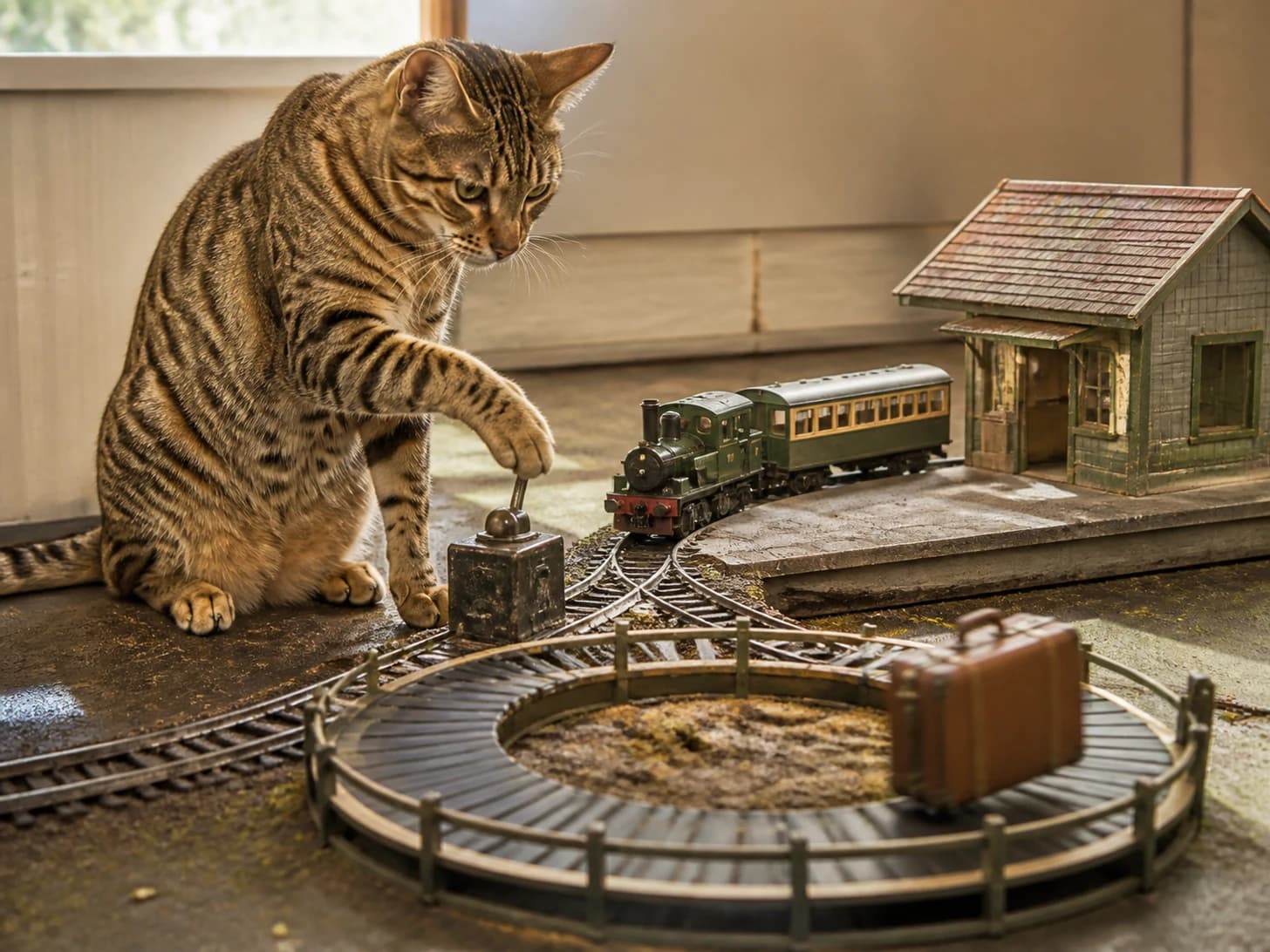
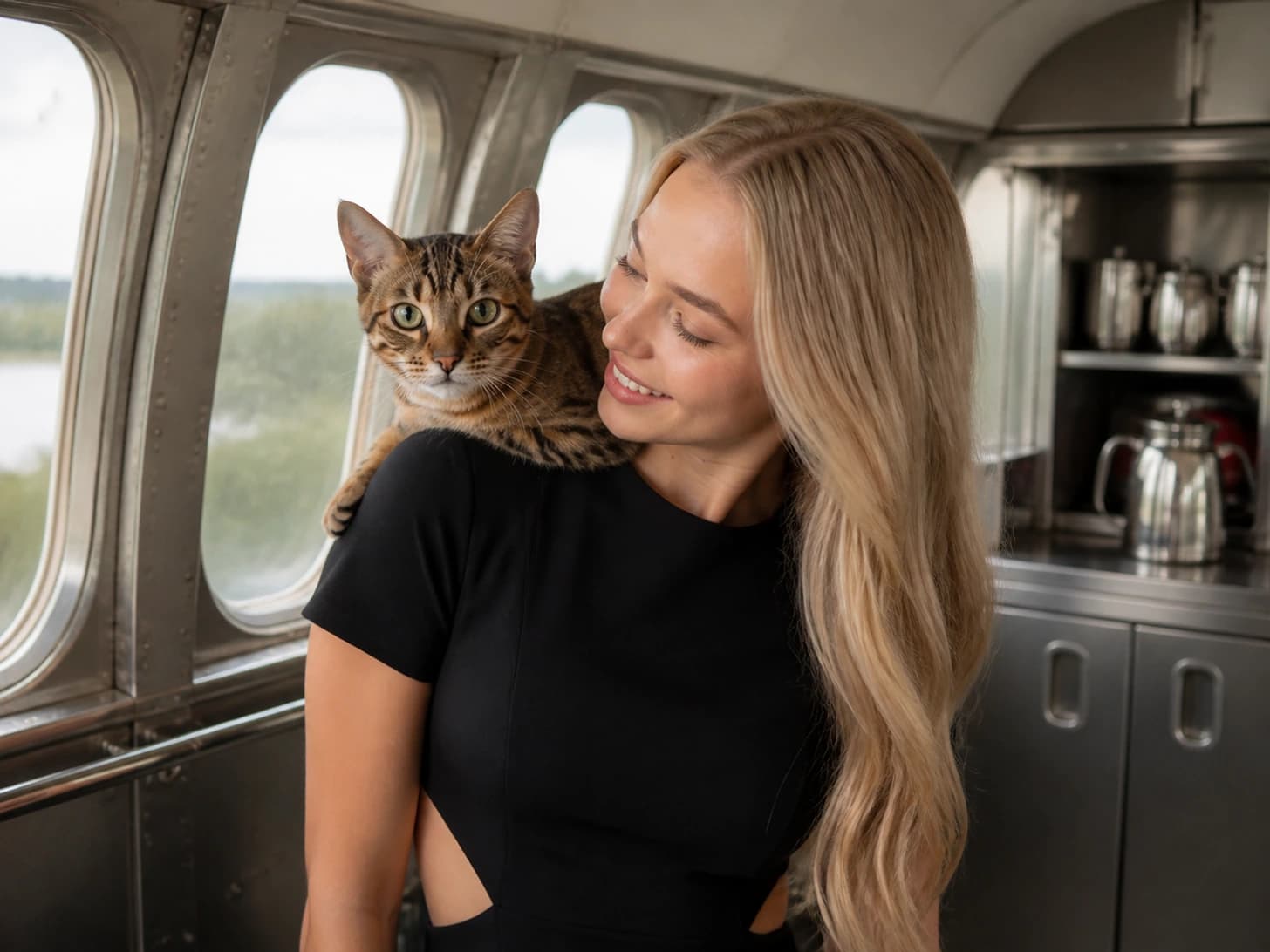
2 sokoke photos, newest first

Living with a sokoke
The coat is short and sparse with little undercoat, so they feel the cold. In a temperate climate they need warm sleeping places, and they are not a cat to leave outdoors in winter.
Grooming is minimal — a weekly hand-groom.
They are very active and athletic, want height and climbing, and are strongly attached to their people while being wary of strangers.
The breed is extremely rare in the West and descends from a handful of exported cats, so the western gene pool is narrow even though the source population was not. Ask breeders about outcrossing to Kenyan imports, which some registries permit.
No breed-specific inherited disease is documented, and ordinary preventive care covers it.
General guidance, not veterinary advice. Individual cats vary, and anything about a specific animal is a question for a vet who has seen it.
Worth reading alongside this
More cats by breed
Every cat breed somebody has posted a photo of.