American bobtail
The American Bobtail was developed in the United States from the 1960s, from a short-tailed tabby kitten found in Arizona.
The bobtail comes from a dominant mutation and is genetically distinct from both the Manx and the Japanese Bobtail — importantly, it is not associated with the spinal problems the Manx gene causes.
It weighs 3 to 7 kilograms, is substantial and rectangular with a shaggy coat in short or long lengths, and has a tail of 2.5 to 10 centimetres, which is expressive and no two of which are alike. It matures slowly, taking two to three years to reach full size, and has a reputation for a dog-like temperament — following people, greeting visitors and travelling well.
- Origin
- United States, from the 1960s
- Size
- 3–7 kg; males considerably larger
- Lifespan
- 13–15 years
- Coat
- Shaggy, short or long, in all colours
- Tail
- 2.5–10 cm; a dominant gene unrelated to the Manx
- Temperament
- Dog-like, sociable, travels well
Related: Japanese bobtail · Manx · Tabby · American curl · American ringtail
2 american bobtail photos, newest first
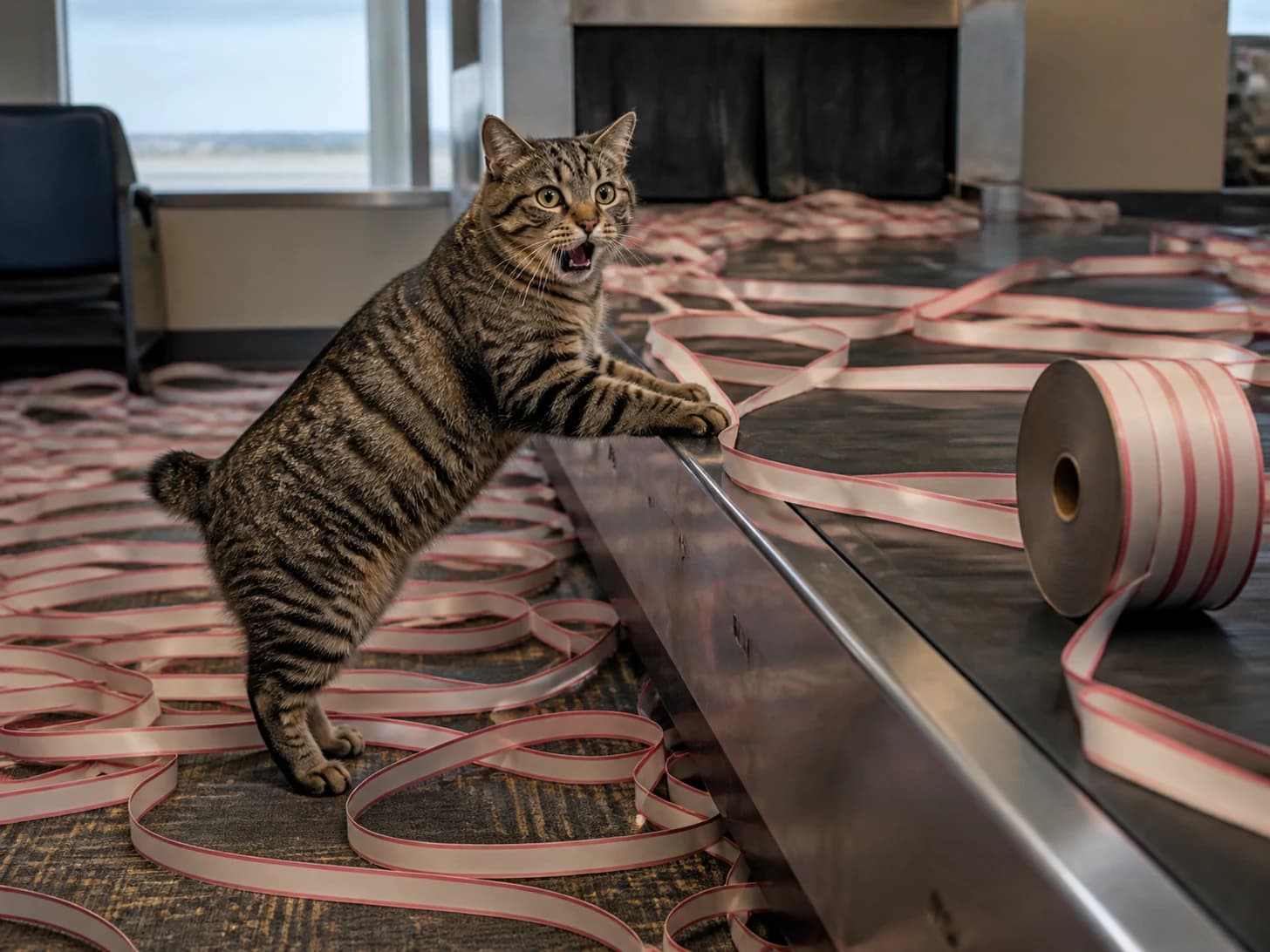
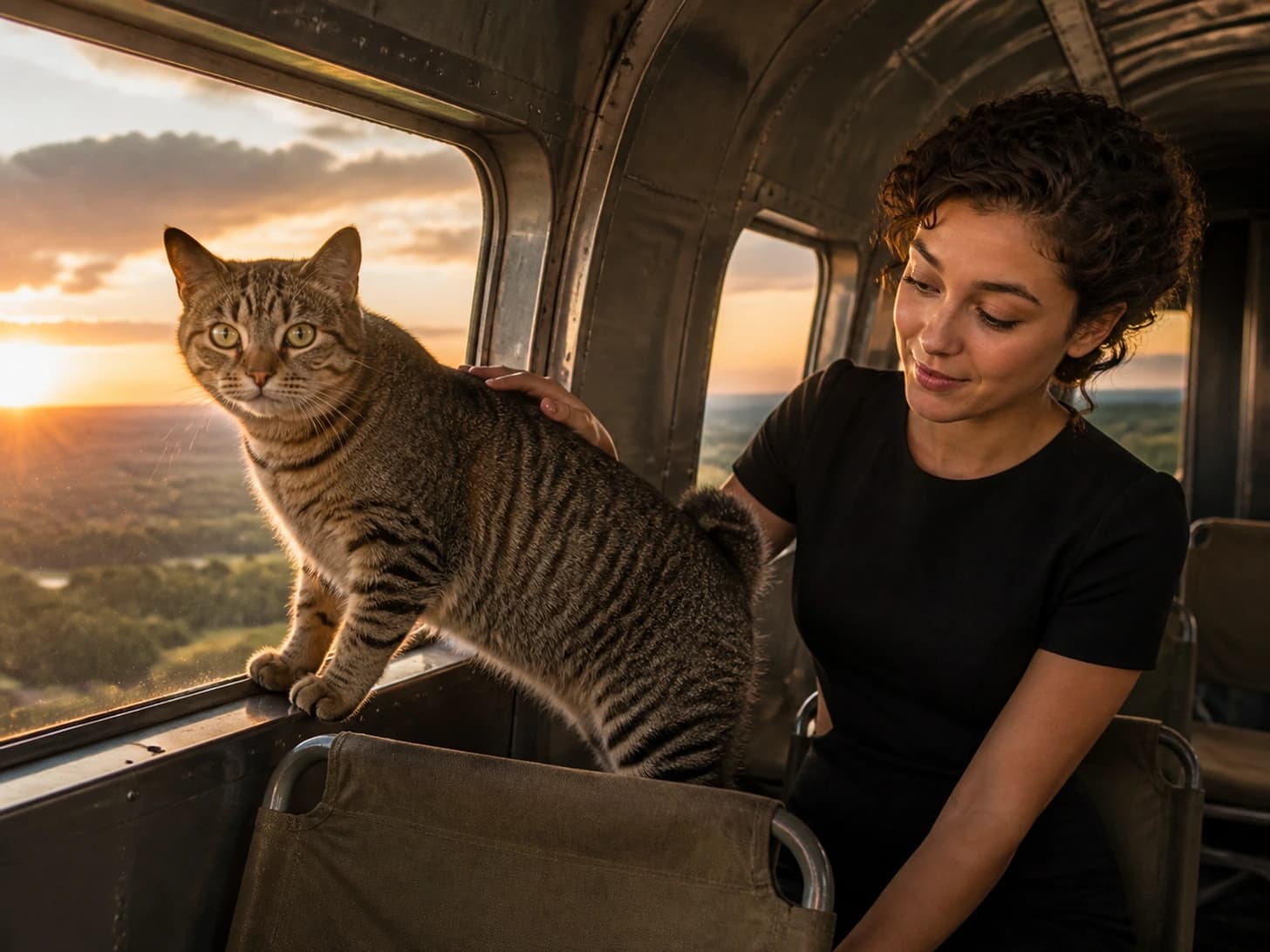
Living with a american bobtail
The bobtail here is not the Manx mutation and does not carry Manx syndrome. A short tail in this breed is not a health concern, and no tailless-to-tailless breeding restriction applies.
They mature slowly and should be fed as growing cats for longer than usual — two to three years to full size.
Brush twice weekly for shorthairs and several times a week for longhairs. The shaggy double coat sheds seasonally and heavily.
They are notably sociable and interactive, and they do badly as a cat left alone all day. Many owners keep two.
They are also among the easier cats to lead-train and to take travelling, which suits people who want that and is worth knowing if you do not.
General guidance, not veterinary advice. Individual cats vary, and anything about a specific animal is a question for a vet who has seen it.
Worth reading alongside this
More cats by breed
Every cat breed somebody has posted a photo of.