Havana brown
The Havana Brown was created in England in the 1950s by crossing Siamese with black domestic shorthairs, aiming for a solid warm brown cat with green eyes.
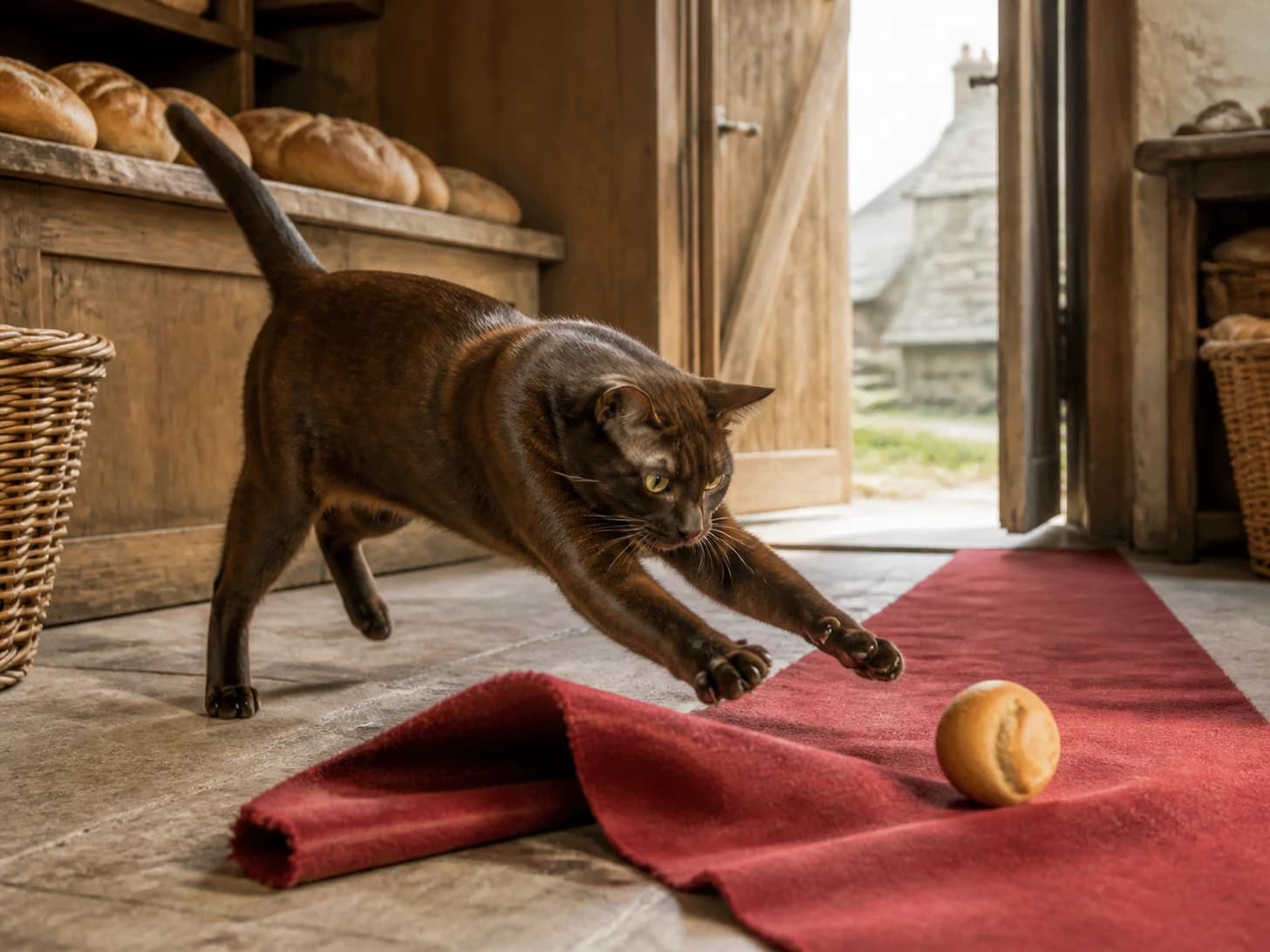
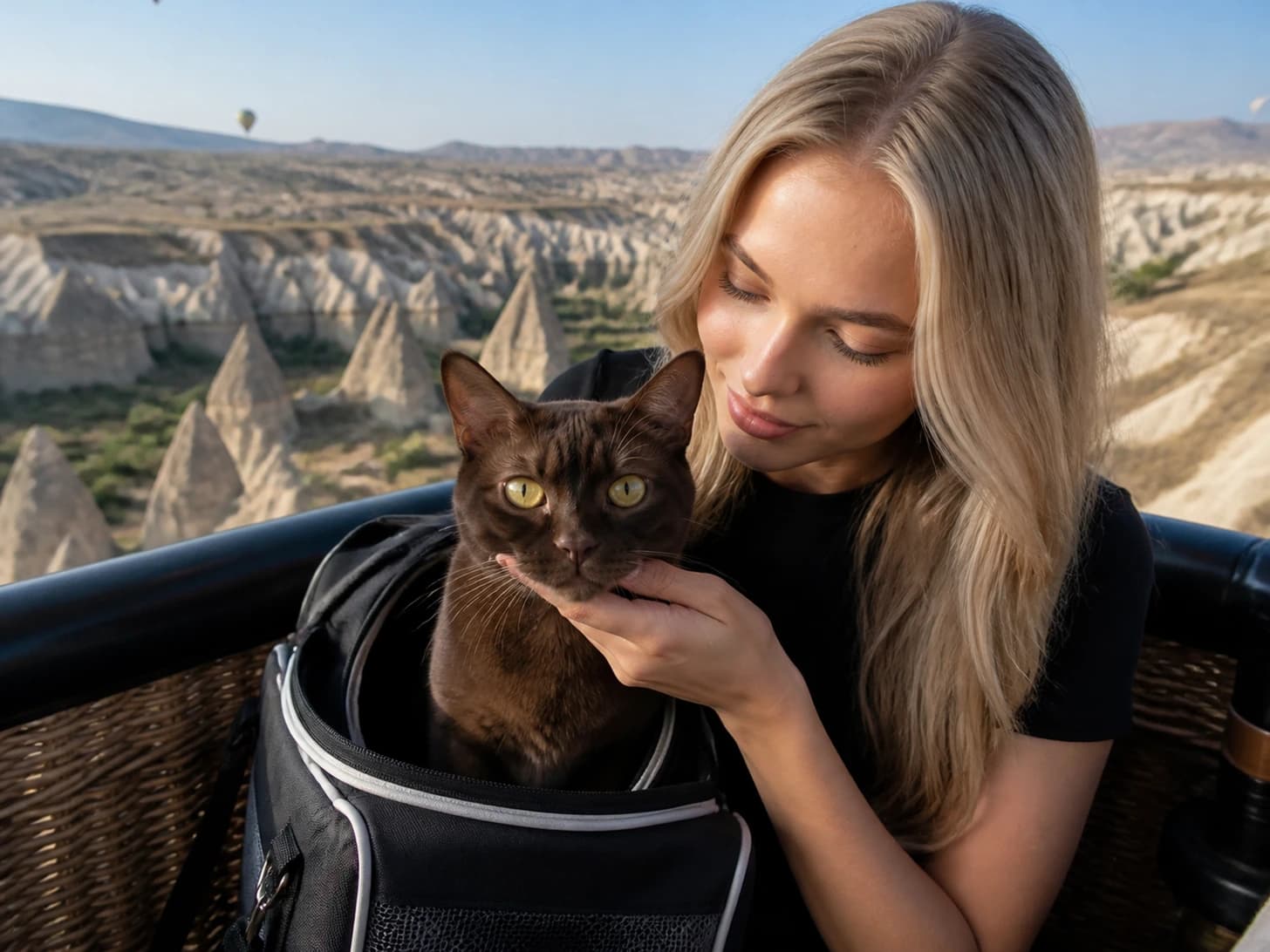
It is a rich mahogany-brown throughout, including the whiskers — the only breed with a standard specifying whisker colour.
It weighs 3 to 4.5 kilograms, medium and muscular, with a distinctive head shape longer than it is wide and a pronounced muzzle break. It is one of the rarest breeds in the world, with a very small number of breeding cats, and outcrossing to specific approved breeds is permitted precisely to keep the gene pool viable. Temperament is affectionate, curious and notably hands-on — Havanas investigate with their paws.
- Origin
- England, 1950s, from Siamese and black domestic shorthairs
- Size
- 3–4.5 kg
- Lifespan
- 12–15 years
- Coat
- Solid warm mahogany brown; brown whiskers
- Status
- Very rare; outcrossing permitted to maintain the gene pool
- Temperament
- Affectionate, curious, uses its paws to investigate
Related: Siamese
2 havana brown photos, newest first
Living with a havana brown
The small gene pool is the breed's central issue, and the registries' response — permitting outcrossing to approved breeds — is the right one. Ask a breeder how they manage genetic diversity, and treat an answer about keeping the line pure as a warning rather than a boast.
No single inherited disease dominates the breed, but limited diversity raises general risk, and some lines have reported upper respiratory sensitivity.
The coat is short and easy — weekly brushing, and a chamois for shine.
They are people-oriented and dislike being alone. A companion helps.
Annual checks with attention to teeth, since Siamese ancestry brings a narrow jaw and early periodontal disease.
General guidance, not veterinary advice. Individual cats vary, and anything about a specific animal is a question for a vet who has seen it.
Worth reading alongside this
More cats by breed
Every cat breed somebody has posted a photo of.