Dwelf
The Dwelf is a three-way cross: Sphynx for hairlessness, Munchkin for short legs, and American Curl for backward-curling ears.
It was developed in the United States in the 2000s and remains very rare and not widely recognised by registries.
It weighs 1.8 to 3 kilograms — one of the smallest cats of any type — and is described by owners as bold, energetic and extremely people-oriented. It is also the clearest example of a breed created by stacking mutations: three separate structural traits combined for appearance, each with its own management burden, in an animal with a very small founding population. That is worth weighing carefully rather than treating as a curiosity.
- Origin
- United States, 2000s, from Sphynx, Munchkin and American Curl
- Size
- 1.8–3 kg
- Lifespan
- 12–15 years
- Coat
- None — bare, warm, wrinkled skin
- Build
- Short legs and backward-curling ears
- Health
- Combines Sphynx, munchkin and small-gene-pool concerns
Related: American curl · Munchkin · Sphynx
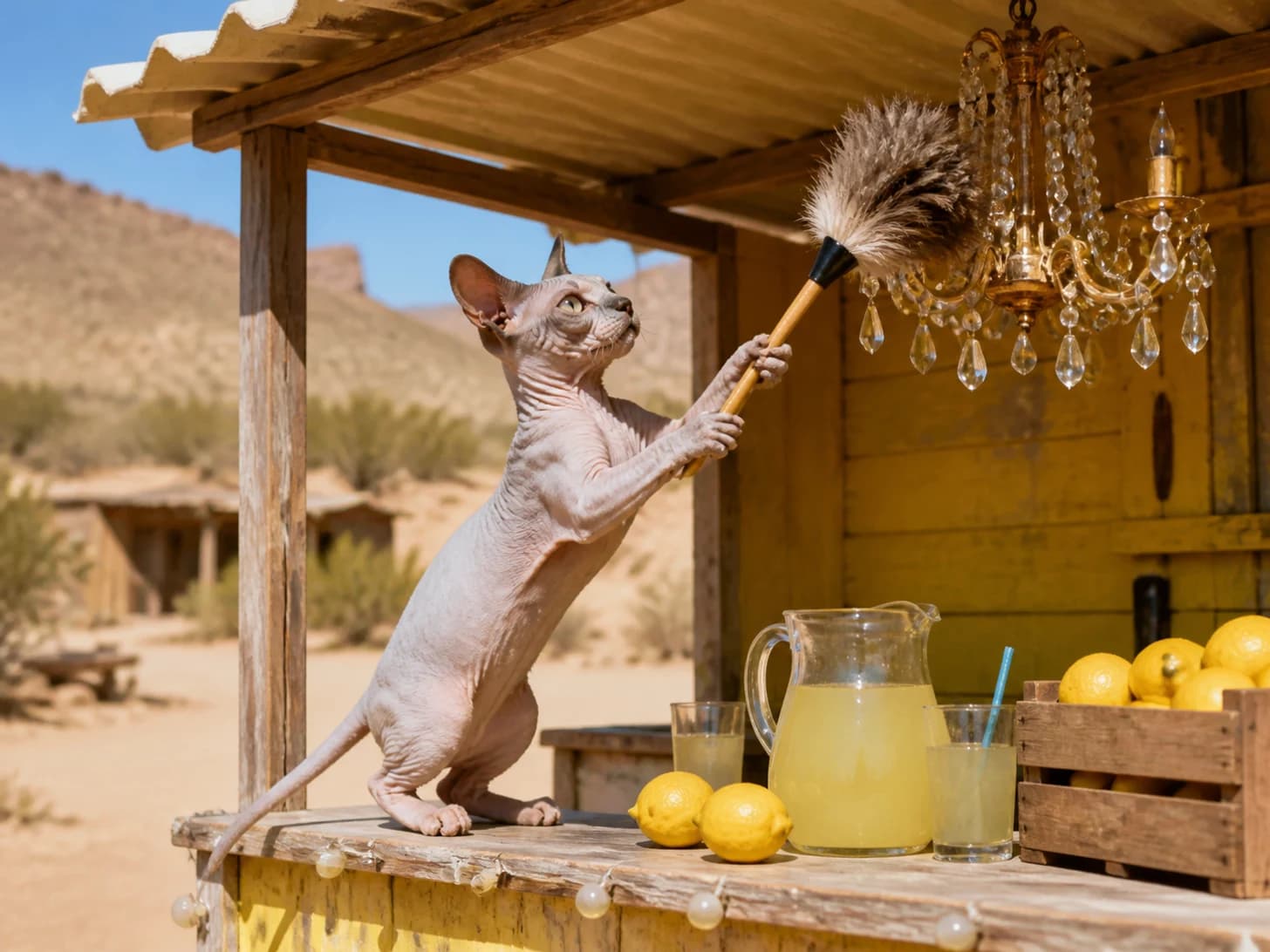
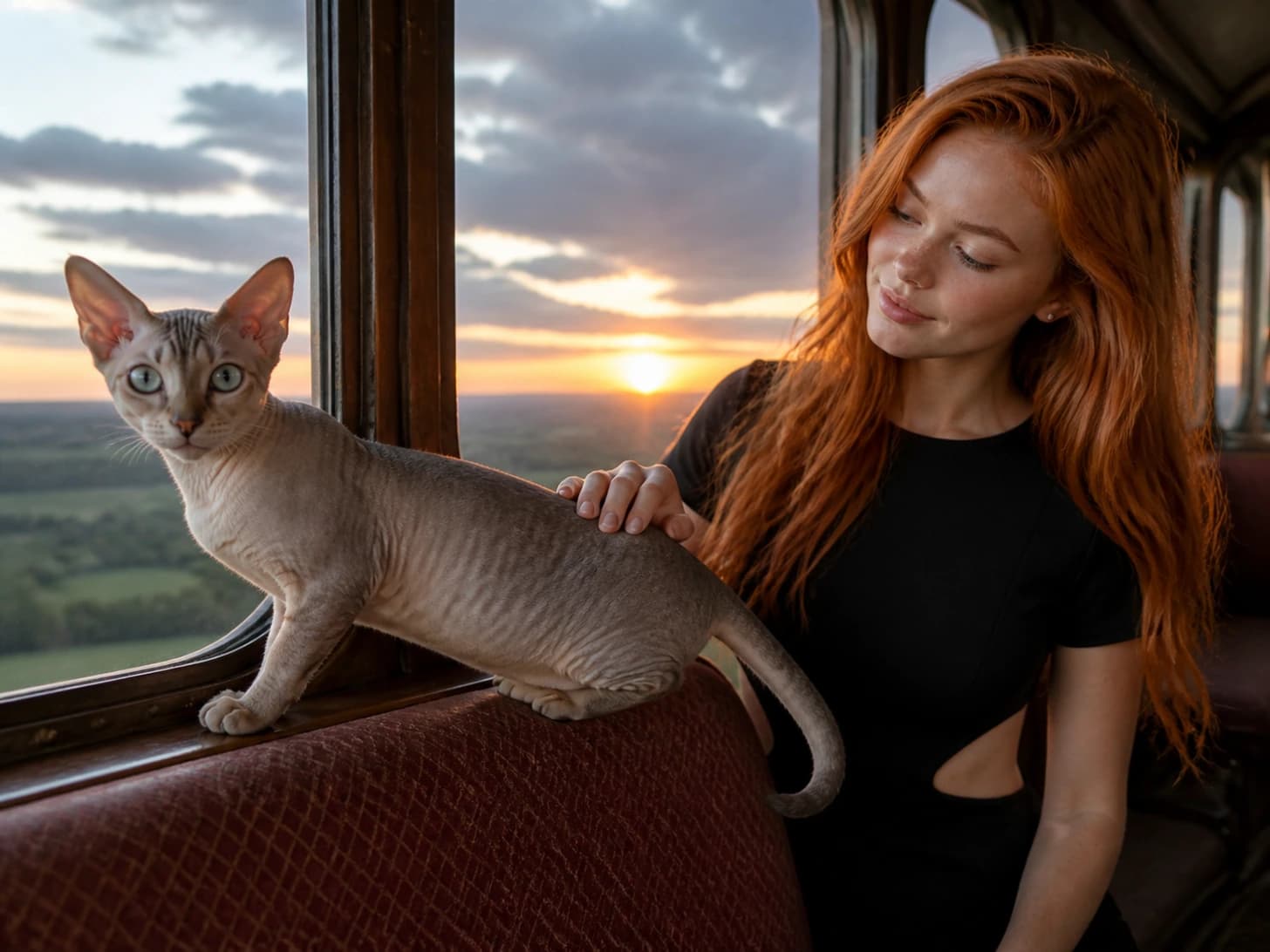
2 dwelf photos, newest first
Living with a dwelf
Everything a Sphynx needs, plus everything a Munchkin needs. Weekly bathing for the skin, ears cleaned regularly, a warm house, beds to burrow into, and no unshaded sun.
Short legs mean low-sided litter trays, steps to any height, and food and water at floor level.
The curled ears are firm cartilage and can be damaged by rough handling. Clean them gently and never force the fold.
Hypertrophic cardiomyopathy runs in Sphynx lines — ask about cardiac screening of the parents and have the cat echoed.
The founding population is tiny, which concentrates whatever else is in it. Buy only from a breeder who will discuss health testing and outcrossing in specific terms, and treat vagueness as an answer in itself.
General guidance, not veterinary advice. Individual cats vary, and anything about a specific animal is a question for a vet who has seen it.
Worth reading alongside this
More cats by breed
Every cat breed somebody has posted a photo of.