Highlander
The Highlander was developed in the United States from 2004, combining a curled ear with a short tail in a large, muscular cat.
It descends from Desert Lynx and Jungle Curl lines, which despite their names are domestic cats — the breed has no recent wild ancestry and is registered by TICA as a preliminary new breed.
It weighs 4.5 to 11 kilograms, has a sloping forehead, a blunt muzzle, ears that curl gently backward and a tail of 2.5 to 15 centimetres. Coats come in short and long. Temperament is reported as boisterous, playful and highly social, and many enjoy water. It is a large, energetic cat that keeps kitten behaviour well into adulthood.
- Origin
- United States, from 2004
- Size
- 4.5–11 kg
- Lifespan
- 10–15 years
- Ears
- Curl gently backward
- Tail
- Short — 2.5–15 cm
- Ancestry
- Domestic, despite the lynx and jungle names in its lines
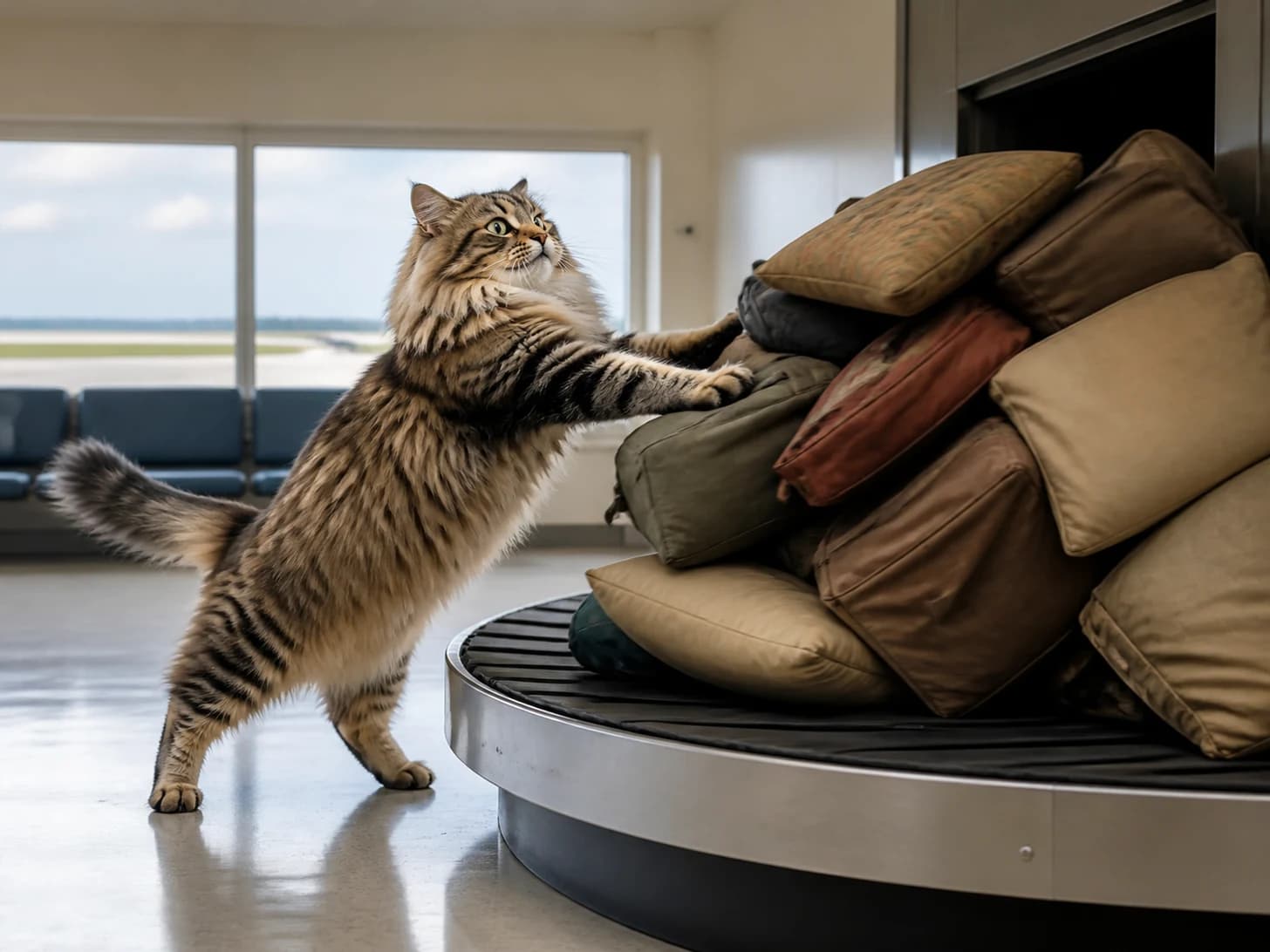
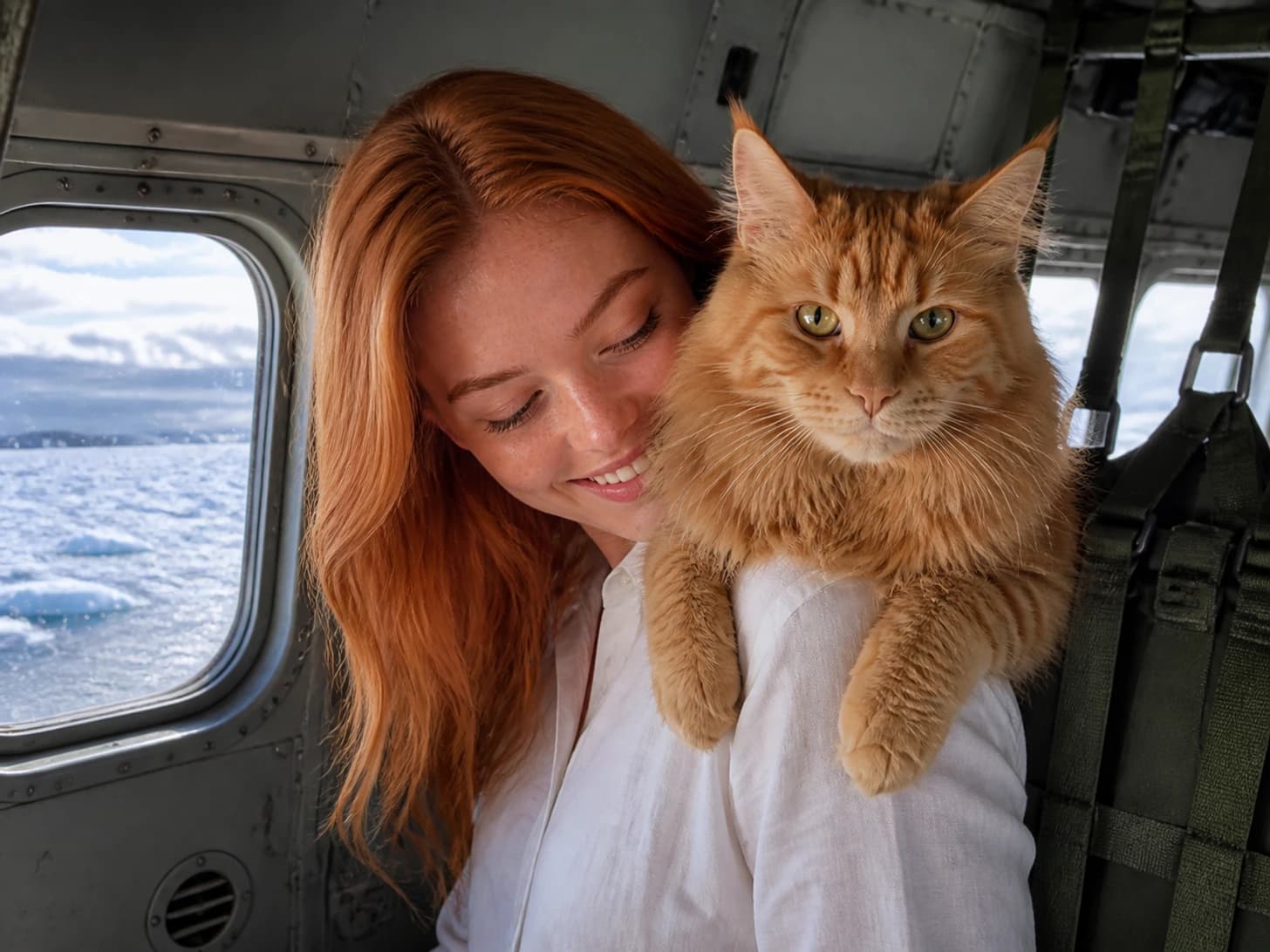
2 highlander photos, newest first
Living with a highlander
Handle the curled ears gently and never straighten them; the cartilage can be damaged. Clean them regularly, since the curl leaves the canal more exposed.
They are big, powerful and energetic, and they stay playful for years. Sturdy cat furniture, height, and daily hard play are needed rather than optional.
Many like water and will join a shower or play in a sink.
The breed is new and the population small, so the long-term health picture is not established. Ask any breeder what they test for and what they outcross to, and treat vagueness as informative.
Groom to coat length — weekly for short, several times weekly for long.
General guidance, not veterinary advice. Individual cats vary, and anything about a specific animal is a question for a vet who has seen it.
Worth reading alongside this
More cats by breed
Every cat breed somebody has posted a photo of.