Longer pieces about the things that decide what living with an animal is actually like — the emergency that kills a healthy dog in an afternoon, the four weeks a fish tank needs before any fish go in, why a rabbit that stops eating cannot wait until morning, and what to ask a breeder before any money changes hands.
Pick an animal below to see only the posts that apply to it. Many of these cut across several — what a flat face costs is a question for cats as much as dogs — so a post can sit under more than one, and the animals it covers are on the corner of its picture and at the top of the post itself.
Search goes straight to the post. It looks at the headline and at the words the breed pages use to link these, so “GDV” finds the bloat piece and “teflon” finds the one about what a bird breathes.
Subscribe and new posts come to you. The feed below is this blog. Every species and every breed page has one of its own as well, so you can follow just the animal you keep and hear about it whenever somebody adds a photo.
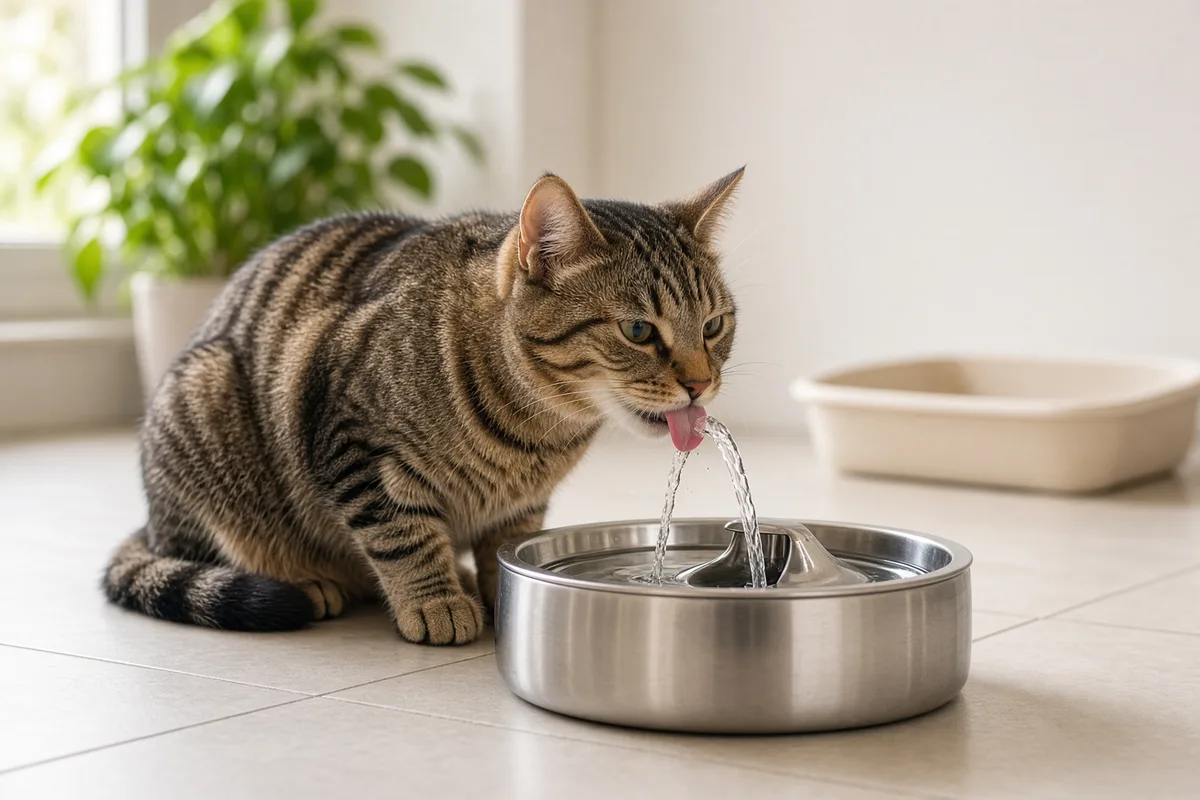
A cat straining in the litter tray and producing nothing is not constipated. In a male cat it is very likely a blocked urethra, and that is one of the few things on this site where the difference between going tonight and going tomorrow morning is the difference between a cat that comes home and one that does not.
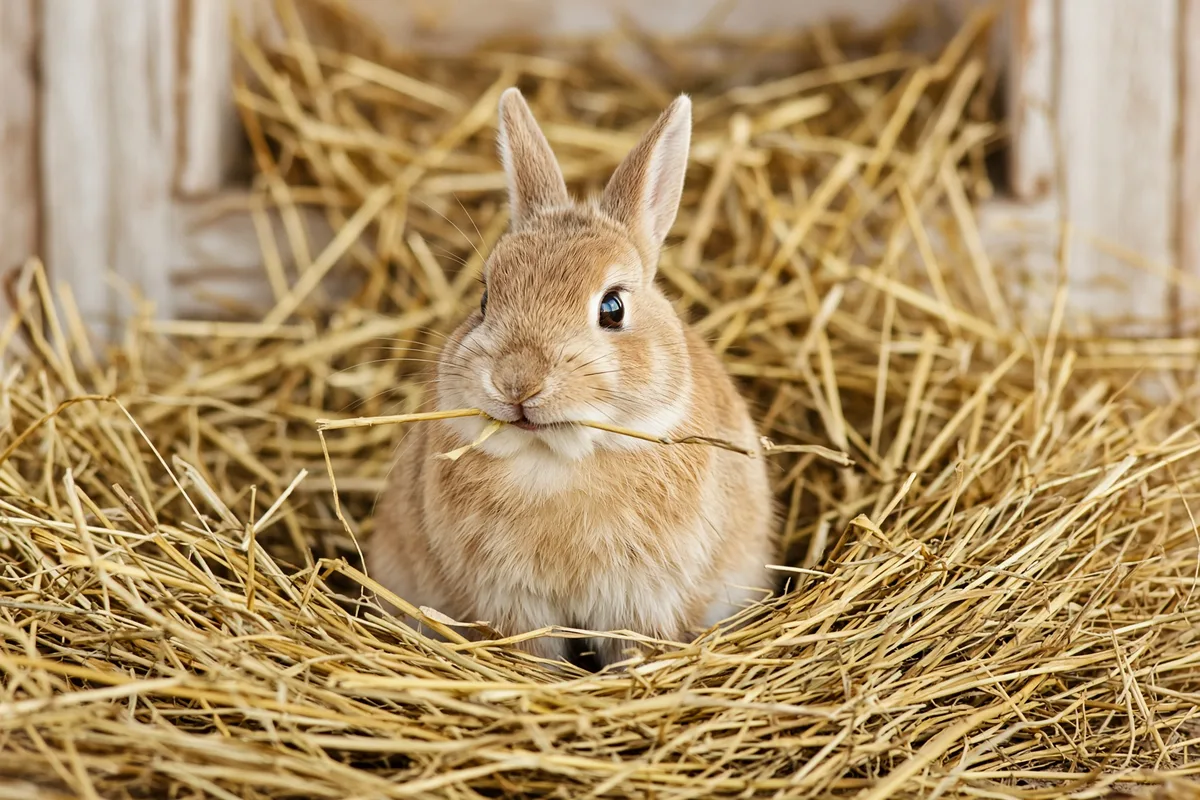
A dog that skips a meal is usually a dog that will eat later. A rabbit that skips a meal is a rabbit with a clock running. Its digestive system depends on constant movement, and once that movement stops it does not restart on its own — which makes not eating, in a rabbit, a symptom rather than a mood.
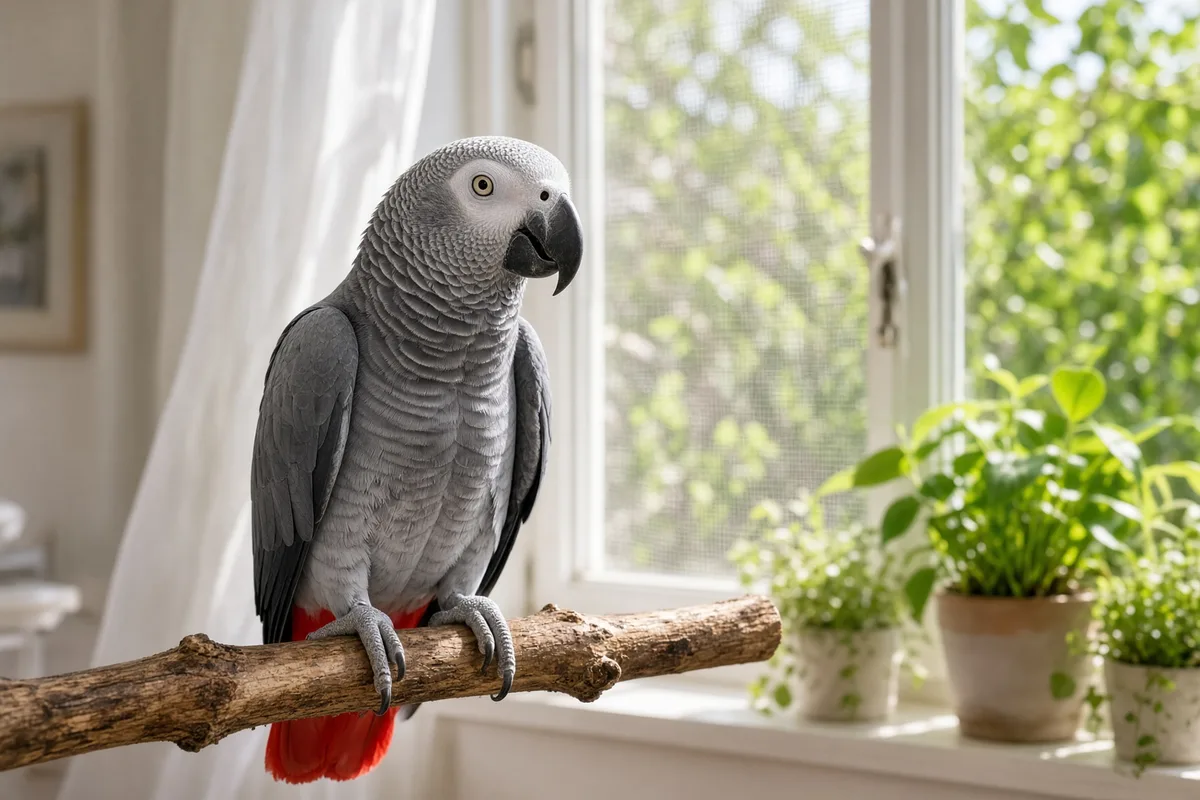
The canary in the coal mine was not a metaphor. A bird's respiratory system is more efficient than a mammal's by a wide margin, and the price of that efficiency is that anything in the air reaches the bloodstream faster and in greater quantity. A room that is merely stuffy to you can be lethal to a parrot on the windowsill.
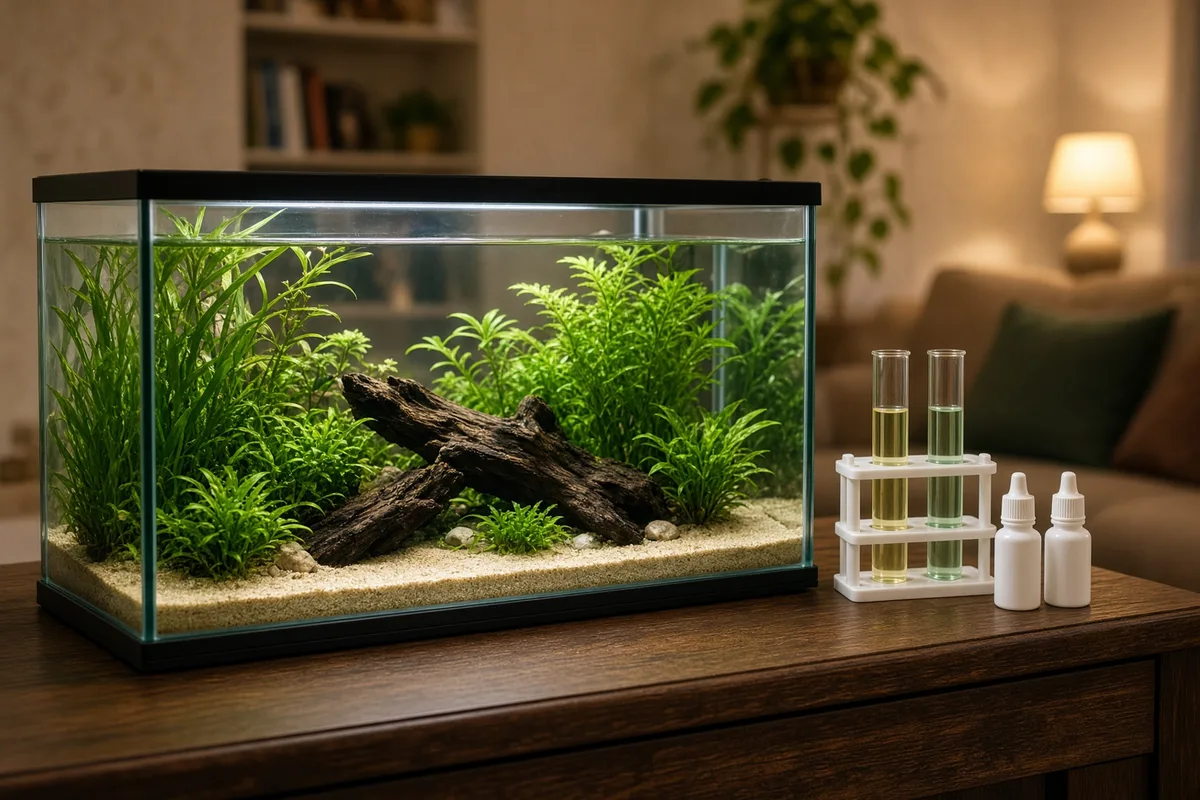
A new aquarium is not a bowl of water waiting for fish. It is a filter waiting for bacteria, and until that bacterial population exists the tank cannot process what fish produce. Nearly every first tank that goes wrong goes wrong for this one reason, and it is entirely avoidable by doing nothing for a month.
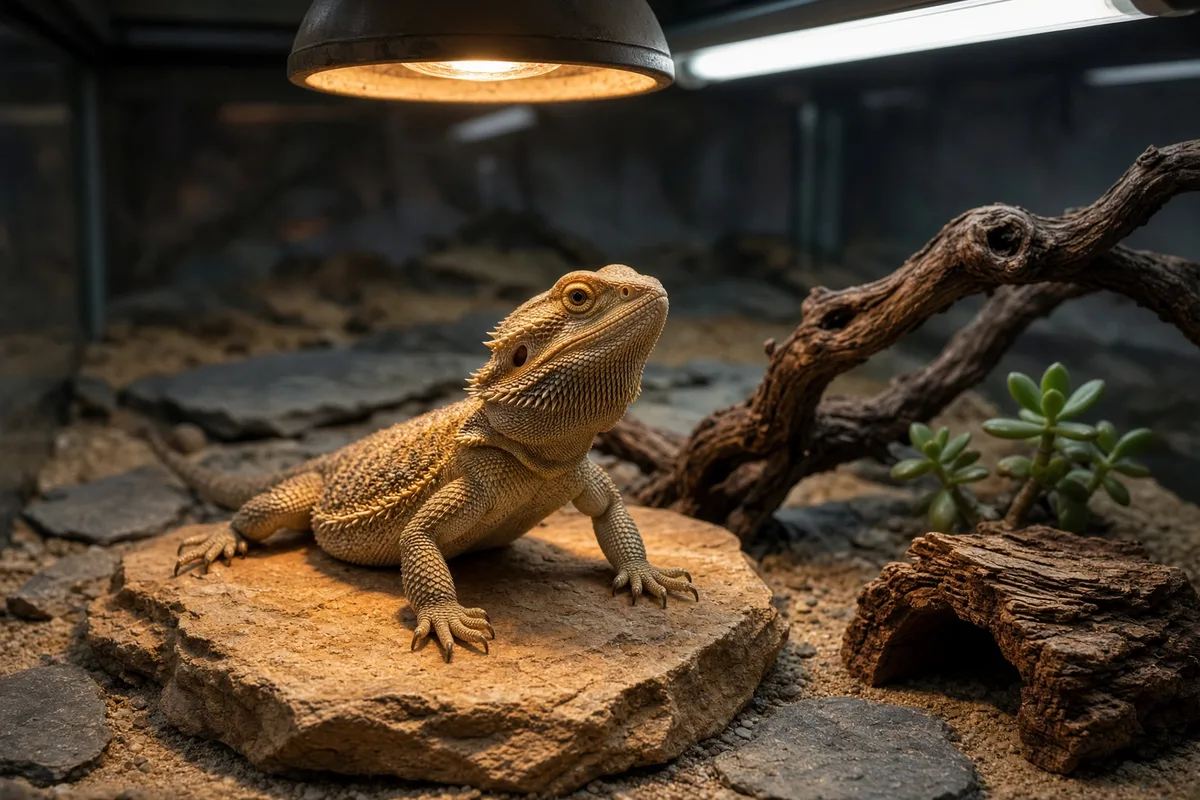
Almost every chronic illness in captive reptiles traces back to the enclosure rather than the animal: a basking spot a few degrees too cool, a UVB tube that has been on for two years, a heat source with nothing controlling it. Get the environment right and most of the rest looks after itself.
A hamster, a guinea pig, a rat or a gerbil will look completely normal until it is very nearly too late. They are prey animals, concealment is the strategy, and it works on owners as well as it works on hawks. The one thing that does not lie is the number on a set of kitchen scales.
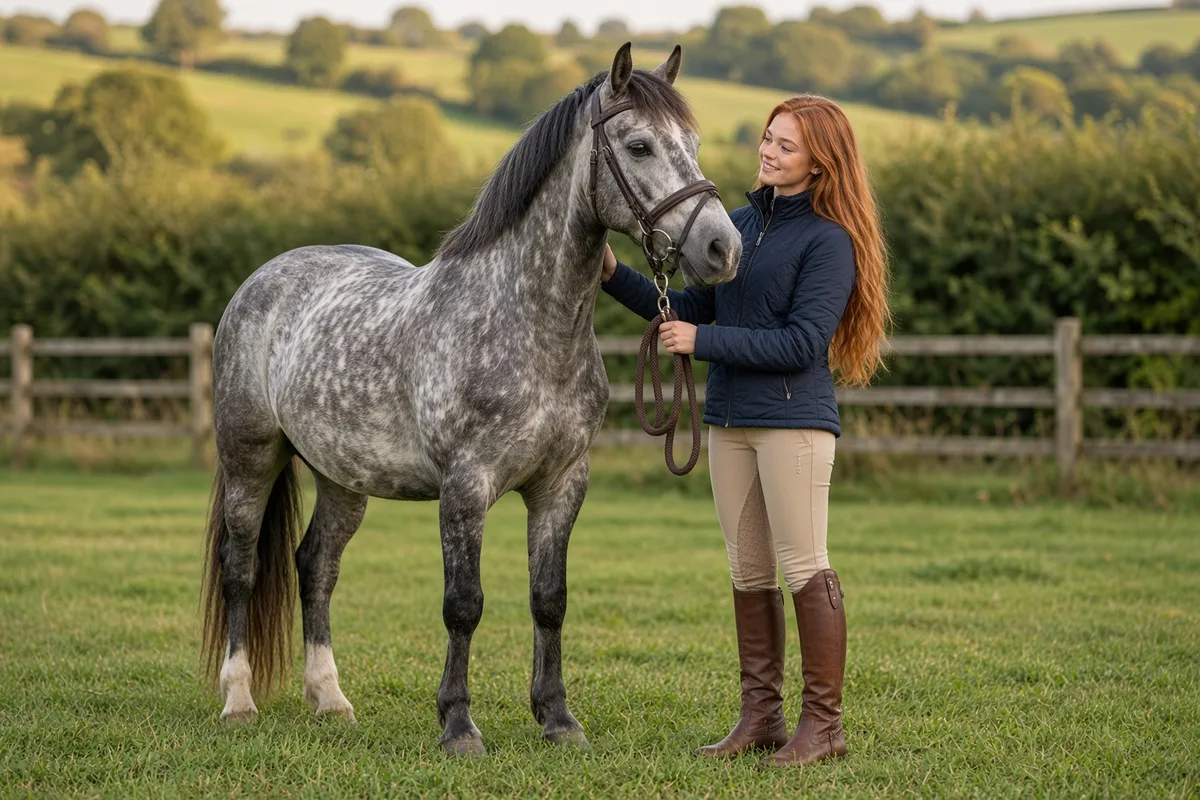
Laminitis is the reason a great many horses are put down, and the version most people picture — a fat pony turned out on spring grass — is only part of it. The majority of cases have an underlying hormonal cause that was there long before the grass came through, which means laminitis is largely a disease you can see coming.
Gastric dilatation-volvulus is the reason so many of the breed profiles on this site end with the words learn the signs of bloat. It takes a healthy dog and kills it the same day, it is commonest in the deep-chested breeds people most want to own, and the single thing that changes the outcome is how quickly the dog reaches a surgeon.
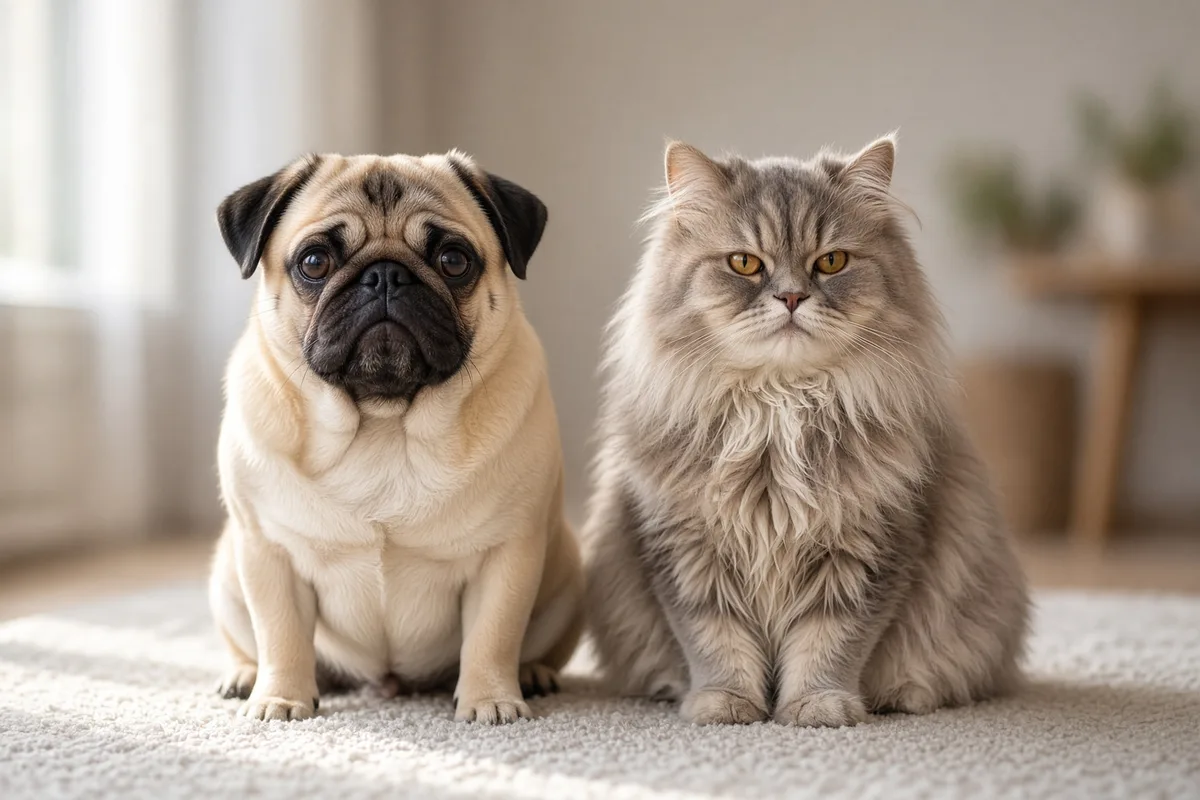
A pug, a French bulldog and a Persian cat all have roughly the same amount of soft tissue in the nose and throat as their longer-faced relatives, packed into a skull that has been bred considerably shorter. Everything on this page follows from that single fact, and none of it is the animal's personality.
· 3 min read
General guidance, not veterinary advice. Anything about a specific animal — a symptom, a diet, a decision — is a question for a vet who has examined it.