LaPerm
The LaPerm began in 1982 on a farm in Oregon, where a barn cat produced a bald kitten that grew a soft curly coat.
The mutation is dominant, and the breed was developed from her descendants — the name refers to the curl rather than to any place.
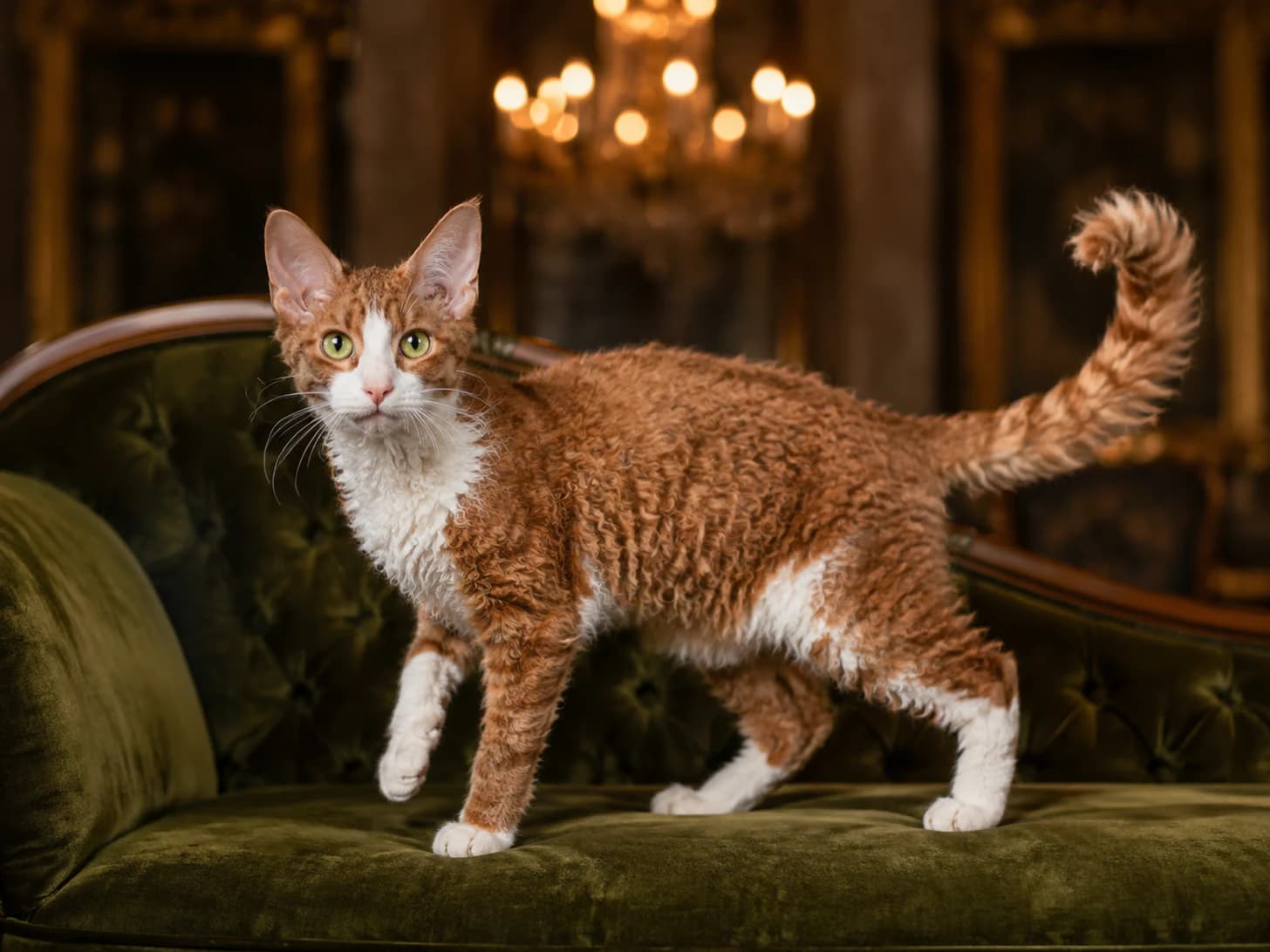
It weighs 3.5 to 5.5 kilograms, comes in short and long coats, and the curl varies from loose waves to tight ringlets, with curled whiskers and a notably full ruff in longhaired cats. LaPerms moult dramatically and sometimes almost completely, going patchy or nearly bald before regrowing a fuller coat, which alarms new owners and is entirely normal. Temperament is outgoing, affectionate and inquisitive.
- Origin
- Oregon, United States, 1982, from a farm cat
- Size
- 3.5–5.5 kg
- Lifespan
- 12–15 years
- Coat
- Curly, loose waves to ringlets, with curled whiskers
- Genetics
- Dominant; outcrossing has kept the gene pool broad
- Health
- Robust; no condition linked to the coat
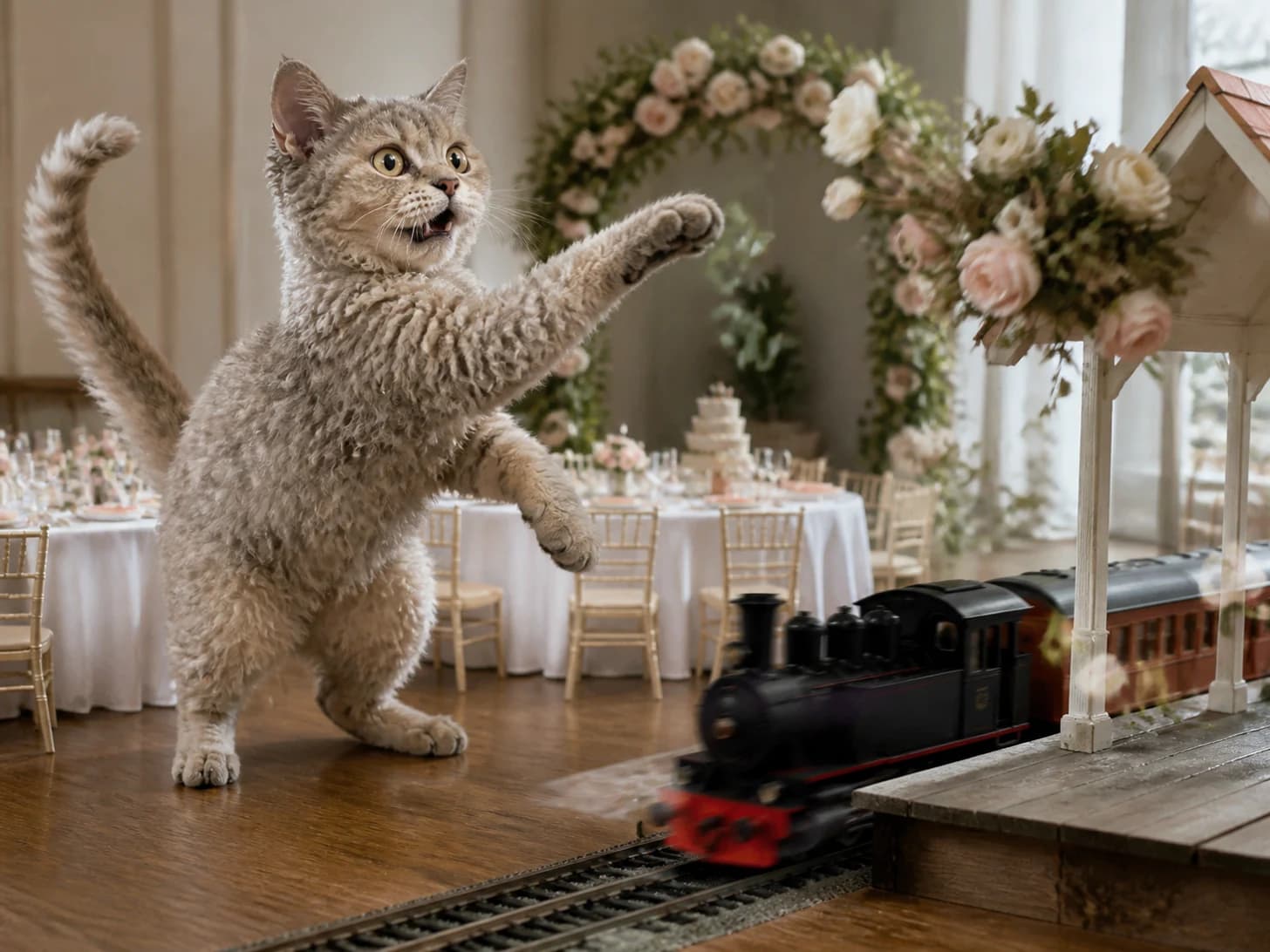
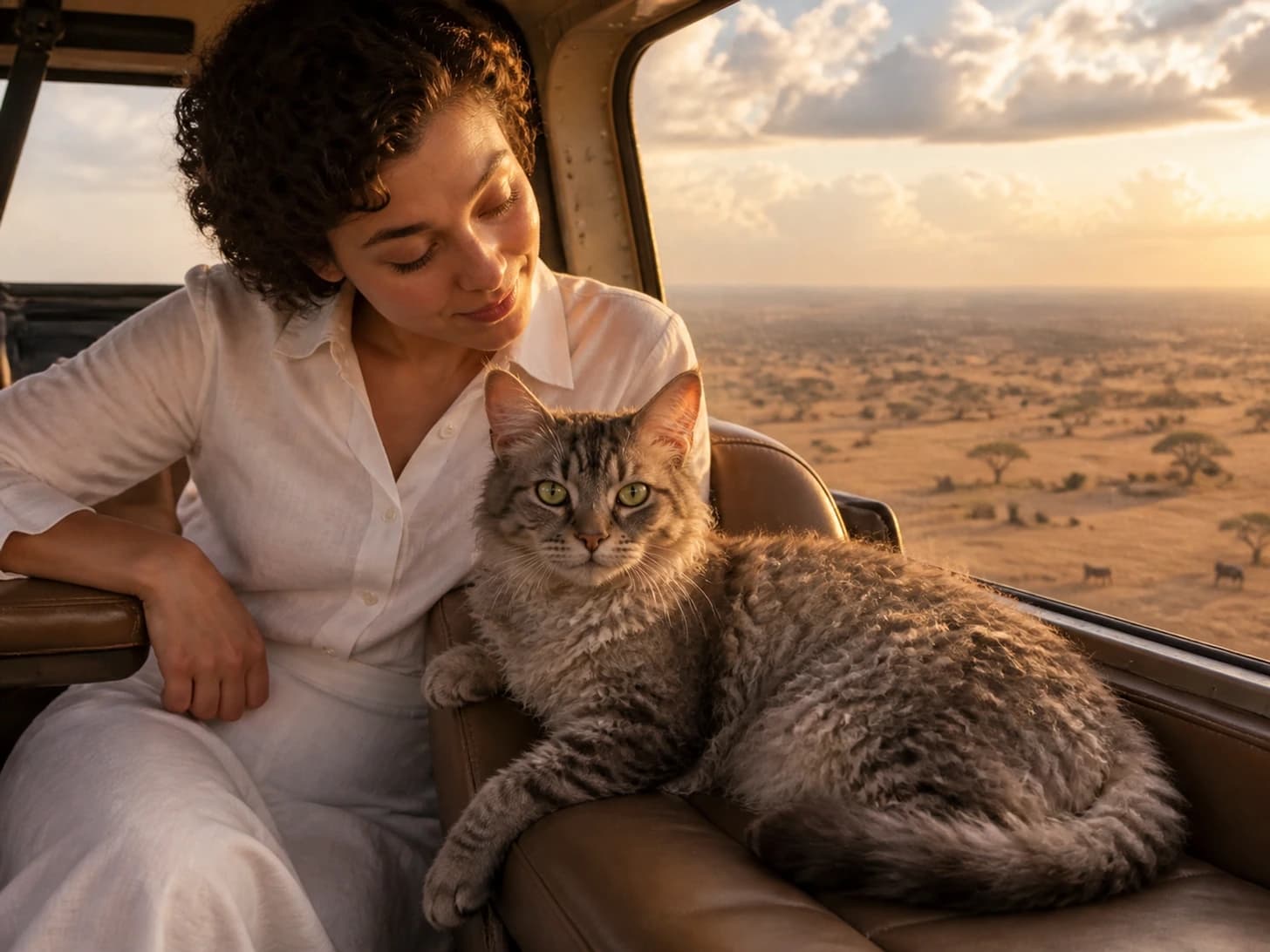
3 laperm photos, newest first

Living with a laperm
Expect dramatic moults. Some LaPerms shed the coat almost entirely and regrow it over months, and coat texture changes through life. It is normal, not illness, though a sudden bald patch with red or flaky skin is worth a vet visit.
Comb rather than brush, and lightly. Brushing straightens the curl; many owners do very little and the coat looks better for it.
Outcrossing to domestic cats has been permitted throughout, so the gene pool is wide and the breed is genuinely healthy with no breed-specific inherited disease.
The coat produces normal allergens, so the hypoallergenic claim often made for curly cats does not hold. Test in person if that matters.
They are active, sociable and shoulder-riding, and they want involvement.
General guidance, not veterinary advice. Individual cats vary, and anything about a specific animal is a question for a vet who has seen it.
Worth reading alongside this
More cats by breed
Every cat breed somebody has posted a photo of.