Tortoiseshell
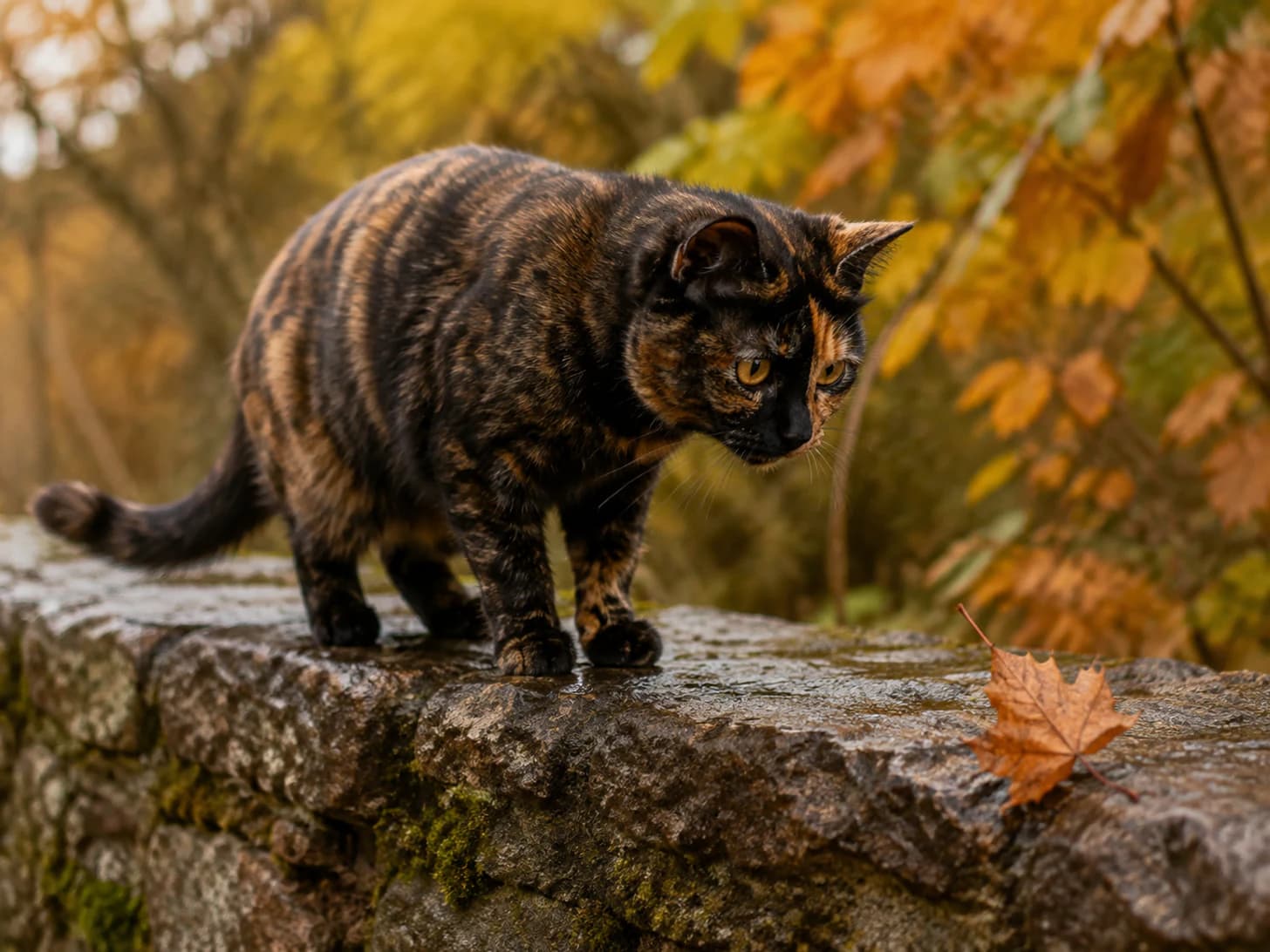
Tortoiseshell is a colour, not a breed: a mottled mix of black and red, sometimes diluted to blue and cream, without the white patching that would make it a calico.
It appears in ordinary cats and in a number of pedigree breeds.
The interesting part is the genetics. The gene for red is carried on the X chromosome, so producing both black and red patches normally requires two X chromosomes — which is why the overwhelming majority of tortoiseshells are female. Male tortoiseshells occur roughly once in every three thousand, almost always because the cat has an extra X chromosome, XXY, and those males are usually sterile and may have associated health problems.
- What it is
- A coat colour, found across breeds and in ordinary cats
- Colours
- Black and red, or diluted to blue and cream
- Sex
- Almost always female; males occur about 1 in 3,000
- Size
- Depends entirely on the cat, not the colour
- Lifespan
- 12–20 years for an ordinary cat
- Health
- Nothing inherited with the colour, except in XXY males
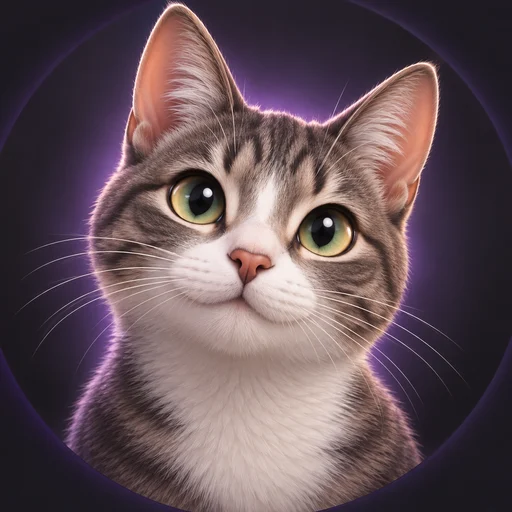
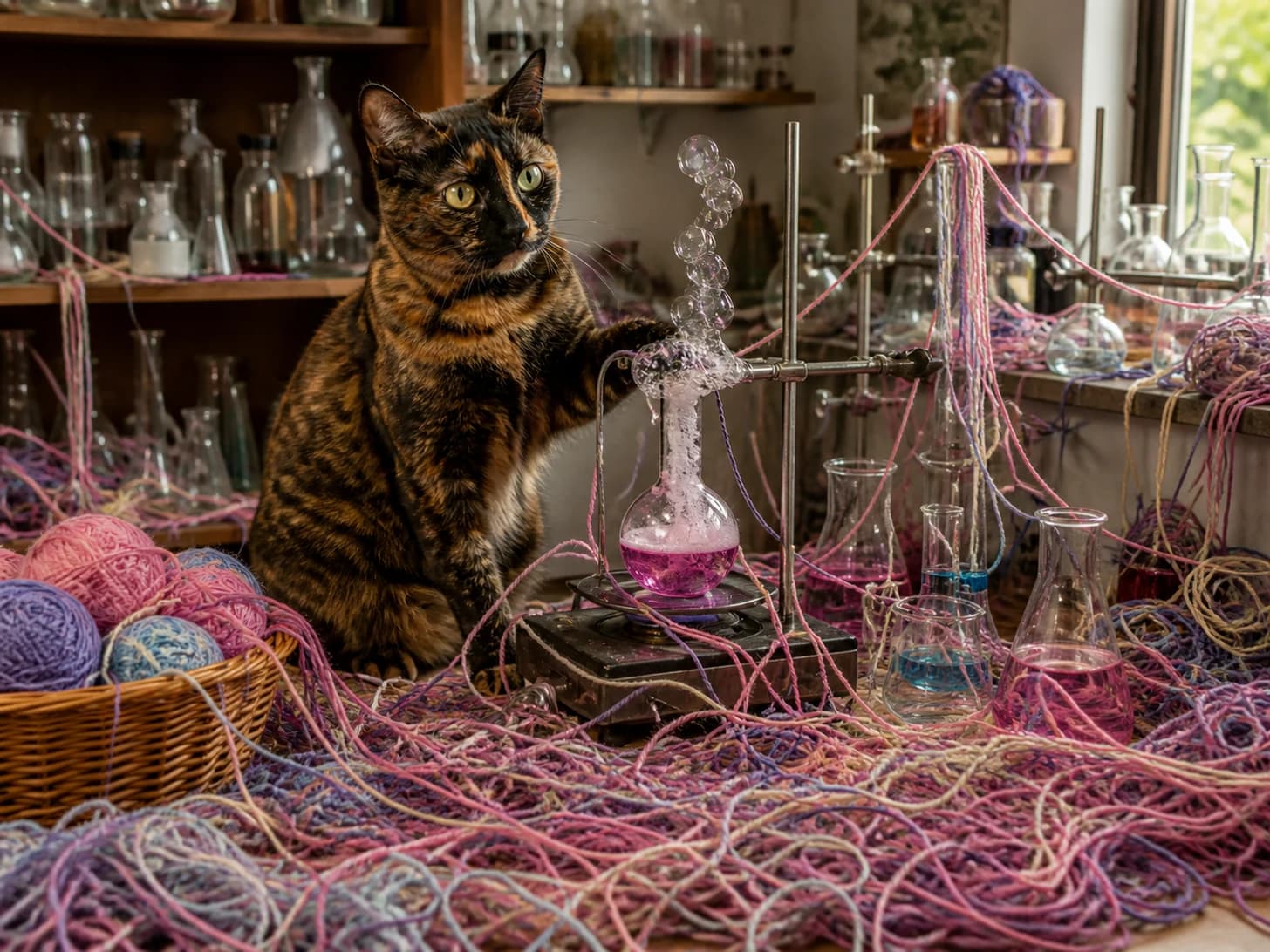
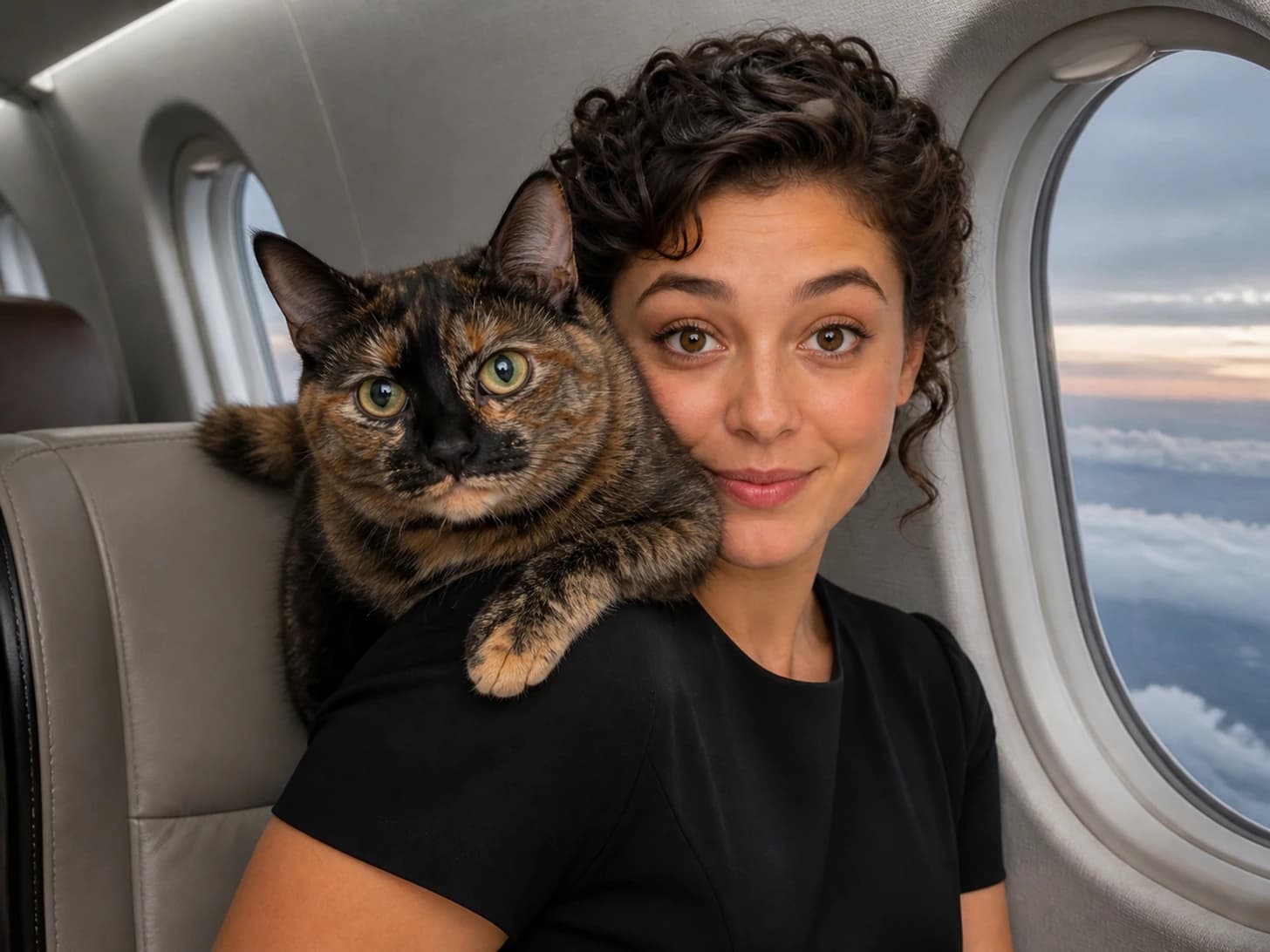
3 tortoiseshell photos, newest first
Living with a tortoiseshell
A male tortoiseshell is worth a veterinary conversation. Almost all are XXY, which usually means sterility and can bring associated problems, so a male tortie should be checked rather than simply marvelled at.
Otherwise the colour predicts nothing. The widespread belief in tortitude — that tortoiseshells are more temperamental than other cats — is folklore; the studies that have looked for it have found nothing that holds up.
Care depends on the cat underneath, since tortoiseshell appears in ordinary cats and in pedigree breeds alike.
For an ordinary tortie: neuter, vaccinate, microchip, keep on top of dental disease, and move to twice-yearly vet checks past about ten.
A tortoiseshell with white patching is a calico, and the same genetics apply.
General guidance, not veterinary advice. Individual cats vary, and anything about a specific animal is a question for a vet who has seen it.
Worth reading alongside this
More cats by breed
Every cat breed somebody has posted a photo of.