Somali
The Somali is the long-coated Abyssinian, arising from a recessive gene present in Abyssinian lines and developed as a breed in North America from the 1960s after decades of such kittens being quietly given away.
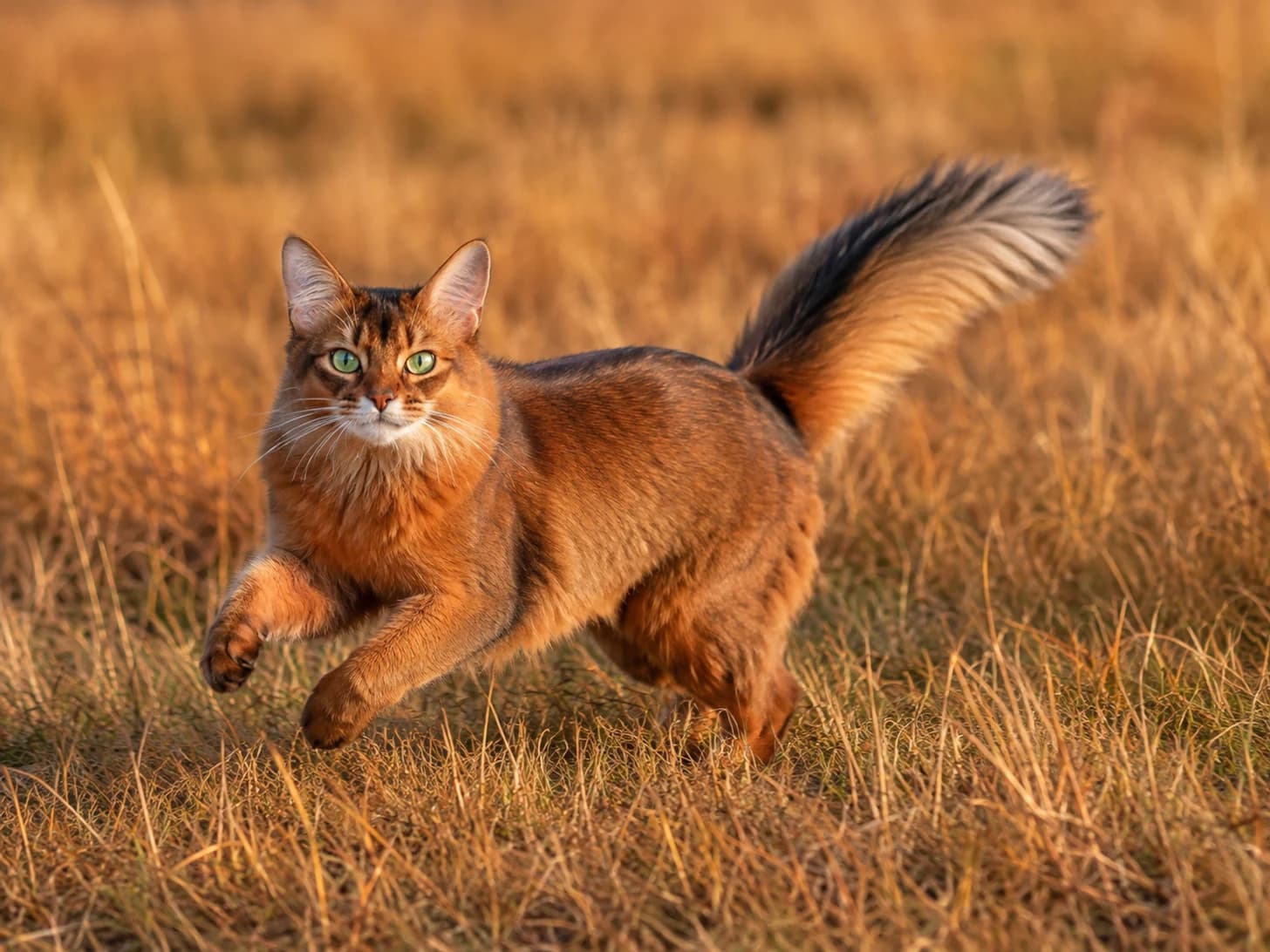
It weighs 3.5 to 5.5 kilograms, with the Abyssinian's ticked coat — each hair banded with several colours — carried in a semi-long coat with a full ruff and a plumed tail, and a famously fox-like appearance. Temperament is Abyssinian: relentlessly active, curious, athletic and busy, with a strong tendency to investigate everything. It is not a lap cat, and anyone hoping for one will be disappointed.
- Origin
- North America, 1960s; the longhaired Abyssinian
- Size
- 3.5–5.5 kg
- Lifespan
- 11–16 years
- Coat
- Semi-long and ticked, with a full ruff and plumed tail
- Temperament
- Extremely active, curious and busy; not a lap cat
- Health
- Pyruvate kinase deficiency, PRA and renal amyloidosis
Related: Abyssinian
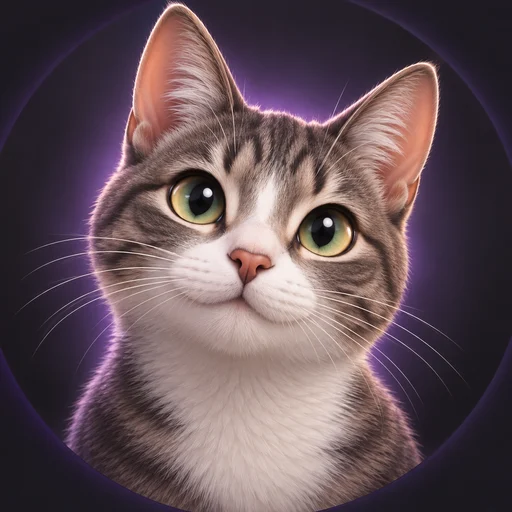
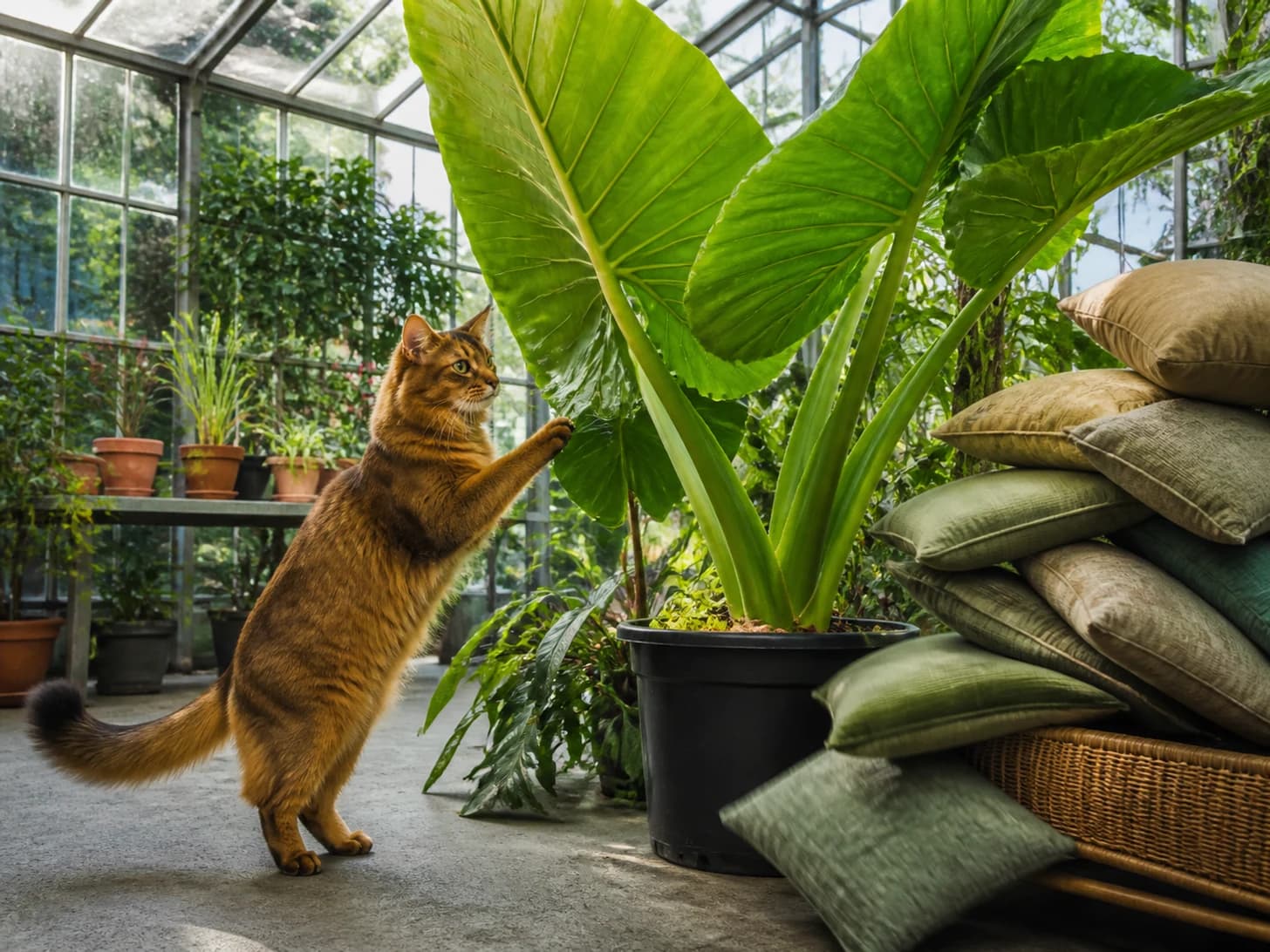
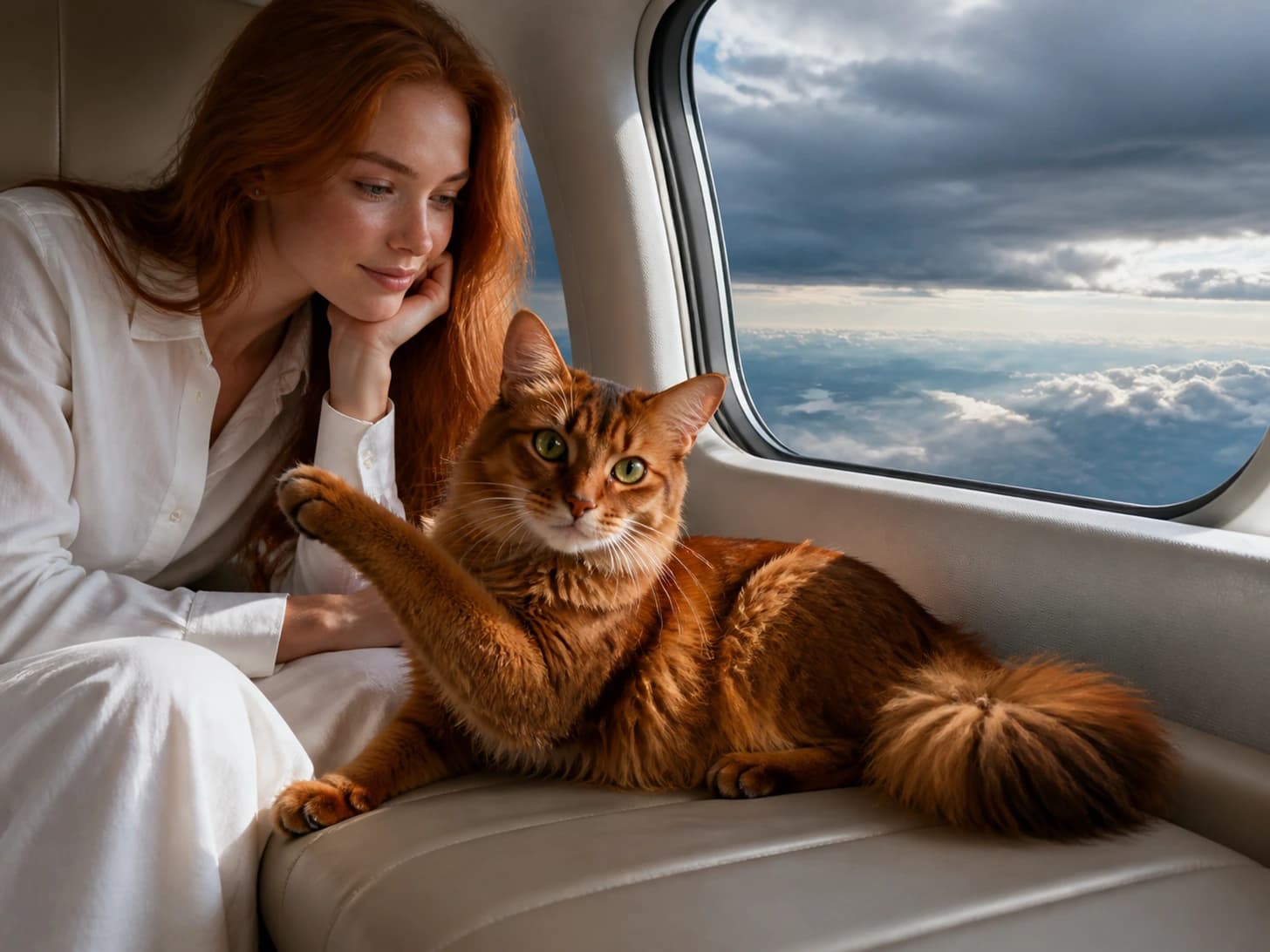
3 somali photos, newest first
Living with a somali
Ask for two DNA tests: pyruvate kinase deficiency, which causes anaemia, and progressive retinal atrophy, which causes blindness. Both are simple and both are common enough in Abyssinian lines that a breeder not testing is a breeder to avoid.
Renal amyloidosis also occurs in the breed and is harder to screen for; ask about kidney disease history in the lines.
They need genuine activity. Tall cat trees, wand play twice a day, puzzle feeders, and preferably a second cat. A Somali in an under-stimulated home becomes destructive.
The coat has little undercoat and mats less than expected — twice-weekly combing suffices.
Gingivitis is common in the breed. Start toothbrushing early.
General guidance, not veterinary advice. Individual cats vary, and anything about a specific animal is a question for a vet who has seen it.
Worth reading alongside this
More cats by breed
Every cat breed somebody has posted a photo of.