Burmese
The modern Burmese descends from a single brown cat, Wong Mau, brought from Burma to the United States in 1930 and bred with Siamese.
The line split thereafter: the American Burmese is rounder and stockier, the European slimmer and more foreign in type.
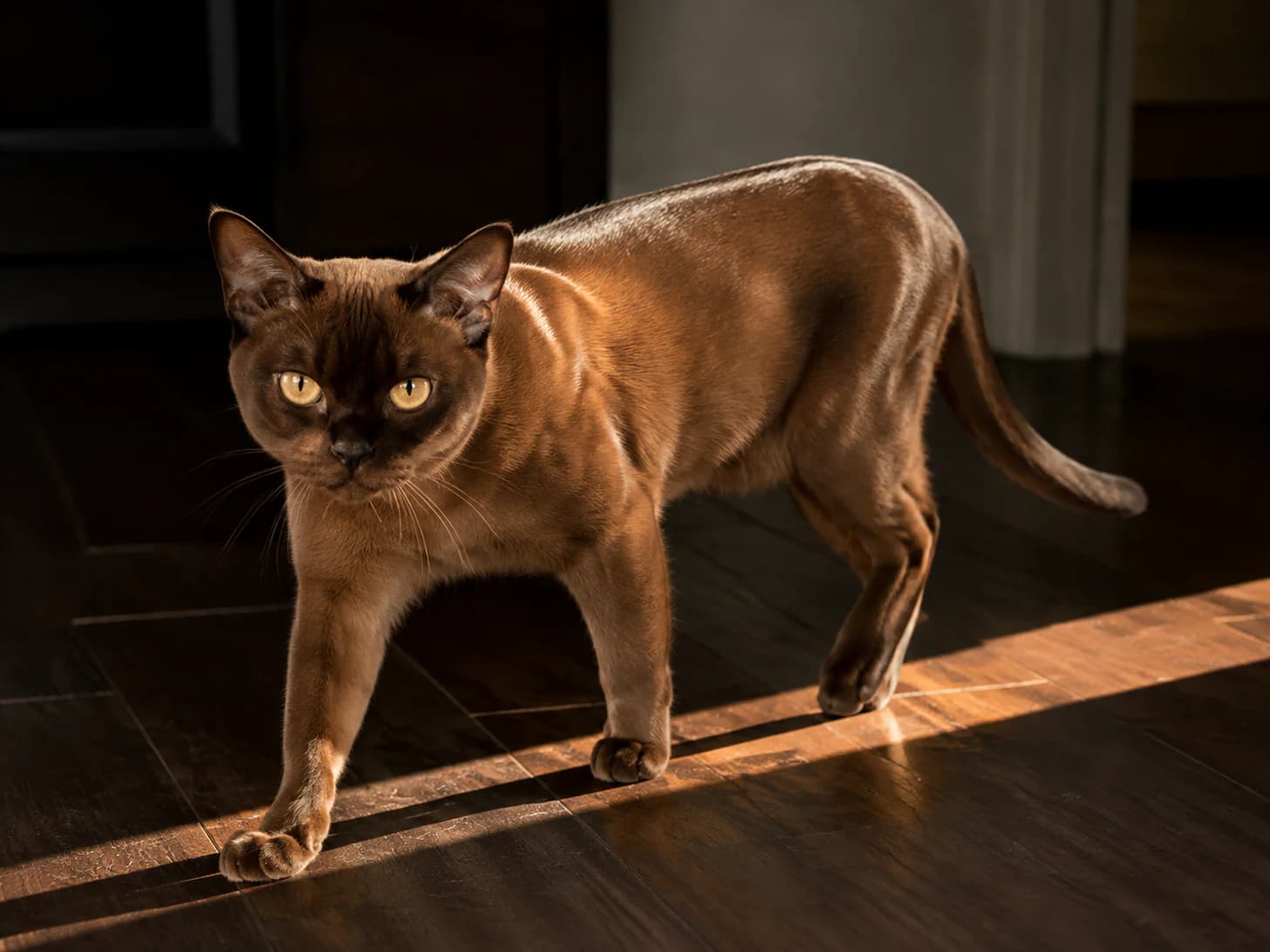
It is a compact, surprisingly heavy cat — often described as a brick wrapped in silk — with a short glossy coat and large expressive eyes in gold or yellow. Burmese are among the most people-oriented of all cats: vocal, insistent, playful well into old age and genuinely unhappy left alone for long stretches.
- Origin
- Burma, developed in the United States
- Size
- 3.5–5.5 kg
- Lifespan
- 16–18 years
- Coat
- Very short, fine and satin-textured
- Temperament
- Extremely people-oriented, vocal, playful, demanding
- Grooming
- Minimal
Related: Siamese · European Burmese
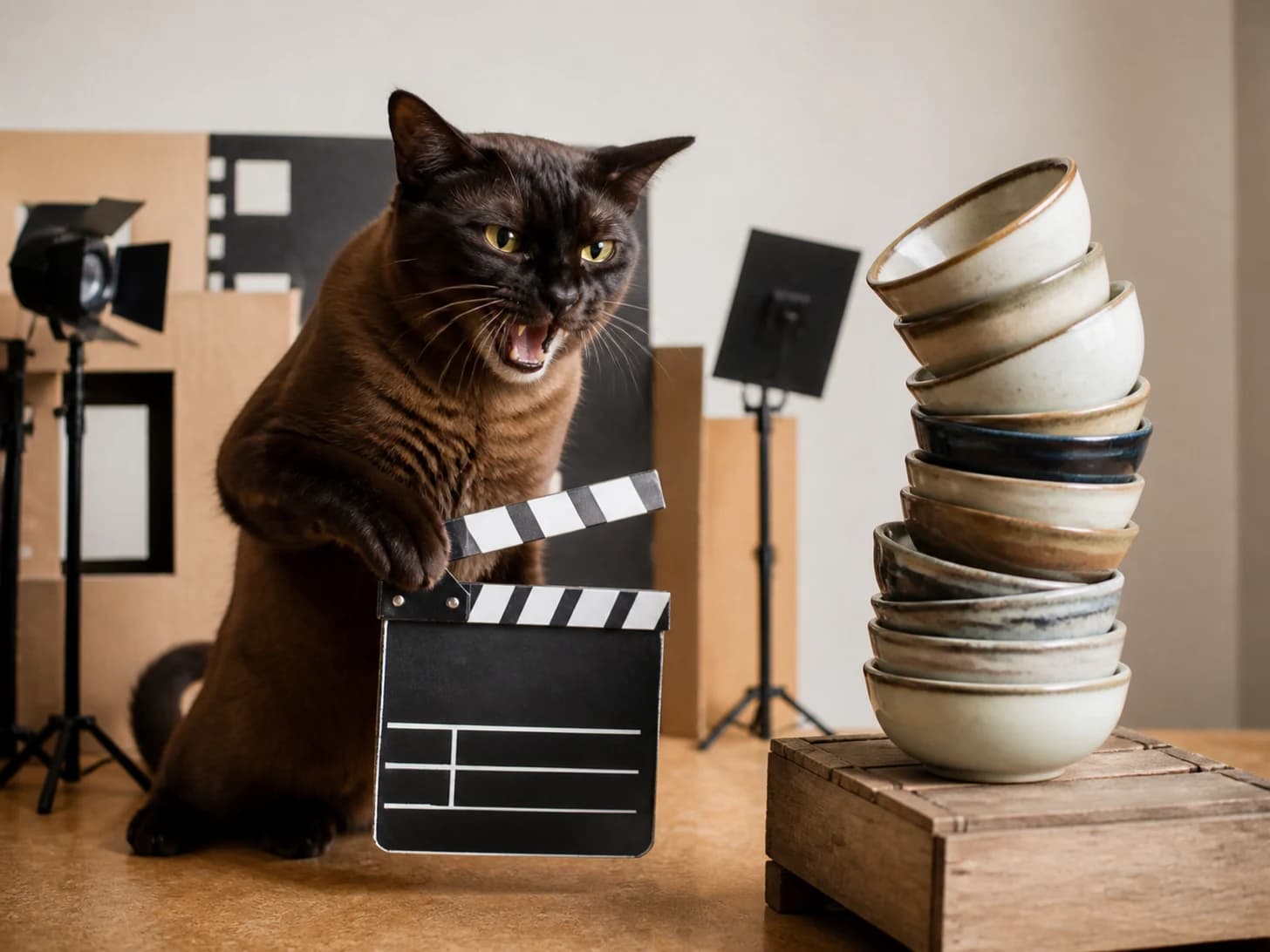
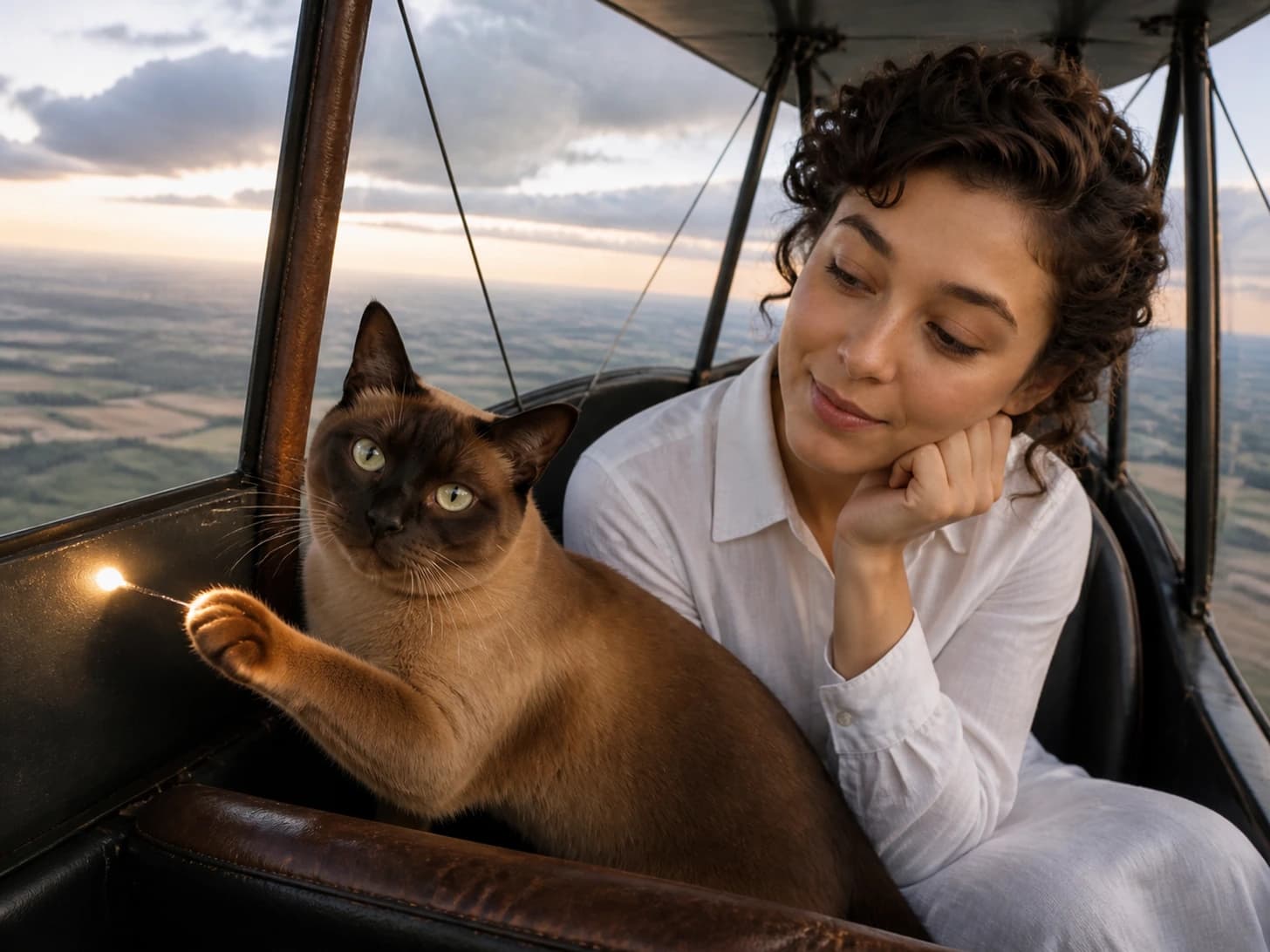
3 burmese photos, newest first
Living with a burmese
Grooming is a rub with a chamois or a rubber brush occasionally. The fine coat gives little insulation, so they seek warmth.
The social need is the real commitment. Burmese follow people from room to room, talk constantly and often do far better in pairs. A Burmese alone all day is a miserable cat.
The breed carries several specific issues: hypokalaemia, which has a DNA test, a head defect affecting some breeding lines, and in the European type a well-documented predisposition to diabetes mellitus. Flat-chested kitten syndrome also occurs. Ask a breeder about all of these.
General guidance, not veterinary advice. Individual cats vary, and anything about a specific animal is a question for a vet who has seen it.
Worth reading alongside this
More cats by breed
Every cat breed somebody has posted a photo of.