Toyger
The Toyger was developed in the United States from the 1980s by Judy Sugden, who set out to produce a domestic cat with the bold vertical stripes of a tiger — the aim, she has said, being to interest people in tiger conservation by putting something tiger-like in their living rooms.
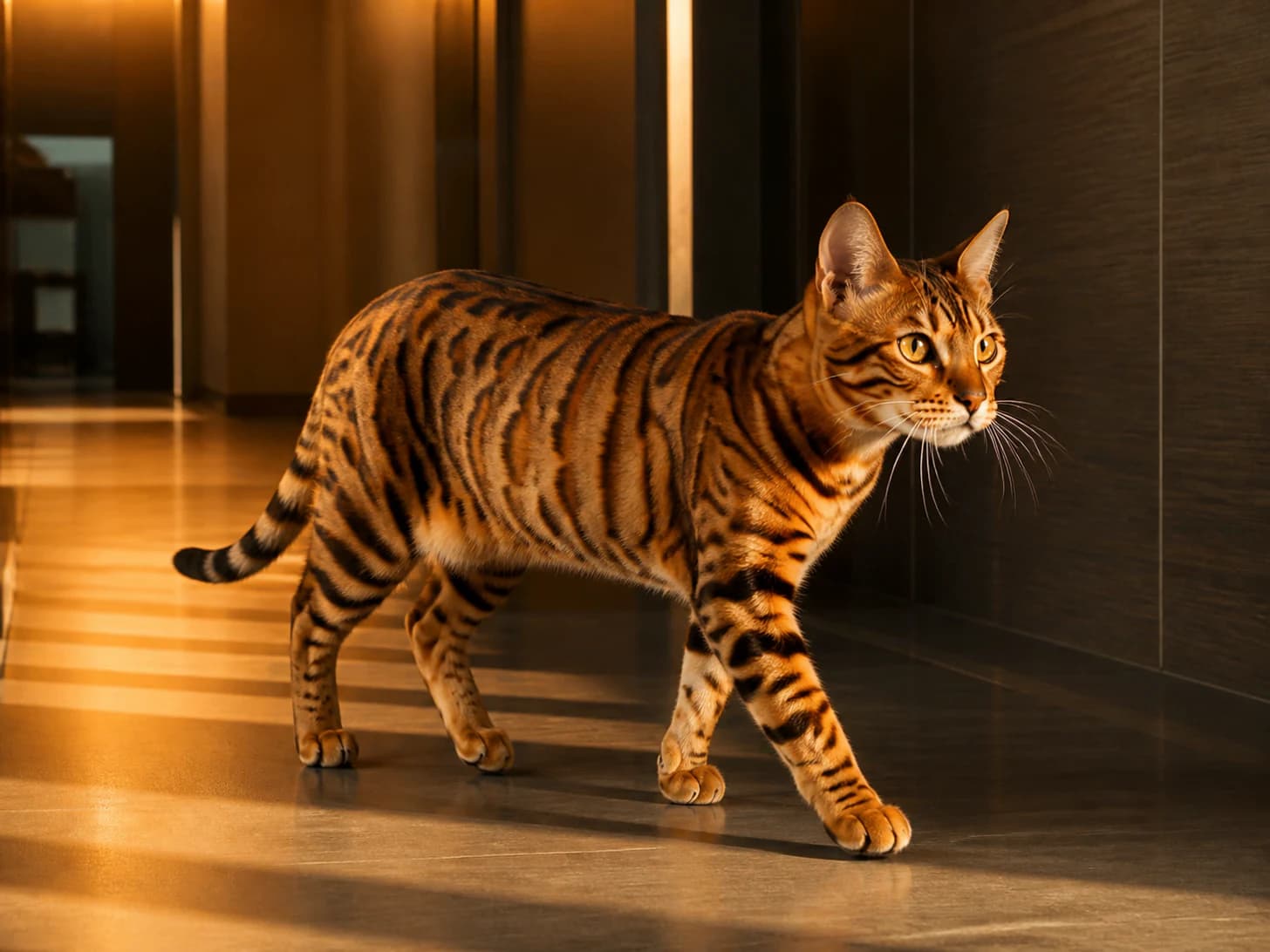
It weighs 3 to 7 kilograms, is medium and muscular with a distinctive rolling gait and a coat of dark broken vertical stripes on orange. It contains no tiger and no wild ancestry of any kind: it was built from Bengals and domestic shorthairs, and the Bengal contribution is itself several generations from any wild cat. It is a domestic cat throughout, legal everywhere, and needs nothing exotic.
- Origin
- United States, from the 1980s
- Size
- 3–7 kg
- Lifespan
- 12–15 years
- Coat
- Bold broken vertical stripes on orange; glittered in some lines
- Ancestry
- Entirely domestic — no tiger or wild cat in it
- Health
- HCM and Bengal-line PRA-b and PK deficiency
Related: Bengal
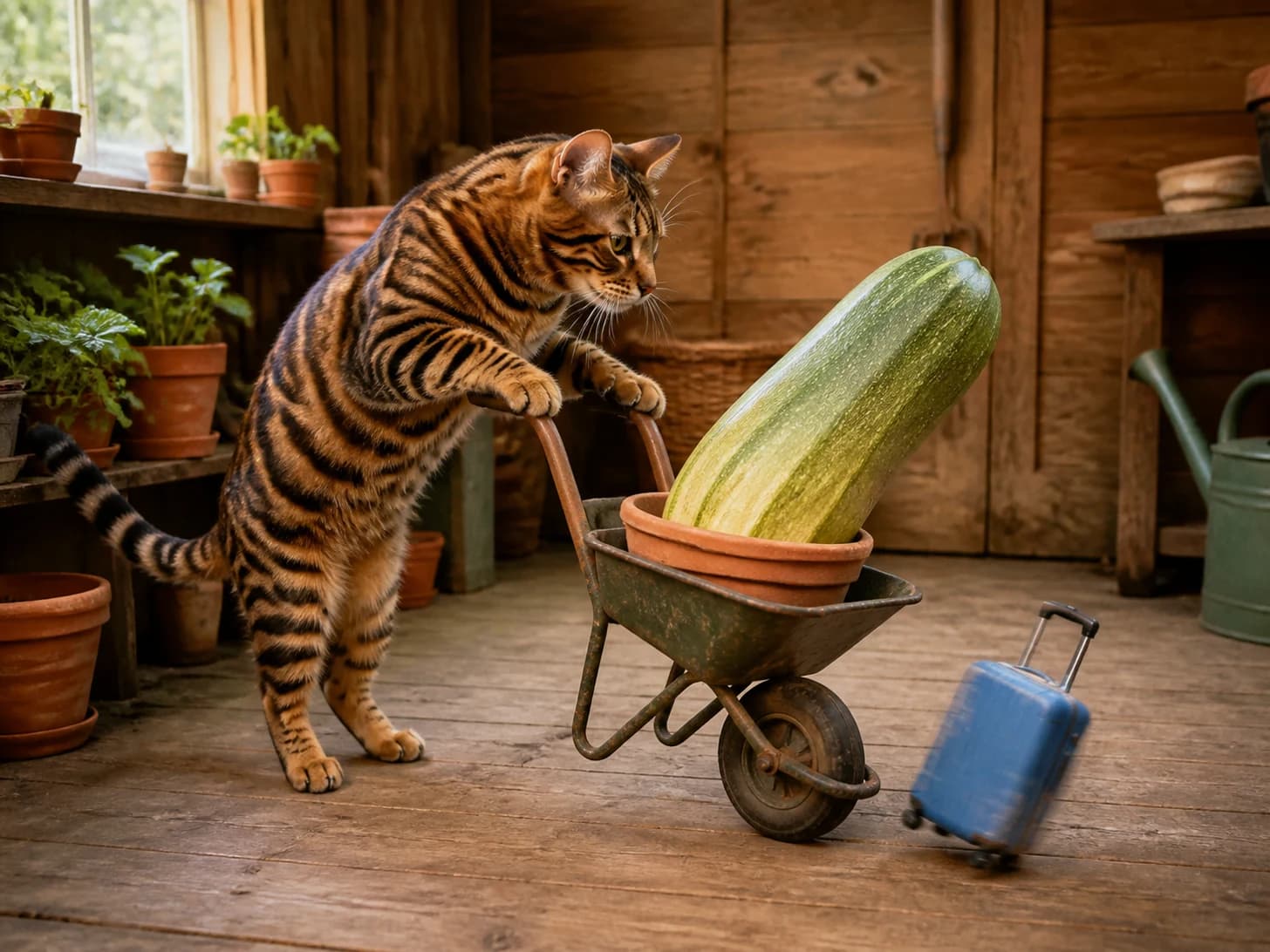
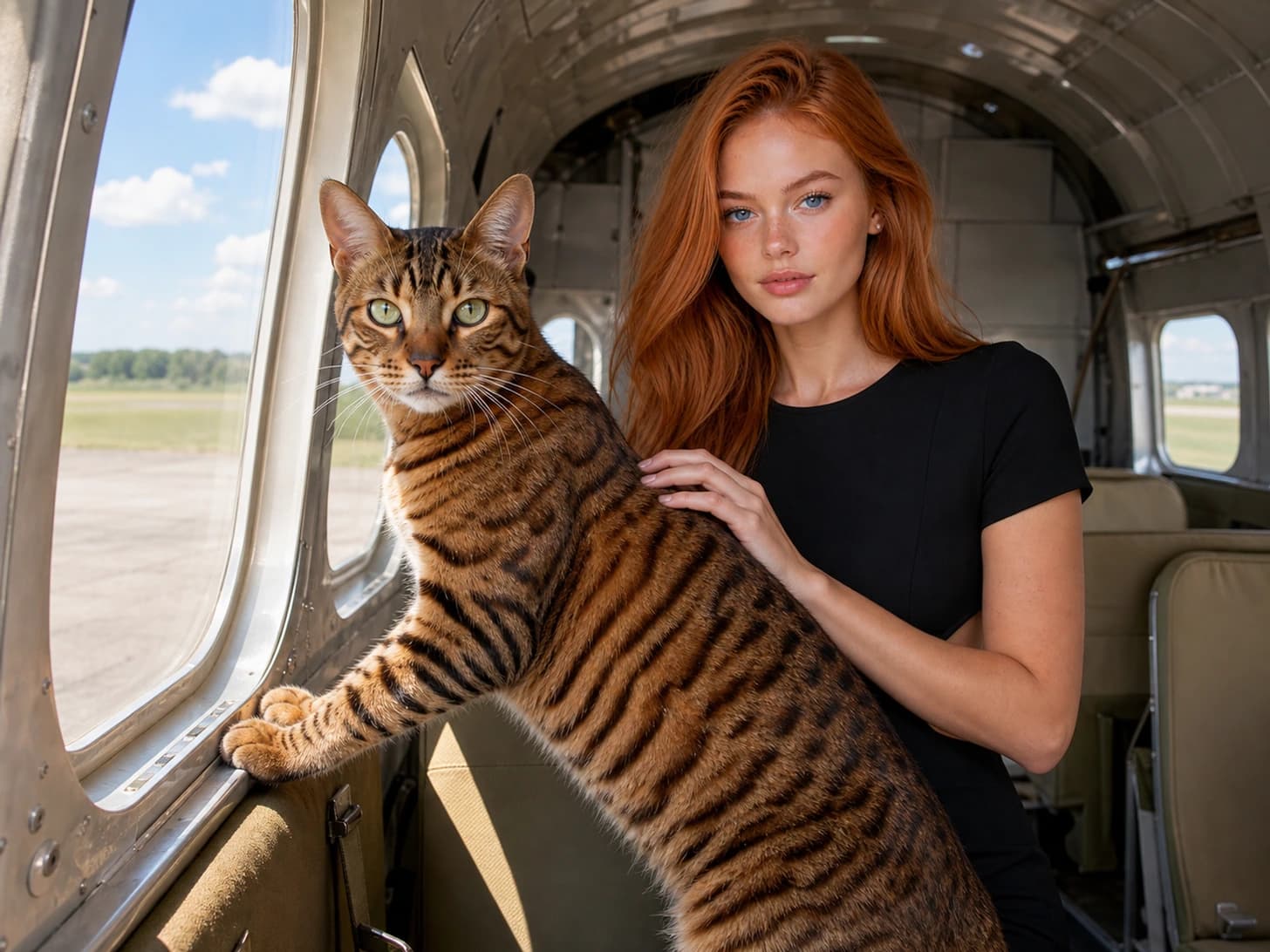
3 toyger photos, newest first
Living with a toyger
It is a domestic cat. Nothing about the stripes changes the care, the diet or the law, and anyone selling one as part-wild is misrepresenting it.
Ask for the Bengal-line DNA tests — progressive retinal atrophy (PRA-b) and pyruvate kinase deficiency — and about cardiac screening, since hypertrophic cardiomyopathy occurs in Bengal-derived lines.
They are active, intelligent and often enjoy water and lead-training. They need climbing space and daily play.
They are generally sociable and tolerant, which is part of the breeding goal, and many are good with children and dogs.
Weekly brushing for the short coat, and ordinary preventive care otherwise.
General guidance, not veterinary advice. Individual cats vary, and anything about a specific animal is a question for a vet who has seen it.
Worth reading alongside this
More cats by breed
Every cat breed somebody has posted a photo of.