Turkish angora
The Turkish Angora is a natural breed from the Ankara region of Turkey, documented since at least the sixteenth century and one of the oldest known long-coated cats.
When the breed became scarce, Ankara Zoo ran a deliberate conservation programme that kept it going, and Turkish cats from that programme underpin the modern breed.
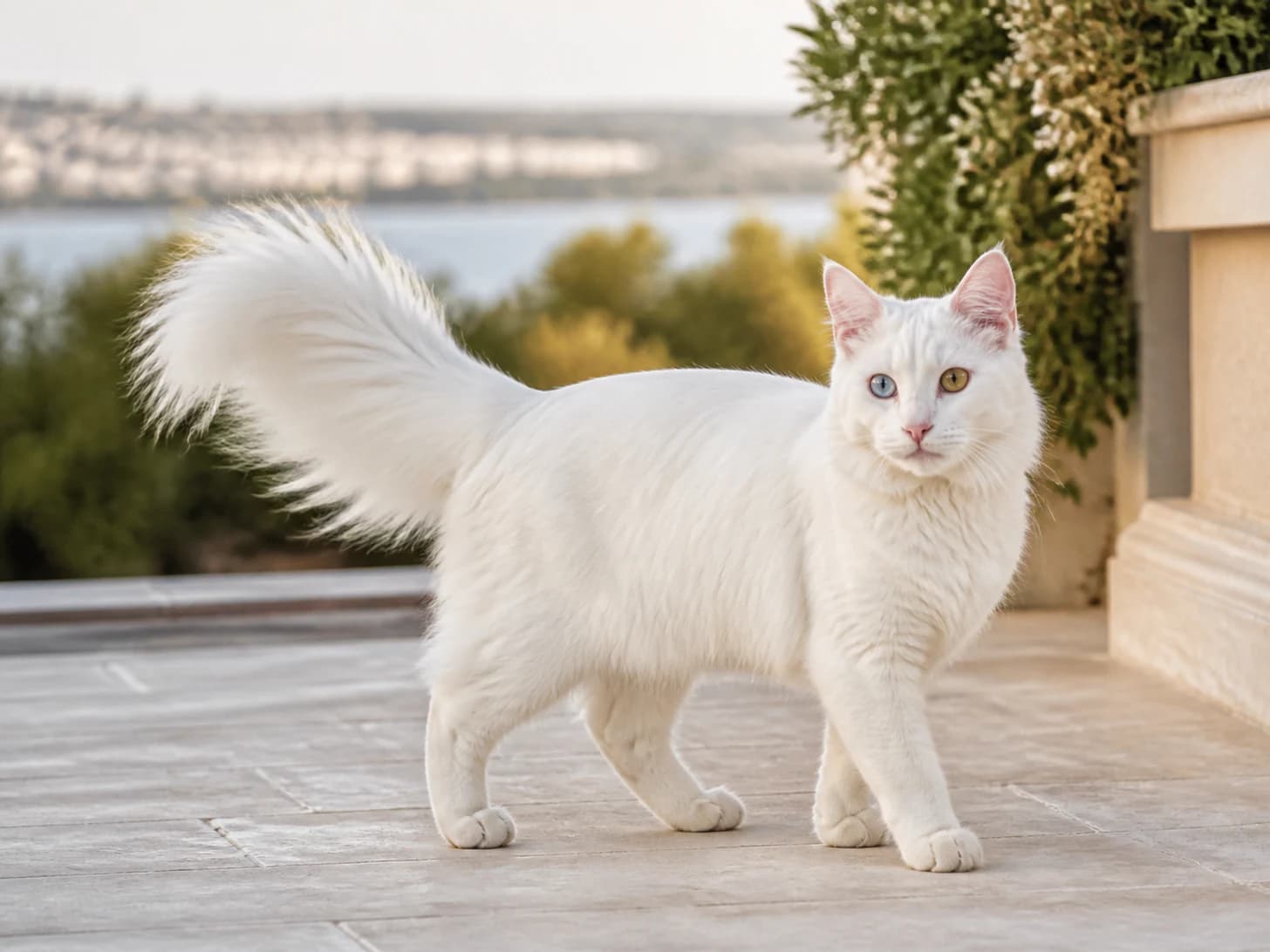
It weighs 2.5 to 5 kilograms, is fine-boned and elegant with a silky single coat and a plumed tail. White is the best-known colour but by no means the only one. Temperament is active, intelligent and assertive — Angoras involve themselves in everything and often decide which person in the house is theirs.
- Origin
- Ankara, Turkey; a natural breed conserved by Ankara Zoo
- Size
- 2.5–5 kg
- Lifespan
- 12–18 years
- Coat
- Silky and single, with no undercoat; a plumed tail
- Temperament
- Active, assertive and strongly attached to one person
- Health
- Deafness in blue-eyed whites; hereditary ataxia in some lines
Related: Turkish Van
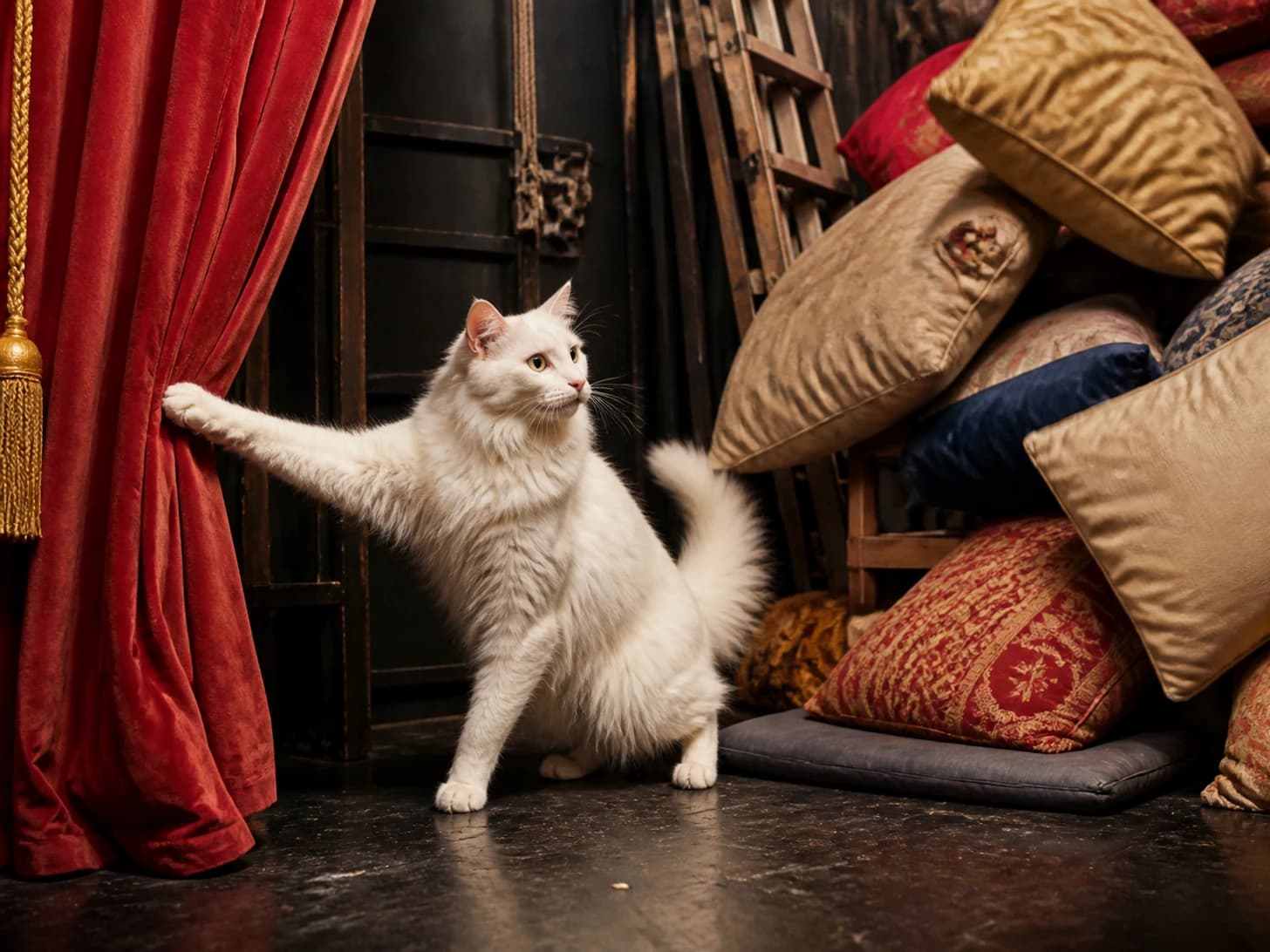
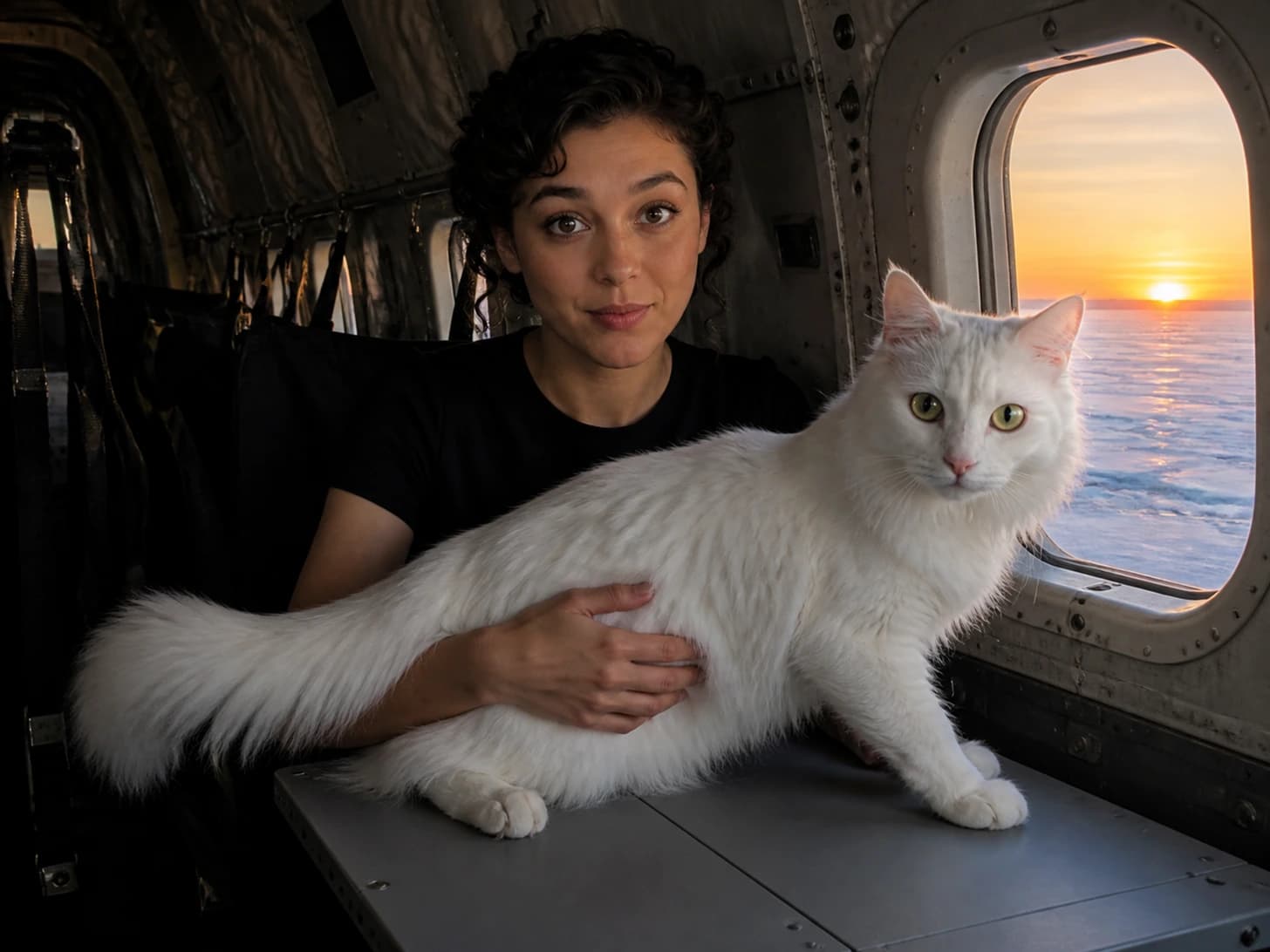
3 turkish angora photos, newest first
Living with a turkish angora
White cats with blue eyes are often deaf, and odd-eyed cats may be deaf on the blue side only. A BAER test settles it. A deaf cat should live indoors, cannot be called, and should be woken by vibration rather than touch.
Hereditary ataxia occurs in some Angora lines. Affected kittens show tremors and incoordination in the first weeks and do not survive; ask breeders whether it has appeared in their lines.
Hypertrophic cardiomyopathy has also been reported; ask about cardiac screening.
The single coat has no undercoat and mats far less than its length suggests — twice-weekly combing is enough, and they moult the coat down considerably in summer.
They are athletic and need height and play, and they are talkative without being shrill.
General guidance, not veterinary advice. Individual cats vary, and anything about a specific animal is a question for a vet who has seen it.
Worth reading alongside this
More cats by breed
Every cat breed somebody has posted a photo of.