Domestic longhair
The domestic longhair, like the shorthair, is not a breed but a description: a cat of unknown or mixed ancestry with a long coat.
The longhair gene is recessive and common, so long-coated cats turn up regularly in ordinary populations without any pedigree behind them.
They weigh 4 to 7 kilograms and come in every colour and pattern. Coat length varies from a modest plume to a full Persian-like ruff, and unlike a pedigree longhair the coat comes with no guarantee about texture — some are silky and shed-resistant, others mat within days. The genetic diversity that makes them robust also makes them unpredictable, which is the honest summary of the whole category.
- Origin
- Everywhere — an ordinary cat carrying the longhair gene
- Size
- 4–7 kg
- Lifespan
- 12–20 years
- Coat
- Long, of unpredictable texture; any colour
- Temperament
- Varies entirely by individual
- Health
- Broad gene pool; no inherited breed conditions
Related: Persian
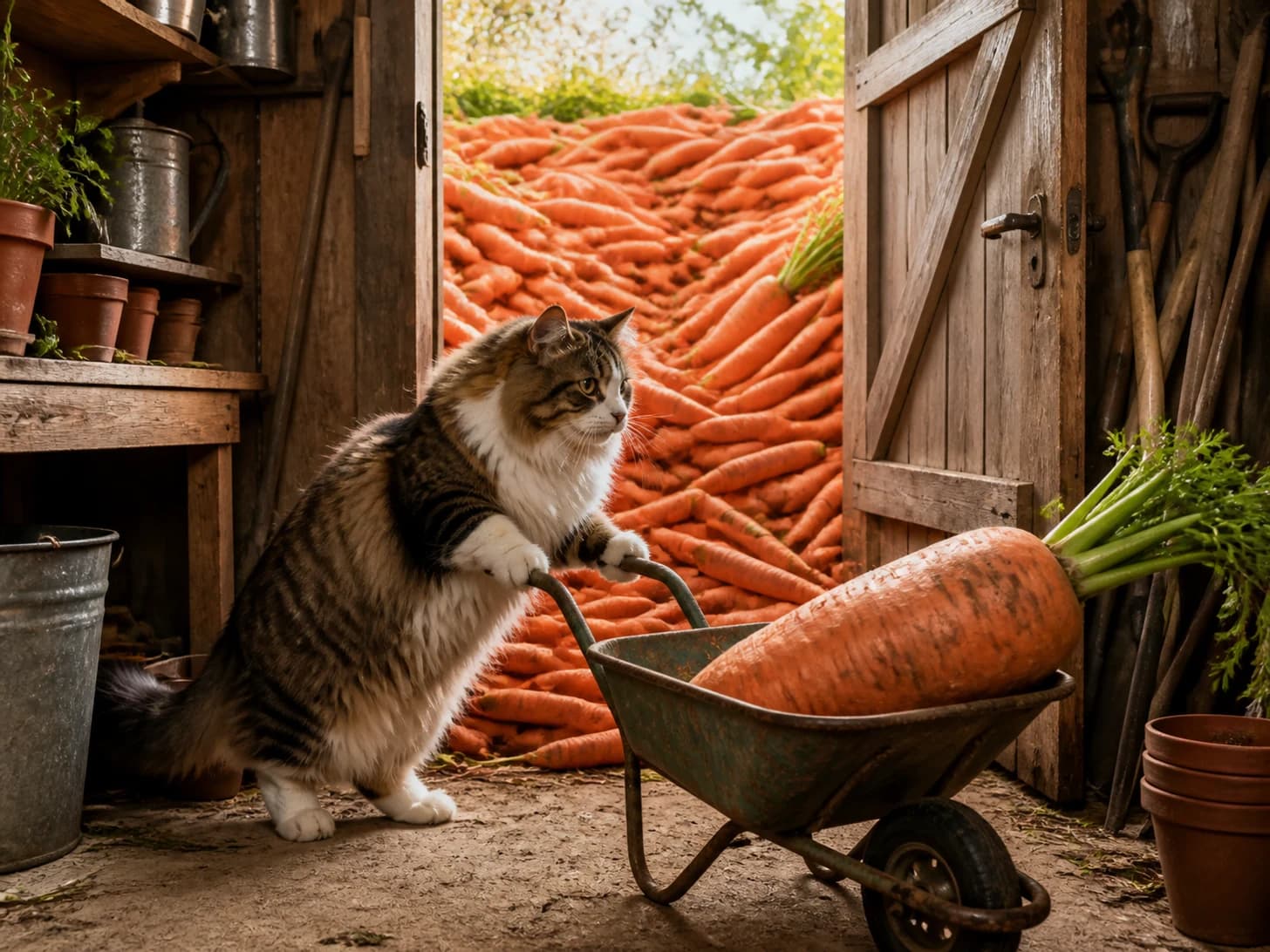
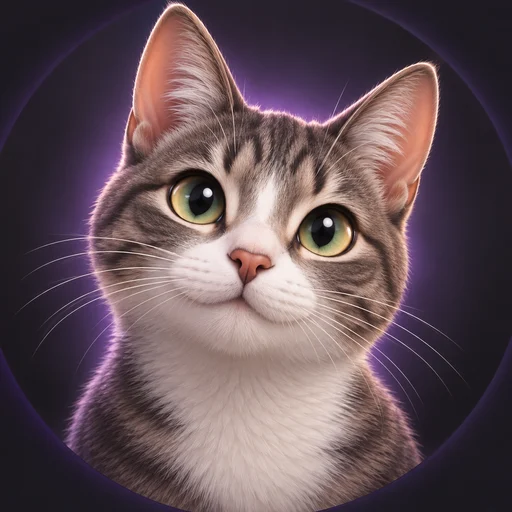
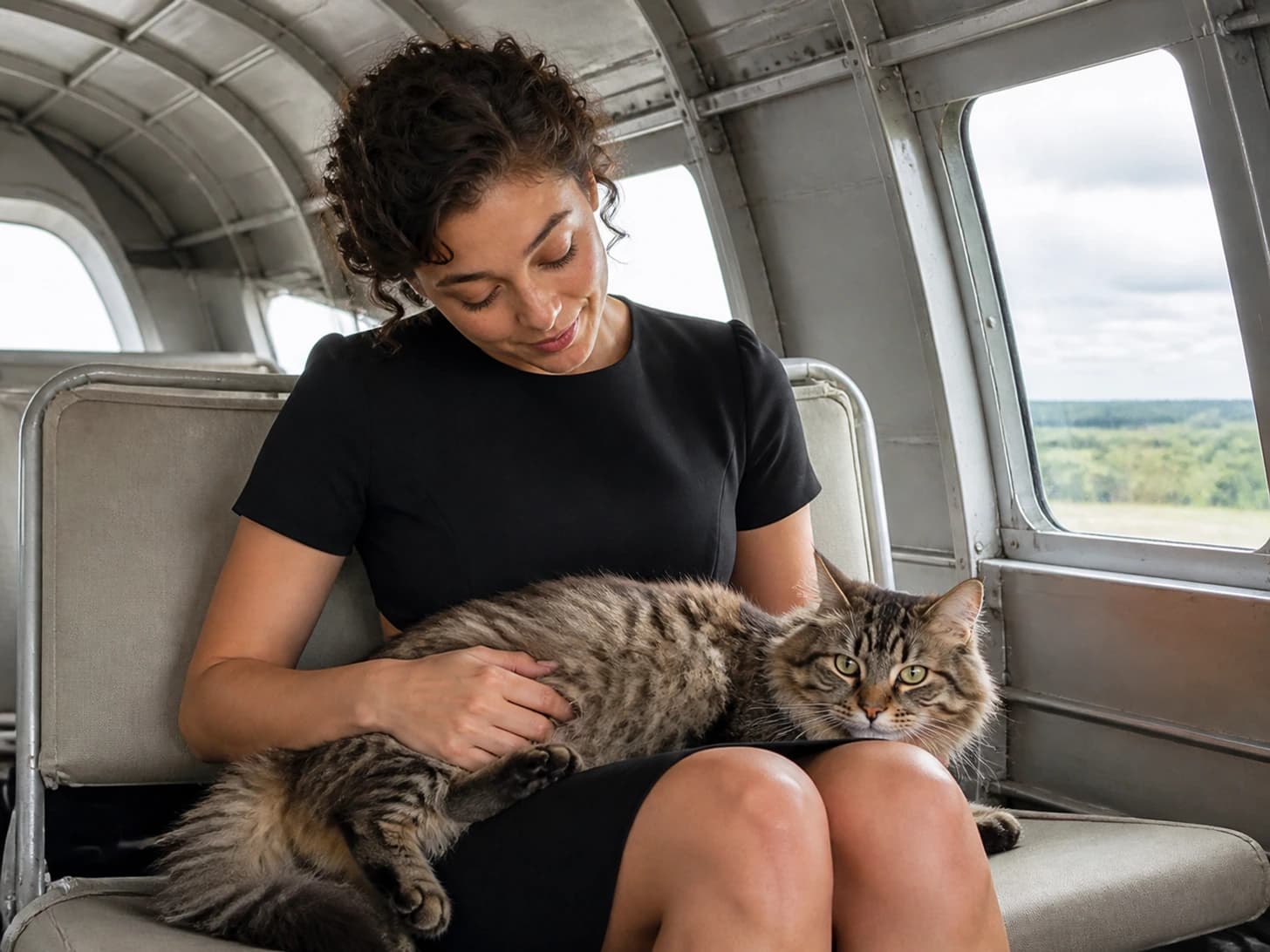
2 domestic longhair photos, newest first
Living with a domestic longhair
Grooming is the one commitment the coat adds. Several times a week at minimum, daily if the coat is dense or cottony, and particularly behind the ears, in the armpits and along the britches, which is where mats form first.
A mat that has reached the skin cannot be brushed out and should be clipped by a vet or groomer rather than cut with scissors — cats have thin, mobile skin and scissor injuries from home de-matting are common.
Long coats around the rear catch faeces. A trim there saves a great deal of trouble.
Expect more hairballs than in a shorthair, and consider a grooming routine rather than a laxative habit.
Otherwise as any cat: neuter, vaccinate, microchip, annual checks and twice-yearly past ten, and watch for the kidney, thyroid and dental disease that account for most late-life illness.
General guidance, not veterinary advice. Individual cats vary, and anything about a specific animal is a question for a vet who has seen it.
Worth reading alongside this
More cats by breed
Every cat breed somebody has posted a photo of.