American curl
The American Curl traces to a single long-haired stray called Shulamith, taken in by a family in Lakewood, California in 1981, whose ears curled back away from her face.
The trait proved to be a dominant mutation and the breed was developed from her descendants.
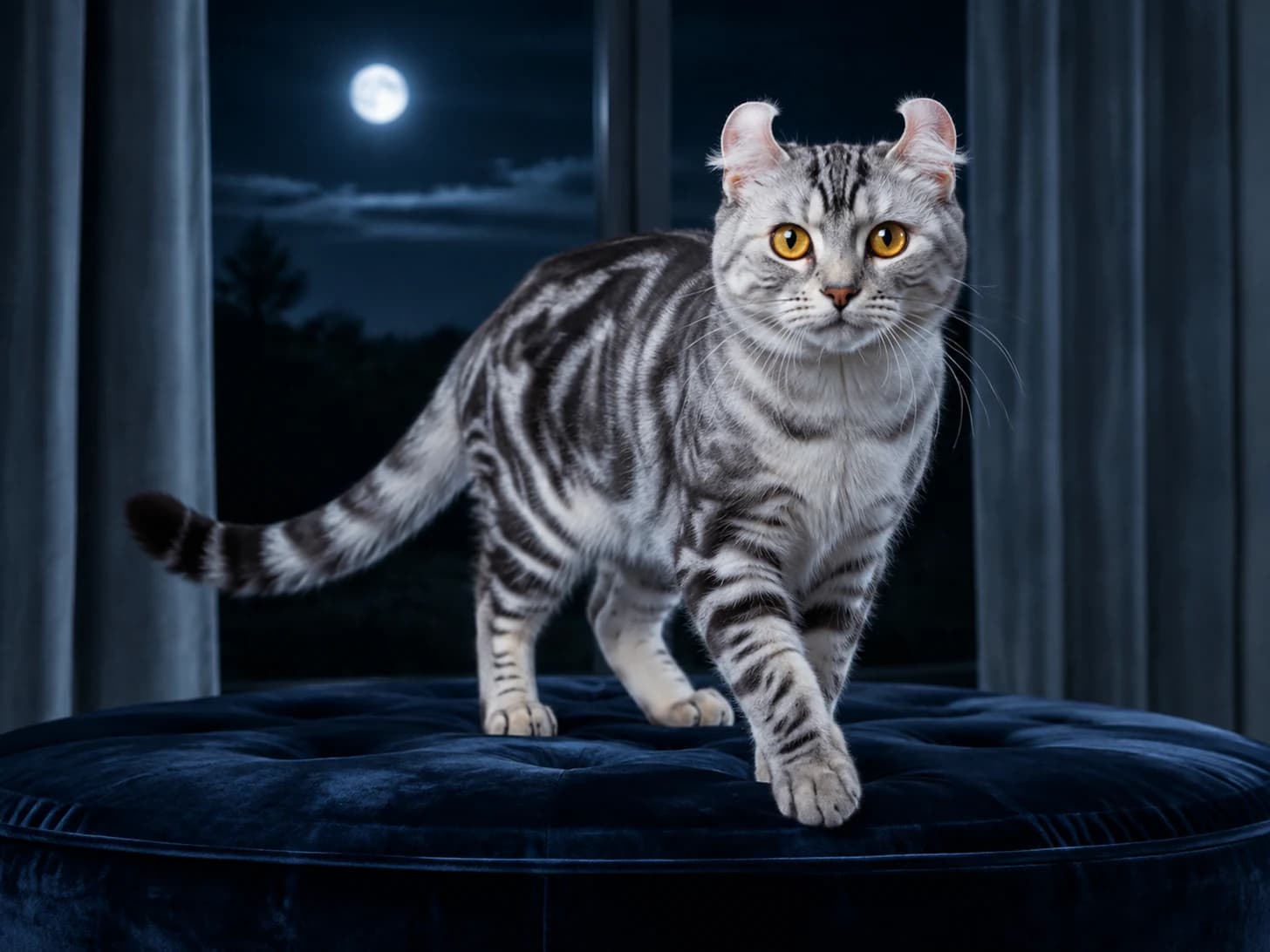
It weighs 3 to 5 kilograms, comes in short and long coats and all colours, and the ears curl backwards in an arc of anywhere from 90 to nearly 180 degrees. Kittens are born with straight ears which begin to curl within a few days and set by around four months. Unusually for a structural mutation, the curl carries no known associated health problems — it is a cartilage change confined to the ear.
- Origin
- Lakewood, California, 1981, from a single stray
- Size
- 3–5 kg
- Lifespan
- 13–16 years
- Coat
- Short or long, in all colours
- Ears
- Curl back 90–180°; kittens born straight, set by 4 months
- Health
- No known conditions linked to the curl
Related: American bobtail · American ringtail · American shorthair · American wirehair
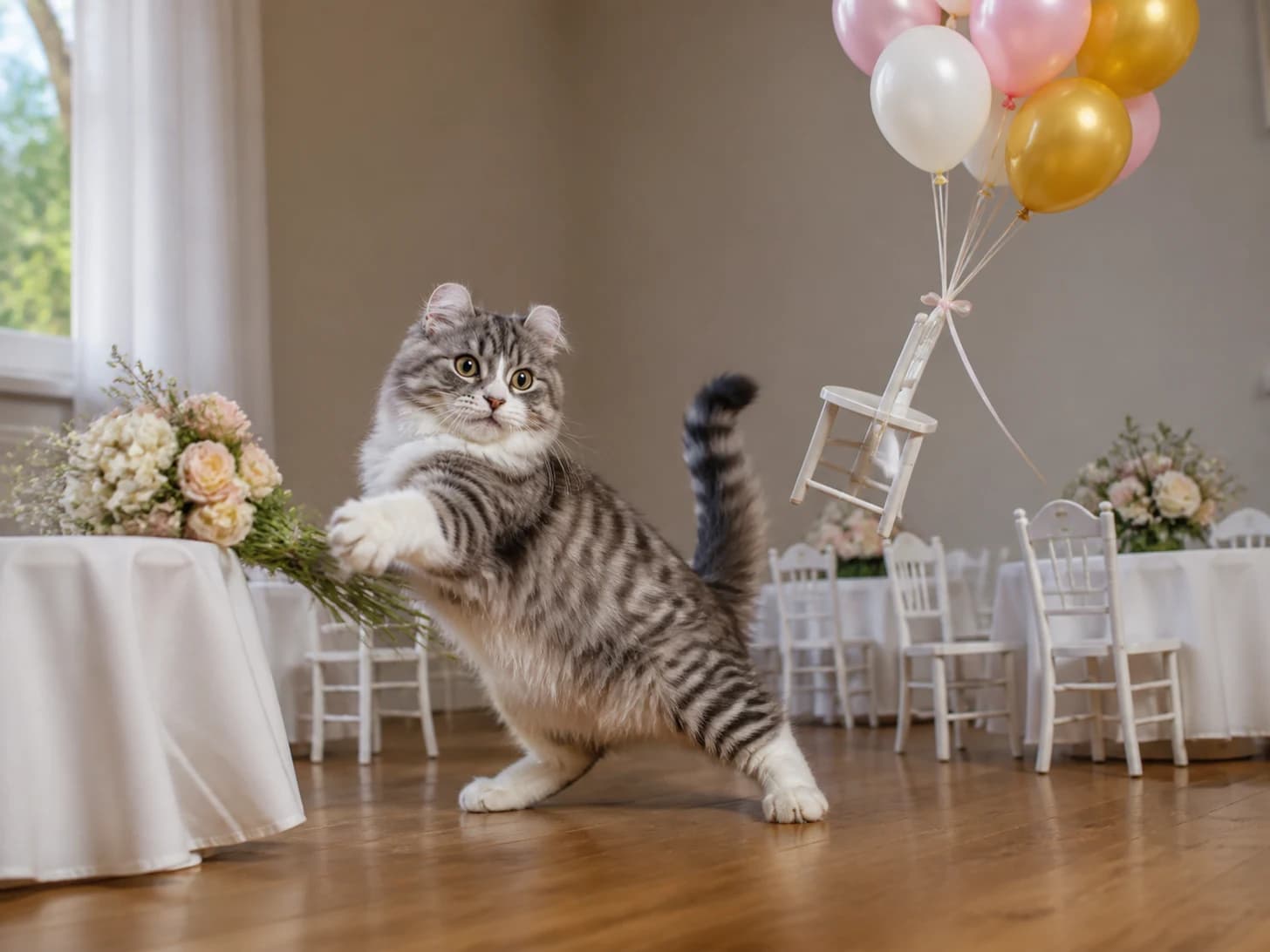
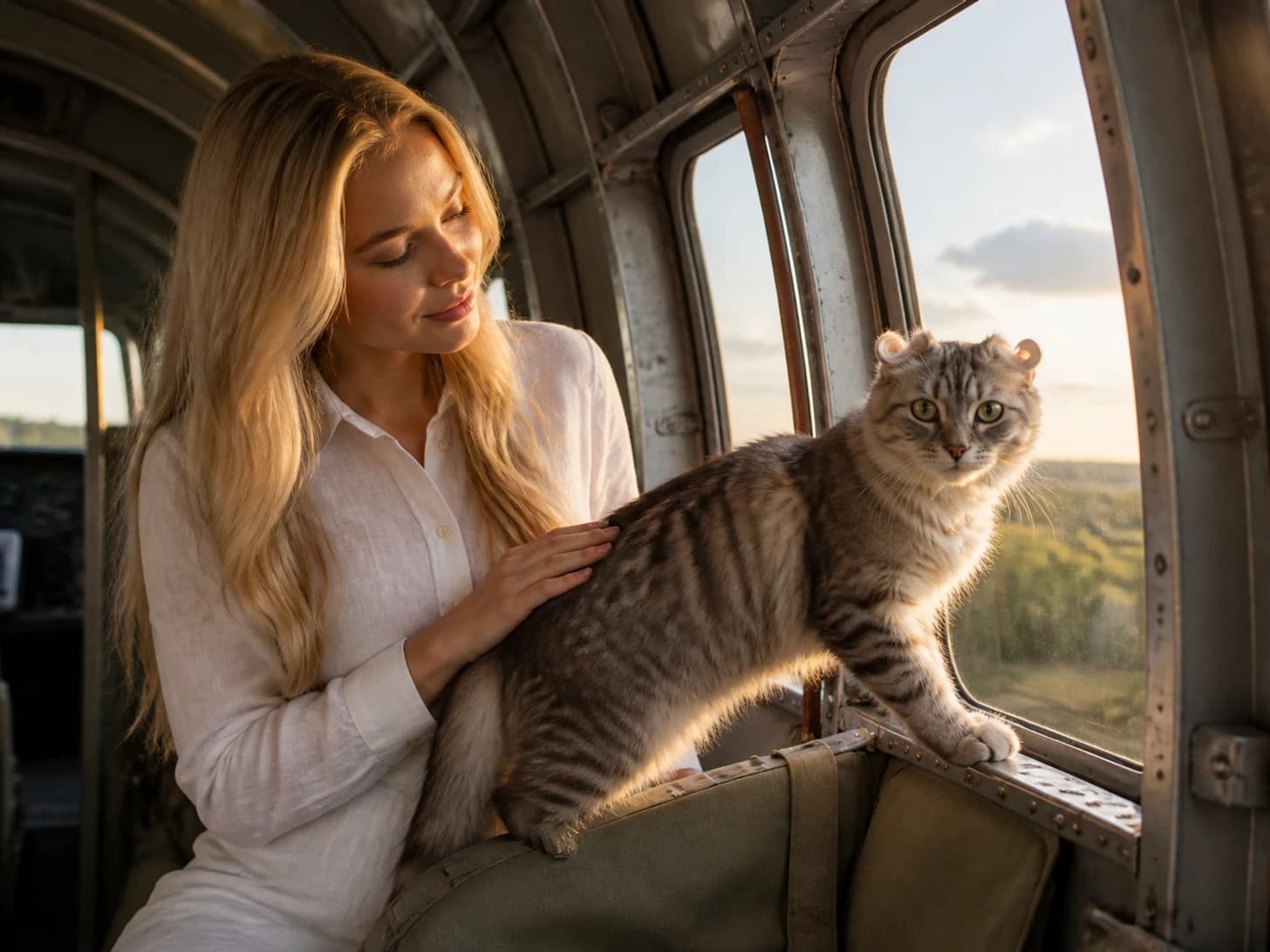
3 american curl photos, newest first
Living with a american curl
Never force or straighten the ears. The cartilage is firm and can be damaged, and a broken ear cartilage does not recover. Tell children and visitors, since the ears invite handling.
Clean the ears regularly and gently. The curl leaves the canal more exposed to debris than a normal ear, and wax builds up.
Outcrossing to domestic cats is permitted by the registries, which has kept the gene pool wide and the breed unusually healthy — one of the few structural mutations that has not brought a disease with it.
Groom according to coat length: weekly for shorthairs, a few times a week for longhairs. The coat has little undercoat and mats less than it looks like it should.
They are sociable, people-following cats that stay playful into old age, and they do not do well left alone all day.
General guidance, not veterinary advice. Individual cats vary, and anything about a specific animal is a question for a vet who has seen it.
Worth reading alongside this
More cats by breed
Every cat breed somebody has posted a photo of.