Foldex
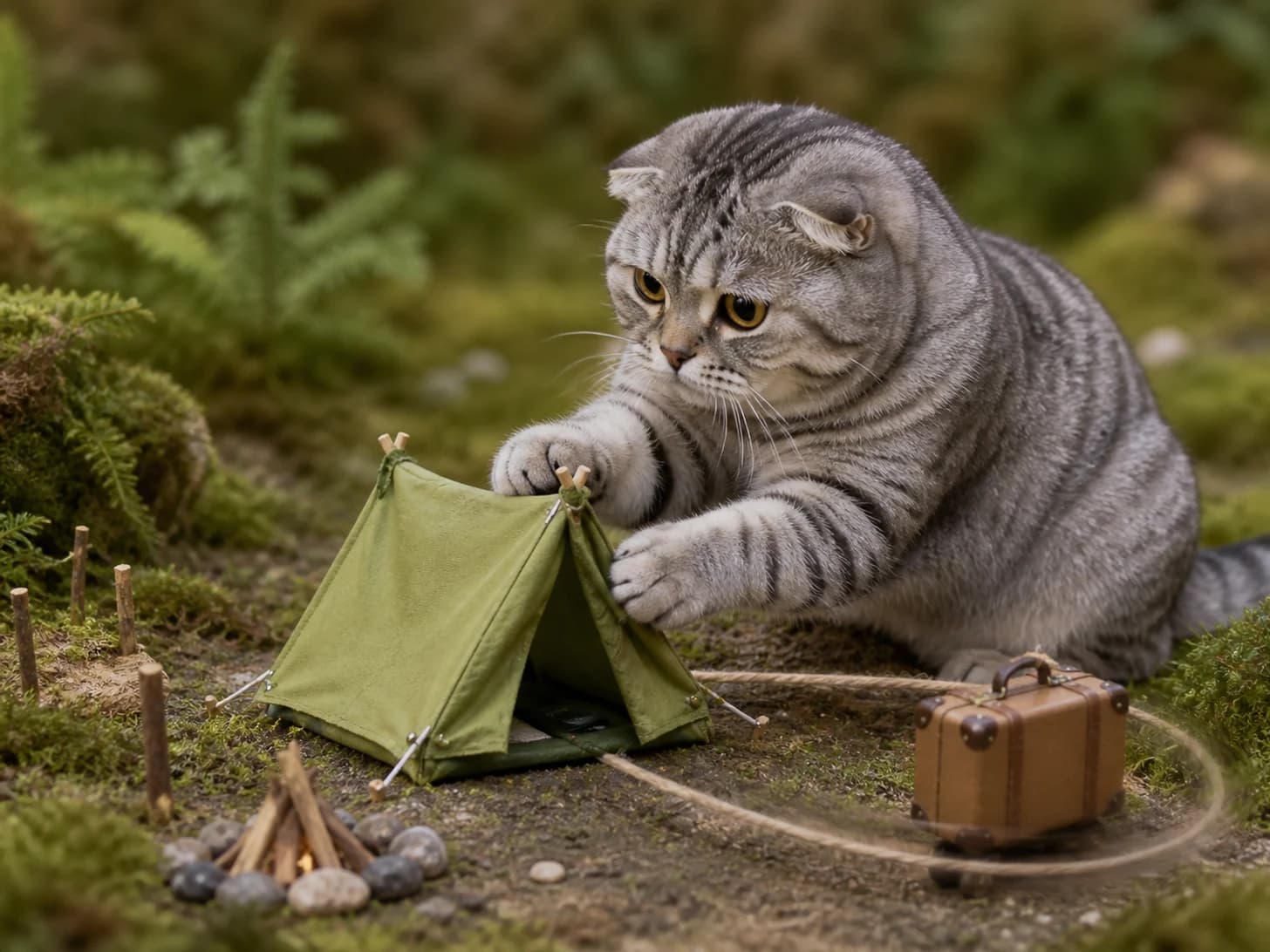
The Foldex, or Exotic Fold, was developed in Quebec from the 1990s by crossing Scottish Folds with Exotic Shorthairs.
The result is a small, round, folded-eared cat with the short face and dense plush coat of the Exotic — recognised by the Canadian Cat Association.
It weighs 3 to 5.5 kilograms and has a reputation for being calm, gentle and undemanding. It also inherits both parents' problems at once: the fold gene brings the same cartilage defect and degenerative joint disease it causes in the Scottish Fold, and the Exotic Shorthair contributes a flattened face with the breathing, tear-duct and dental consequences that follow from it.
- Origin
- Quebec, Canada, from Scottish Fold and Exotic Shorthair
- Size
- 3–5.5 kg
- Lifespan
- 11–15 years
- Coat
- Short and dense, in most colours
- Temperament
- Calm, gentle, undemanding
- Health
- Fold cartilage disease plus flat-faced breathing and eye problems
Related: Exotic shorthair · Scottish fold
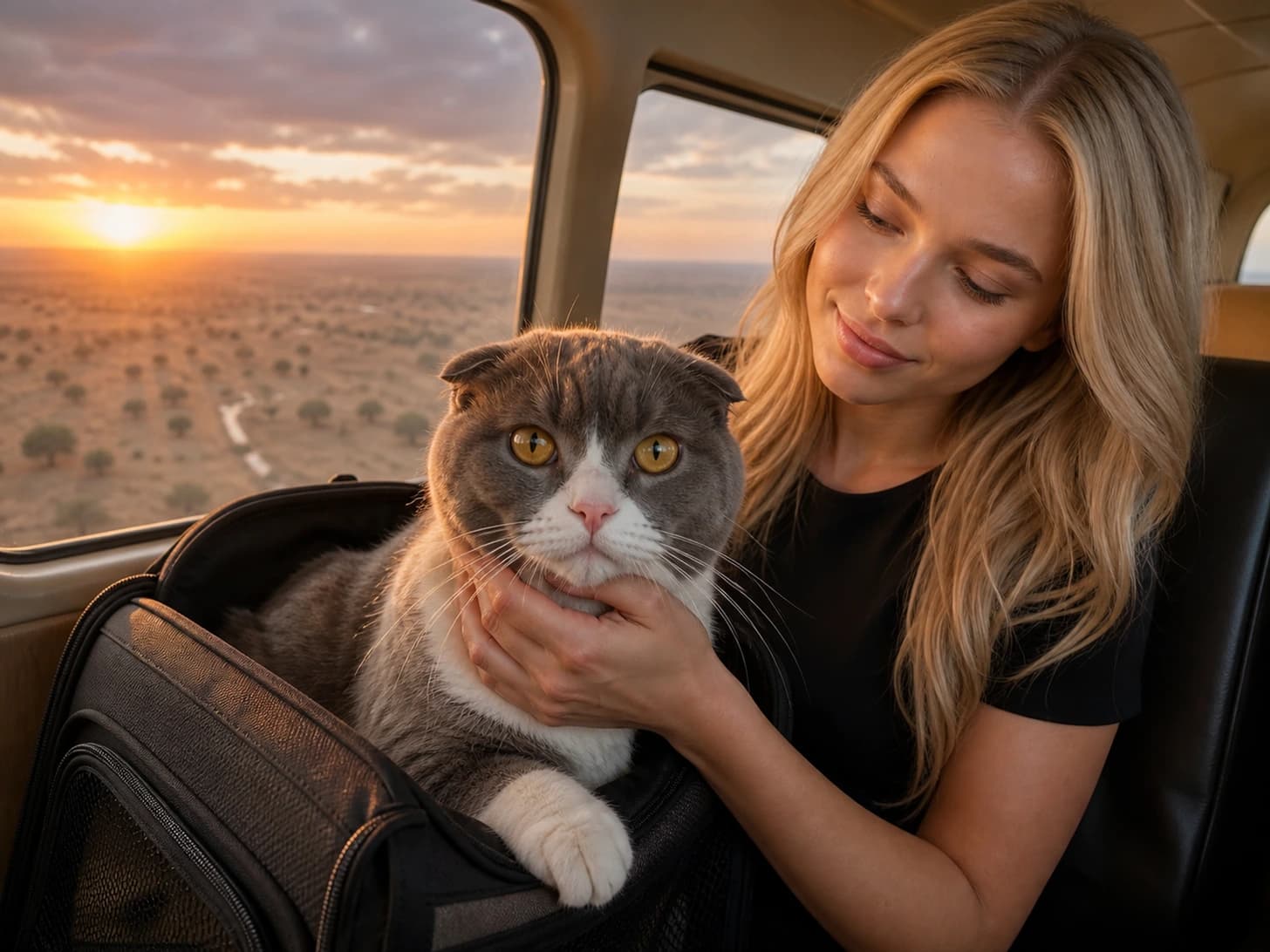
2 foldex photos, newest first
Living with a foldex
The fold gene here does exactly what it does in a Scottish Fold: osteochondrodysplasia in every folded cat, progressive and painful. Reluctance to jump, a stiffening tail and reduced activity are pain, not temperament. Ask for baseline X-rays and expect long-term pain management.
The shortened face brings its own list. Watch for noisy or open-mouthed breathing, exercise intolerance, and heat sensitivity, and expect tear staining from blocked ducts — the eyes need wiping daily in many individuals.
Crowded teeth in a short jaw mean dental disease early. Annual dental assessment, not just a glance.
Clean the folded ears regularly, since airflow is restricted.
A straight-eared kitten from Foldex breeding avoids the joint disease entirely, and is the better choice if the type appeals.
General guidance, not veterinary advice. Individual cats vary, and anything about a specific animal is a question for a vet who has seen it.
Worth reading alongside this
More cats by breed
Every cat breed somebody has posted a photo of.