European shorthair
The European Shorthair is the native domestic cat of continental Europe, recognised as a formal breed by the Scandinavian registries in the early 1980s in order to give the ordinary European cat a standard of its own rather than folding it into the British or American breeds.
It weighs 4 to 7 kilograms, is medium to large, muscular and well-proportioned, with a short dense coat in essentially any colour. There is nothing exaggerated about it in any direction — no flattened face, no extreme body type, no structural mutation — and that, combined with a broad gene pool drawn from an entire continent's cat population, makes it one of the healthiest and longest-lived pedigree breeds there is.
- Origin
- Continental Europe; formally recognised in the 1980s
- Size
- 4–7 kg
- Lifespan
- 15–20 years
- Coat
- Short and dense, in nearly any colour
- Build
- Moderate throughout — nothing exaggerated
- Health
- Very good; broad gene pool, no breed-specific conditions
Related: European Burmese
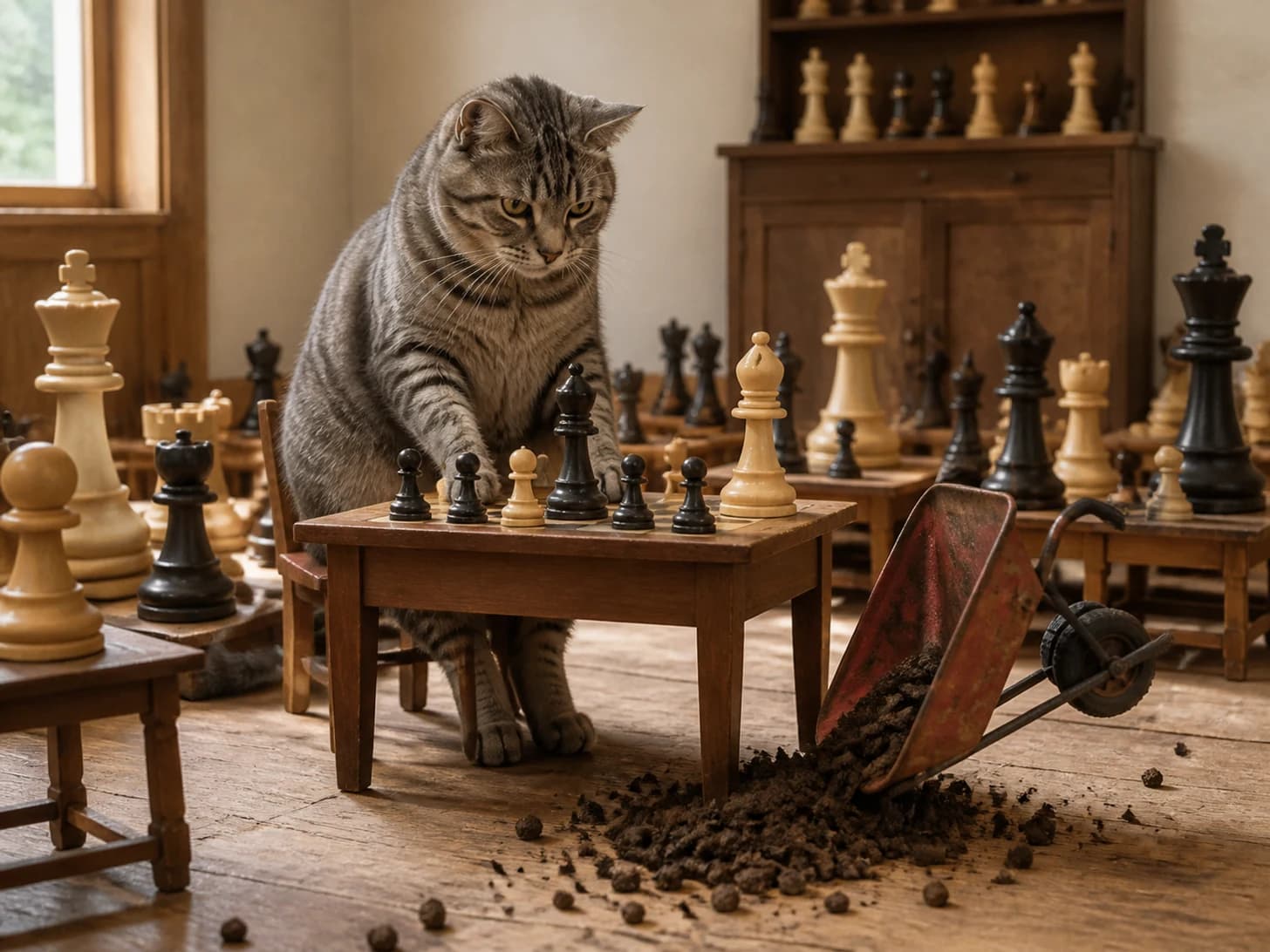
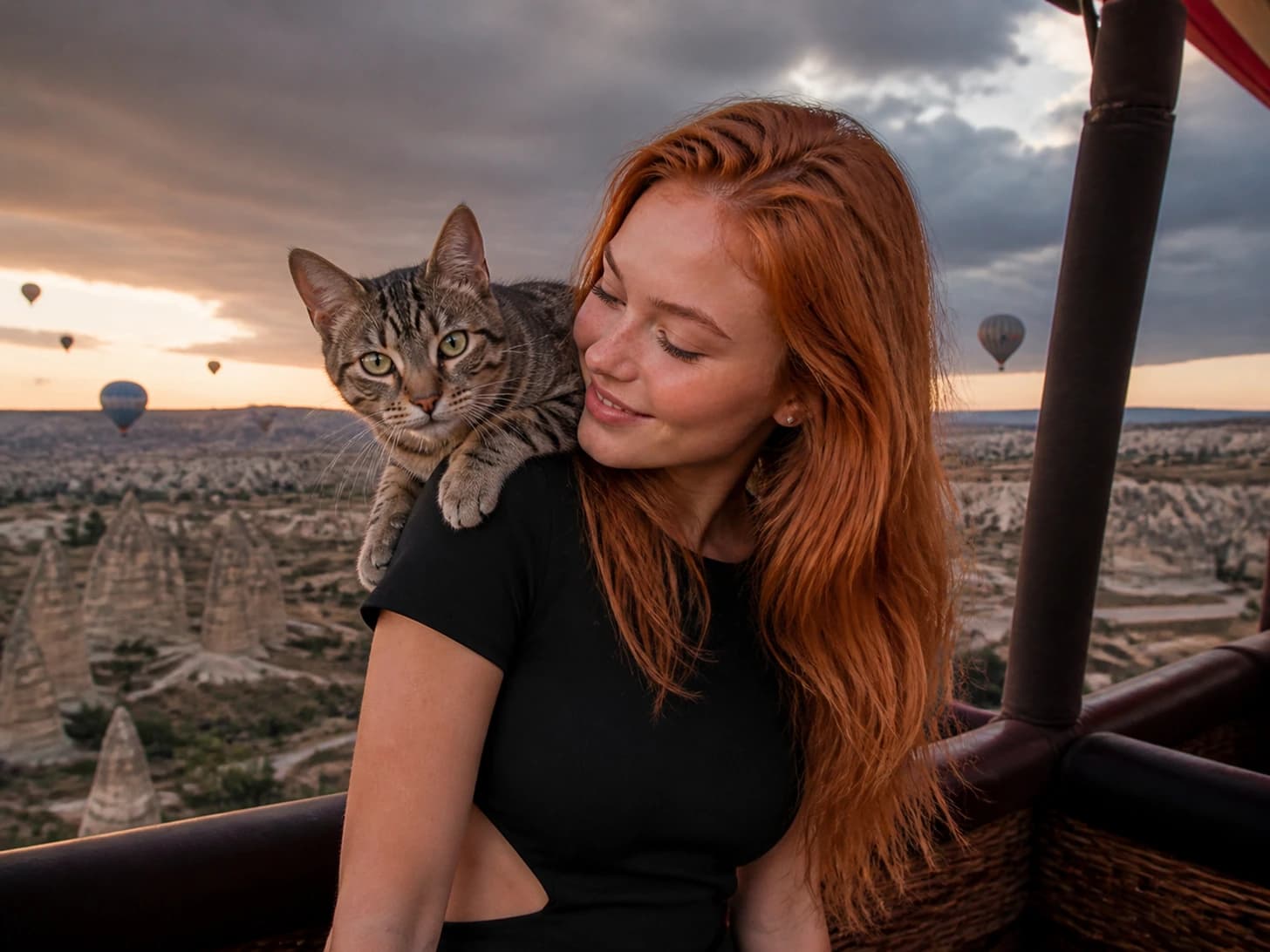
2 european shorthair photos, newest first

Living with a european shorthair
About as straightforward as a pedigree cat gets. Weekly brushing, ordinary feeding, and no breed-specific health tests to chase.
They are natural hunters with real energy and do best with access to a secure garden or a catio, plenty of play, and vertical space.
They are prone to weight gain in a sedentary indoor life, and obesity in a cat brings diabetes and arthritis rather than just a rounder shape. Measure food rather than free-feeding.
They tend to be independent and self-possessed rather than clingy, which suits some households and disappoints others.
Annual checks, twice yearly past ten, with attention to teeth, kidneys and thyroid — the ordinary diseases of ordinary cats, which is what this breed is.
General guidance, not veterinary advice. Individual cats vary, and anything about a specific animal is a question for a vet who has seen it.
Worth reading alongside this
- What a bird breathes, and what kills it
- The kitchen scale that catches illness early
- What a flat face costs
- The health tests to ask a breeder for
- Coats, and what each type actually needs
- Dental disease, and why bad breath is not normal
- What the extra weight actually costs
- Gene pools, popular sires and closed studbooks
More cats by breed
Every cat breed somebody has posted a photo of.