Kinkalow
The Kinkalow crosses the Munchkin with the American Curl, producing a short-legged cat with ears that curl backwards.
It was developed in the United States in the 1990s by Terri Harris and is recognised by TICA as experimental. It remains rare.
It weighs 1.4 to 3 kilograms, has a normal coat in short or long lengths, and is generally playful, curious and affectionate. The two defining features come from separate genes with quite different implications: the curled ear is a cosmetic cartilage change with no known associated disease, while the short leg is achondroplasia and carries the same considerations it does in any Munchkin-derived breed.
- Origin
- United States, 1990s, from Munchkin and American Curl
- Size
- 1.4–3 kg
- Lifespan
- 12–15 years
- Coat
- Short or long, in most colours
- Build
- Short legs, backward-curling ears
- Health
- Munchkin skeletal concerns; the curled ear is benign
Related: American curl · Munchkin
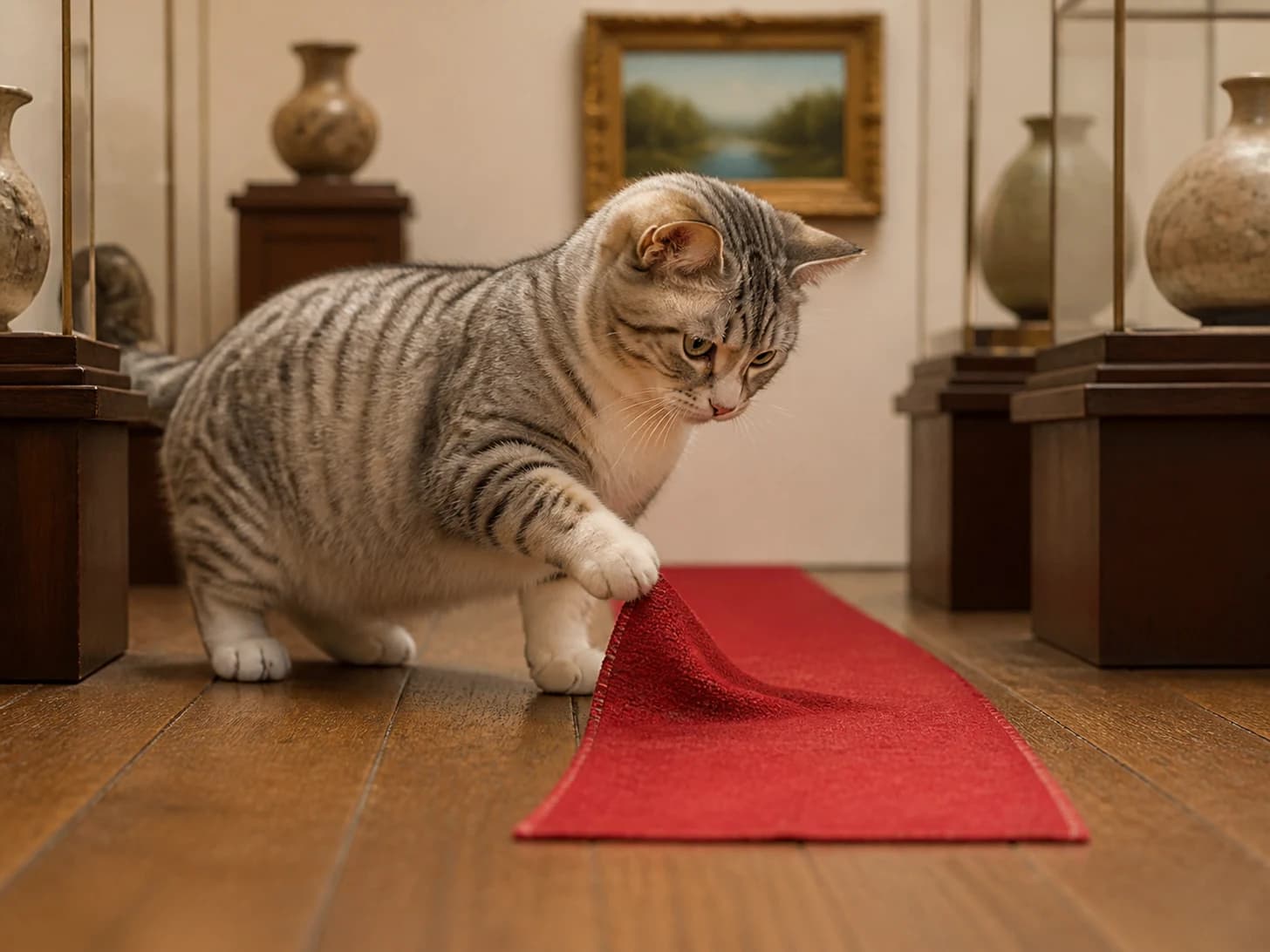
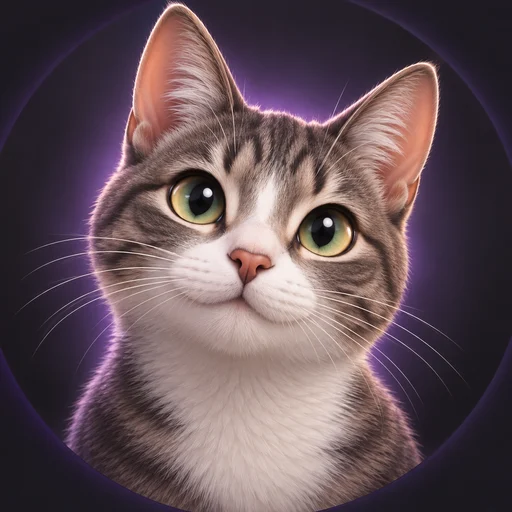
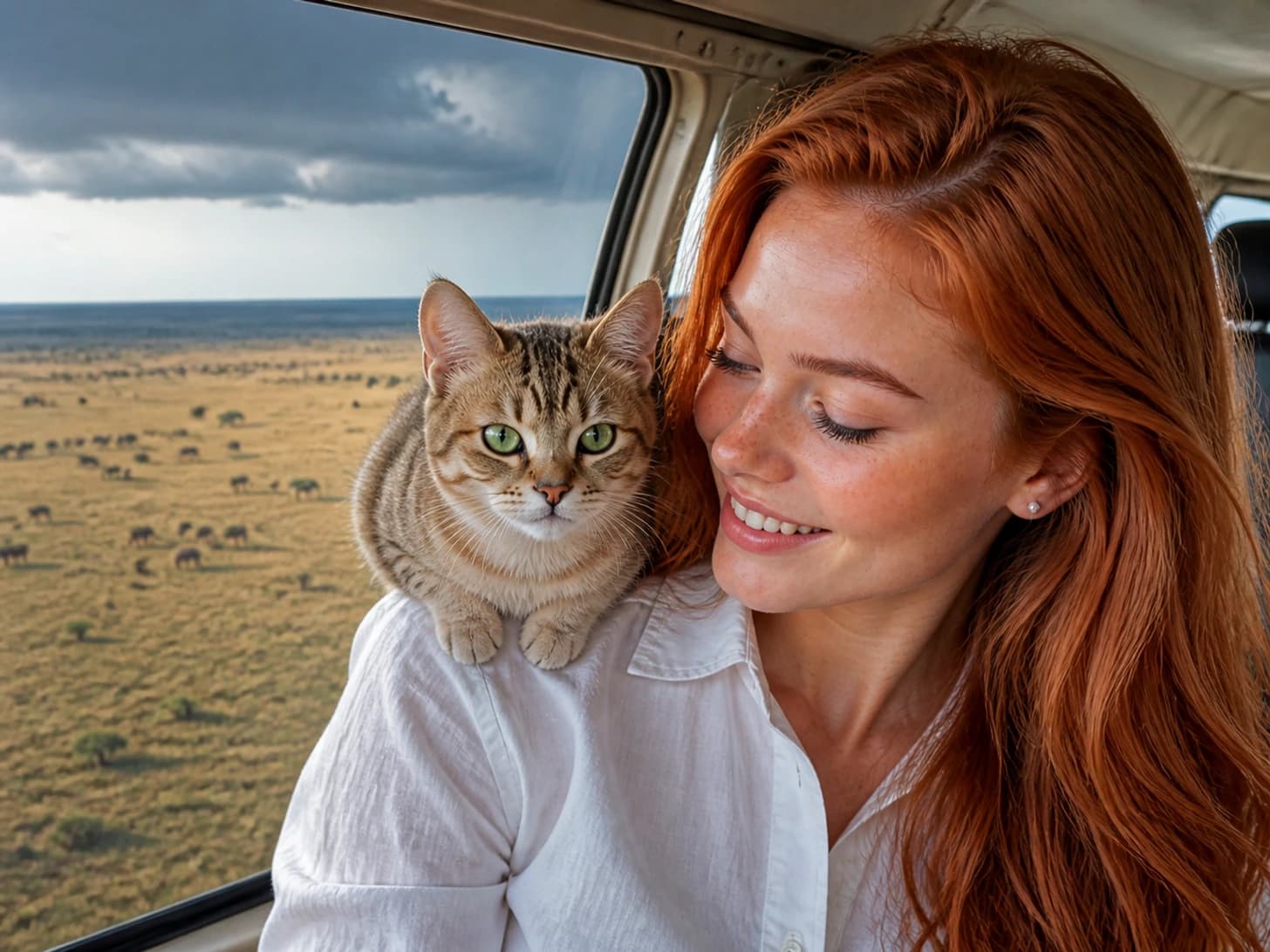
2 kinkalow photos, newest first
Living with a kinkalow
Handle the ears carefully. Curled ears are stiffer than normal ones and can be injured by being pulled or straightened — clean them gently and tell anyone handling the cat.
Because the ear opening is partly obscured, check and clean it more often than you would an ordinary cat's.
Short legs mean adapting the house: low-entry litter trays, steps or ramps to any perch, and nothing essential requiring a jump.
Ask breeders about lordosis and pectus excavatum, which occur in short-legged lines and are screened for in kittens. Two short-legged cats are never bred together.
Keep the cat lean and provide floor-level play. Weight on a short-limbed frame is harder on the joints than it would be otherwise.
General guidance, not veterinary advice. Individual cats vary, and anything about a specific animal is a question for a vet who has seen it.
Worth reading alongside this
More cats by breed
Every cat breed somebody has posted a photo of.