Dental disease, and why bad breath is not normal
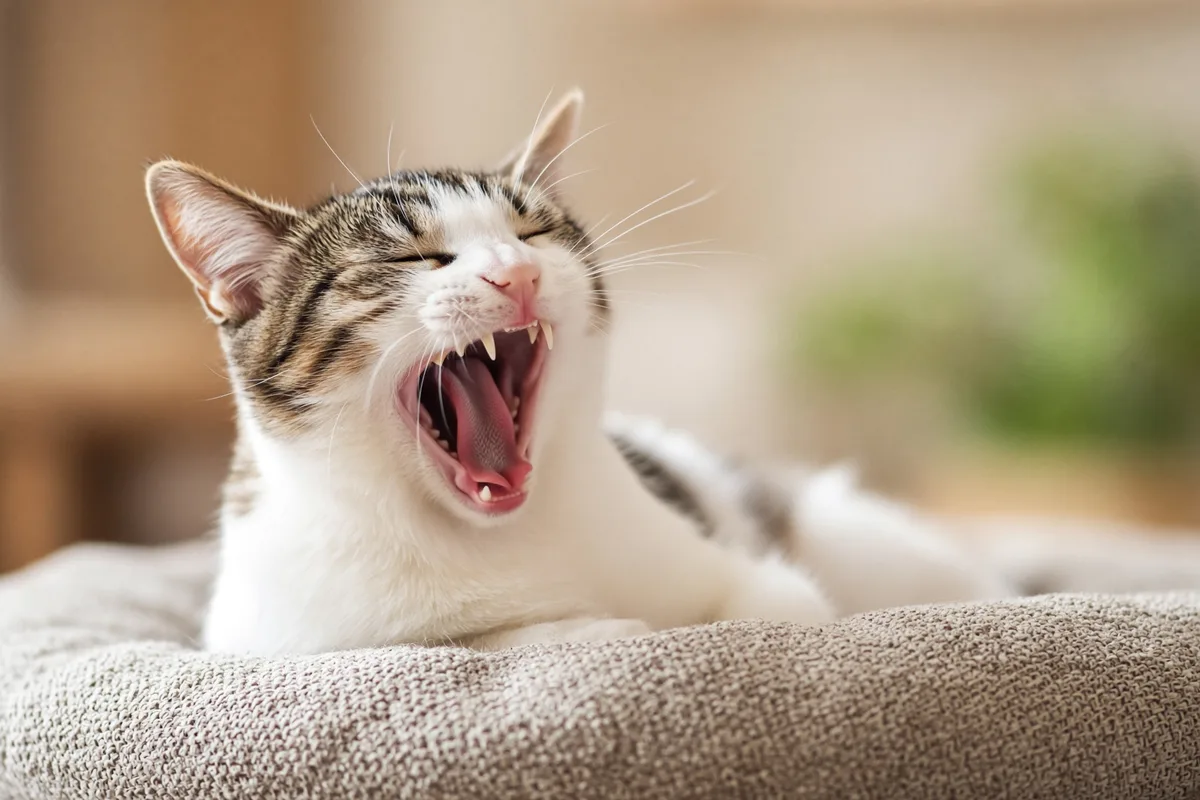
Most dogs and cats have periodontal disease by three years old, and it is almost entirely silent. What it does, what actually prevents it, and what to avoid.
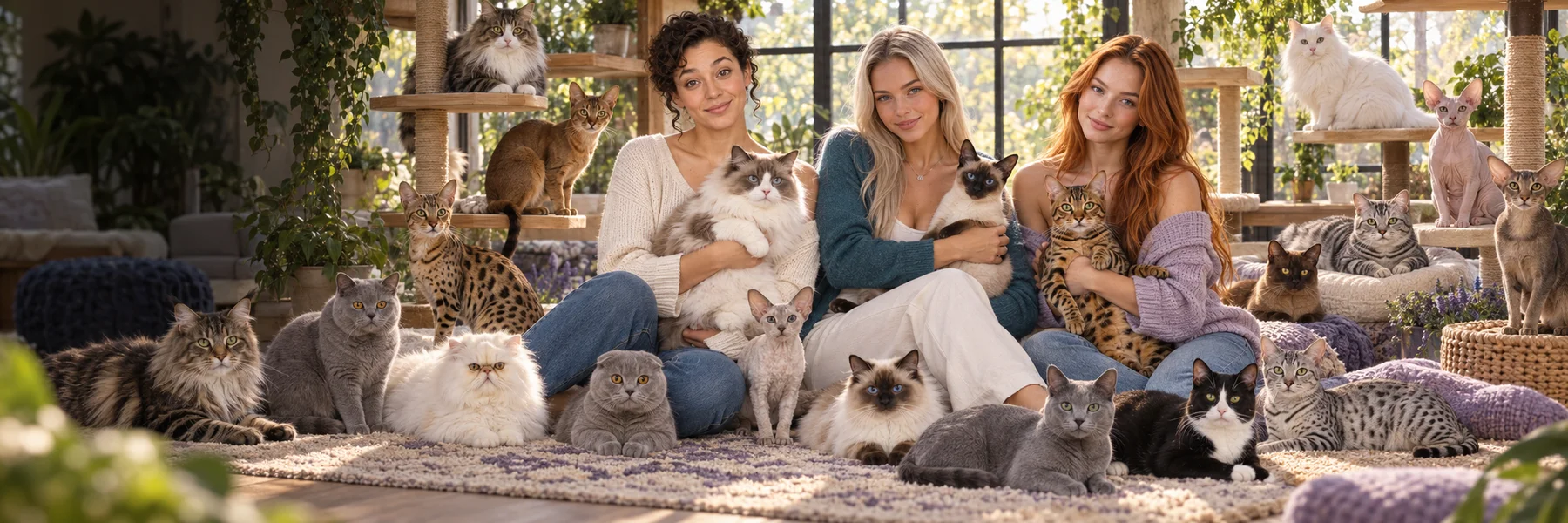
252 photos across 24 breeds
🐈 Cats domesticated themselves, more or less. They arrived alongside stored grain in the Near East around ten thousand years ago, and unlike dogs they were never bred for a job — which is why cat breeds differ mostly in coat, colour and build rather than in what they were made to do.
That also means temperament varies less between breeds than it does between individuals, with real exceptions at the edges: a Siamese or a Burmese is genuinely more vocal and more people-dependent than a British shorthair, and a bengal is genuinely more active than almost anything.
🐾 Several of the entries on this page are not breeds at all. Tabby and tortoiseshell are coat patterns that turn up in dozens of breeds and in none. Domestic shorthair, longhair and mixed-breed are simply cats — and they are the overwhelming majority of cats kept anywhere in the world, healthier on average than the pedigrees precisely because nobody selected them for a look. They are listed because they are what people photograph.
🧶 The decision that shapes daily life more than breed does is coat length. A Persian is a daily commitment with a comb and no negotiating; a British shorthair is twice a week; an oriental shorthair is essentially nothing. Long-haired cats that are not combed do not stay scruffy, they mat to the skin, and the mats have to be shaved off under sedation.
🏠 The other one is indoors, outdoors or a secure garden, and it is worth settling before the cat arrives rather than after. An indoor cat needs height, scratching posts, window views and things to hunt, or it will find its own entertainment in your furniture. Some breeds — ragdolls especially — are too trusting to be safe outside at all.
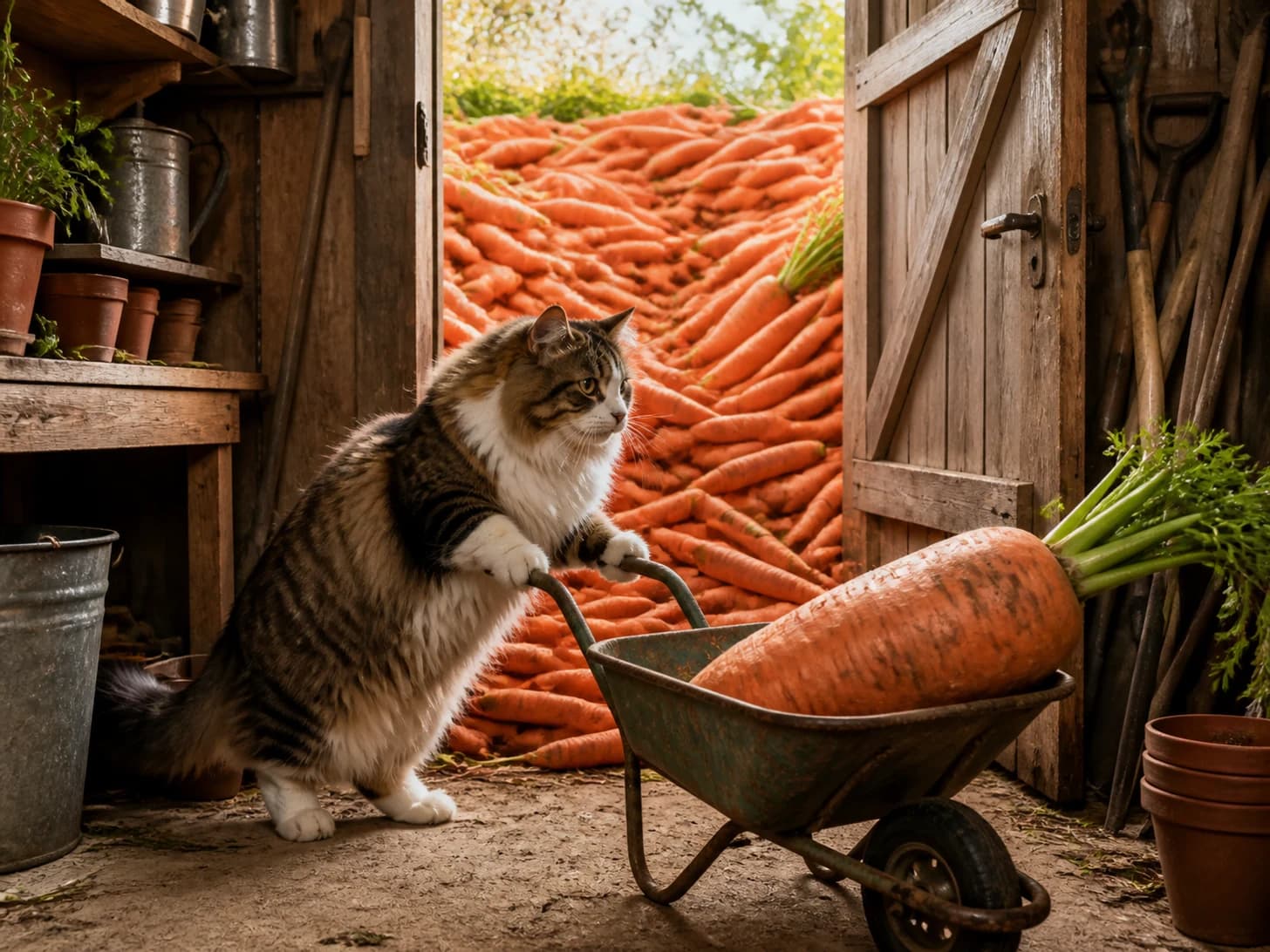

Sesame IV was promoted to gardener confronting a wheelbarrow full of one enormous vegetable; unfortunately, a mountain of carrots blocks the doorway.
FrostyOtter · 1 week ago
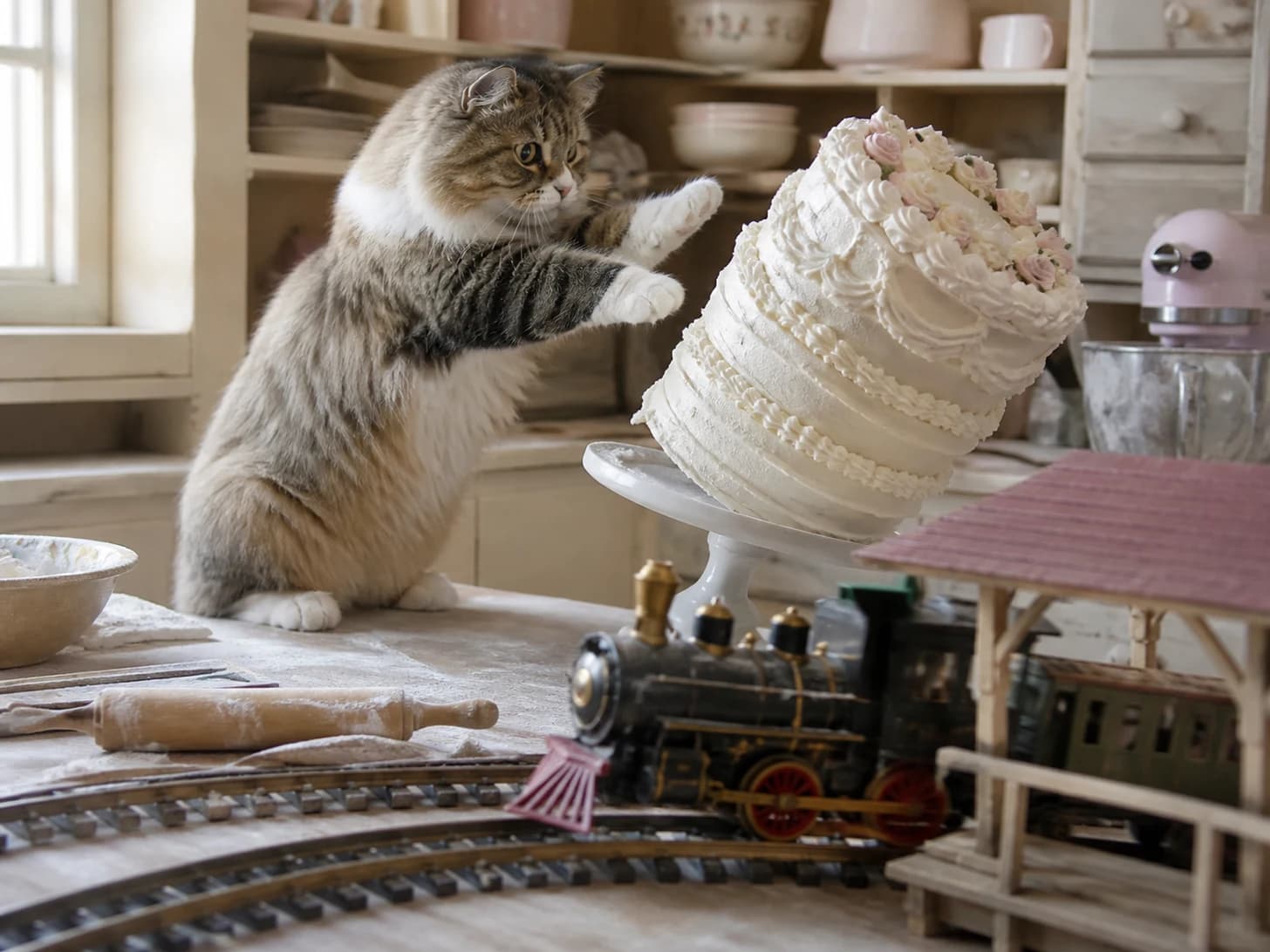
Lupin was promoted to pastry chef confronting a leaning cake; unfortunately, a clockwork train misses the platform.
FrostyOtter · 1 week ago
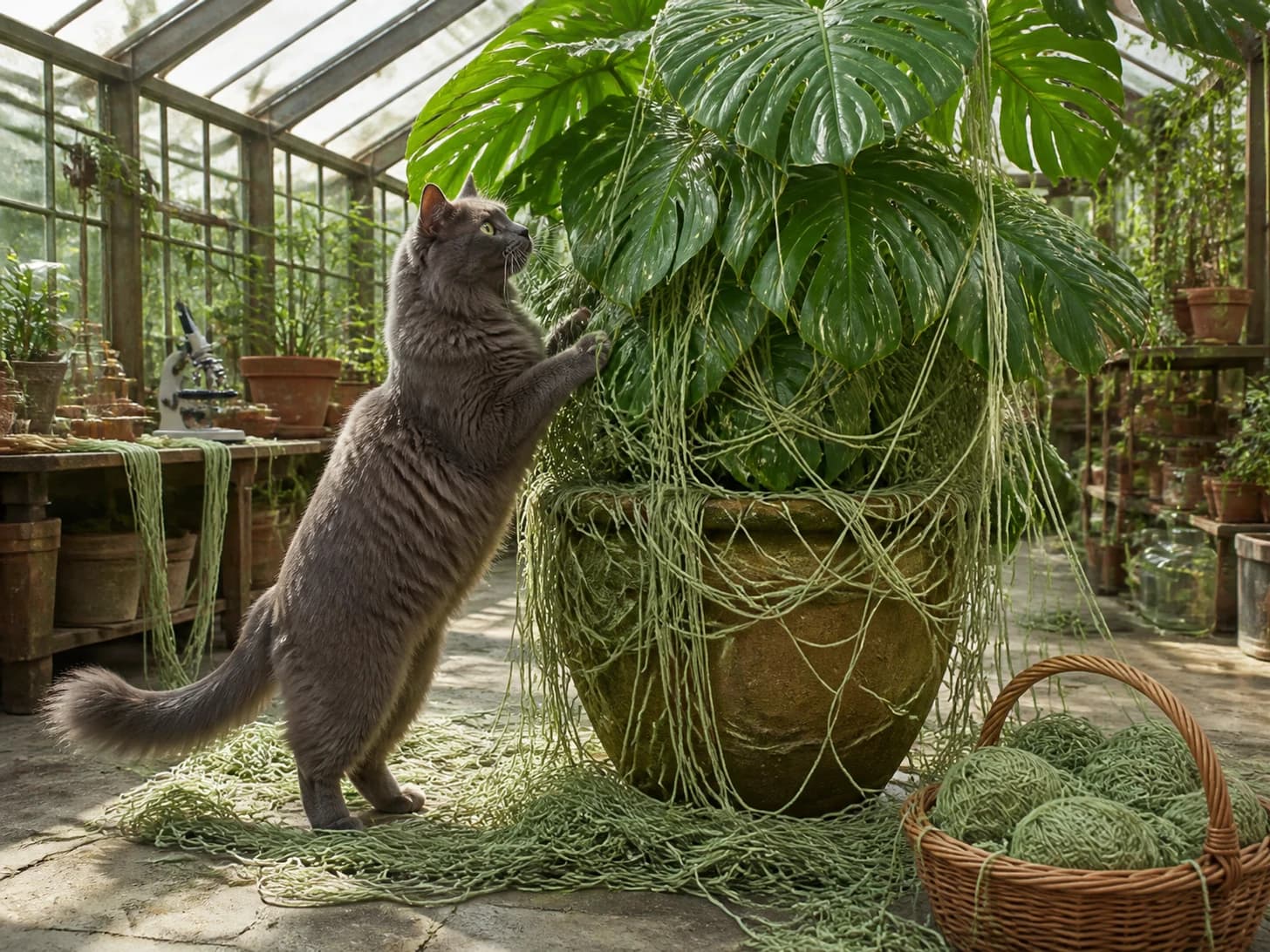
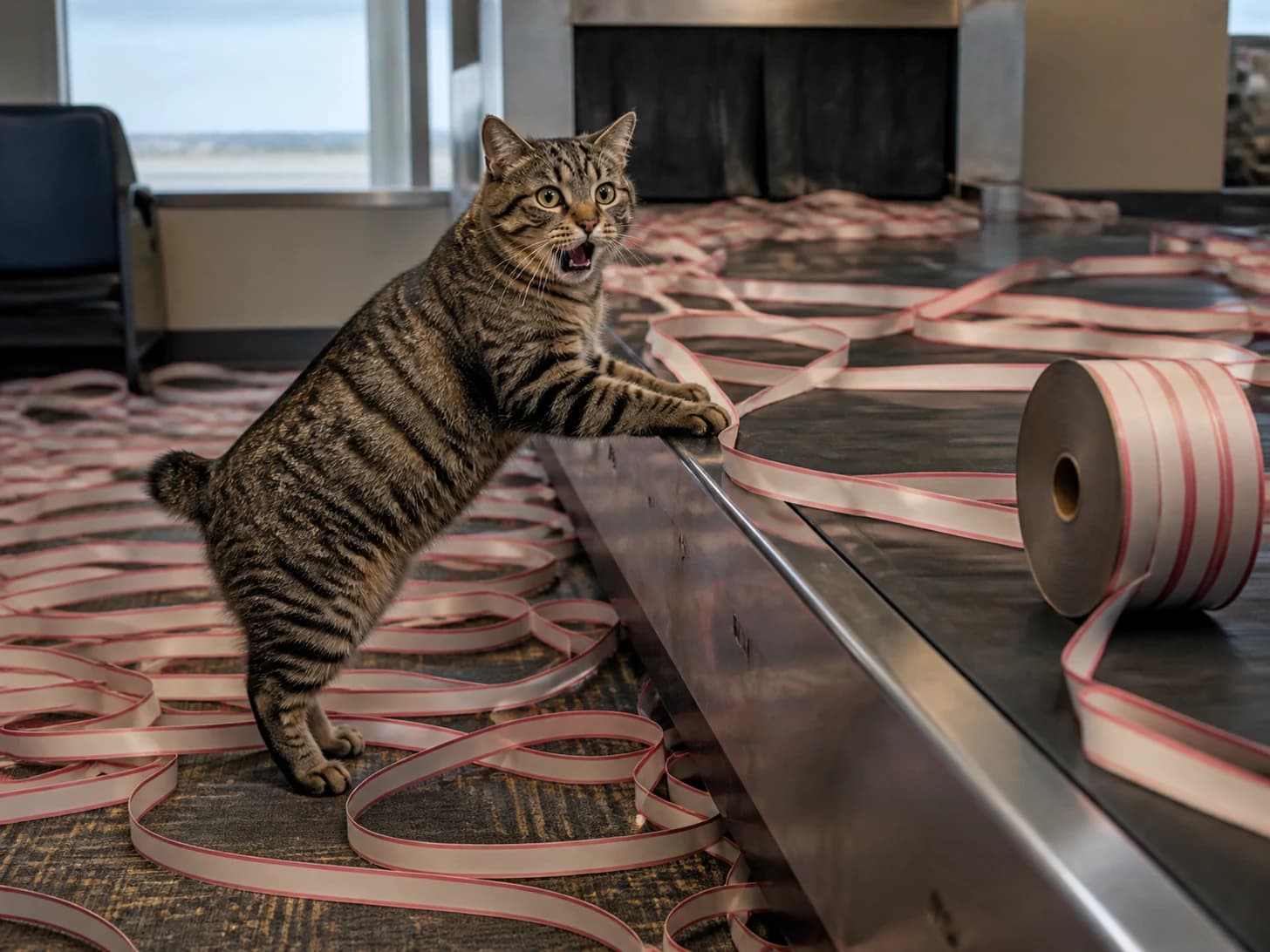
Tansy is up on her back legs inspecting the monstera, and the green wool has got everywhere in the process.
FrostyOtter · 1 week ago
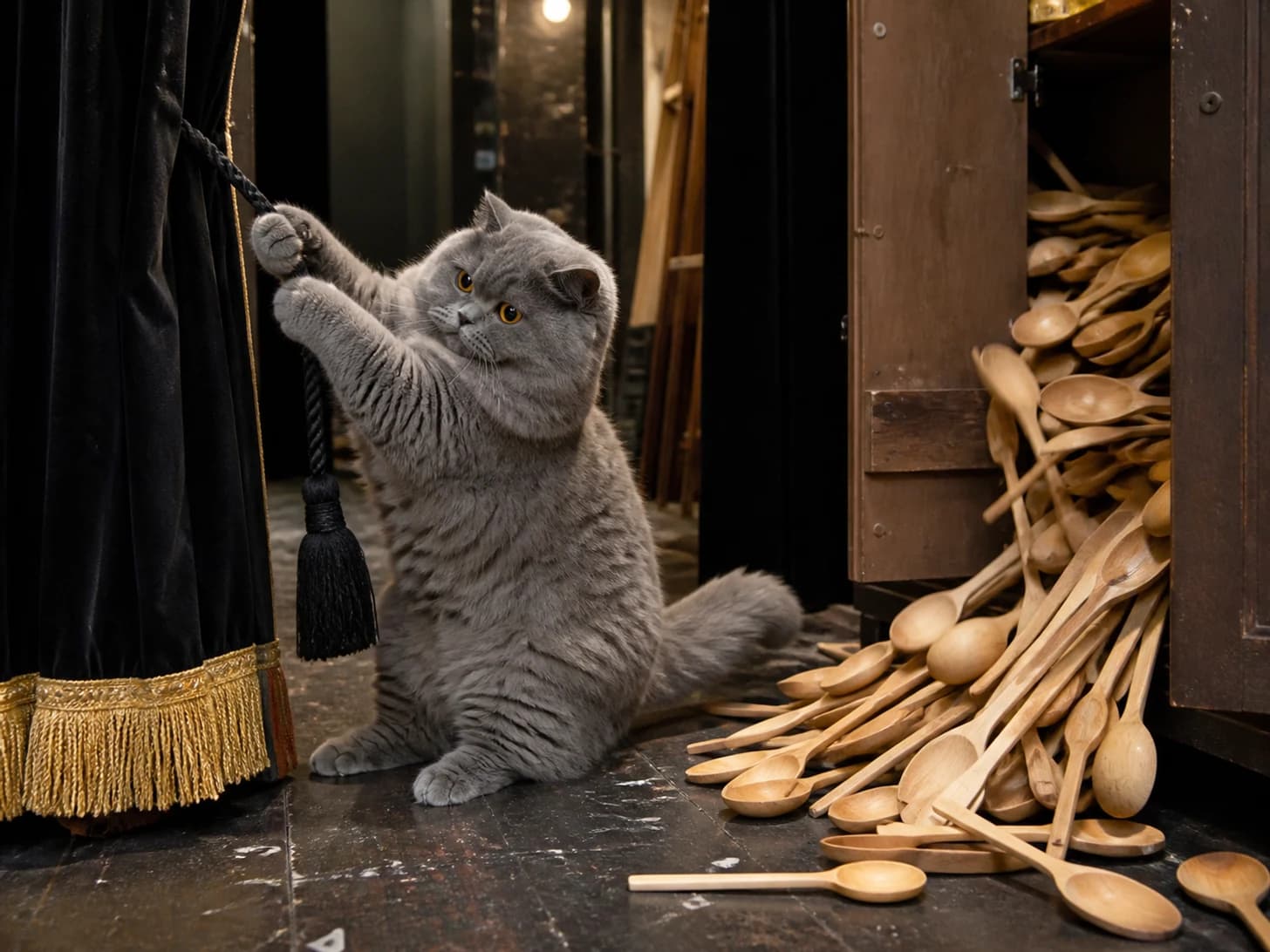
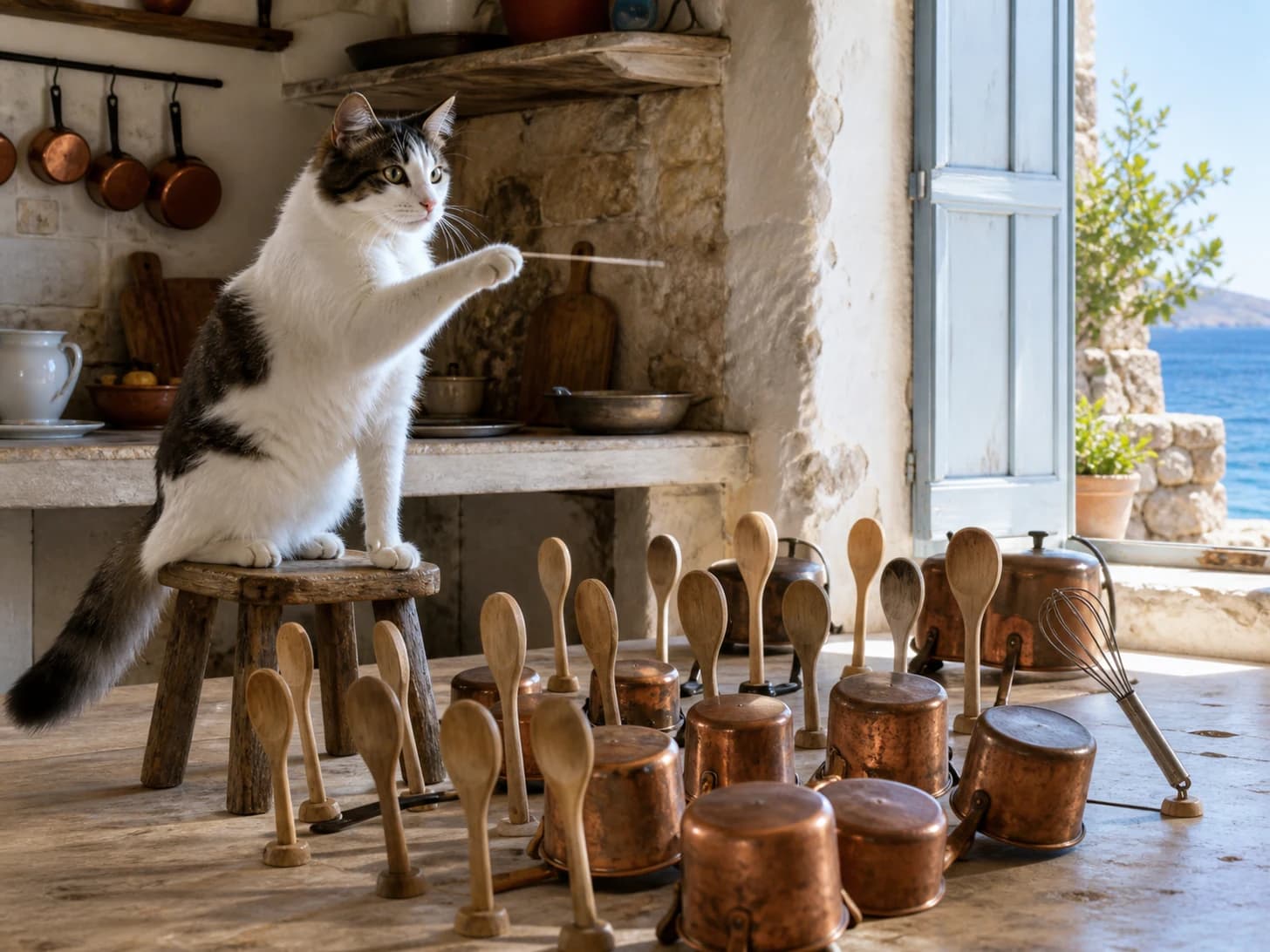
Bracken II has the curtain rope in both paws. Behind her, the spoon cupboard has given up entirely.
FrostyOtter · 1 week ago
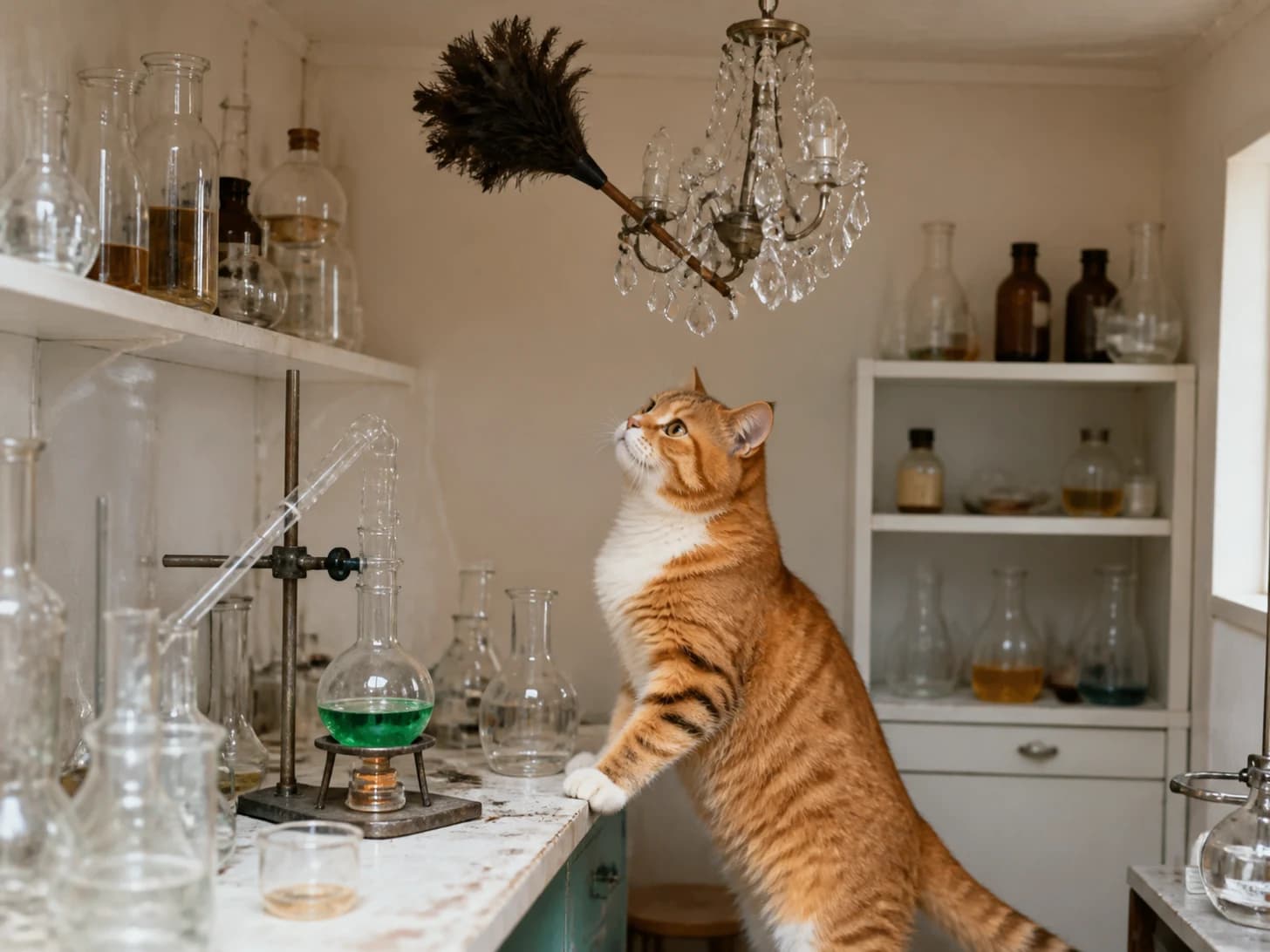
Heather VI is admiring the feather duster she got into the chandelier. The green flask is still bubbling behind her.
FrostyOtter · 1 week ago
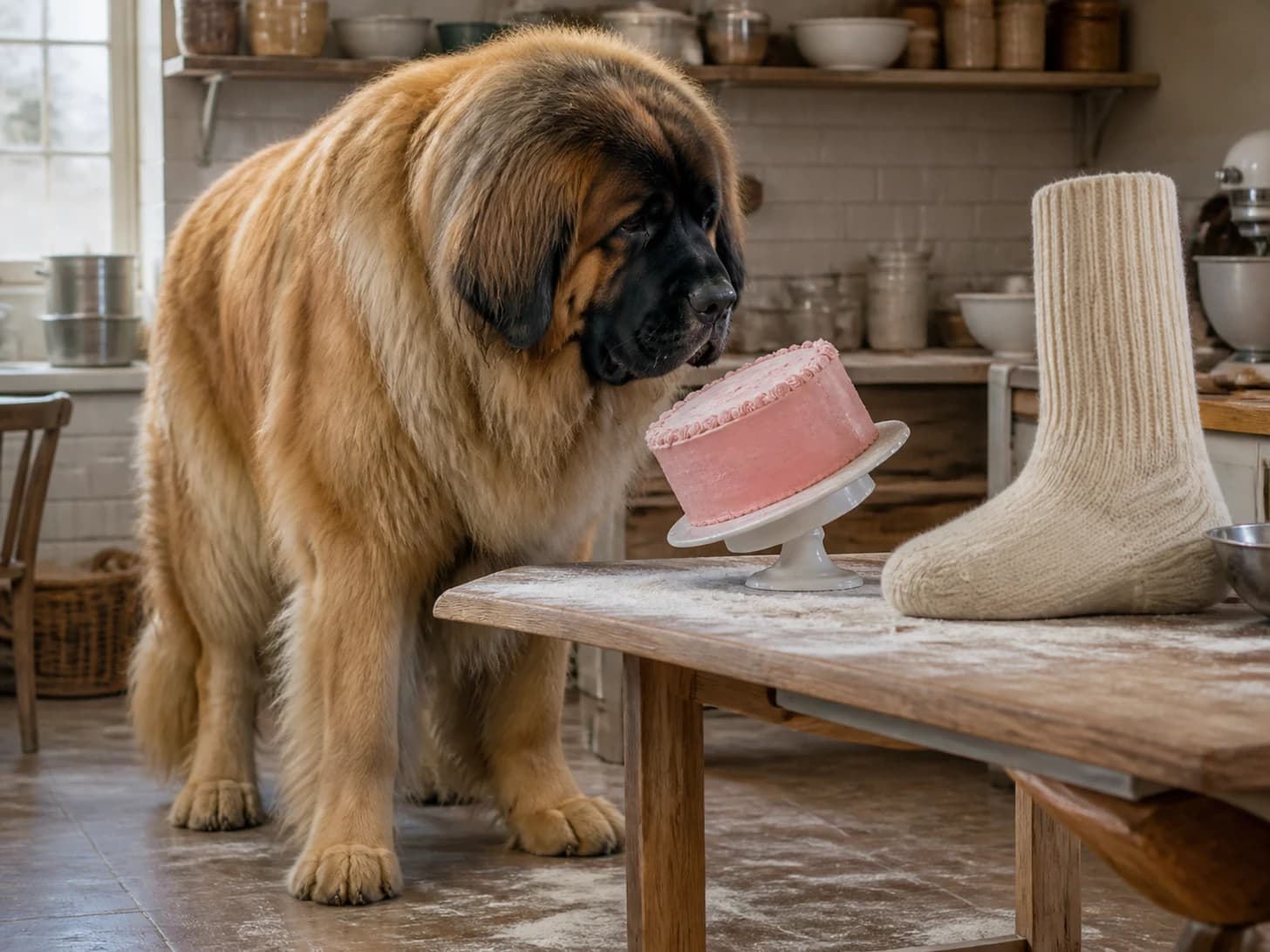
Parsnip V was promoted to pastry chef confronting a leaning cake; unfortunately, a single enormous sock appears without explanation.
FrostyOtter · 1 week ago
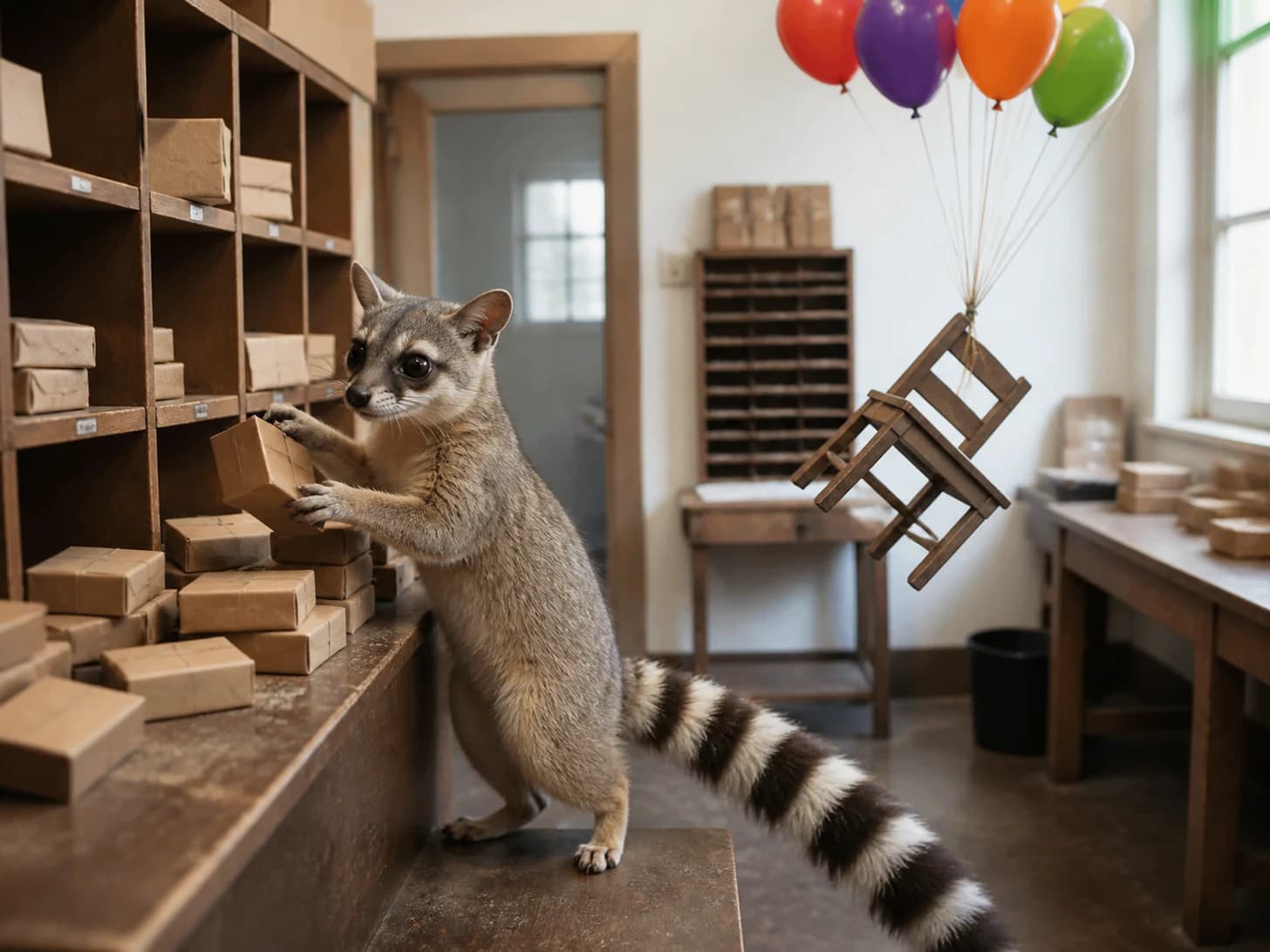
Truffle was promoted to post-office clerk sorting blank miniature parcels; unfortunately, a balloon bouquet pulls a tiny chair upward.
FrostyOtter · 1 week ago
General guidance, not veterinary advice. Anything about a specific animal is a question for a vet who has seen it.
A place to start rather than the whole list. Every name is a page.
Not a breed — just a cat, and the commonest and generally healthiest one there is. If you have no particular requirement, this is the sensible answer and there are thousands in rescue.
The largest domestic breed, semi-longhaired and unusually dog-like in temperament. Screen for hypertrophic cardiomyopathy and hip dysplasia — big cats get the latter too.
Dense, plush and famously undemonstrative — a cat that likes you nearby rather than on you. Combing twice a week, and a strong tendency to put on weight.
Loud, clever and genuinely people-dependent. A Siamese left alone all day is not a quiet cat that misses you; it is a cat that tells the street about it.
The most high-maintenance coat in the species: daily combing, without exception. The flattened face of the modern show type brings tear-duct and breathing problems, so the older doll-faced type is worth seeking out.
Large, placid and inclined to go limp when picked up, which is where the name comes from. Also too trusting to be safe outdoors, and a breed with a well-known HCM mutation that can be DNA-tested.
The most active cat most people will meet — a wild-hybrid-descended breed that climbs, swims, opens things and does not settle for a quiet flat. Early generations are legally restricted in some places.
Hairless, which means more maintenance rather than less: weekly bathing because the skin oils have nowhere to go, and a cat that actively seeks out heat and laps.
The subjects that come up on breed page after breed page, written out properly.
Most dogs and cats have periodontal disease by three years old, and it is almost entirely silent. What it does, what actually prevents it, and what to avoid.
Around half of dogs and cats are overweight, and lean-fed dogs live nearly two years longer. How to body-condition score, and how to feed for it.
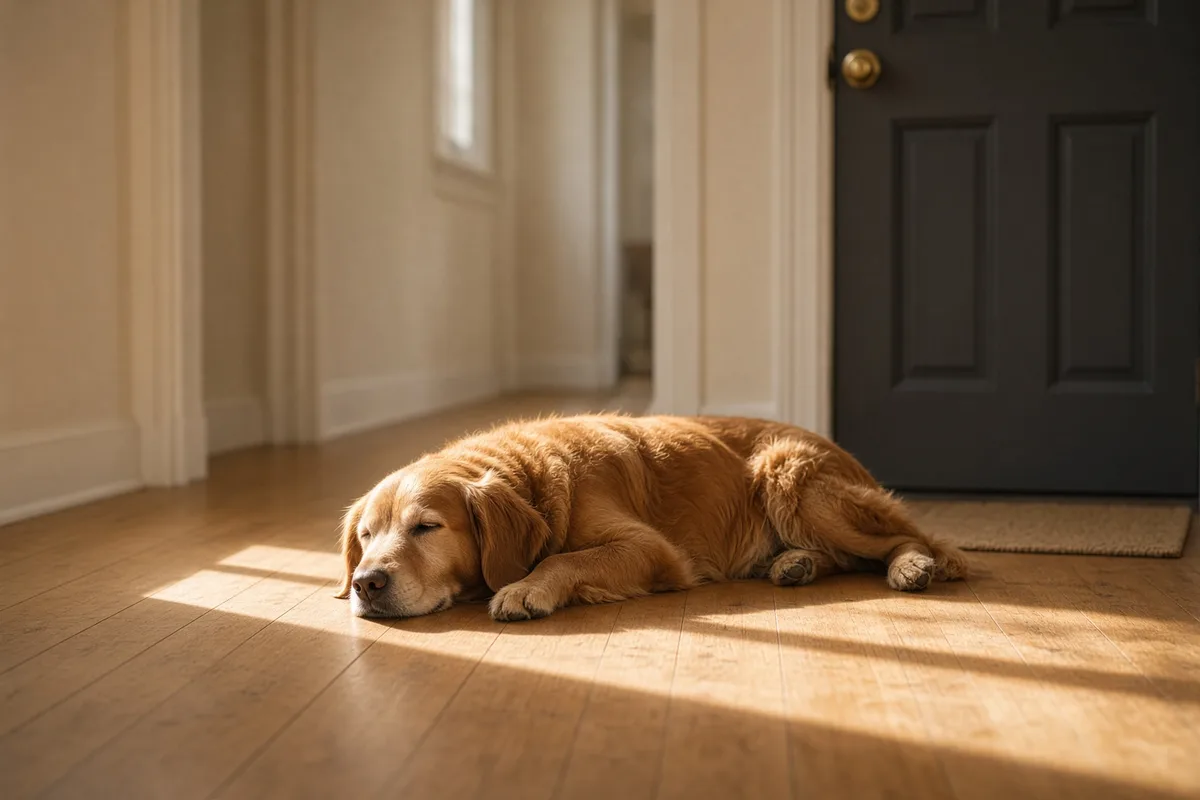
Some breeds were made to be companions and cope badly by themselves. How long is reasonable, how to build up alone-time, and when it is a panic disorder.

A great many of the breed profiles here mention a narrow gene pool. What that actually means, why one stallion can reshape a breed, and what to ask a breeder.
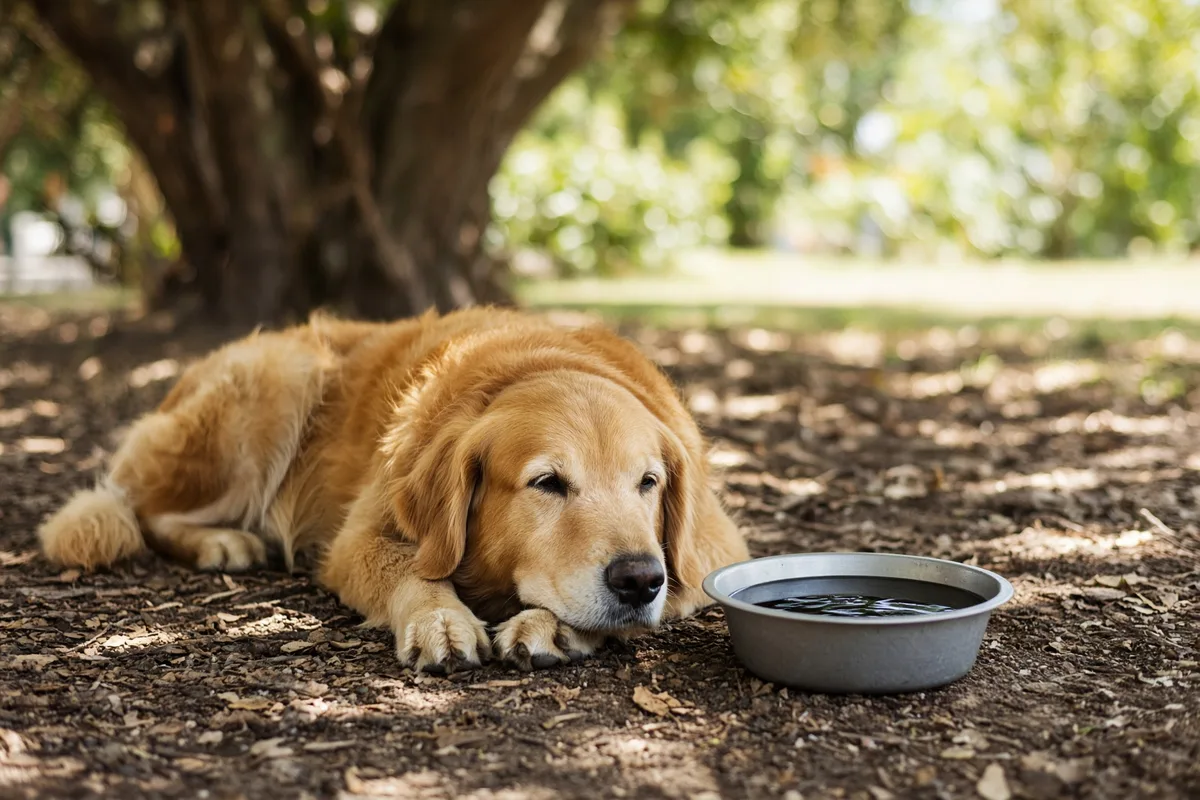
Heatstroke kills quickly and is entirely preventable. Which animals are at risk, the signs, and the cooling that current evidence actually supports.
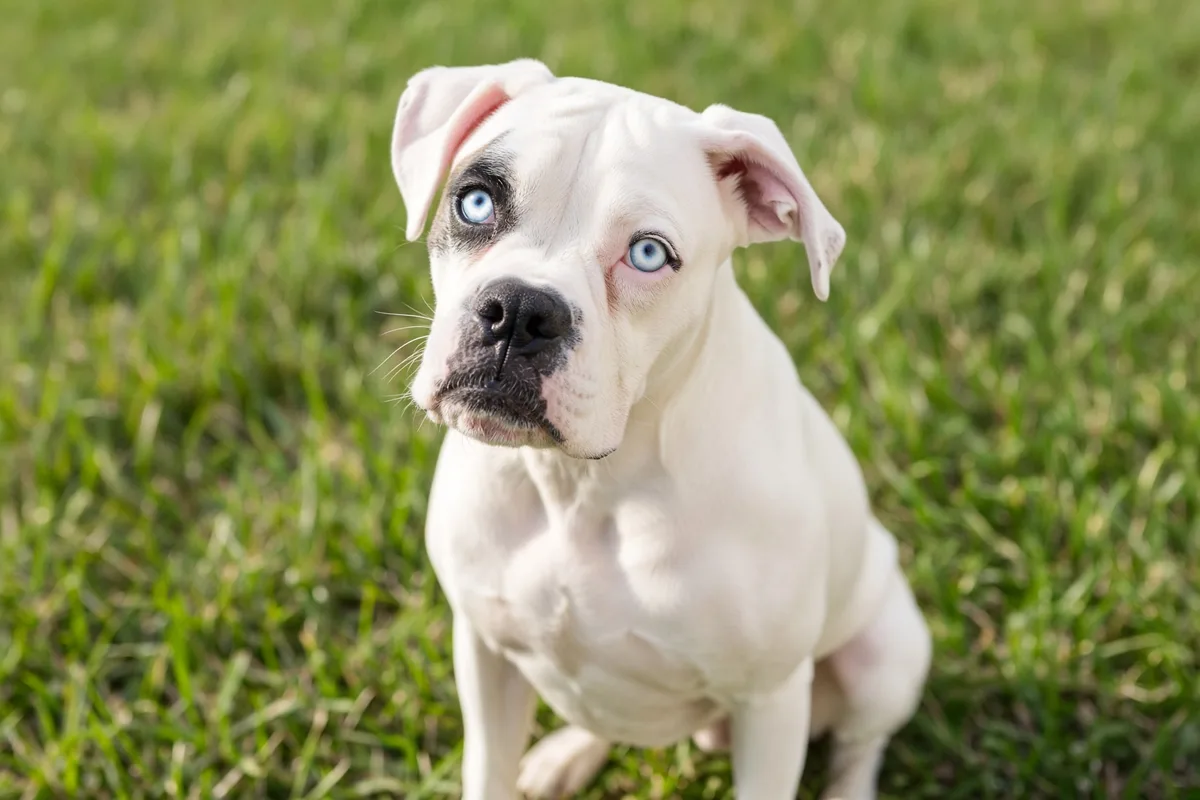
Congenital deafness travels with white coats, merle and piebald. Why pigment and hearing are linked, what a BAER test is, and how deaf animals live.
Every breed somebody has posted, A to Z.