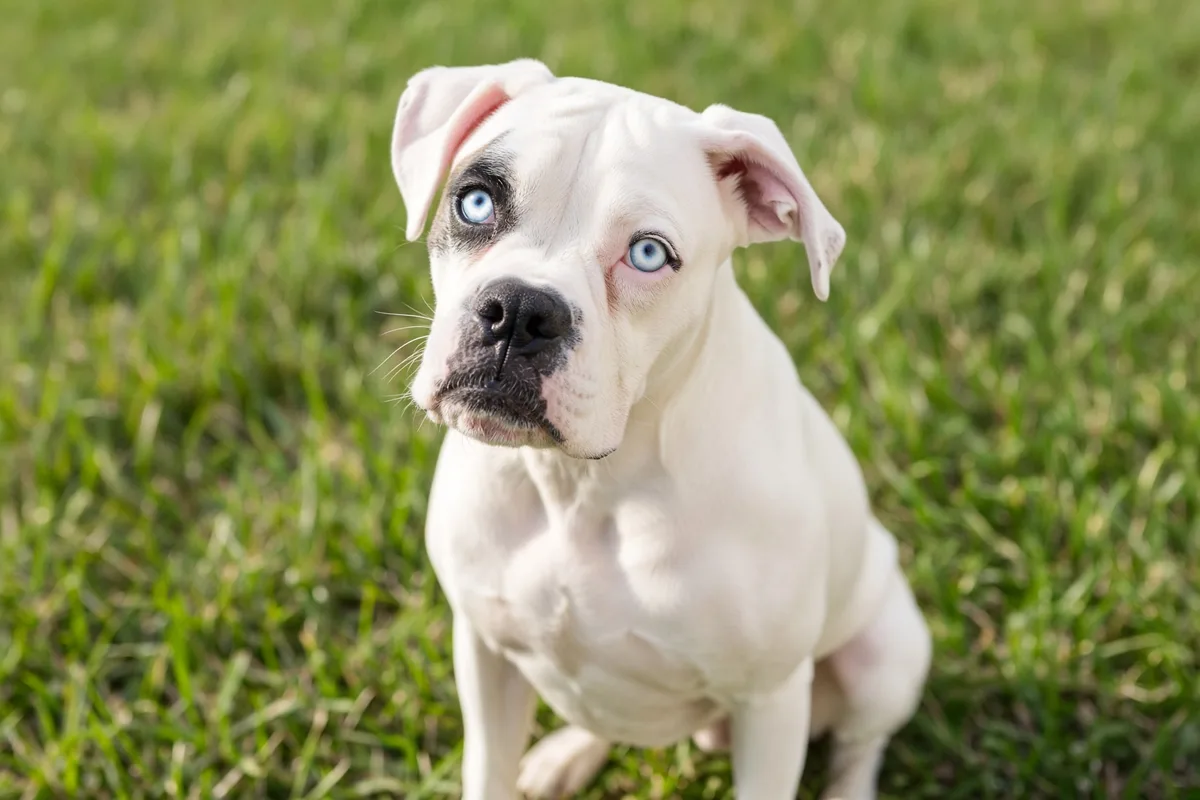
Deafness, and the coat colours that cause it
Congenital deafness travels with white coats, merle and piebald. Why pigment and hearing are linked, what a BAER test is, and how deaf animals live.
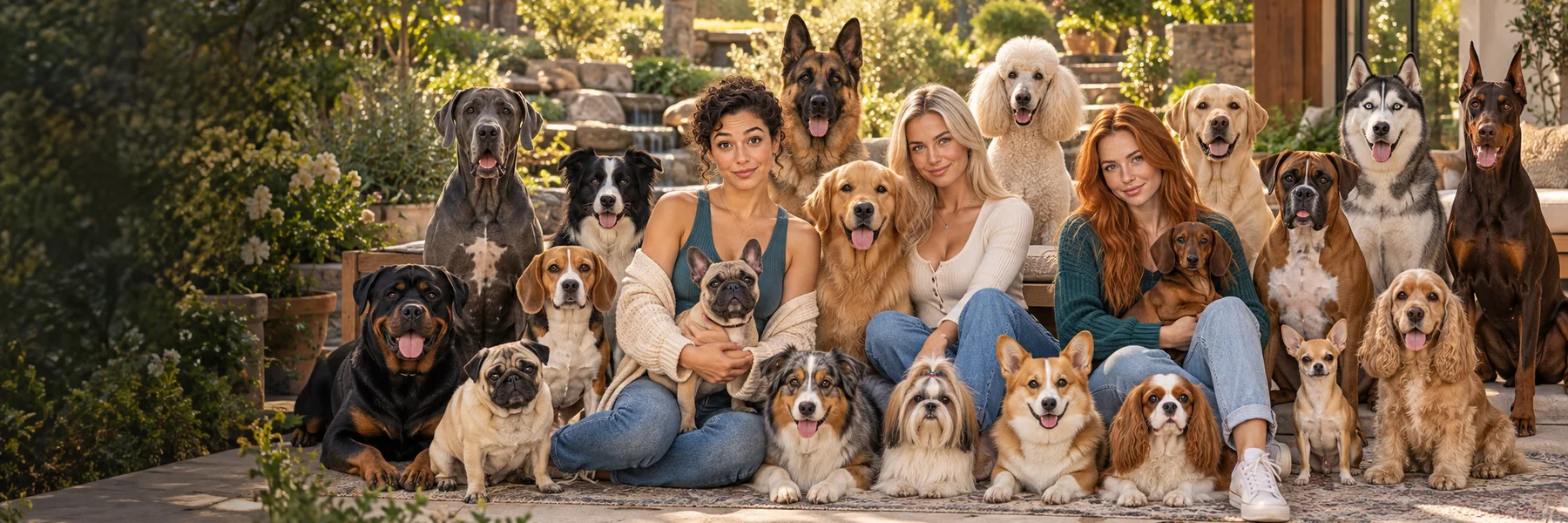
444 photos across 27 breeds
🐕 Dogs have lived alongside people longer than any other domesticated animal — the archaeological record puts the relationship at fifteen thousand years at least, and probably a good deal longer. Everything that followed is selective breeding, which is why a chihuahua and a great dane are the same species.
That range is the point when choosing one. Breed is a reasonable predictor of size, coat and exercise need, and a rough predictor of temperament, but it says less than people expect about an individual dog. A working line and a show line of the same breed can want very different lives — a field-bred English springer spaniel and a show-bred one are barely the same proposition.
🧠 What a breed was made to do is the most reliable predictor there is, and it is the one people discount. A terrier bred to kill vermin will kill vermin. A livestock guardian bred to make its own decisions at three in the morning will make its own decisions. A bloodhound will take its nose over your recall, and a border collie with nothing to herd will find something. None of that can be trained out; it can only be given somewhere to go.
⏱️ Size is not the same as exercise need, and the two get confused constantly. A greyhound is a big dog that sleeps most of the day and wants two decent walks. A jack russell terrier weighs six kilos and will still be looking for something to do at ten o'clock at night. If you are choosing by how much dog fits in the house, you are answering the wrong question.
🧬 The three that actually decide it: how many hours a day the dog will have company, how much coat you are willing to deal with for the next twelve years, and how much dog you can physically handle on a lead when it has decided otherwise. Breed follows from those. Almost nobody regrets thinking about them and a great many people regret not.
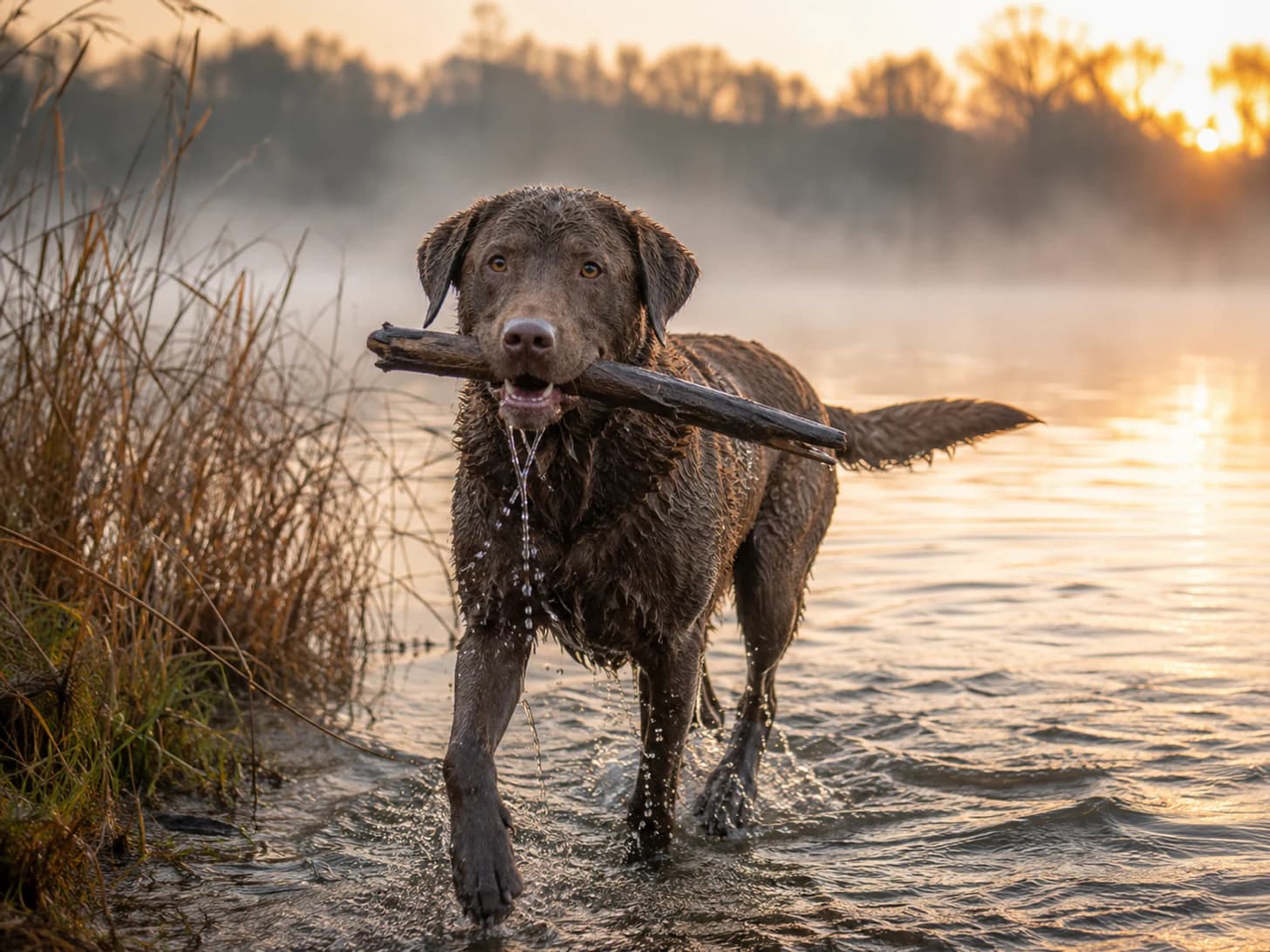

Chester goes in for one stick and comes back out with the largest branch available.
FrostyOtter · 6 days ago
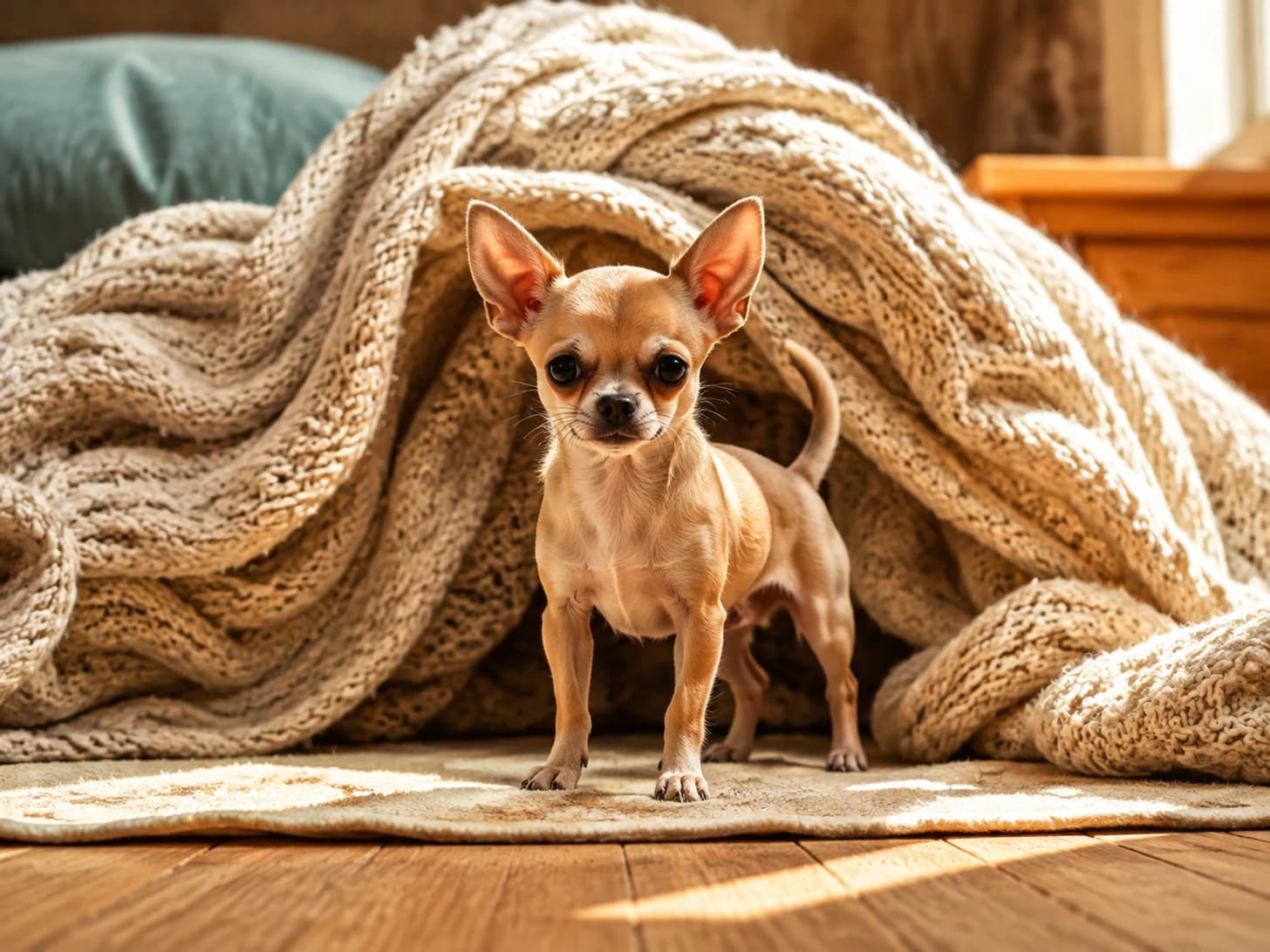
Peanut has built a tunnel under the blanket and emerges from it only for meals.
FrostyOtter · 6 days ago
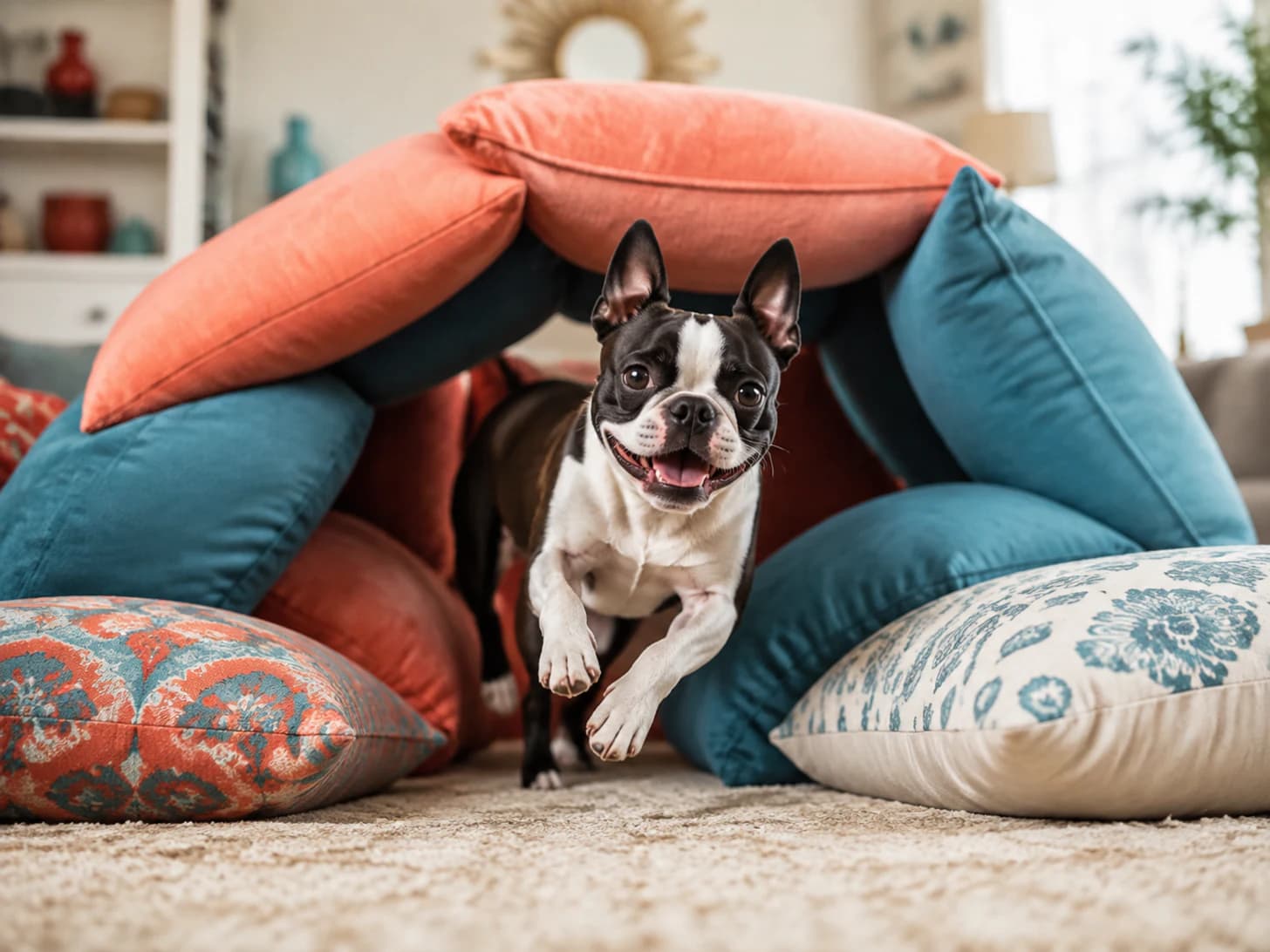
Bea built the fort, demolished the fort, and is now on her way to tell me about it.
FrostyOtter · 6 days ago
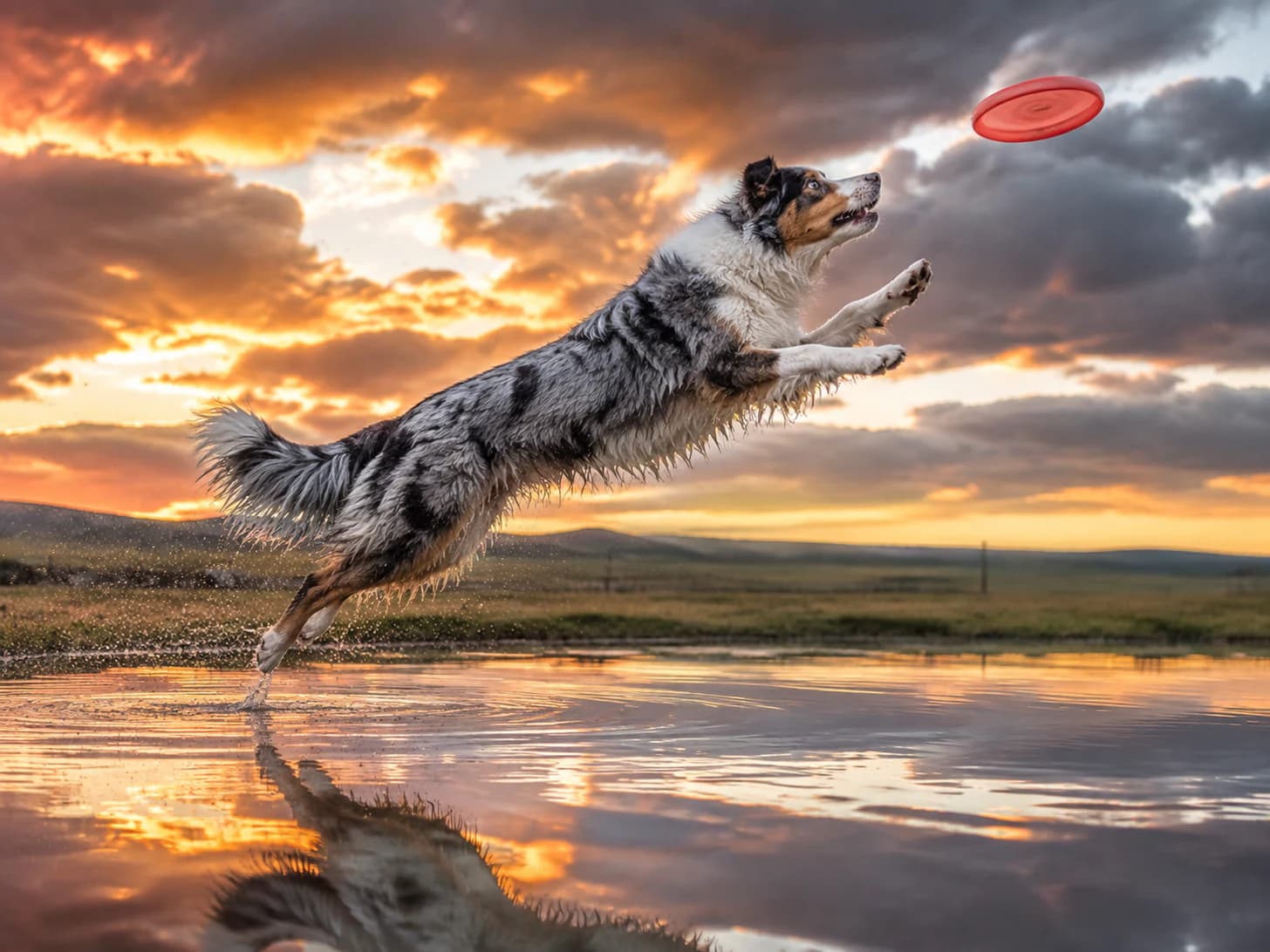
Indigo will bring the frisbee back as soon as she has finished being photographed with it.
FrostyOtter · 6 days ago
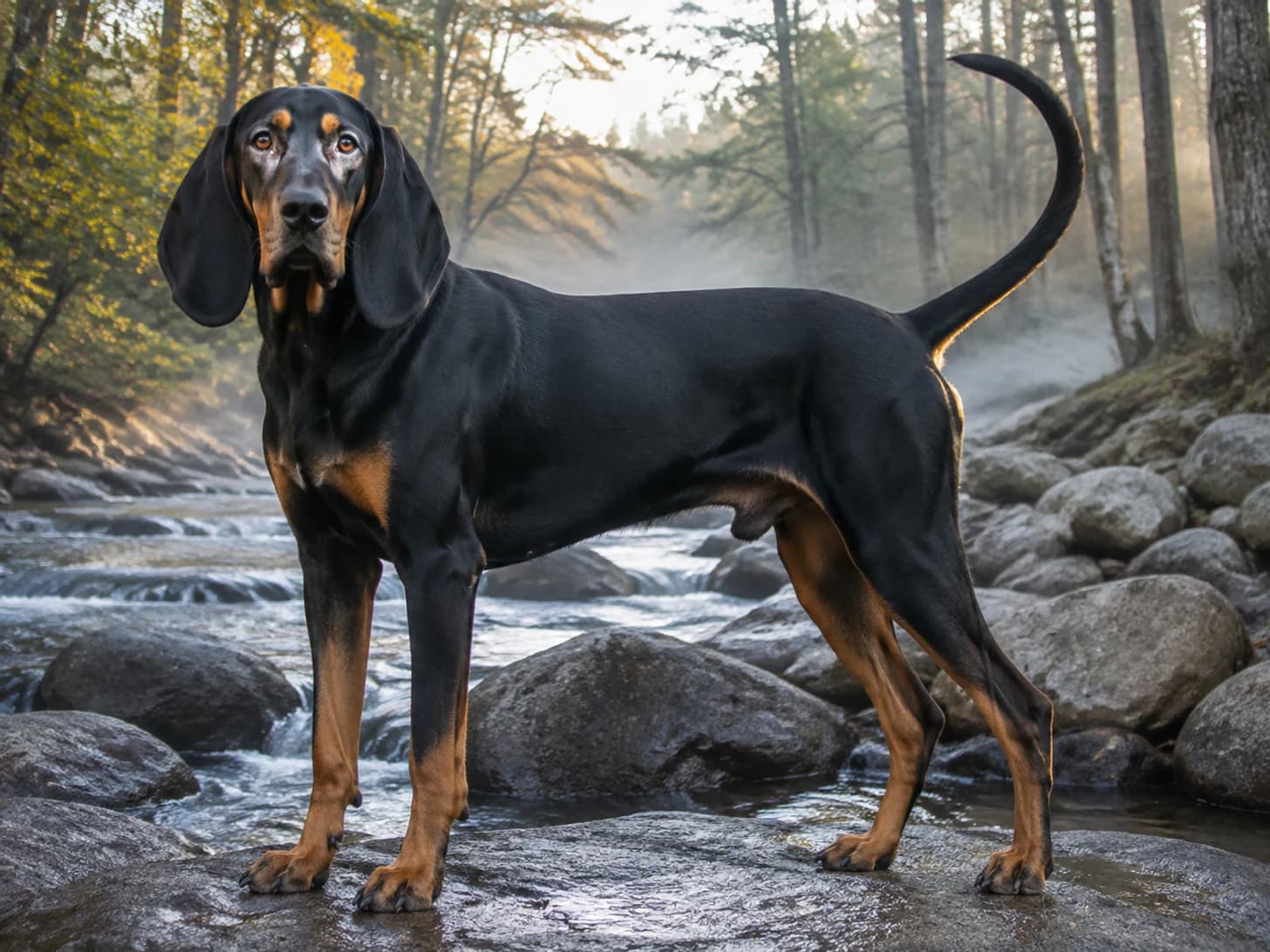
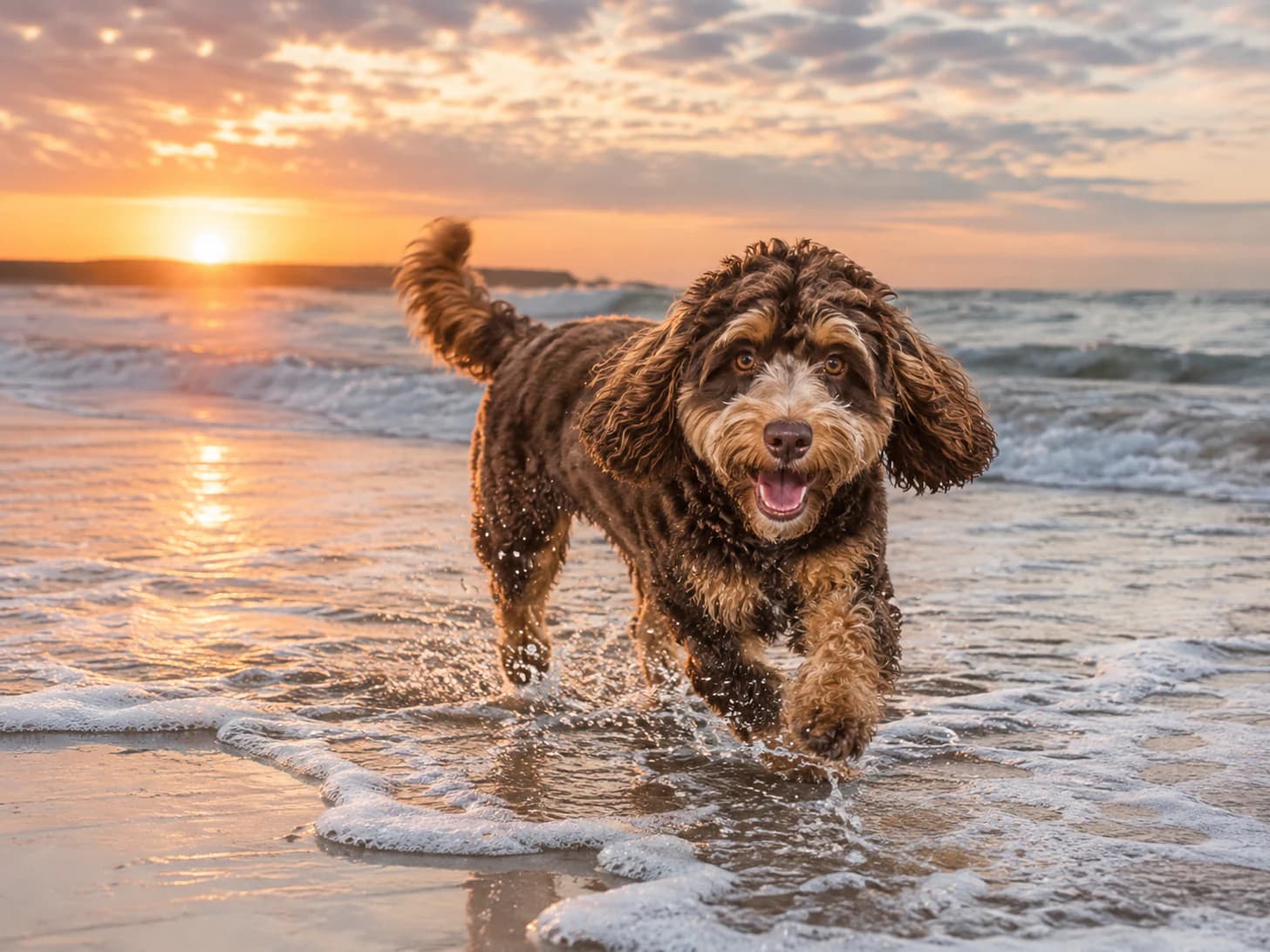
Ranger stops on that rock every morning to check who else has been down to the water.
FrostyOtter · 6 days ago
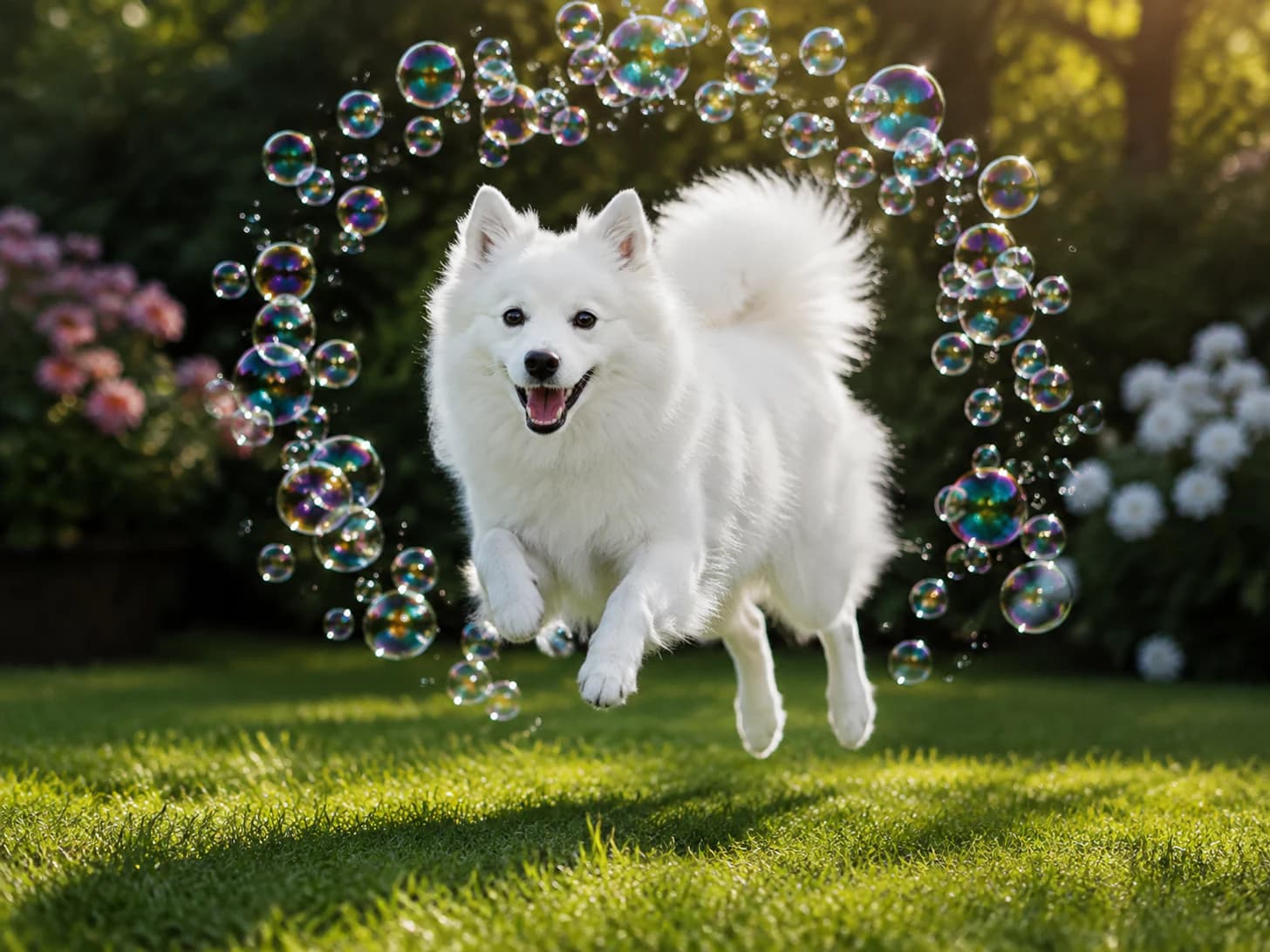
Blizzard has worked out where the bubbles come from, and has decided the answer is to catch all of them.
FrostyOtter · 6 days ago
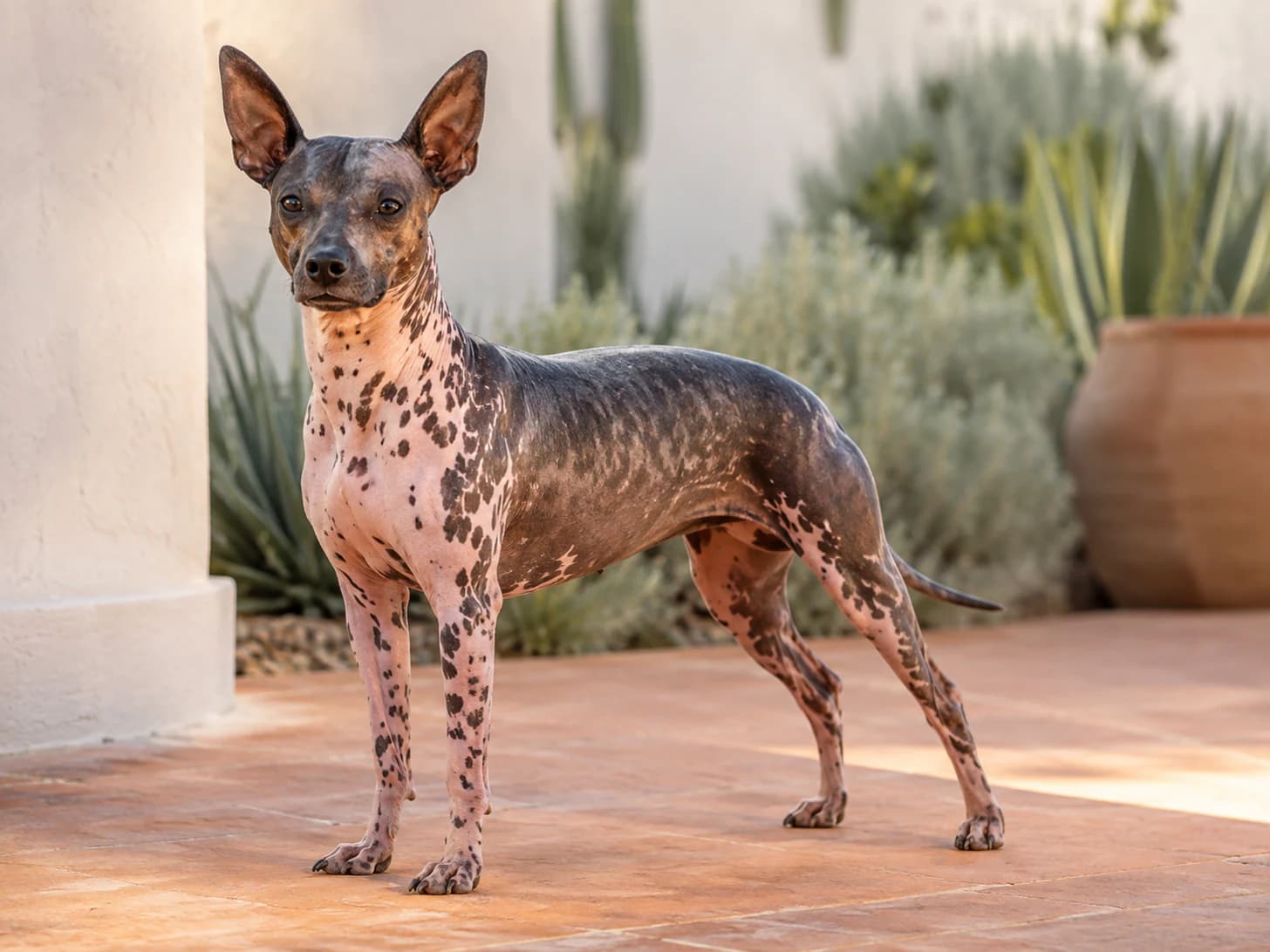
Domino has found the one warm tile on the patio and will not be moving until the shade reaches it.
FrostyOtter · 6 days ago
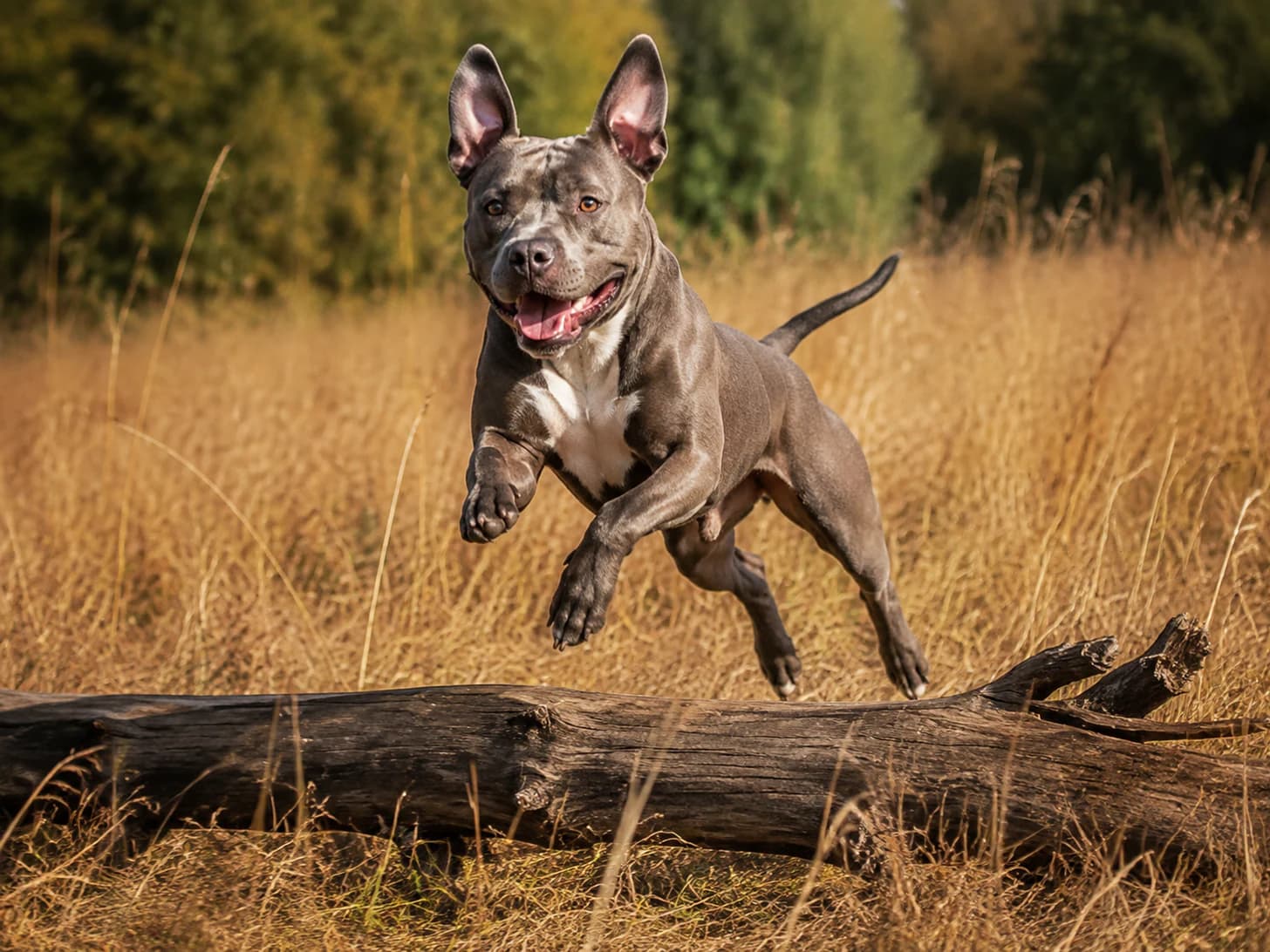
Bruno takes the log every single time, including on the way back, when nobody is asking him to.
FrostyOtter · 6 days ago
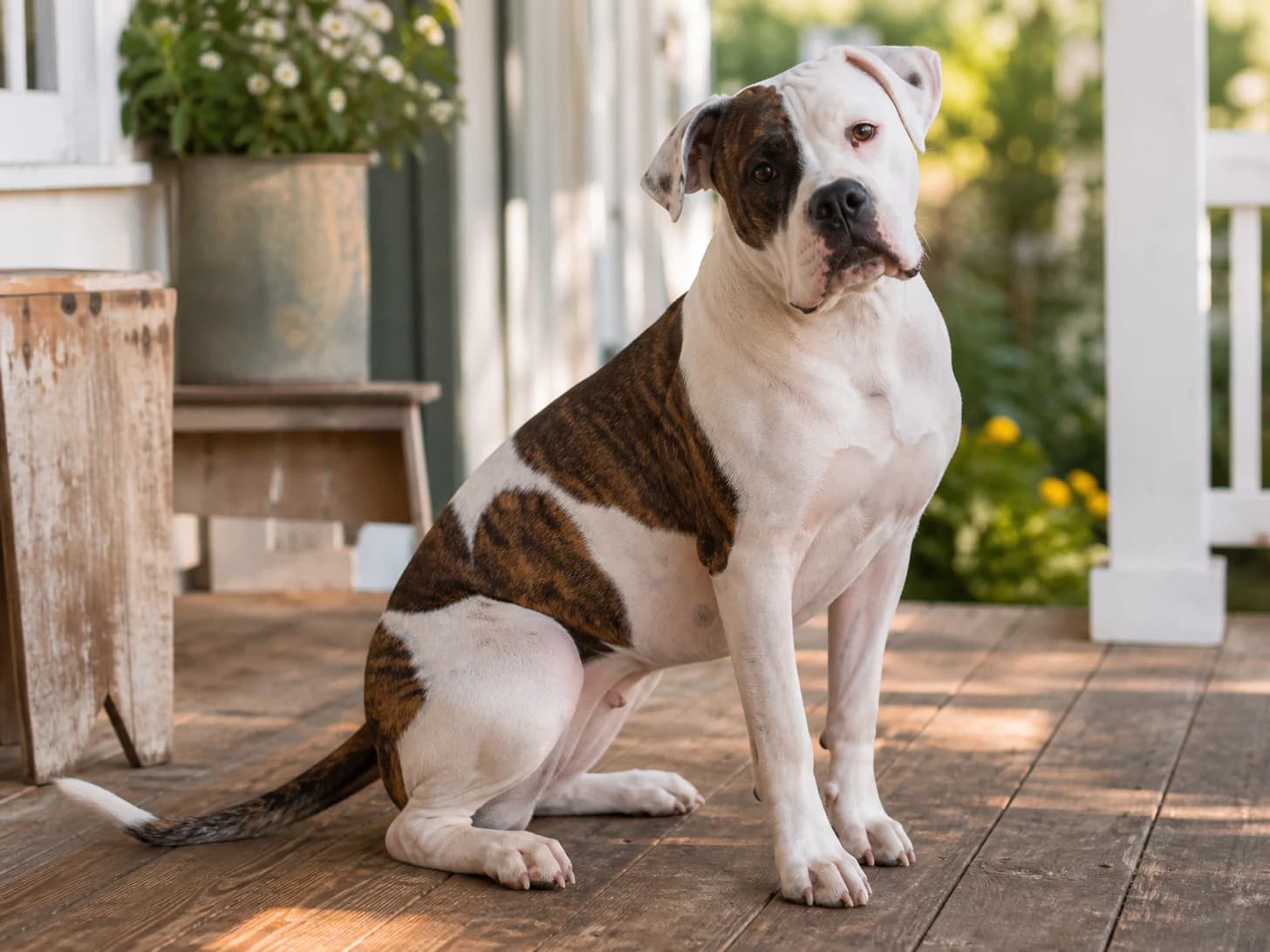
Duke gives you exactly this look when he hears the word walk and does not yet believe it.
FrostyOtter · 6 days ago
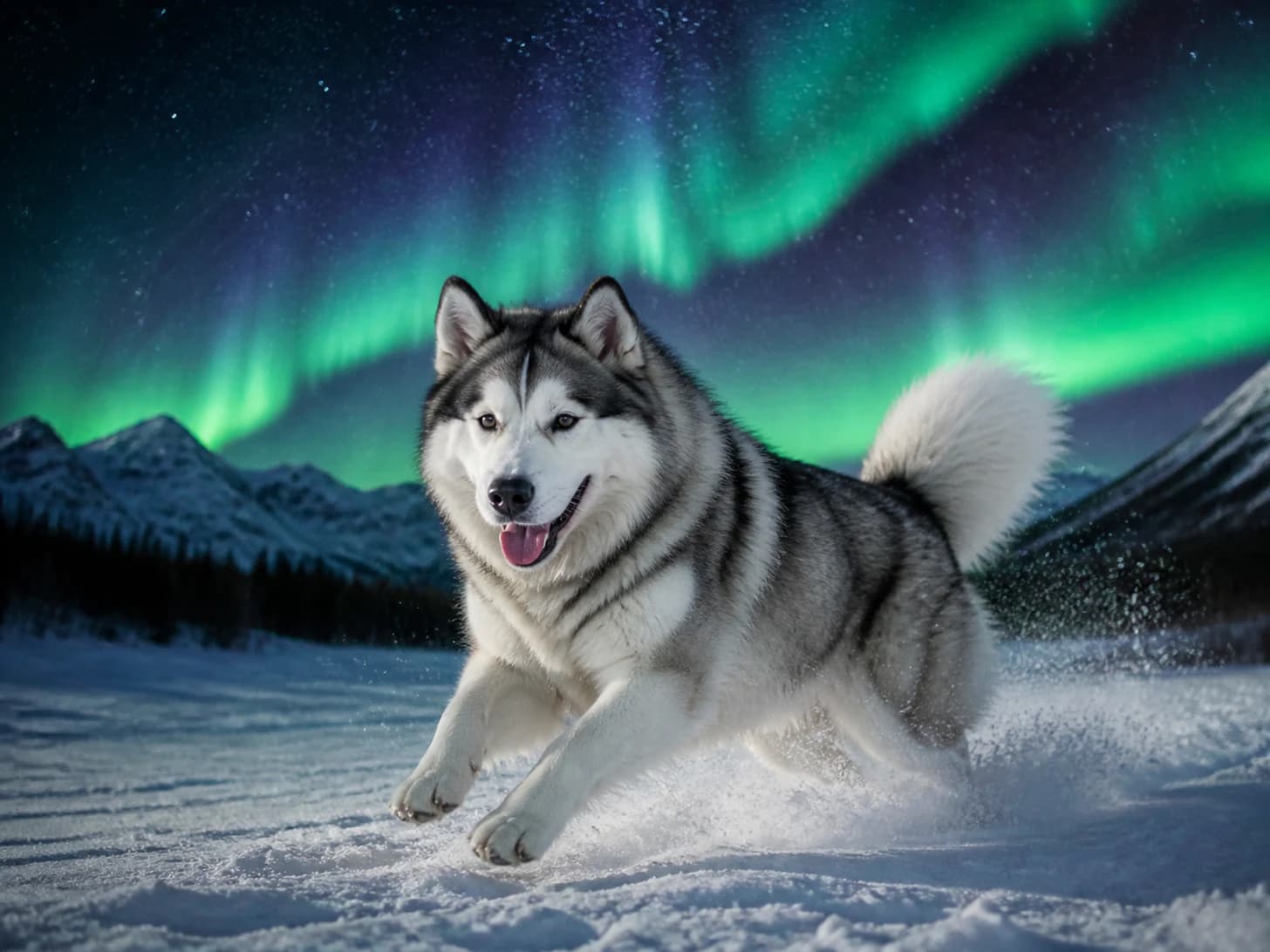
Koda has seen the northern lights a hundred times and still runs at them.
FrostyOtter · 6 days ago
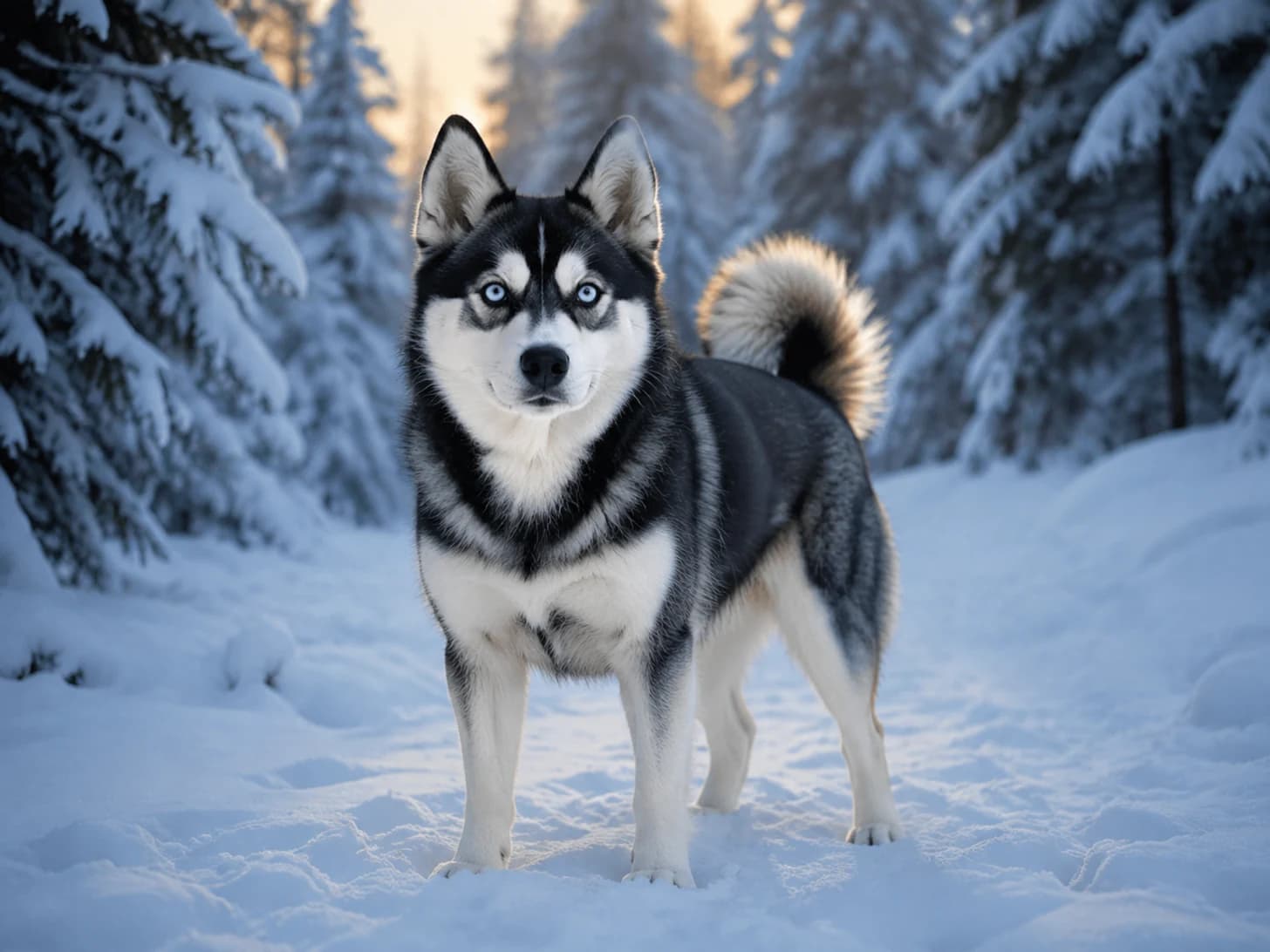
Juno in the quiet part of the woods, deciding whether the walk is over. It is not.
FrostyOtter · 6 days ago
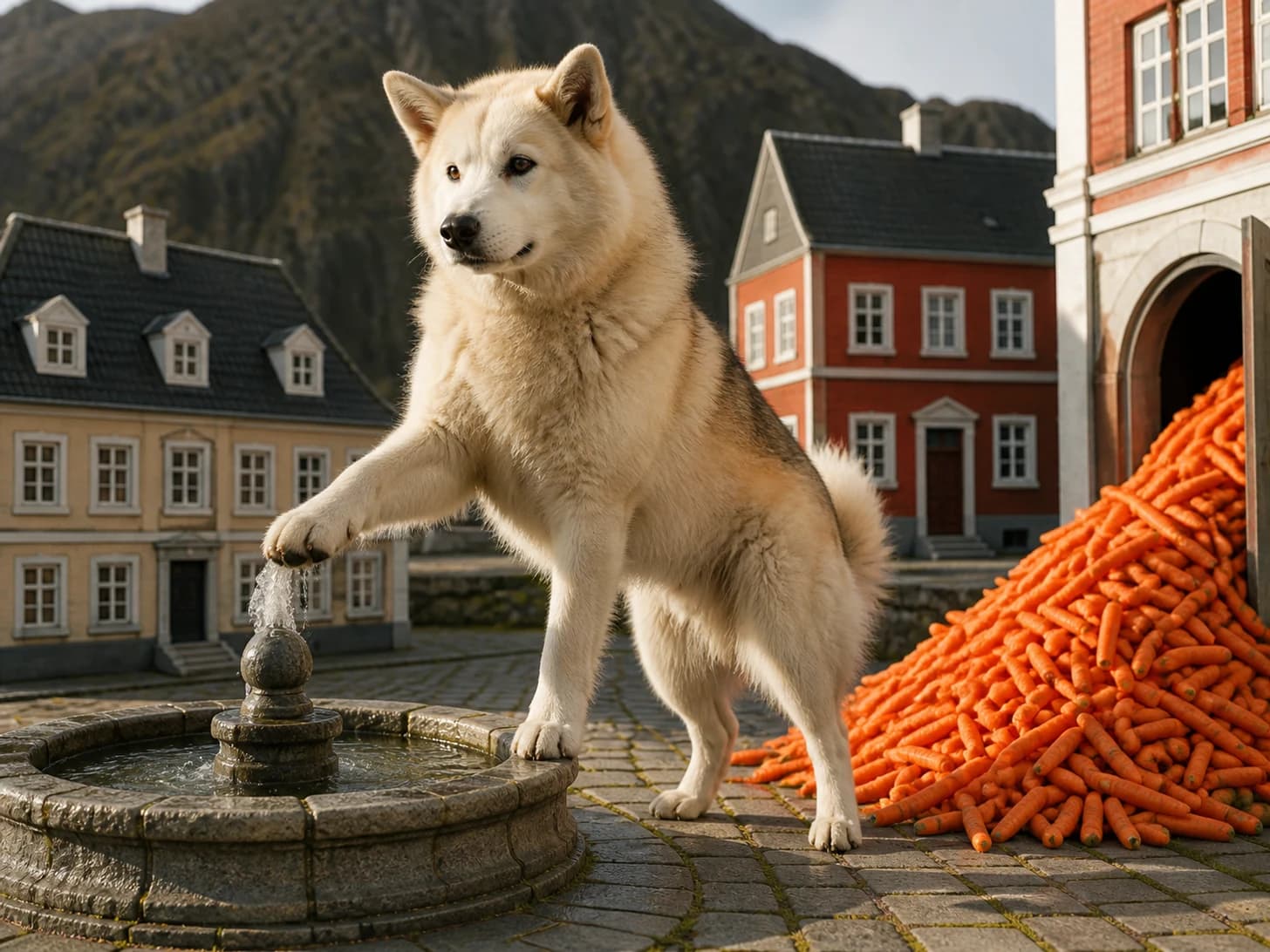
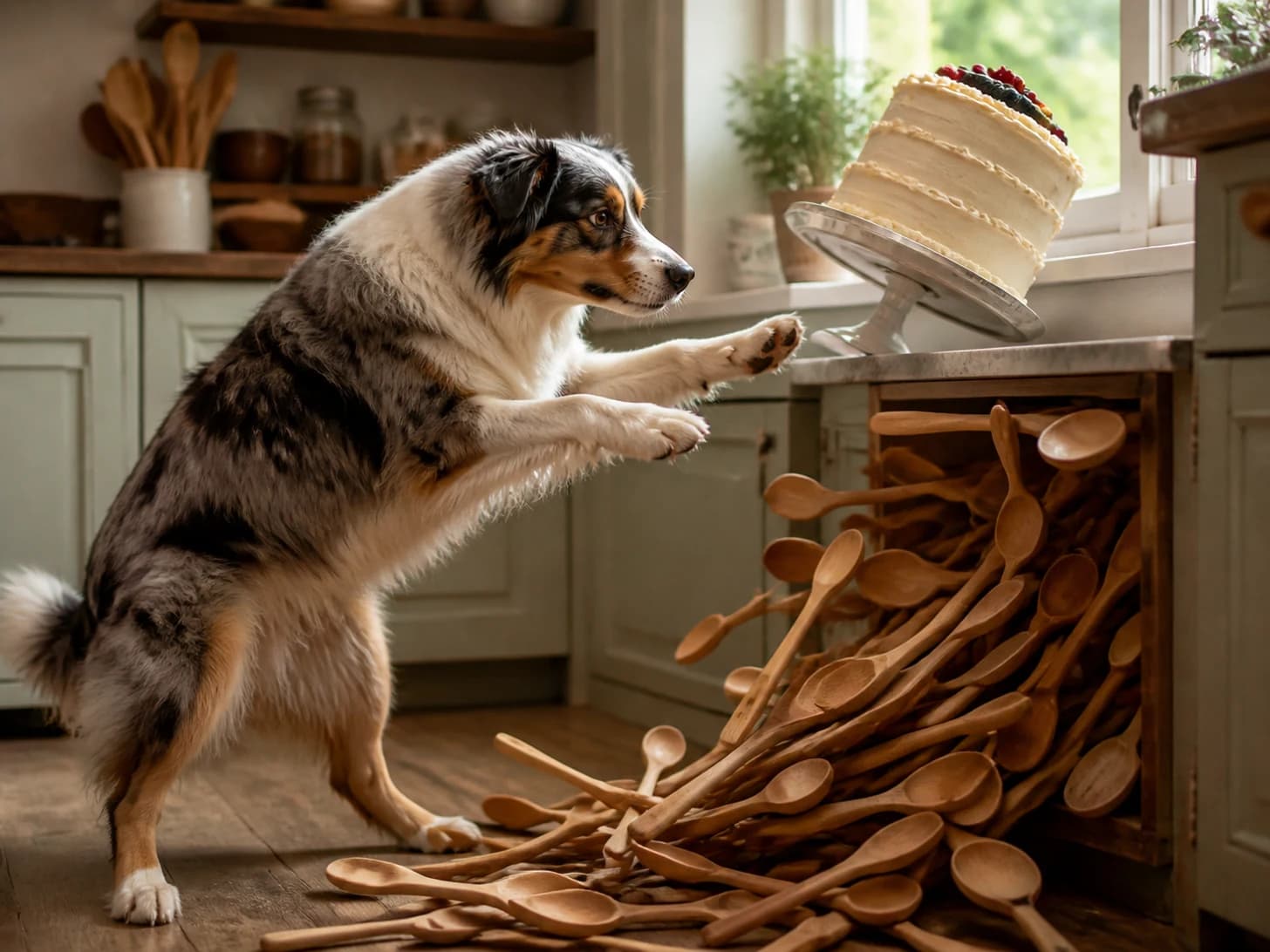
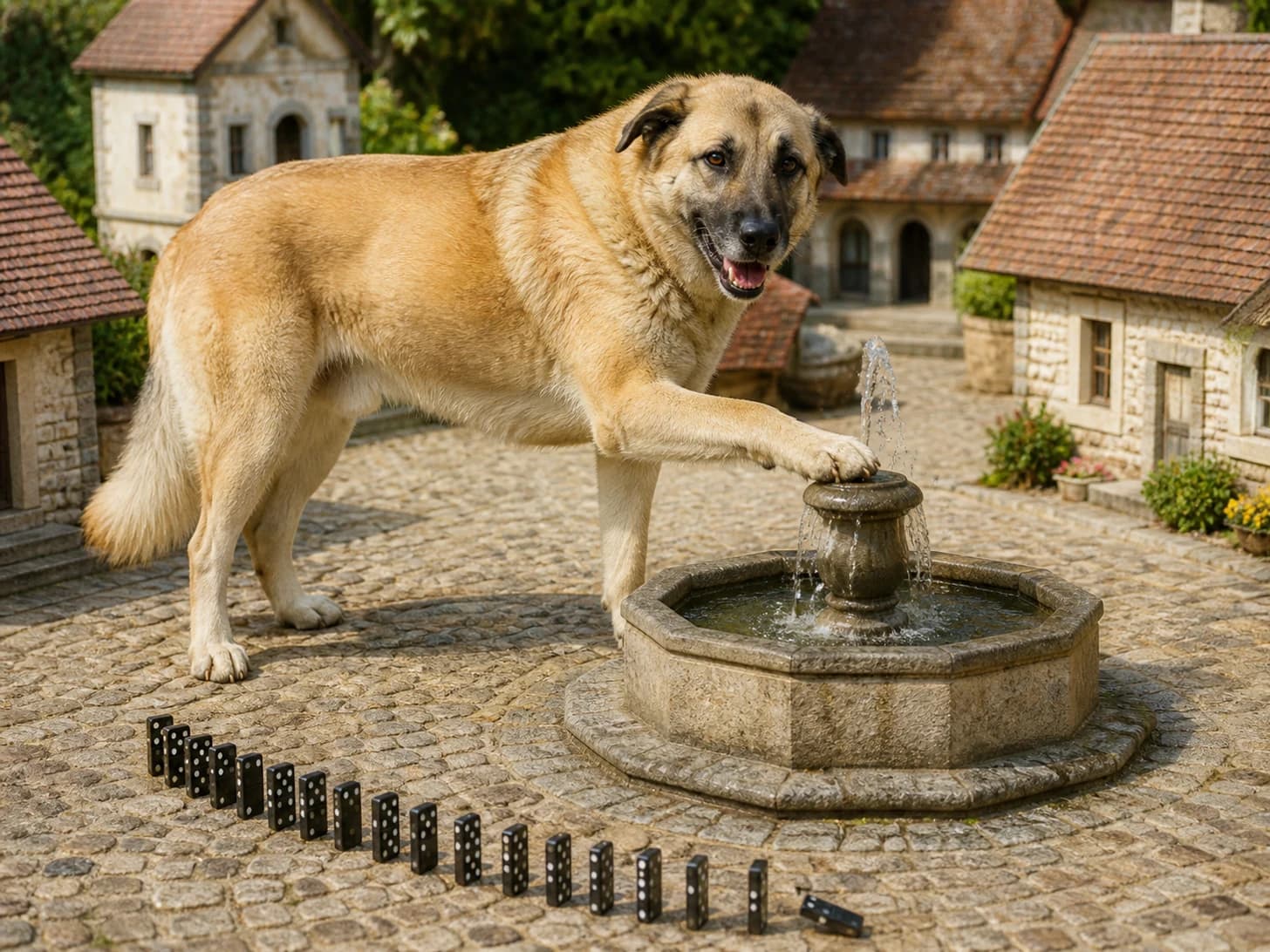
Otter was promoted to mayor opening a very small fountain; unfortunately, a mountain of carrots blocks the doorway.
FrostyOtter · 1 week ago
General guidance, not veterinary advice. Anything about a specific animal is a question for a vet who has seen it.
A place to start rather than the whole list. Every name is a page.
The most popular dog in most of the English-speaking world, and popular for a reason: biddable, food-motivated and genuinely good-tempered. The catch is appetite — labs gain weight faster than almost any other breed, and a fat lab is a lame lab by ten.
Clever enough to be a problem if underemployed, and the classic case of working and show lines diverging sharply. Ask for hip and elbow scores, and read them against the breed median rather than against zero.
Charming, compact, and the breed that best illustrates why a flat face is a health question rather than a look. Choose the most open nostrils and longest muzzle in the litter, and expect a dog that cannot cope with heat.
Two hours daily plus real mental work, which is the part people skip. A collie run for two hours and left with nothing to think about becomes fitter, not calmer.
Softer and hairier than a labrador, with the same sociability and rather more coat. Cancer rates in the breed are high enough to be worth asking a breeder about directly.
A hound on short legs, with the stubbornness that implies. The long back is the thing: keep it lean, discourage stairs and jumping down from furniture, and know that disc disease is common.
As affectionate as any breed going, and burdened with two serious inherited problems — mitral valve disease and syringomyelia. Heart-tested parents are not optional here.
The surprise of the list. Enormously fast for about thirty seconds and then asleep on the sofa for the rest of the day, which makes retired racers one of the easiest large dogs to live with.
The subjects that come up on breed page after breed page, written out properly.
Congenital deafness travels with white coats, merle and piebald. Why pigment and hearing are linked, what a BAER test is, and how deaf animals live.
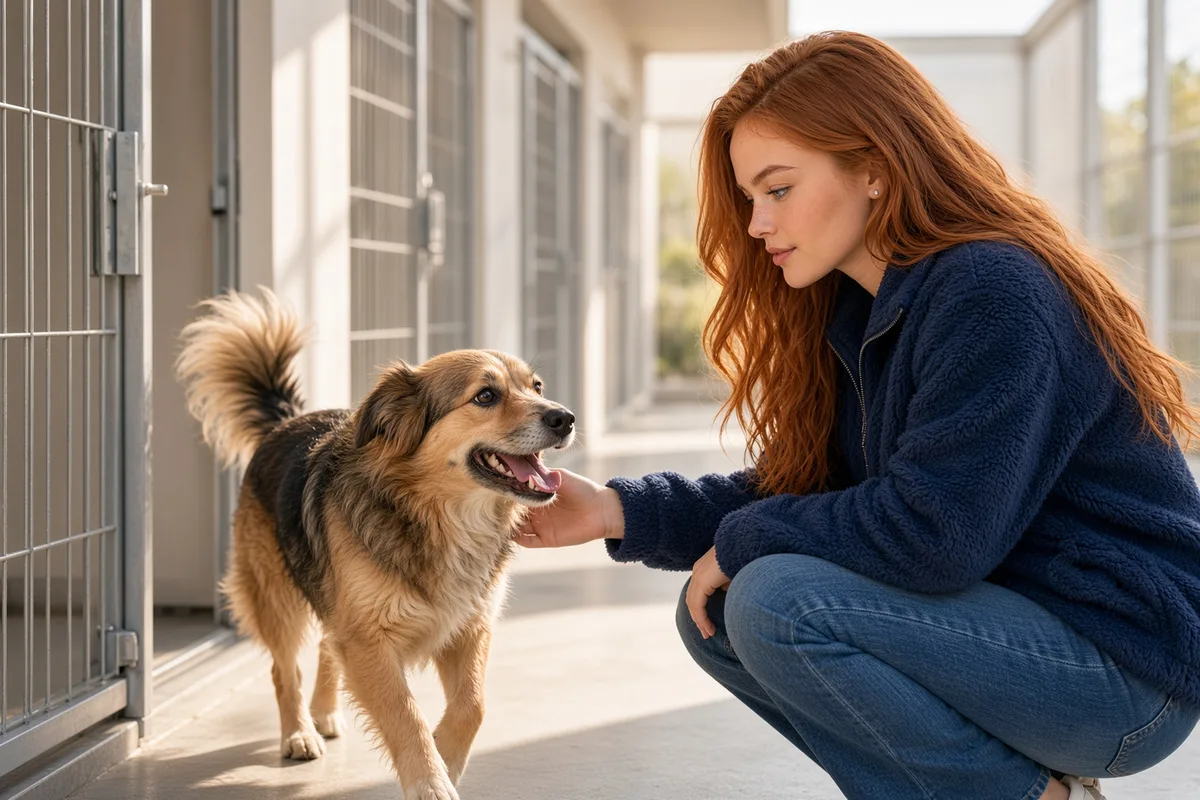
Rescue animals arrive without a history and settle on their own timetable. What decompression means, what the first three months look like, and what helps.
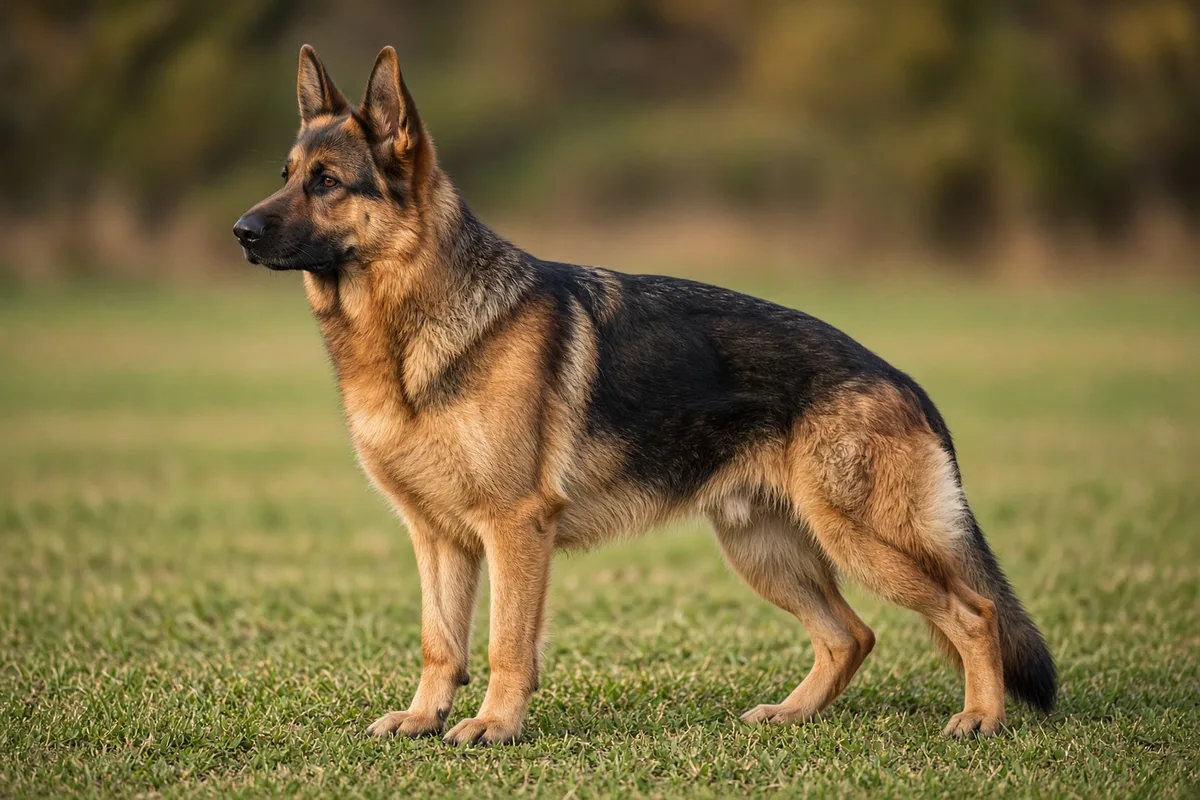
Hip dysplasia is the condition breed profiles mention most. What it is, what a hip score means, how to compare one against a breed, and what an owner controls.
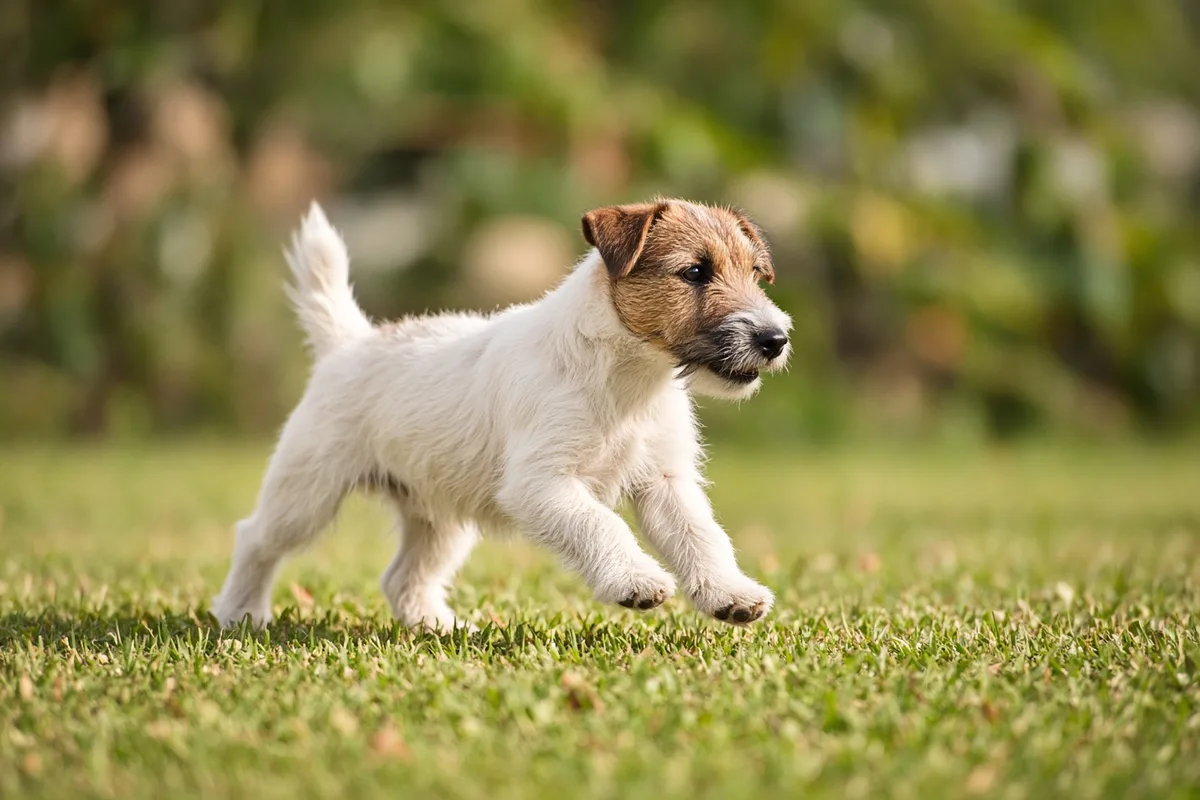
A kneecap that slips out of its groove is one of the commonest faults in small dogs. What the grades mean, the sign owners miss, and when surgery is the answer.
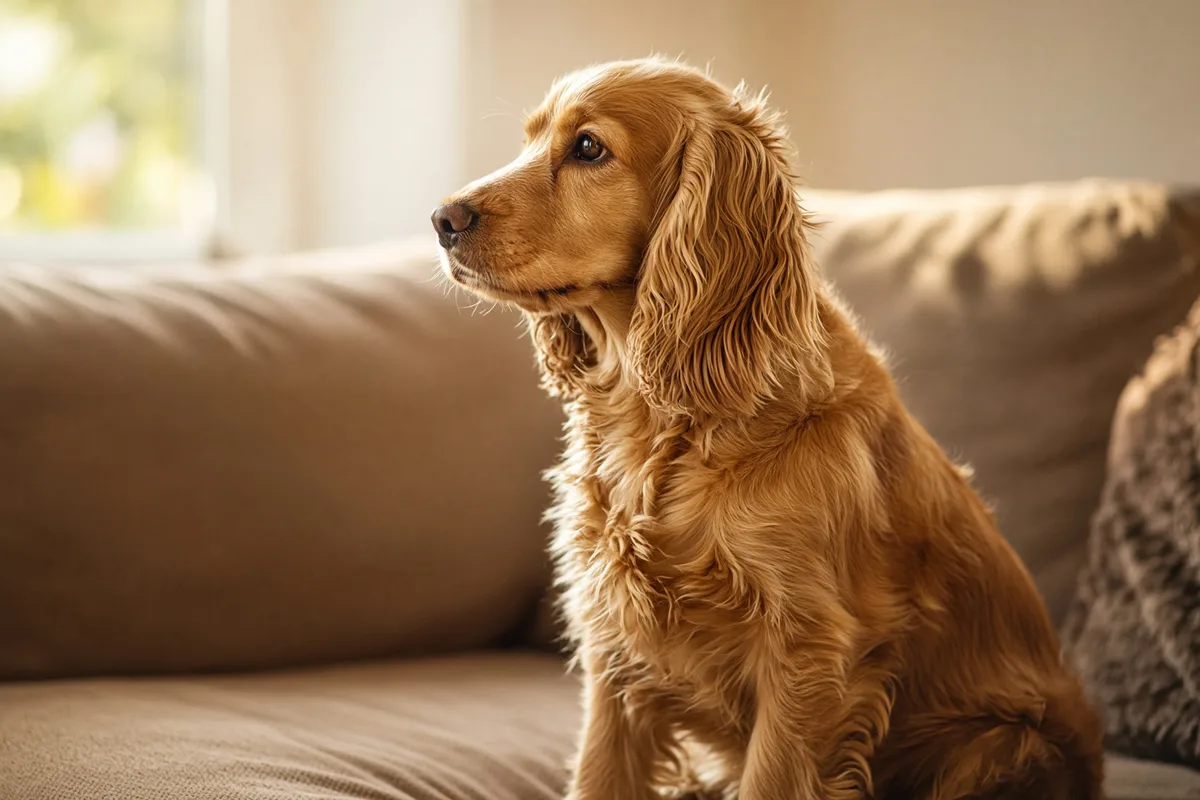
Most repeat ear infections are not caused by water or dirt. What actually drives them, why cotton buds make it worse, and when it needs a vet rather than a bottle.
Every breed somebody has posted, A to Z.