Czechoslovakian vlcak
The Czechoslovakian Wolfdog was created from 1955 as a military experiment, crossing German Shepherds with four Carpathian grey wolves and breeding the offspring back to shepherds.
It was recognised as a national breed of Czechoslovakia in 1982 and is now bred as a purebred rather than a hybrid.
It stands 60 to 65 centimetres, weighs 20 to 26 kilograms and lives twelve to sixteen years, with a wolf-grey coat and a wolf-like build. The wolf inheritance is genuine and it shows: these dogs are intensely social within their pack, extremely wary of unfamiliar people and situations, hard to train by conventional means, and prone to escaping. It is restricted in several jurisdictions.
- Origin
- Czechoslovakia, from 1955; German Shepherd and Carpathian wolf
- Size
- 60–65 cm; 20–26 kg
- Lifespan
- 12–16 years
- Coat
- Wolf-grey double coat; heavy seasonal moult
- Temperament
- Intensely pack-social, wary, independent; a demanding breed
- Legal status
- Restricted or licensed in a number of jurisdictions
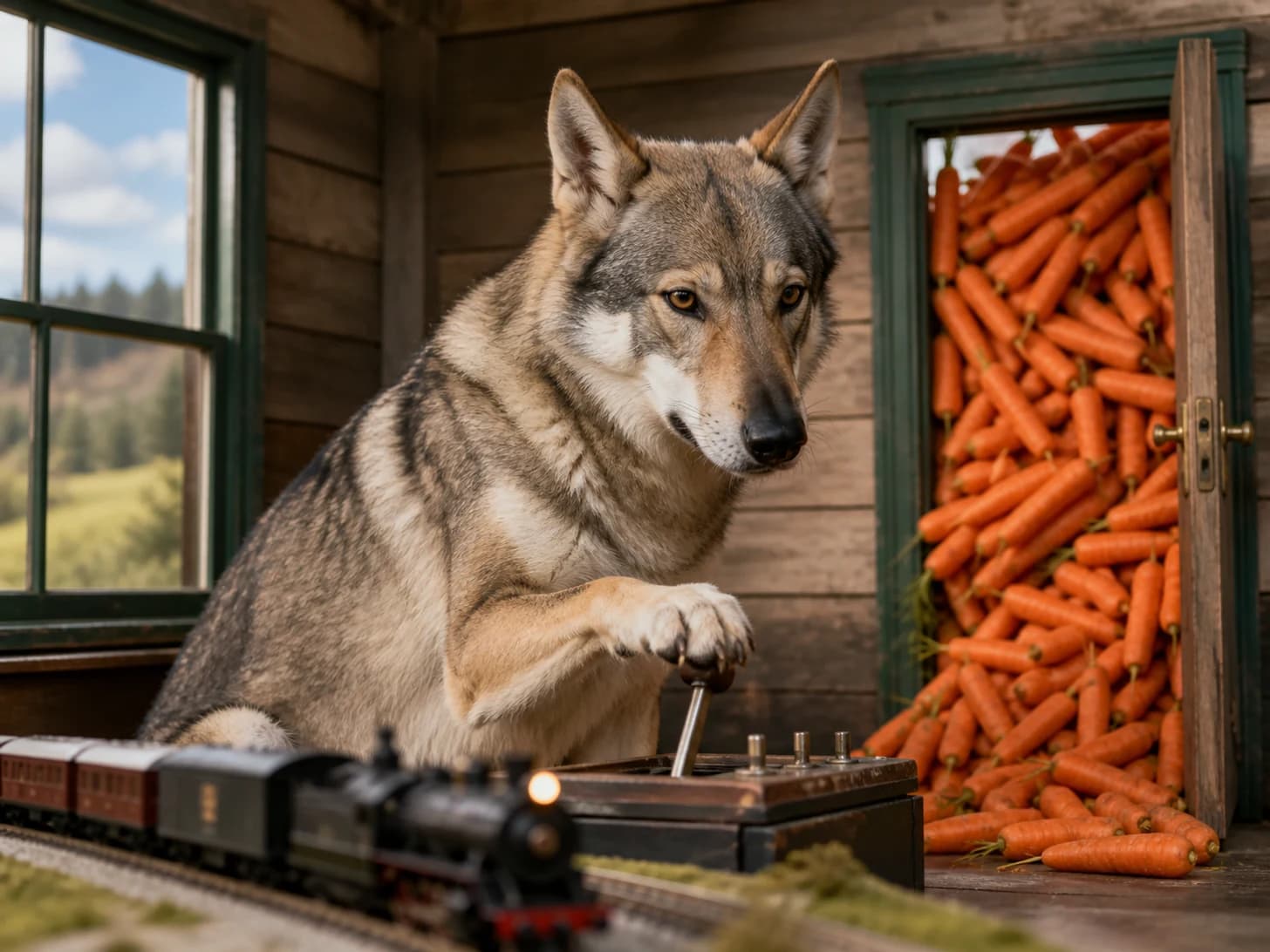
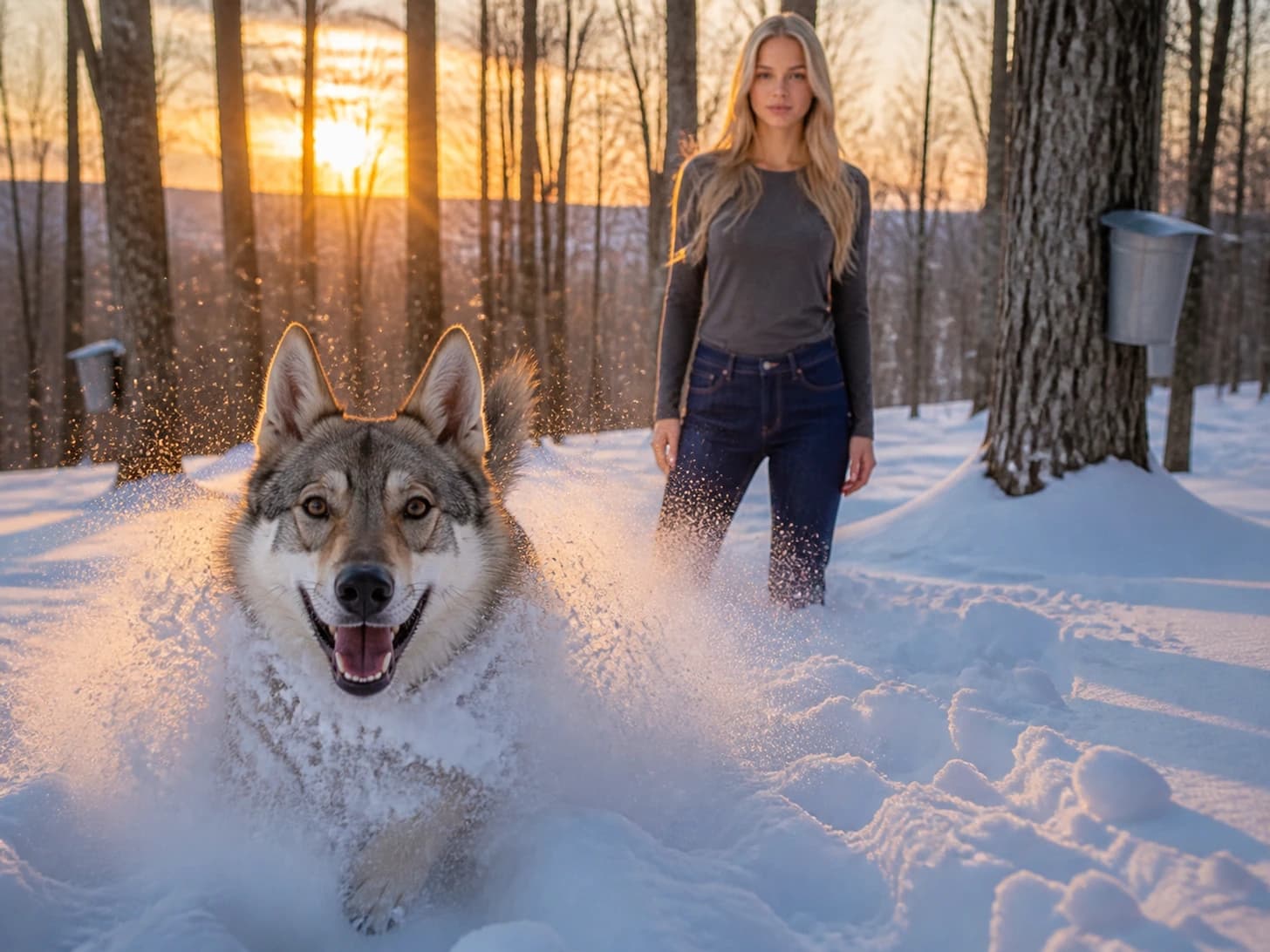
2 czechoslovakian vlcak photos, newest first

Living with a czechoslovakian vlcak
Check the law. Wolfdog legislation varies enormously and some jurisdictions treat this breed as a hybrid regardless of its recognised status.
This is not a beginner's dog by any margin. Conventional obedience training largely fails; they learn through relationship, motivation and repetition on their own terms, and they will simply decline instructions that make no sense to them.
Containment is a genuine engineering problem. They dig, climb and jump, and a determined one will leave almost any ordinary garden.
Socialisation must be constant from the earliest weeks or the natural wariness becomes fear.
They are strongly pack-bonded and cope badly alone. Many owners keep two. They are otherwise robust and long-lived, with hip dysplasia the main concern.
General guidance, not veterinary advice. Individual dogs vary, and anything about a specific animal is a question for a vet who has seen it.
Worth reading alongside this
More dogs by breed
Every dog breed somebody has posted a photo of.
- Labrador retriever18
- Afghan hound3
- Airedale terrier3
- Akita3
- Alaskan Klee Kai3
- Alaskan malamute3
- American bulldog3
- American eskimo dog3
- American hairless terrier3
- American pit bull terrier3
- Aussiedoodle3
- Australian cattle dog3
- Australian shepherd3
- Basenji3
- Basset hound3
- Beagle3
- Belgian Malinois3
- Bergamasco sheepdog3
- Bernedoodle3
- Bernese mountain dog3
- Bichon frise3
- Biewer terrier3
- Black and tan coonhound3
- Bloodhound3