Golden retriever
The golden retriever was developed in the Scottish Highlands from the 1860s, largely by Lord Tweedmouth, who crossed a yellow retriever with the now-extinct Tweed Water Spaniel to make a dog that would work waterfowl over both land and water.
The result is a medium-large gundog with a dense, water-repellent double coat running from pale cream to deep gold, and a famously even temper. It is that temperament, more than the looks, that has kept the breed among the most popular family dogs in the world for half a century — biddable, sociable, and slow to take offence.
- Origin
- Scotland, 1860s
- Size
- 25–34 kg, 51–61 cm at the shoulder
- Lifespan
- 10–12 years
- Coat
- Dense water-repellent double coat, feathered
- Temperament
- Gentle, eager to please, sociable with strangers
- Exercise
- 1–2 hours daily, plus something to think about
Related: Chesapeake bay retriever · Curly-coated retriever · Flat-coated retriever · Labrador retriever
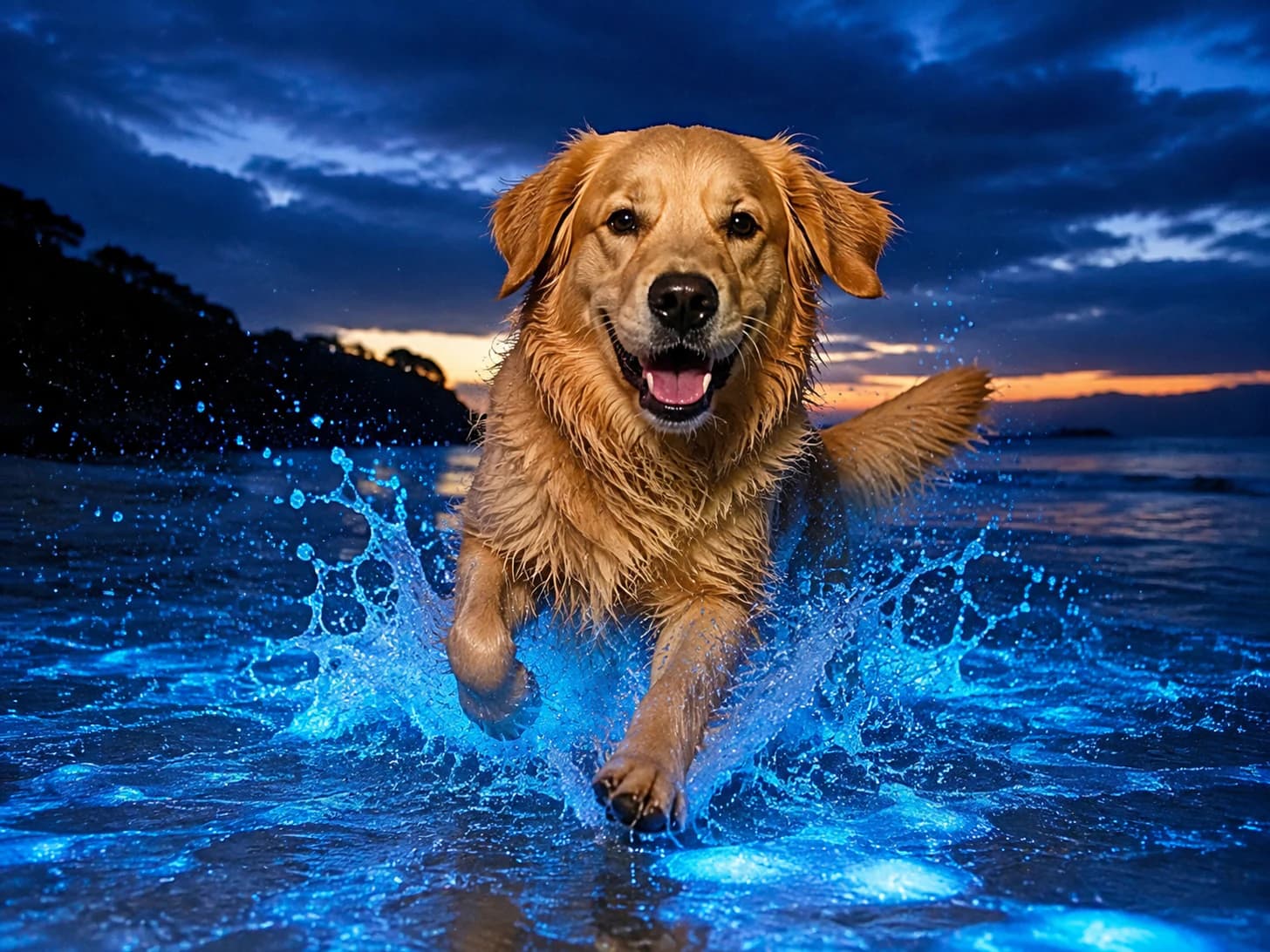
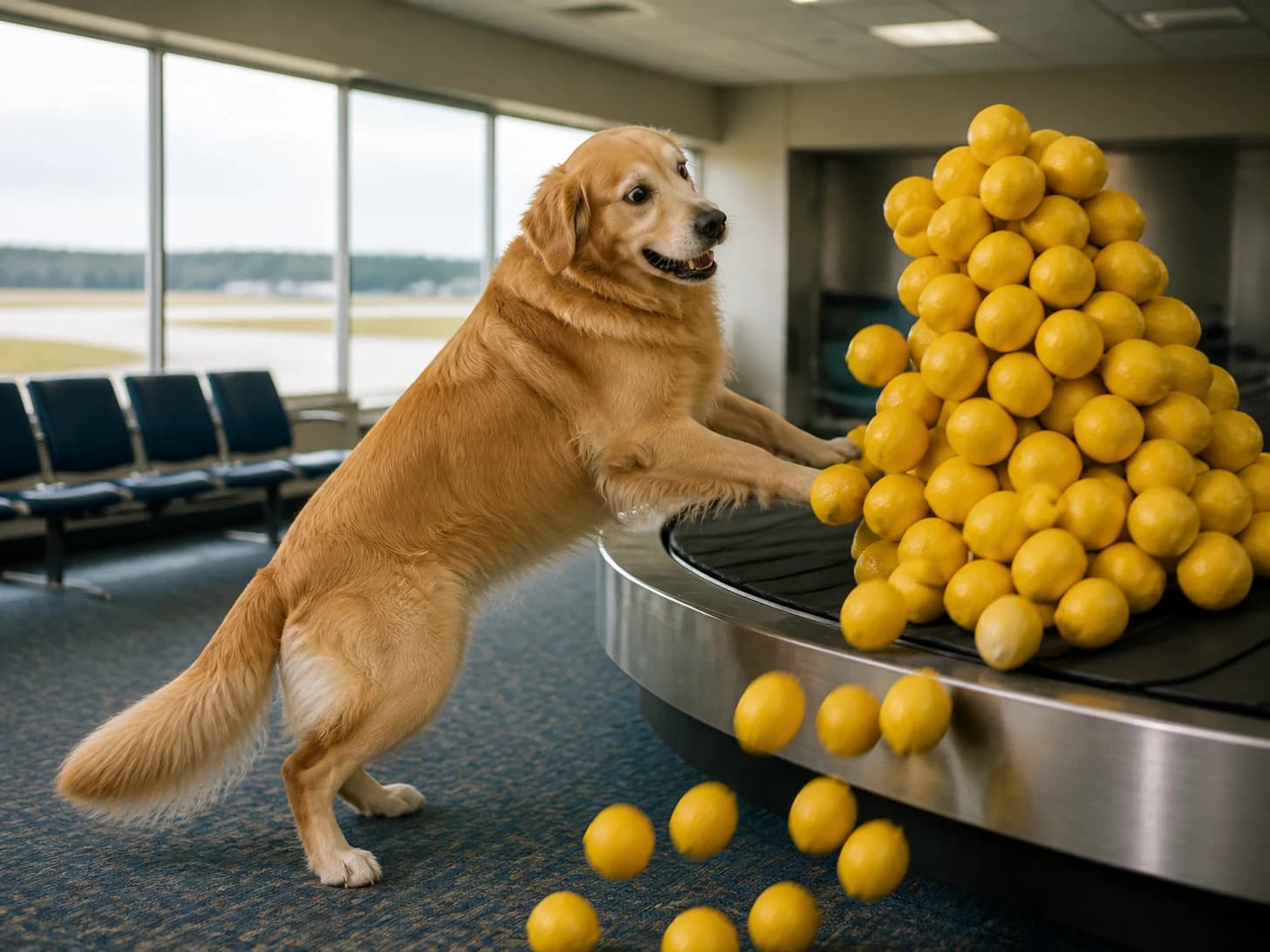
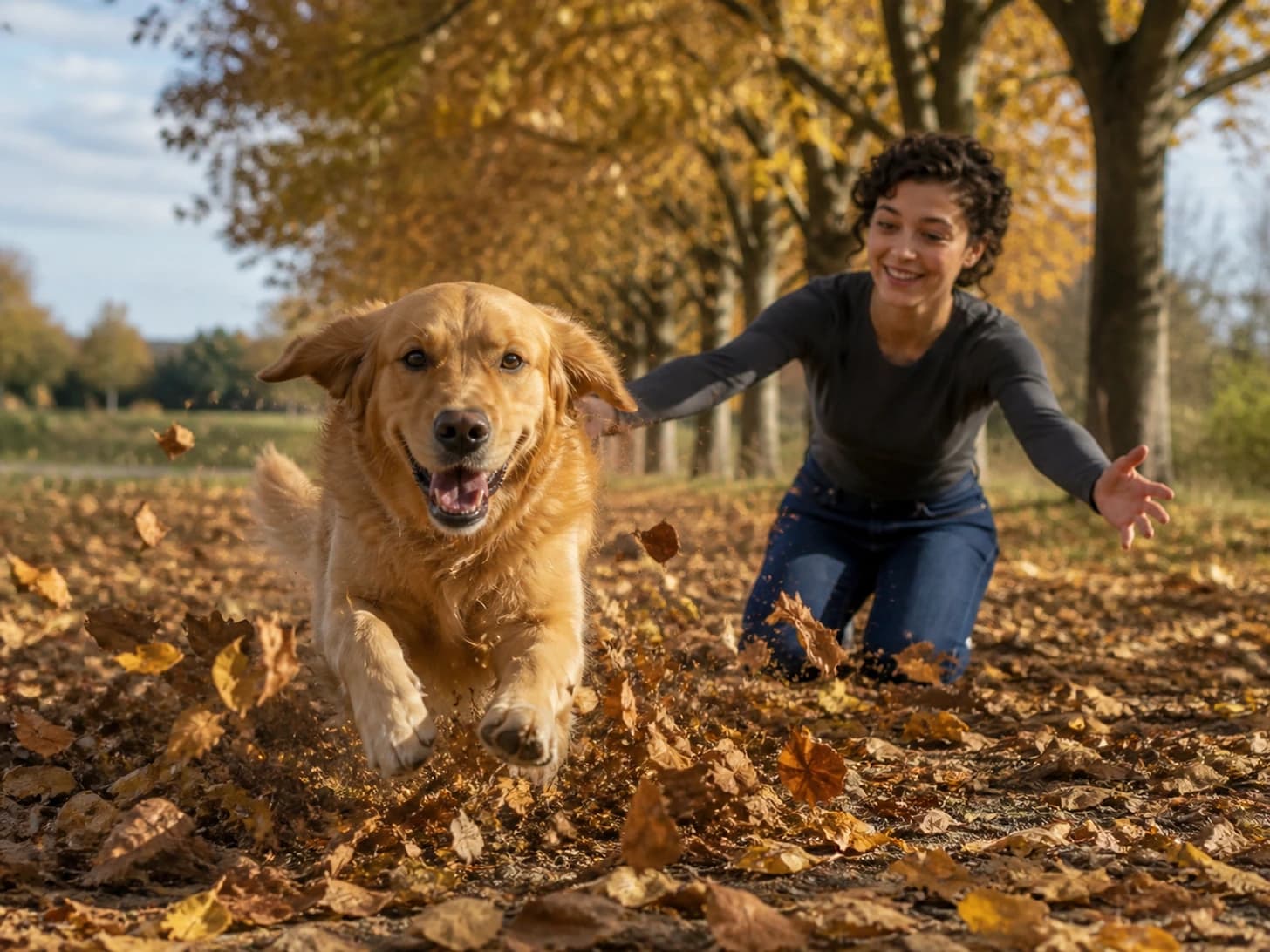
3 golden retriever photos, newest first

Living with a golden retriever
Goldens shed steadily and then, twice a year, spectacularly. A thorough brush several times a week keeps it manageable; skipping it for a month does not.
Exercise is only half of what they need. This is a working retriever, and a golden given a long walk but nothing to think about is still a bored dog — scent games, retrieving and training work better than distance alone.
Hip and elbow dysplasia are worth checking in a breeding line. The breed also carries an unusually high lifetime cancer risk, haemangiosarcoma and lymphoma in particular, so keep weight off them and have new lumps looked at rather than watched.
General guidance, not veterinary advice. Individual dogs vary, and anything about a specific animal is a question for a vet who has seen it.
Worth reading alongside this
More dogs by breed
Every dog breed somebody has posted a photo of.
- Labrador retriever18
- Afghan hound3
- Airedale terrier3
- Akita3
- Alaskan Klee Kai3
- Alaskan malamute3
- American bulldog3
- American eskimo dog3
- American hairless terrier3
- American pit bull terrier3
- Aussiedoodle3
- Australian cattle dog3
- Australian shepherd3
- Basenji3
- Basset hound3
- Beagle3
- Belgian Malinois3
- Bergamasco sheepdog3
- Bernedoodle3
- Bernese mountain dog3
- Bichon frise3
- Biewer terrier3
- Black and tan coonhound3
- Bloodhound3