American bully
The American Bully was developed in the United States from the 1990s, from the American Pit Bull Terrier crossed with bulldog breeds, to produce a heavier, broader dog with a more companion-oriented temperament.
It is recognised in four size varieties — pocket, standard, classic and XL.
It weighs anywhere from 15 to over 60 kilograms depending on variety and lives around ten to thirteen years. The breed's legal position is the most important practical fact about it: the XL American Bully was banned in England and Wales from February 2024, with existing dogs requiring exemption certificates, and breed-specific legislation affects Bully-type dogs in a number of other jurisdictions.
- Origin
- United States, from the 1990s
- Size
- Four varieties; roughly 15–60+ kg
- Lifespan
- 10–13 years
- Coat
- Short and close; easy to groom
- Legal status
- XL banned in England and Wales; BSL applies in many places
- Health
- Hip dysplasia, demodectic mange, BOAS in extreme lines
Related: American pit bull terrier · Bull terrier · Bulldog · American bulldog · American English coonhound
2 american bully photos, newest first
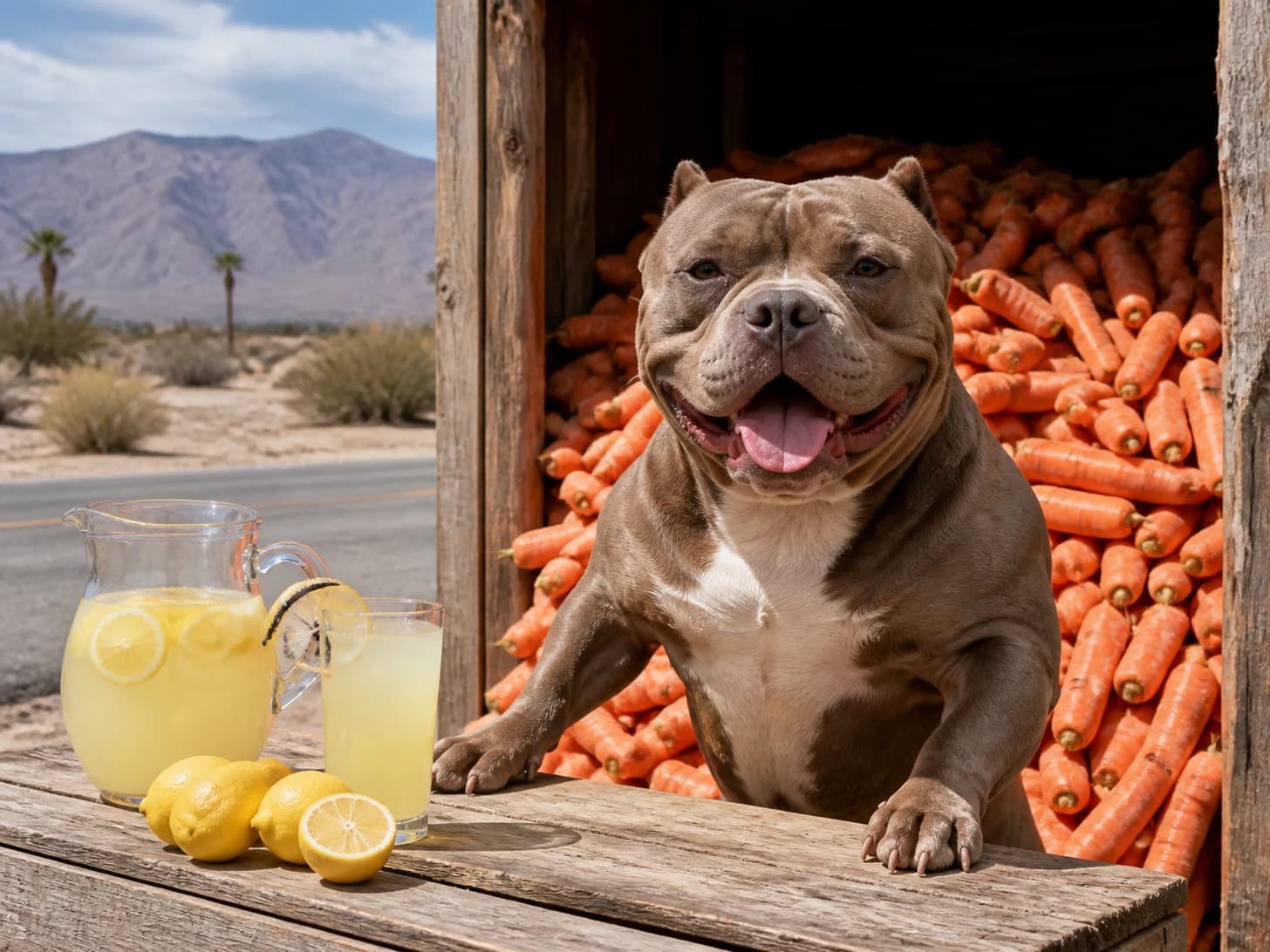


Living with a american bully
Check the law first, and check it for the specific variety and where you live. The XL ban in England and Wales required existing owners to obtain exemption certificates, neuter and muzzle their dogs, and getting this wrong has serious consequences for the dog.
Avoid the exaggerated lines. Extremely wide fronts, heavily shortened muzzles and very short backs bring breathing difficulty, joint problems and skin disease. A moderate dog is a healthier dog, and reputable breeders are moving away from the extremes.
Ask for hip scores and about breathing — noisy or laboured breathing at rest is not normal.
Skin problems and demodectic mange are common; ask about the breeder's lines.
They are people-oriented and generally good with their families, but the size and strength make training and socialisation non-optional.
General guidance, not veterinary advice. Individual dogs vary, and anything about a specific animal is a question for a vet who has seen it.
Worth reading alongside this
More dogs by breed
Every dog breed somebody has posted a photo of.
- Labrador retriever18
- Afghan hound3
- Airedale terrier3
- Akita3
- Alaskan Klee Kai3
- Alaskan malamute3
- American bulldog3
- American eskimo dog3
- American hairless terrier3
- American pit bull terrier3
- Aussiedoodle3
- Australian cattle dog3
- Australian shepherd3
- Basenji3
- Basset hound3
- Beagle3
- Belgian Malinois3
- Bergamasco sheepdog3
- Bernedoodle3
- Bernese mountain dog3
- Bichon frise3
- Biewer terrier3
- Black and tan coonhound3
- Bloodhound3