Australian terrier
The Australian Terrier was developed in Australia from British terrier stock — Dandie Dinmont, Skye, Yorkshire and others — as a working farm terrier that killed snakes and rodents and gave warning of intruders.
It was the first Australian breed recognised in its home country.
It stands 25 to 28 centimetres, weighs around 6.5 kilograms and lives twelve to fifteen years, with a harsh weather-resistant double coat and a distinctive ruff. It is a proper working terrier in a small package: bold, alert, busy and confident, with a real prey drive and none of the fragility that the size suggests. It is also one of the longer-lived and generally sounder small breeds.
- Origin
- Australia, from British terrier stock
- Size
- 25–28 cm; about 6.5 kg
- Lifespan
- 12–15 years
- Coat
- Harsh double coat with a ruff; minimal shedding
- Temperament
- Bold, alert and busy; a real terrier
- Health
- Diabetes mellitus, patellar luxation, Legg-Calvé-Perthes
Related: Airedale terrier · American hairless terrier · American pit bull terrier · American Staffordshire terrier · Australian cattle dog
2 australian terrier photos, newest first
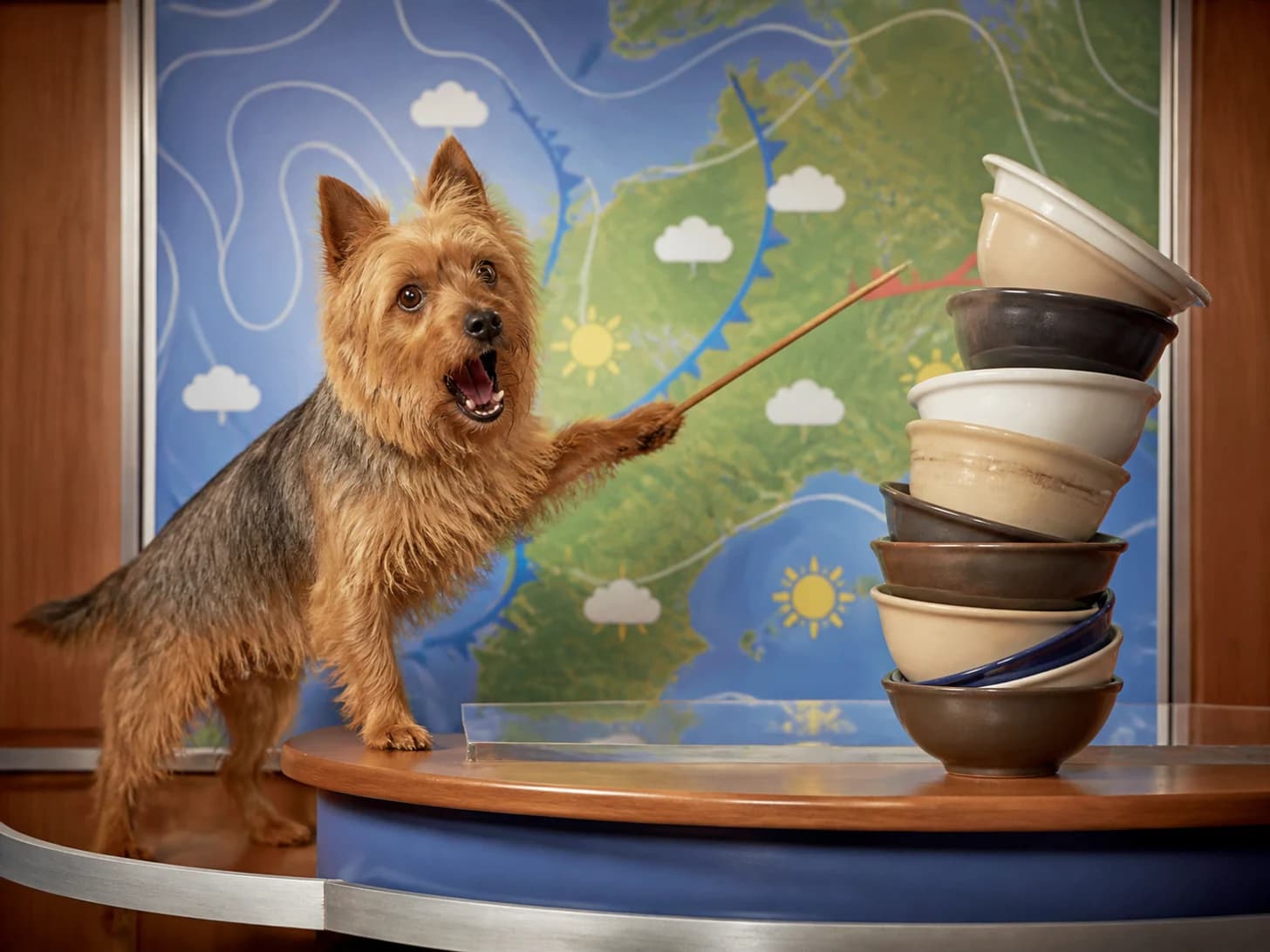
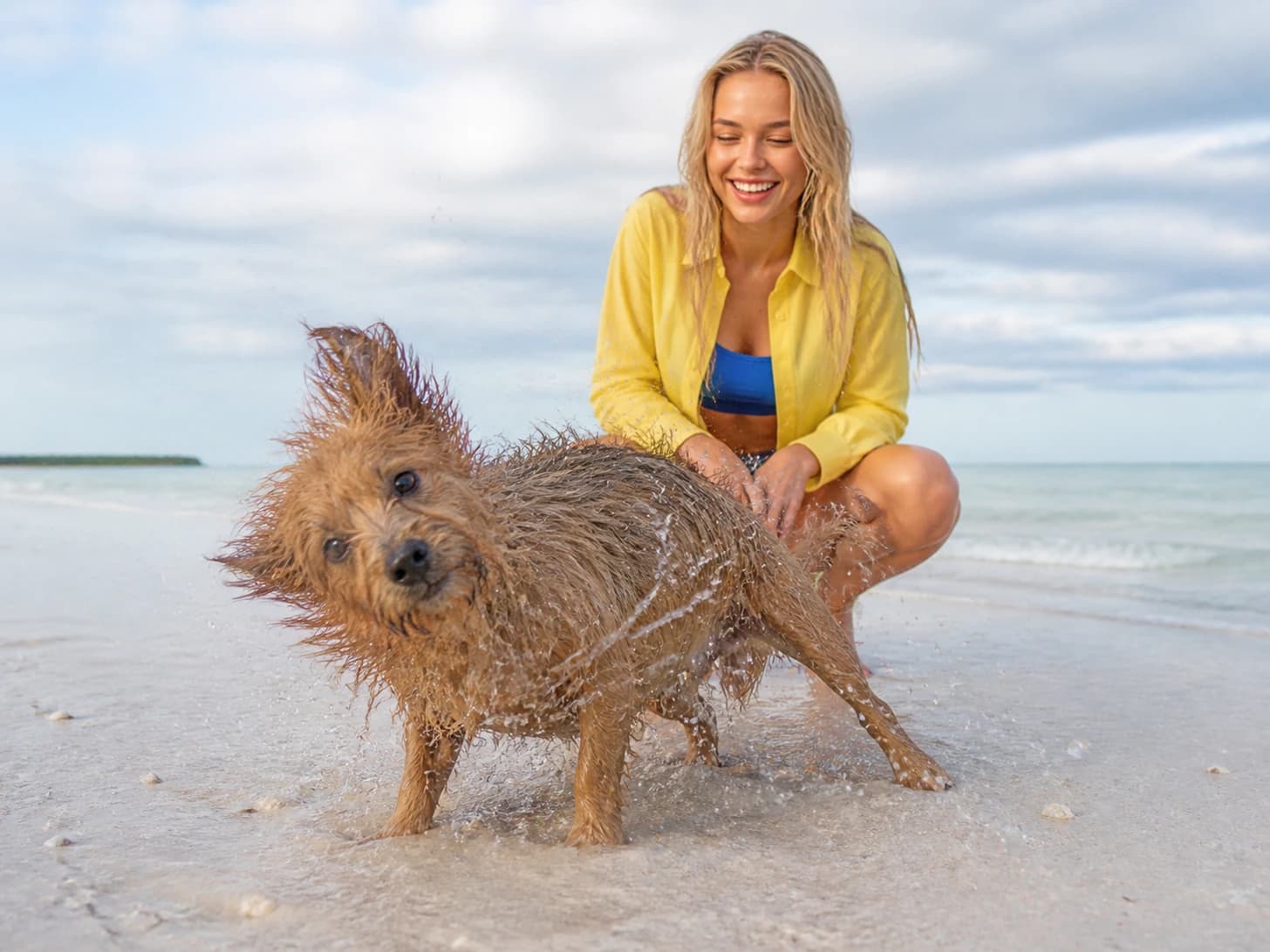
Living with a australian terrier
Treat it as a terrier, not a toy dog. It needs real exercise, digs given the chance, and will chase and kill small animals. Recall around wildlife is not reliable.
The harsh coat needs weekly brushing and occasional hand-stripping; clipping softens it. It sheds very little.
Diabetes mellitus occurs more often in this breed than in dogs generally. Increased drinking and urinating in a middle-aged Australian Terrier warrants a prompt vet visit.
Ask about patellar luxation and Legg-Calvé-Perthes disease.
They bark to alert and will keep doing it. Training a quiet cue early is far easier than fixing it later.
General guidance, not veterinary advice. Individual dogs vary, and anything about a specific animal is a question for a vet who has seen it.
Worth reading alongside this
More dogs by breed
Every dog breed somebody has posted a photo of.
- Labrador retriever18
- Afghan hound3
- Airedale terrier3
- Akita3
- Alaskan Klee Kai3
- Alaskan malamute3
- American bulldog3
- American eskimo dog3
- American hairless terrier3
- American pit bull terrier3
- Aussiedoodle3
- Australian cattle dog3
- Australian shepherd3
- Basenji3
- Basset hound3
- Beagle3
- Belgian Malinois3
- Bergamasco sheepdog3
- Bernedoodle3
- Bernese mountain dog3
- Bichon frise3
- Biewer terrier3
- Black and tan coonhound3
- Bloodhound3