Central Asian shepherd dog
The Central Asian Shepherd, known as the Alabai, is one of the oldest livestock guardian types, found across Turkmenistan, Uzbekistan, Kazakhstan and neighbouring regions, shaped by thousands of years of working alongside herders rather than by any breeding programme.
It stands 65 to 78 centimetres, weighs 40 to 80 kilograms and lives twelve to fifteen years, which is notably long for a dog of that size — a consequence of natural selection rather than show breeding. It is calm, confident and utterly independent, and it does not seek human direction. Like other guardians it works at night and uses its voice, and it is a serious undertaking outside a working context.
- Origin
- Central Asia; an ancient landrace guardian
- Size
- 65–78 cm; 40–80 kg
- Lifespan
- 12–15 years — long for the size
- Coat
- Short or medium double coat
- Temperament
- Calm, confident and wholly independent
- Health
- Robust for a giant breed; hip dysplasia, bloat
Related: Anatolian shepherd dog · Australian shepherd · Bohemian shepherd · Bucovina shepherd dog · Caucasian shepherd dog
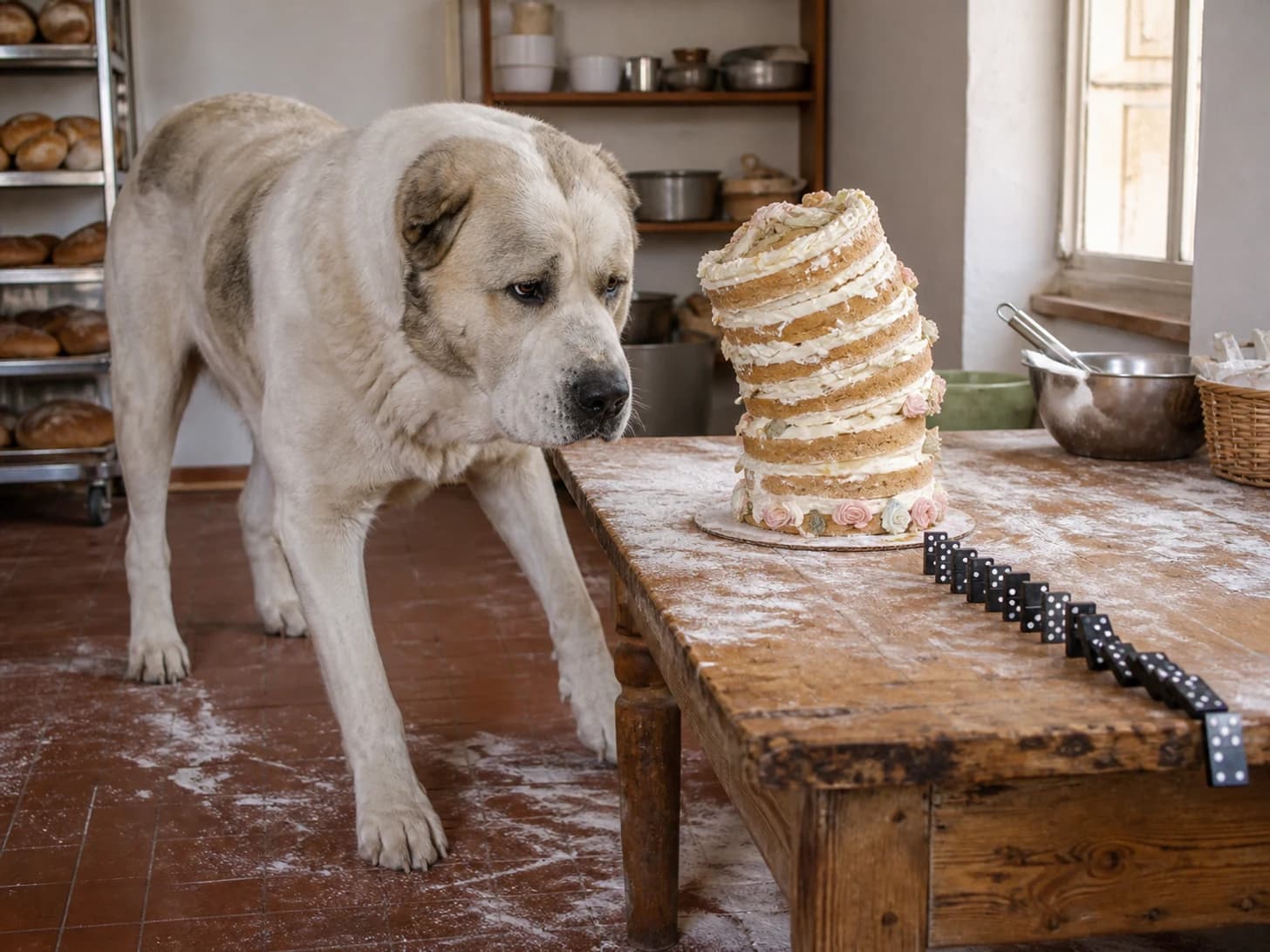
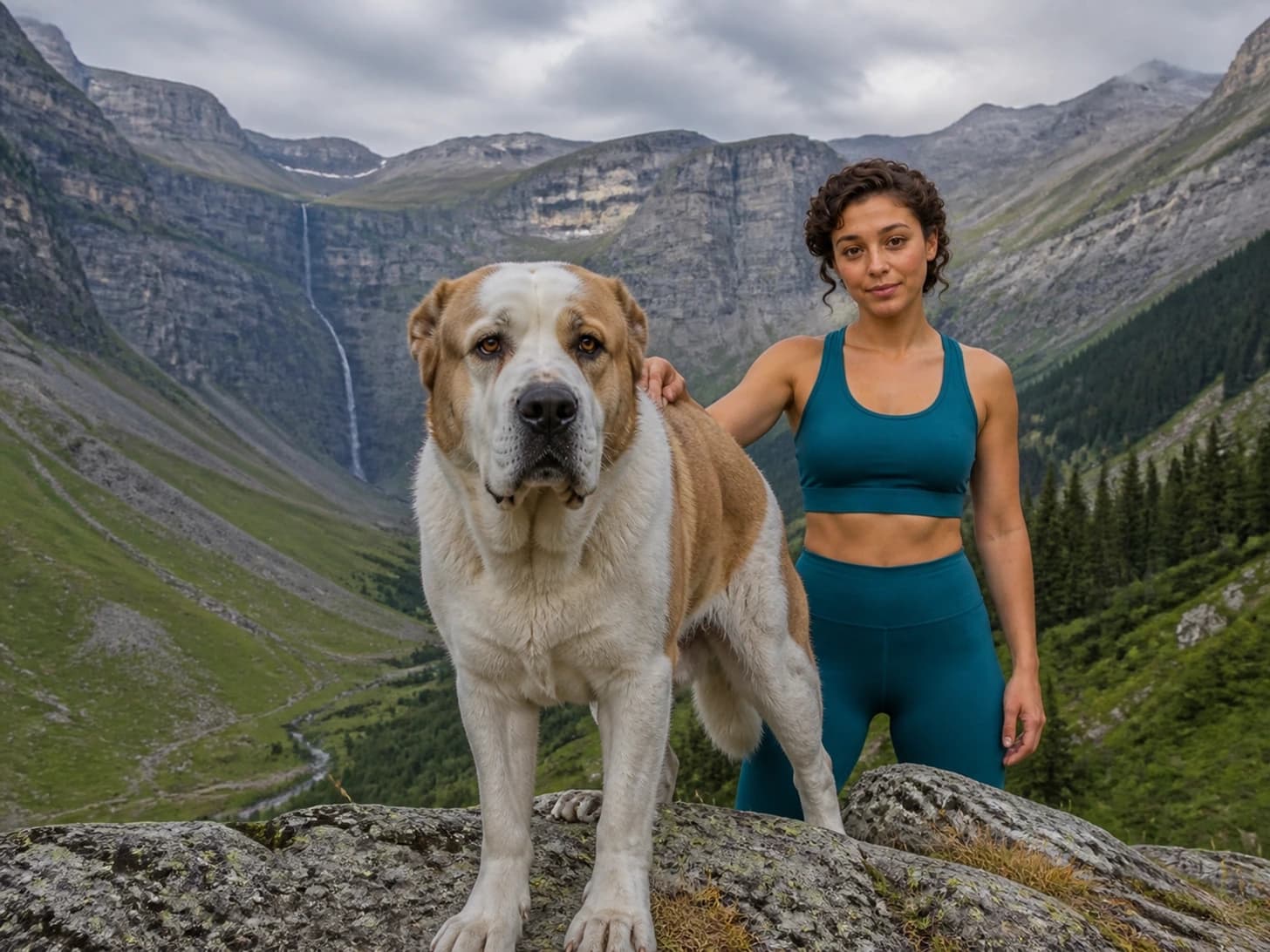
2 central asian shepherd dog photos, newest first

Living with a central asian shepherd dog
The independence is not disobedience. A guardian bred to act alone will assess a situation and decide, and training builds cooperation rather than compliance. Handlers expecting a shepherd dog's responsiveness misread the breed entirely.
They are territorial and will defend what they consider theirs. Fencing and a controlled approach to visitors are essential.
They are healthier and longer-lived than most giant breeds, because the landrace was shaped by work rather than by a standard. Ask for hip scores anyway, and grow puppies slowly.
Learn the signs of bloat.
They bark at night by design. In a suburb that is not a training problem to be solved but a reason to choose another breed.
General guidance, not veterinary advice. Individual dogs vary, and anything about a specific animal is a question for a vet who has seen it.
Worth reading alongside this
More dogs by breed
Every dog breed somebody has posted a photo of.
- Labrador retriever18
- Afghan hound3
- Airedale terrier3
- Akita3
- Alaskan Klee Kai3
- Alaskan malamute3
- American bulldog3
- American eskimo dog3
- American hairless terrier3
- American pit bull terrier3
- Aussiedoodle3
- Australian cattle dog3
- Australian shepherd3
- Basenji3
- Basset hound3
- Beagle3
- Belgian Malinois3
- Bergamasco sheepdog3
- Bernedoodle3
- Bernese mountain dog3
- Bichon frise3
- Biewer terrier3
- Black and tan coonhound3
- Bloodhound3