American eskimo dog
The American Eskimo Dog is not from Alaska and has no connection to Inuit peoples: it descends from German Spitz brought to the American Midwest by immigrants, and was renamed during the First World War when anything German became unmarketable.
It was a circus performer breed for decades.
It comes in toy, miniature and standard sizes, from 23 to 48 centimetres and 3 to 16 kilograms, and lives thirteen to fifteen years. The coat is a thick white double coat with a full ruff. Temperament is bright, busy and highly trainable — this is a genuinely clever breed, which is what made it a circus dog and what makes it demanding at home.
- Origin
- United States, from German Spitz; renamed during WWI
- Size
- Three varieties, 23–48 cm; 3–16 kg
- Lifespan
- 13–15 years
- Coat
- Thick white double coat with a ruff; heavy moult
- Temperament
- Bright, busy, very trainable; can be vocal
- Health
- Progressive retinal atrophy, luxating patella, hip dysplasia
Related: German spitz · American bulldog · American bully · American English coonhound · American foxhound
3 american eskimo dog photos, newest first
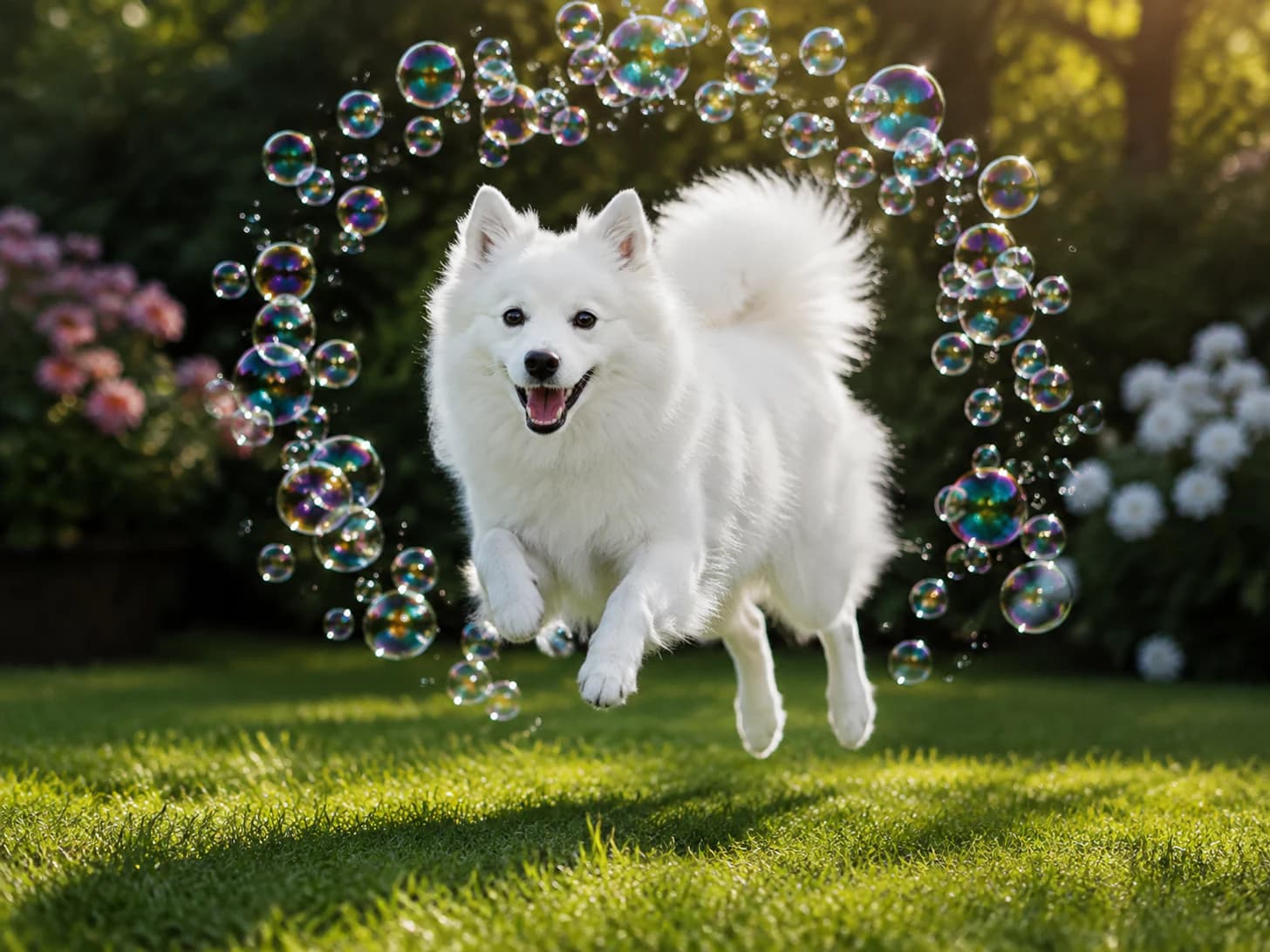
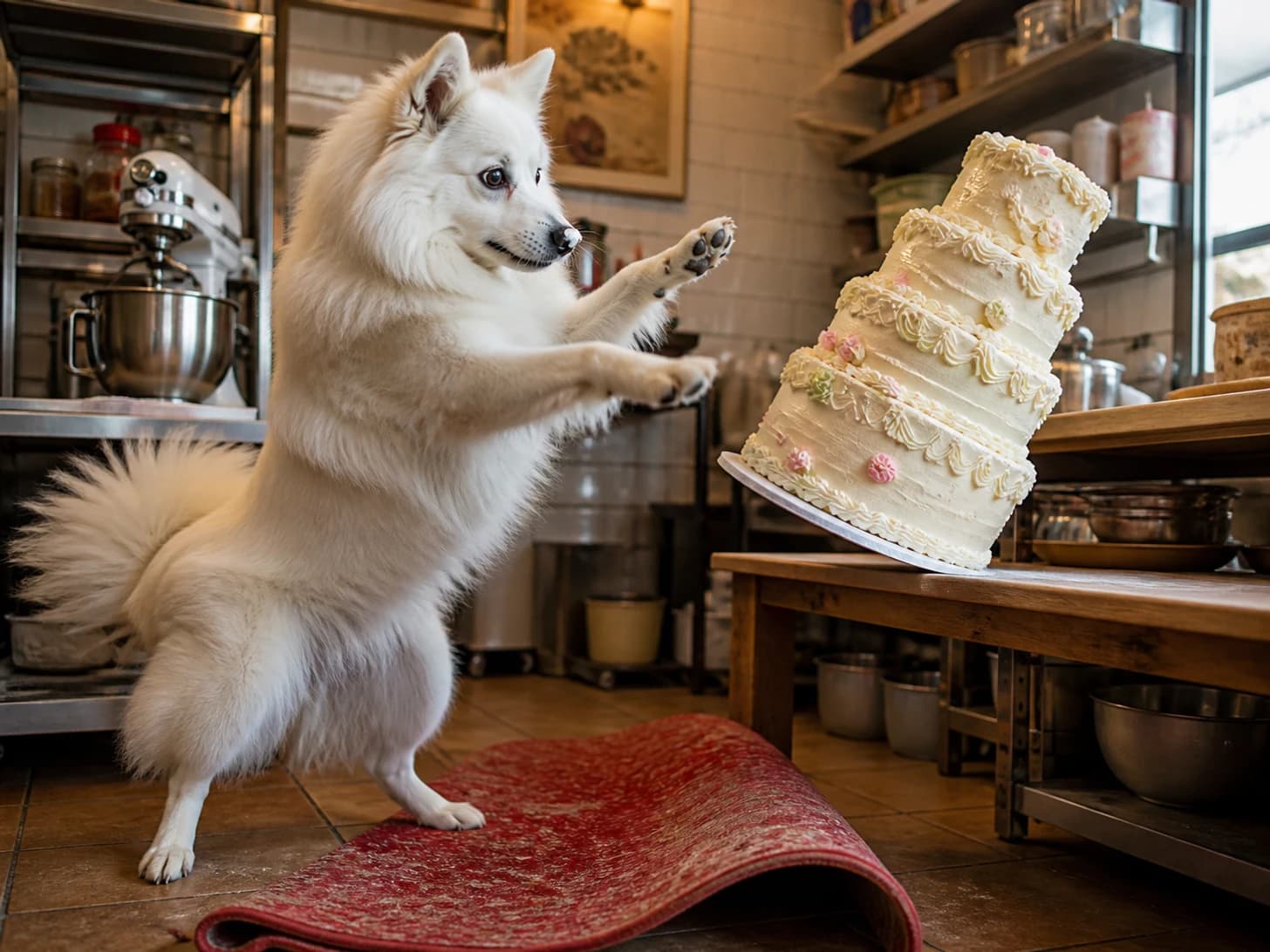
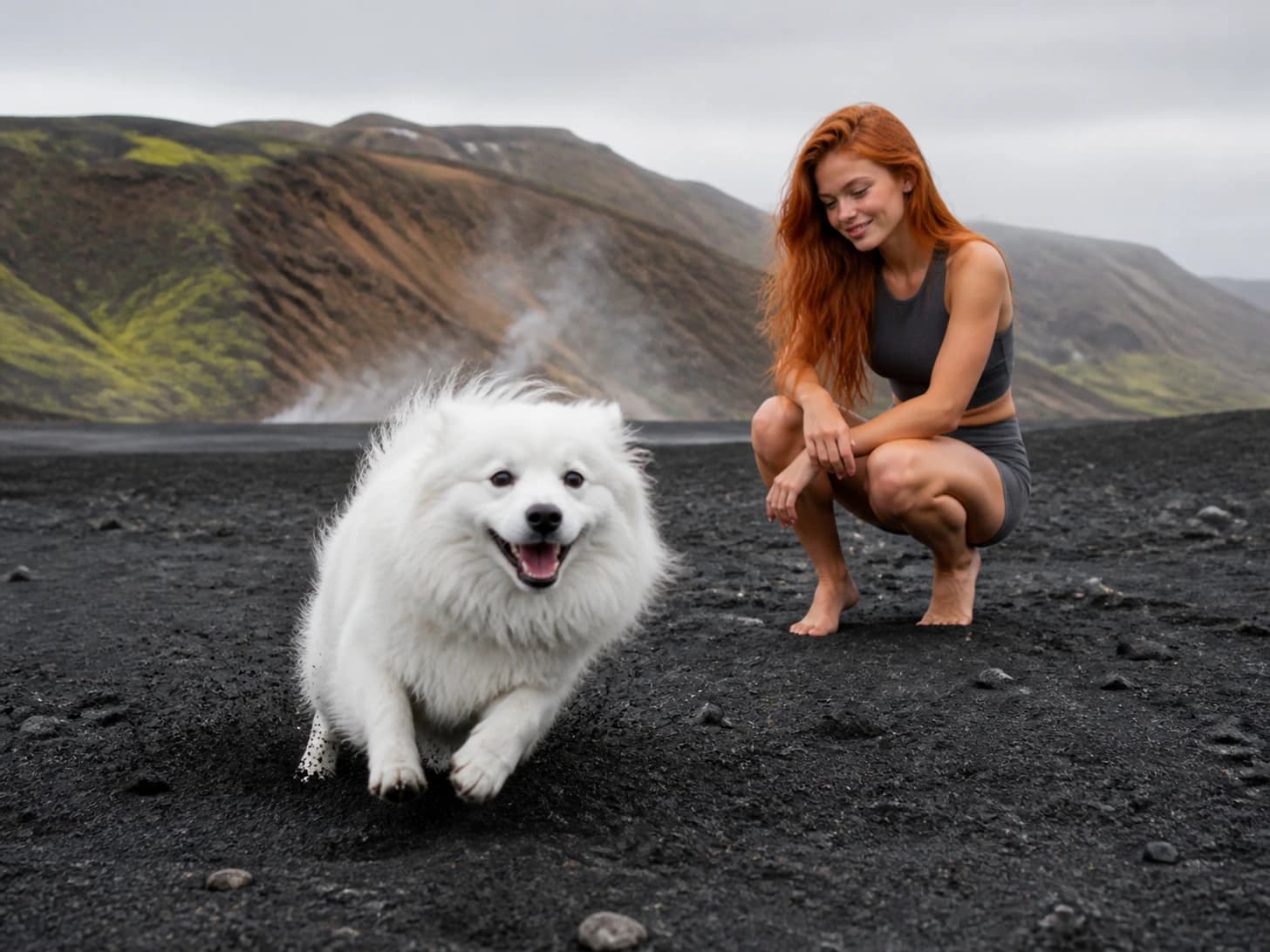
Living with a american eskimo dog
Give them work. This is an intelligent breed that learns tricks readily and becomes noisy and destructive when under-occupied — the barking that gets Eskies complained about is usually boredom.
The white double coat needs brushing two or three times a week and daily during the twice-yearly moult, which produces an extraordinary volume of undercoat. Never shave it: the double coat insulates against heat as well as cold.
Ask for the PRA DNA test and for patella and hip evaluations.
They are wary of strangers and will announce visitors. Socialisation moderates it; nothing eliminates it.
Tear staining on the white face is common and cosmetic — wipe rather than treat.
General guidance, not veterinary advice. Individual dogs vary, and anything about a specific animal is a question for a vet who has seen it.
Worth reading alongside this
More dogs by breed
Every dog breed somebody has posted a photo of.
- Labrador retriever18
- Afghan hound3
- Airedale terrier3
- Akita3
- Alaskan Klee Kai3
- Alaskan malamute3
- American bulldog3
- American hairless terrier3
- American pit bull terrier3
- Aussiedoodle3
- Australian cattle dog3
- Australian shepherd3
- Basenji3
- Basset hound3
- Beagle3
- Belgian Malinois3
- Bergamasco sheepdog3
- Bernedoodle3
- Bernese mountain dog3
- Bichon frise3
- Biewer terrier3
- Black and tan coonhound3
- Bloodhound3
- Border collie3