German shepherd dog
The German shepherd was standardised in the 1890s by Max von Stephanitz, who set out to build the ideal working herding dog from regional German farm stock and ended up creating one of the most versatile working breeds ever bred.
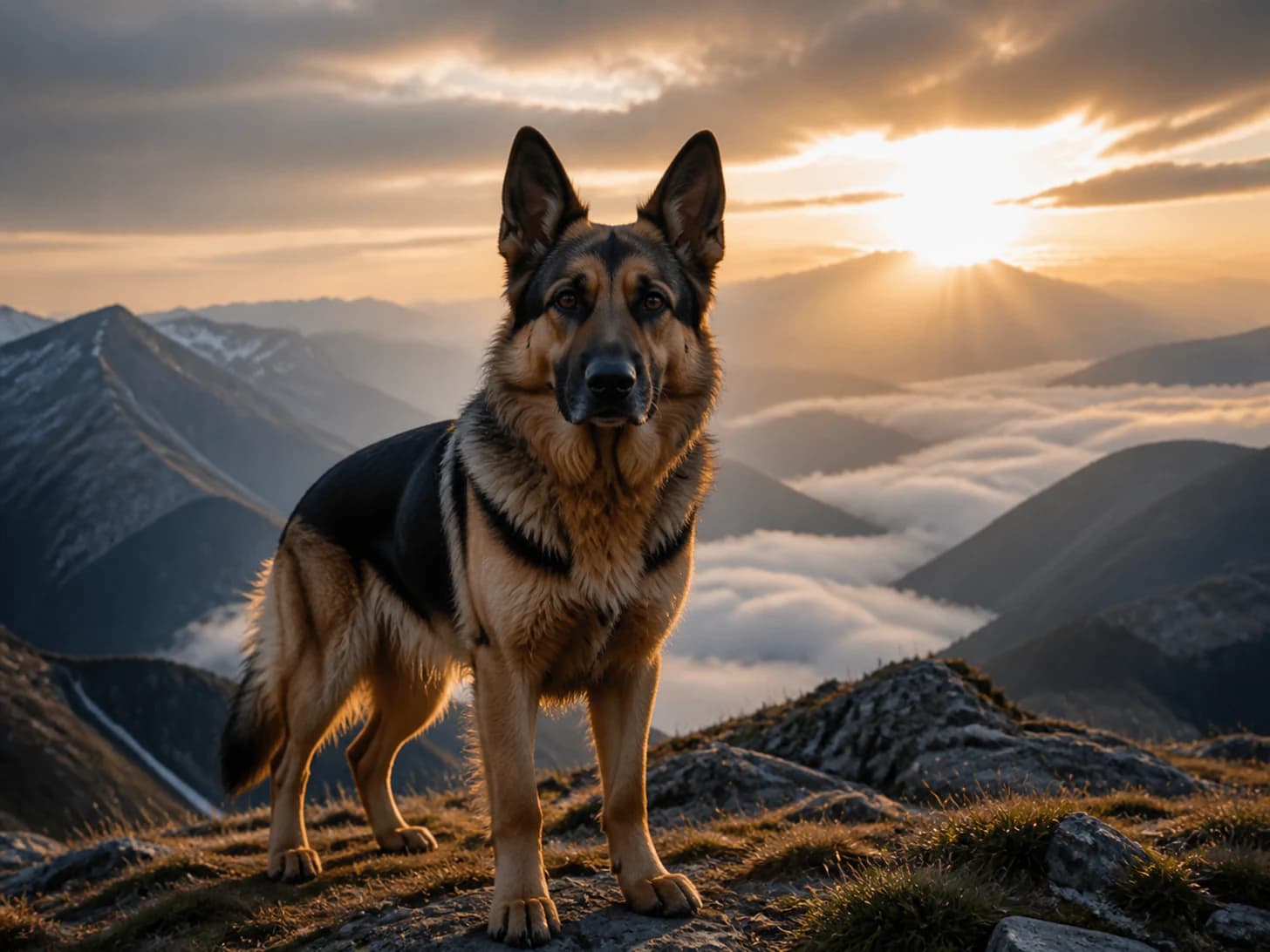
It is a large, powerful dog with a distinctive sloping topline, erect ears and a dense double coat. What defines it is trainability paired with genuine drive: police, military, search and rescue and assistance work all lean on the same combination. That drive is also why the breed suits an experienced owner — a German shepherd without a job usually finds one, and rarely picks well.
- Origin
- Germany, 1890s
- Size
- 22–40 kg, 55–65 cm at the shoulder
- Lifespan
- 9–13 years
- Coat
- Dense double coat, medium or long
- Temperament
- Confident, loyal, highly trainable, naturally watchful
- Exercise
- 2 hours daily, with training built in
Related: German shepherd · Anatolian shepherd dog · Australian shepherd · Bohemian shepherd · Bucovina shepherd dog
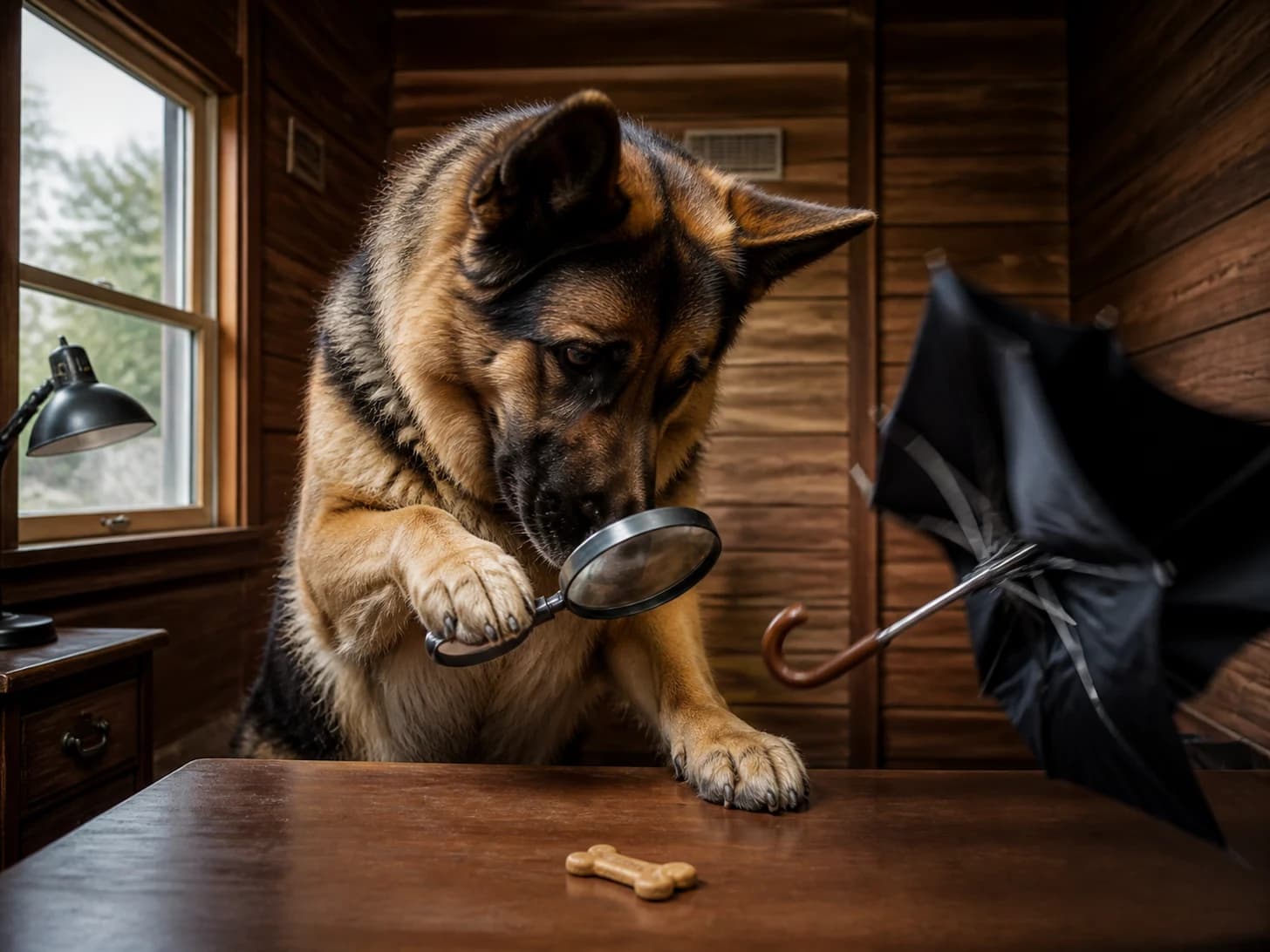
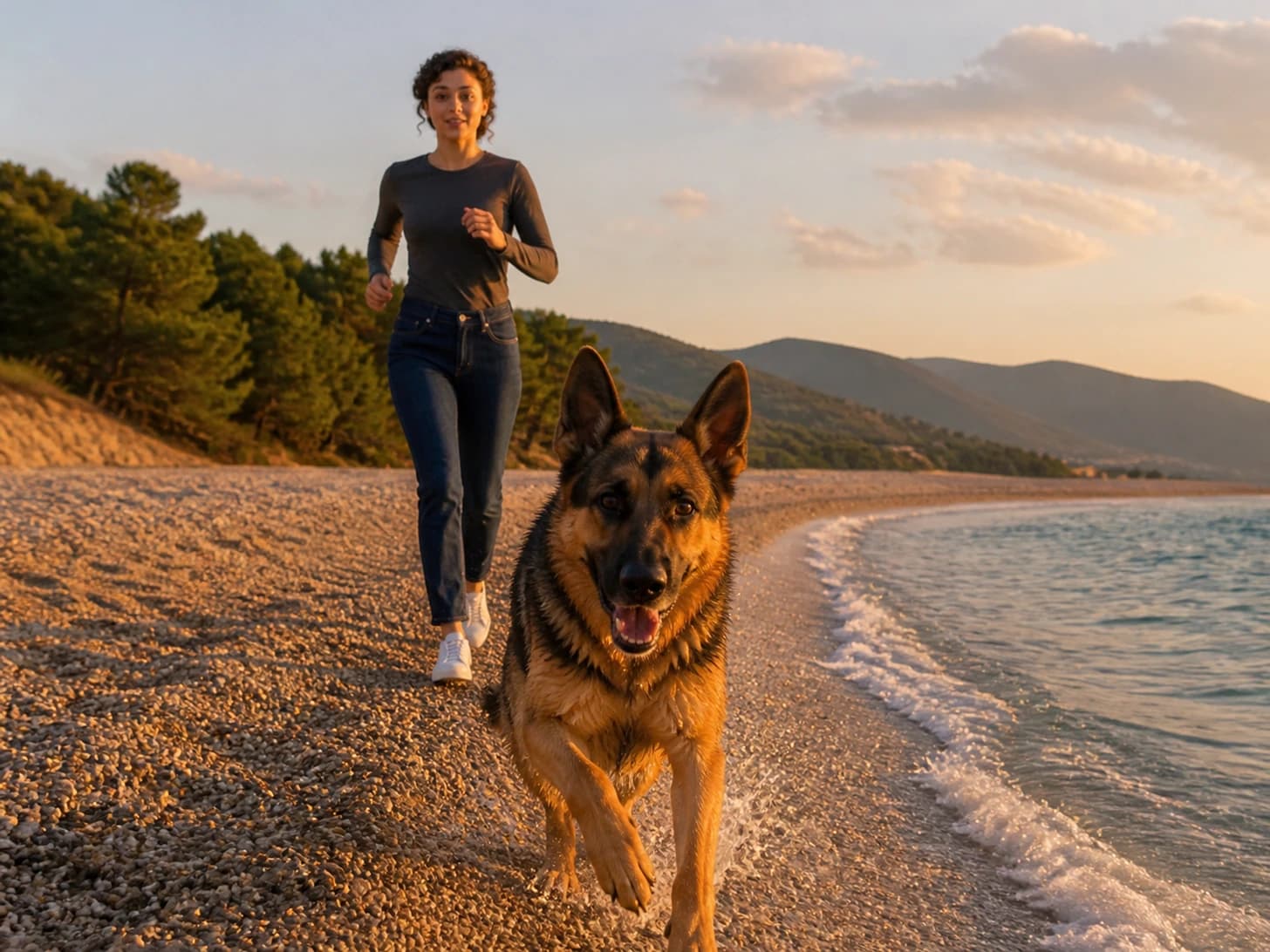
3 german shepherd dog photos, newest first

Living with a german shepherd dog
They shed constantly and blow their undercoat twice a year; a slicker brush two or three times weekly is the minimum that keeps it civil.
Mental work is not optional. Obedience, tracking, scentwork or protection sports all channel the drive that otherwise turns into barking, patrolling and destruction. Early, broad socialisation matters more in this breed than most, because natural wariness untrained becomes reactivity.
Hip and elbow dysplasia are the well-known risks and both should be scored in a breeding line. Degenerative myelopathy has a DNA test. Deep-chested dogs are also at risk of bloat, so avoid hard exercise immediately around meals.
General guidance, not veterinary advice. Individual dogs vary, and anything about a specific animal is a question for a vet who has seen it.
Worth reading alongside this
More dogs by breed
Every dog breed somebody has posted a photo of.
- Labrador retriever18
- Afghan hound3
- Airedale terrier3
- Akita3
- Alaskan Klee Kai3
- Alaskan malamute3
- American bulldog3
- American eskimo dog3
- American hairless terrier3
- American pit bull terrier3
- Aussiedoodle3
- Australian cattle dog3
- Australian shepherd3
- Basenji3
- Basset hound3
- Beagle3
- Belgian Malinois3
- Bergamasco sheepdog3
- Bernedoodle3
- Bernese mountain dog3
- Bichon frise3
- Biewer terrier3
- Black and tan coonhound3
- Bloodhound3