Jack Russell terrier
The Jack Russell Terrier was developed by the Reverend John Russell in Devon in the nineteenth century, from fox terrier stock, to bolt foxes from earths ahead of the hounds.
The name covers dogs registered under several standards, and the working type remains close to what Russell bred.
It stands 25 to 38 centimetres, weighs 6 to 8 kilograms and lives thirteen to sixteen years, with a smooth, broken or rough coat. It is one of the most driven dogs of any size: fearless, tireless, extremely intelligent and possessed of a prey drive that overrides almost everything. It is enormously popular and enormously often rehomed, and those two facts are connected.
- Origin
- Devon, England; bred by the Reverend John Russell
- Size
- 25–38 cm; 6–8 kg
- Lifespan
- 13–16 years
- Coat
- Smooth, broken or rough
- Temperament
- Fearless, tireless and extremely driven for its size
- Health
- Primary lens luxation — DNA testable; deafness, patellar luxation
Related: Airedale terrier · American hairless terrier · American pit bull terrier · American Staffordshire terrier · Australian terrier
3 jack russell terrier photos, newest first
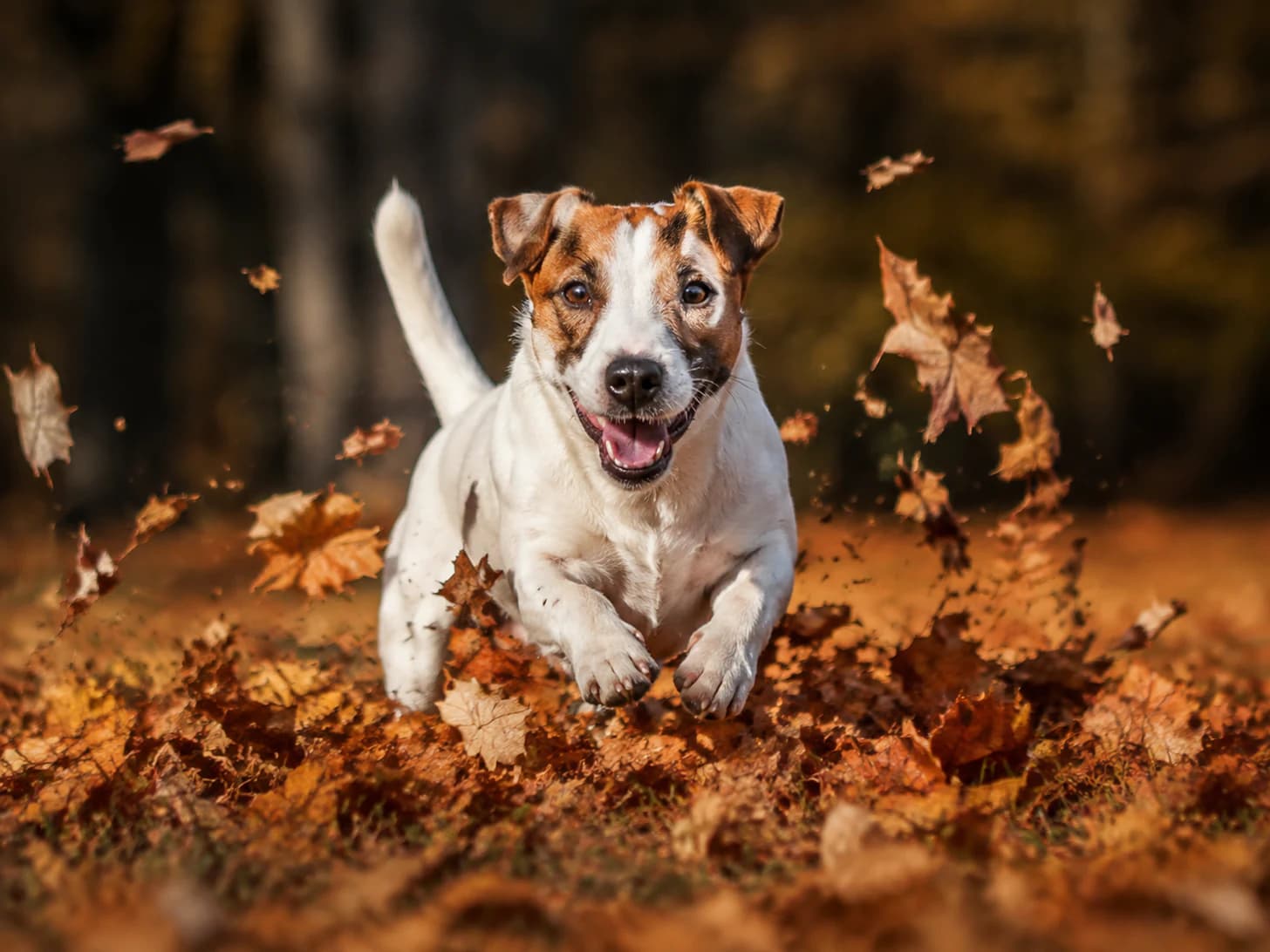

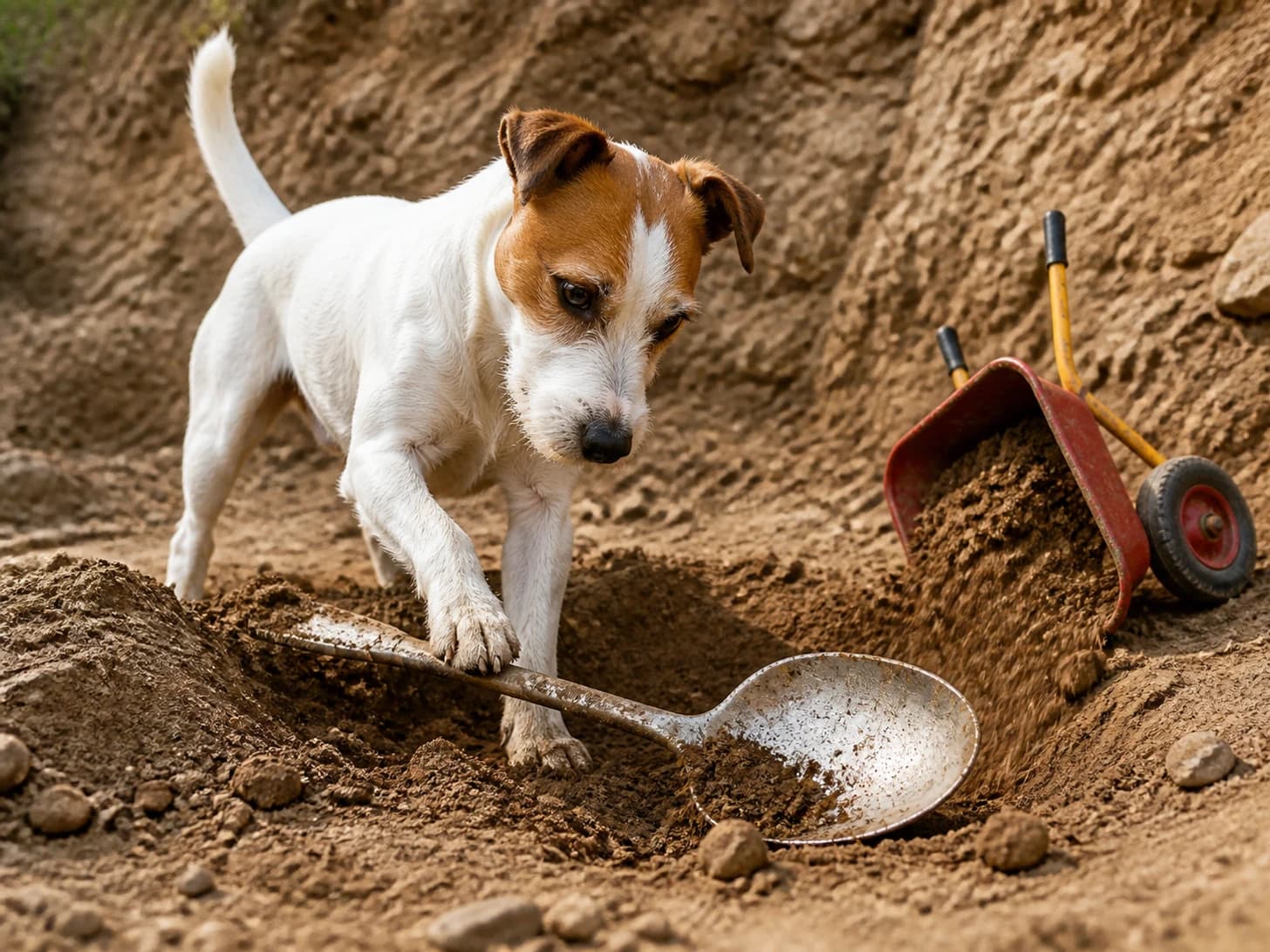
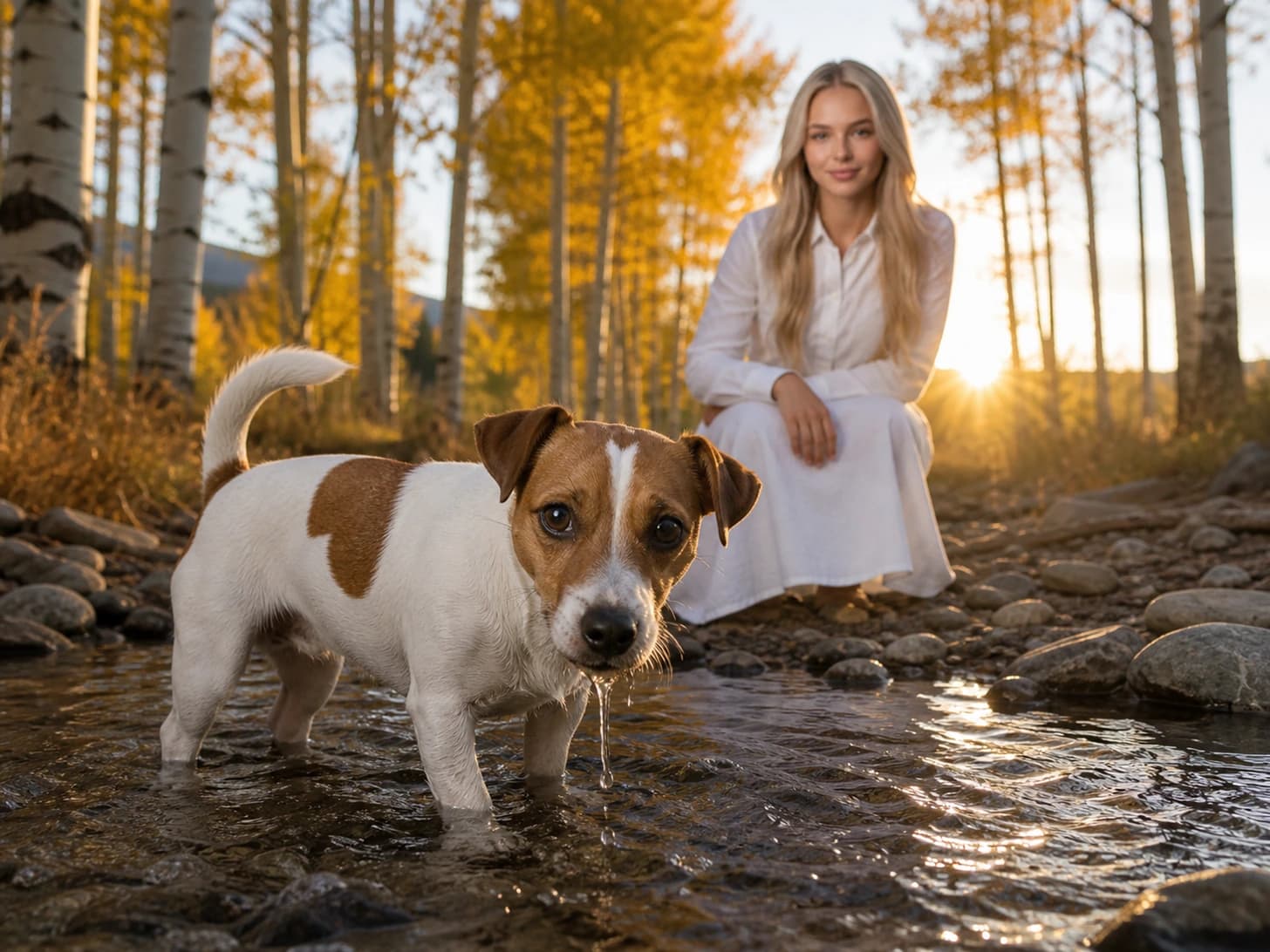
Living with a jack russell terrier
This is a working terrier in a small package, and the size misleads people. A Jack Russell needs an hour or more of real exercise plus mental work every day, and without it digs, barks, escapes and becomes destructive.
Ask for the primary lens luxation DNA test. The lens detaches, causing acute pain and glaucoma, and it is common enough in the breed that a test exists and should be used.
Deafness occurs, particularly in heavily white dogs; BAER testing settles it.
The prey drive is absolute. Cats, rabbits and small pets are a genuine consideration, and recall around wildlife is unreliable.
They will take on much larger dogs. Ask about patellar luxation.
General guidance, not veterinary advice. Individual dogs vary, and anything about a specific animal is a question for a vet who has seen it.
Worth reading alongside this
More dogs by breed
Every dog breed somebody has posted a photo of.
- Labrador retriever18
- Afghan hound3
- Airedale terrier3
- Akita3
- Alaskan Klee Kai3
- Alaskan malamute3
- American bulldog3
- American eskimo dog3
- American hairless terrier3
- American pit bull terrier3
- Aussiedoodle3
- Australian cattle dog3
- Australian shepherd3
- Basenji3
- Basset hound3
- Beagle3
- Belgian Malinois3
- Bergamasco sheepdog3
- Bernedoodle3
- Bernese mountain dog3
- Bichon frise3
- Biewer terrier3
- Black and tan coonhound3
- Bloodhound3